(7% discount is applied at checkout)
Cart is empty
Your go-to destination for cutting-edge server products
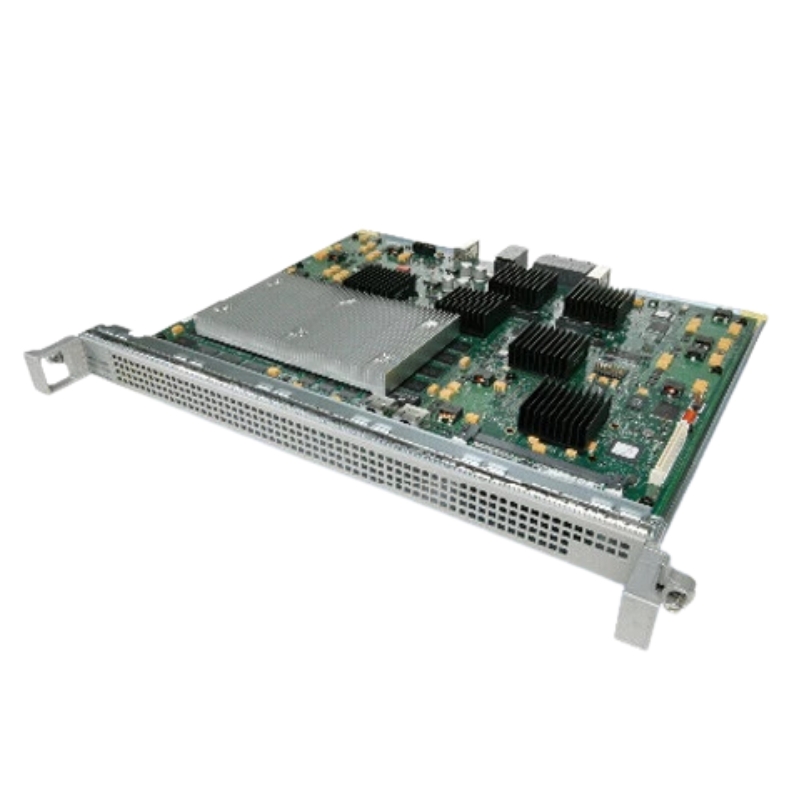


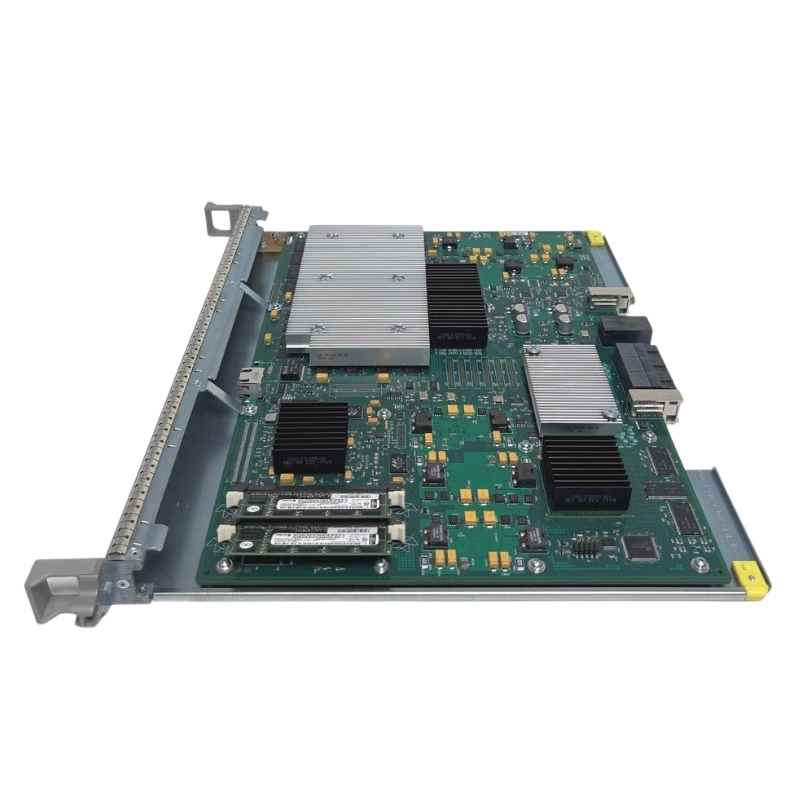
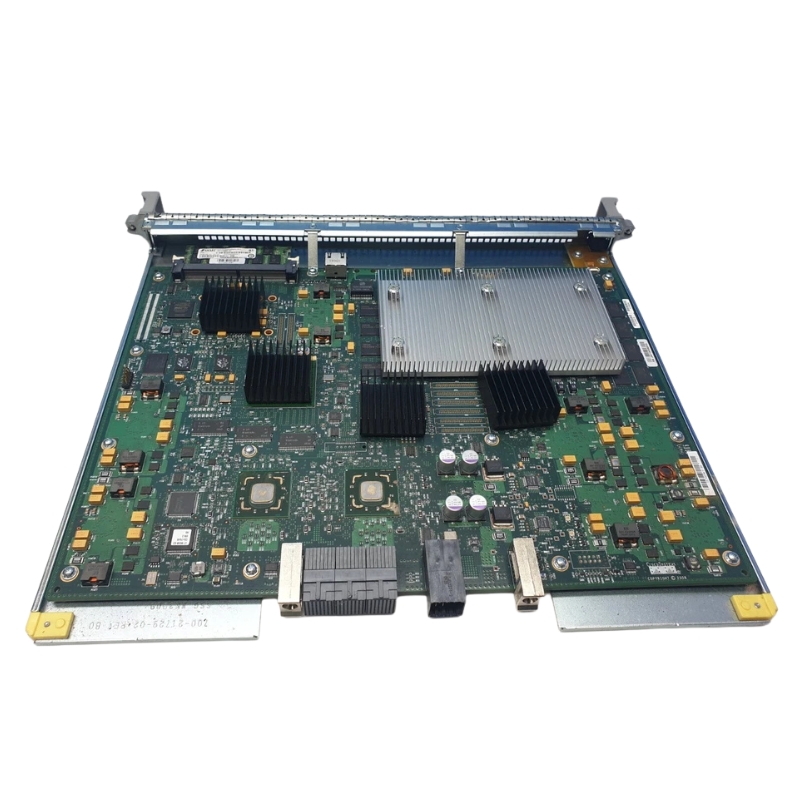
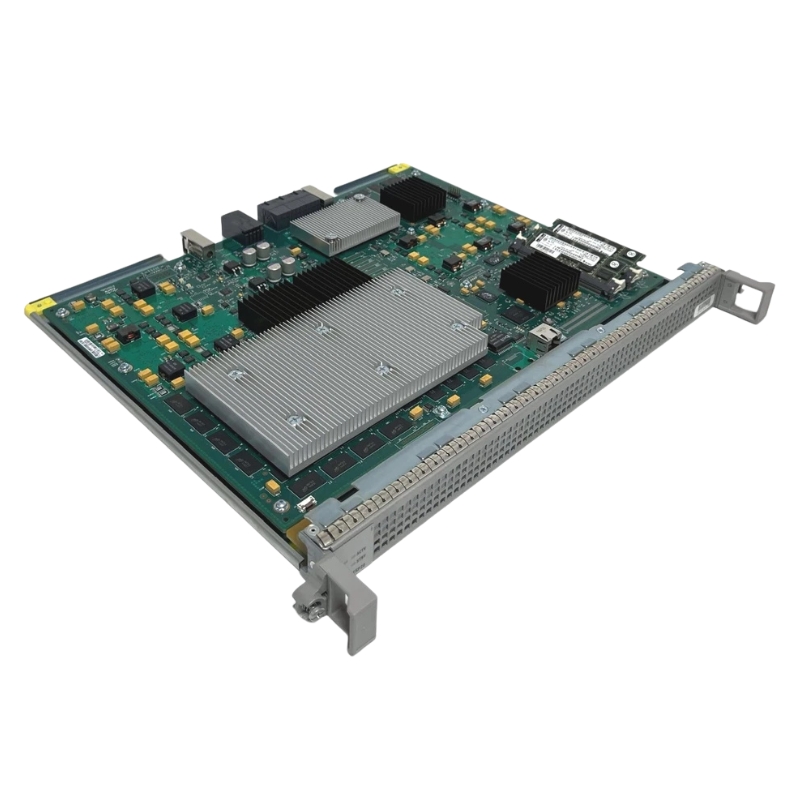
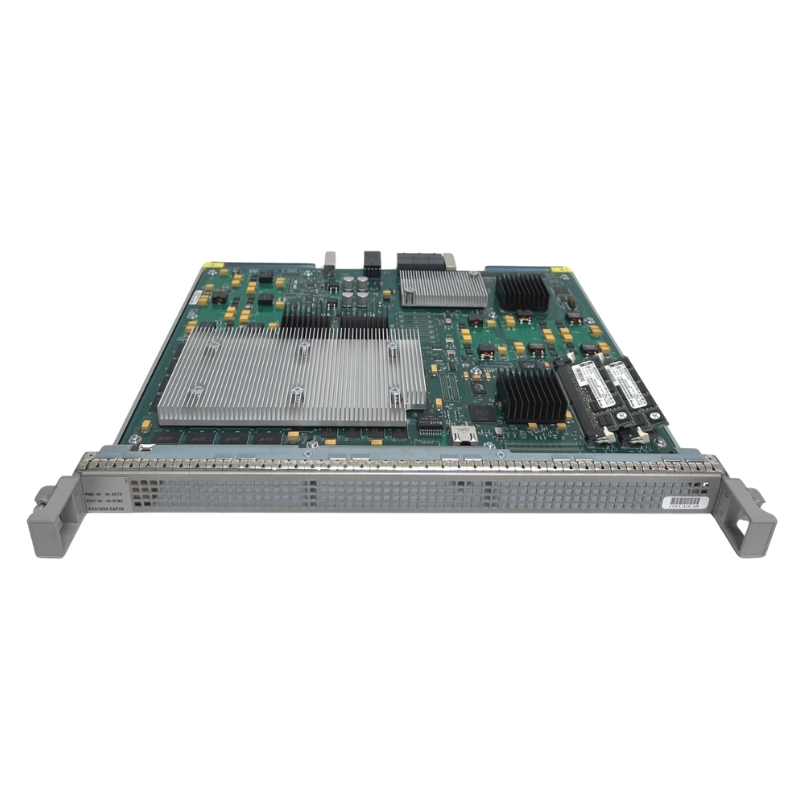
Cisco ASR1000-ESP10-N ASR 1000 Series Embedded Services Processor. Factory-Sealed New in Original Box (FSB) with 1 year replacement warranty
The Cisco ASR1000-ESP10-N Embedded Services Processor from the Cisco ASR 1000 Series is a high-capacity networking component engineered to deliver robust packet processing, dependable throughput, and scalable service performance within enterprise-grade routing environments.
Compatibility
The Cisco ASR1000-ESP10-N Embedded Services Processor is a dedicated forwarding and services module developed for the Cisco ASR 1000 Series aggregation services routers. Designed to deliver consistent packet processing, scalable throughput, and integrated service intelligence, this processor plays a major role in enterprise edge routing, service provider traffic handling, cloud connectivity, and high-density WAN environments. Organizations that demand reliable packet forwarding with advanced service integration often deploy the ASR1000-ESP10-N to support mission-critical routing operations and large-scale network infrastructures.
The ASR1000-ESP10-N operates as a central component within the ASR 1000 platform architecture. It manages forwarding operations independently from the route processor while maintaining close interaction with Cisco QuantumFlow Processor technology. This separation of functions improves scalability, minimizes processing bottlenecks, and enhances traffic management efficiency across enterprise and provider deployments. The processor is optimized for applications requiring high availability, intelligent traffic handling, and integrated service features.
Network administrators frequently choose the Cisco ASR1000-ESP10-N for environments where performance consistency and integrated network services are critical. The processor supports secure VPN deployments, application visibility, traffic prioritization, firewall services, network segmentation, and encrypted WAN communication. These capabilities allow businesses to consolidate multiple networking functions into a single routing platform while maintaining operational stability.
The Embedded Services Processor serves as the forwarding engine inside the Cisco ASR 1000 Series infrastructure. It is responsible for packet forwarding decisions, traffic inspection, service execution, and policy enforcement. By handling these functions within dedicated hardware, the ASR1000-ESP10-N enables routers to maintain stable throughput even during periods of heavy network activity.
In modern enterprise networking, traffic patterns are increasingly complex due to cloud applications, remote connectivity, unified communications, and virtualization. The Cisco ASR1000-ESP10-N is engineered to manage these demands while maintaining low latency and reliable forwarding behavior. Organizations deploying high-volume data services can benefit from hardware-assisted processing that improves efficiency and reduces software processing overhead.
Large enterprises often require scalable forwarding performance capable of supporting branch connectivity, centralized applications, data center communication, and cloud access. The ASR1000-ESP10-N is designed to support these workloads by providing dedicated forwarding resources that help maintain stable routing performance across dynamic traffic conditions.
The processor architecture allows administrators to scale services without requiring a complete redesign of the routing infrastructure. Businesses expanding branch offices, remote access deployments, or cloud integrations can continue utilizing the ASR 1000 platform while increasing network functionality through the embedded services processor.
The Cisco ASR1000-ESP10-N utilizes Cisco QuantumFlow Processor technology to support intelligent packet processing across multiple services simultaneously. Unlike traditional software-only forwarding approaches, the QuantumFlow architecture integrates programmable packet handling capabilities into hardware-assisted processing pipelines.
This architecture allows the system to inspect traffic flows in real time while maintaining forwarding efficiency. As a result, organizations can enable advanced services such as security filtering, deep packet inspection, application recognition, and encrypted communication without severely impacting overall routing performance.
The embedded processor supports integrated services directly within the routing platform. Instead of deploying multiple standalone appliances for security, traffic optimization, or WAN services, enterprises can consolidate many of these functions into the Cisco ASR infrastructure.
Integrated processing simplifies network management while reducing rack space requirements, power consumption, and hardware complexity. This consolidation is especially valuable for organizations seeking operational efficiency in large branch deployments or centralized data center environments.
The Cisco ASR1000-ESP10-N includes programmable traffic handling mechanisms that allow administrators to implement advanced policies and service controls. Network operators can classify traffic flows, prioritize business-critical applications, and enforce routing policies with granular precision.
Programmable forwarding intelligence improves adaptability in changing network conditions. Enterprises can introduce new services, security rules, or application policies without replacing the core routing infrastructure.
High availability is one of the defining characteristics of the Cisco ASR 1000 Series ecosystem. The ASR1000-ESP10-N contributes to network resiliency by supporting redundant deployment models, fault isolation mechanisms, and hardware-assisted service continuity.
Enterprise and provider networks cannot tolerate prolonged outages because downtime affects productivity, communication, and customer services. The embedded services processor is engineered to help maintain operational continuity even during hardware failures or maintenance events.
The ASR 1000 platform supports redundant components that minimize service interruptions. The embedded services processor works alongside route processors, power supplies, and forwarding components within a resilient system architecture.
Redundancy allows organizations to maintain network operations during component replacement or failure conditions. This capability is particularly important for financial institutions, healthcare organizations, government networks, and service providers.
Stateful processing capabilities help maintain active sessions during failover scenarios. This functionality is especially valuable for VPN connections, encrypted communication tunnels, and long-duration application sessions.
Session preservation reduces disruption for remote users and branch offices while improving overall network reliability.
Security remains a primary concern in enterprise networking, especially in distributed organizations with remote employees, branch locations, and cloud-based services. The Cisco ASR1000-ESP10-N supports secure connectivity services that help organizations protect sensitive data across public and private networks.
The embedded services processor accelerates encrypted traffic handling while maintaining routing efficiency. This capability enables organizations to deploy large-scale VPN infrastructures without overwhelming system resources.
The processor supports hardware-assisted IPsec encryption that improves secure communication performance across WAN environments. Organizations can establish encrypted tunnels between branches, headquarters, data centers, and cloud platforms.
Hardware acceleration minimizes encryption overhead while maintaining throughput consistency. This approach improves scalability in environments with high VPN session counts.
Remote work models require secure and reliable access to enterprise resources. The Cisco ASR1000-ESP10-N enables organizations to support remote employees through scalable VPN deployments and secure routing services.
Administrators can enforce authentication policies, encrypted communication standards, and traffic segmentation controls while supporting distributed workforce operations.
Quality of Service functionality is essential for organizations operating latency-sensitive applications. The Cisco ASR1000-ESP10-N supports sophisticated traffic prioritization mechanisms that help maintain performance consistency across mixed traffic environments.
Applications such as video conferencing, unified communications, cloud collaboration, and virtual desktop infrastructure require stable network performance. The embedded processor helps ensure these services receive appropriate bandwidth and forwarding priority.
The Cisco ASR1000-ESP10-N is widely deployed in WAN aggregation and enterprise edge routing environments. Organizations use the processor to manage traffic between branch locations, data centers, internet service providers, and cloud platforms.
WAN aggregation environments often involve complex routing policies, multiple connectivity providers, and diverse application workloads. The embedded services processor helps manage these requirements efficiently while supporting scalable service integration.
Internet edge routing requires stable performance, security enforcement, and high availability. The ASR1000-ESP10-N provides forwarding intelligence that supports internet-facing services and enterprise edge deployments.
Organizations can deploy secure internet gateways, public-facing applications, and cloud access architectures while maintaining centralized policy control.
Cloud adoption continues to increase across enterprise environments. The processor supports routing architectures designed for cloud connectivity, hybrid networking, and distributed application access.
Enterprises integrating public cloud services often require secure and scalable WAN routing infrastructure capable of supporting dynamic workloads and encrypted communication.
Many organizations operate hybrid infrastructures combining on-premises systems with cloud platforms. The Cisco ASR1000-ESP10-N supports hybrid networking models by enabling secure traffic routing between multiple environments.
Hybrid connectivity capabilities help businesses maintain flexibility while preserving centralized network visibility and control.
Modern enterprises increasingly rely on network segmentation to improve security, performance isolation, and operational management. The ASR1000-ESP10-N supports virtualization and segmentation technologies that allow organizations to create logically separated traffic environments.
Segmentation improves security posture by limiting unnecessary communication between network zones while enabling granular policy enforcement.
Large-scale network environments require efficient operational management and centralized visibility. The Cisco ASR1000-ESP10-N supports management frameworks that simplify monitoring, troubleshooting, and service deployment.
Operational efficiency is particularly important for organizations managing multiple branch locations, remote facilities, and geographically distributed networks.
Centralized management tools help administrators deploy consistent configurations across routing environments. The processor integrates with Cisco management ecosystems that support automation, policy standardization, and infrastructure monitoring.
Standardized deployment practices improve operational consistency while reducing configuration errors.
The Cisco ASR1000-ESP10-N is suitable for both enterprise and service provider environments due to its scalable forwarding architecture and integrated service capabilities. Data center operators and telecommunications providers frequently deploy the processor in high-performance routing infrastructures.
These environments often involve massive traffic volumes, complex routing policies, and strict uptime requirements. The processor supports these demands through hardware-assisted forwarding and intelligent service integration.
Data center edge routing requires high throughput, low latency, and secure traffic handling. The embedded services processor supports routing environments that connect internal infrastructure to external networks and cloud providers.
Efficient edge routing contributes to improved application accessibility and optimized workload distribution.
Enterprise networking requirements continue to evolve due to digital transformation, cloud migration, remote access growth, and increased security expectations. The embedded services processor supports these evolving demands through flexible service integration and programmable traffic handling.


 Contact Us
 Information
 Catalog
 Solid State Drives (SSD)
 Network Switches
 Hard Disk Drives
 HBA & Controllers
 PC & Servers
 PC & Server Memory
 CPU & Processors
 Network Routers
 Power Supplies
 Tape Drives & Libraries
 Network Devices
 Computer & Network Cables