(7% discount is applied at checkout)
Cart is empty
Your go-to destination for cutting-edge server products
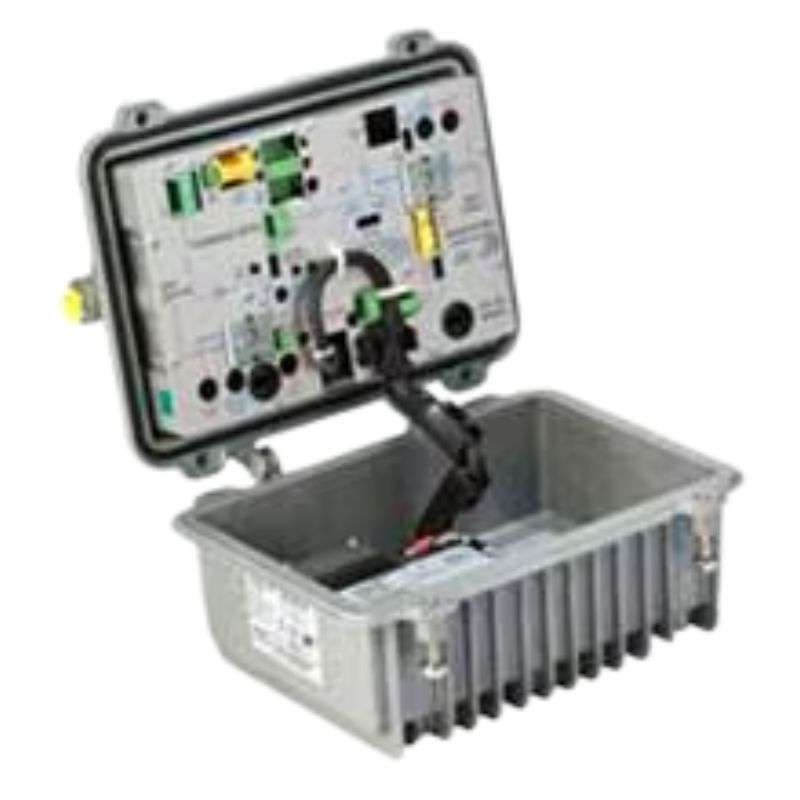


Cisco 1230G21032111000 GM LE Access Devices. Factory-Sealed New in Original Box (FSB) with 1 year replacement warranty
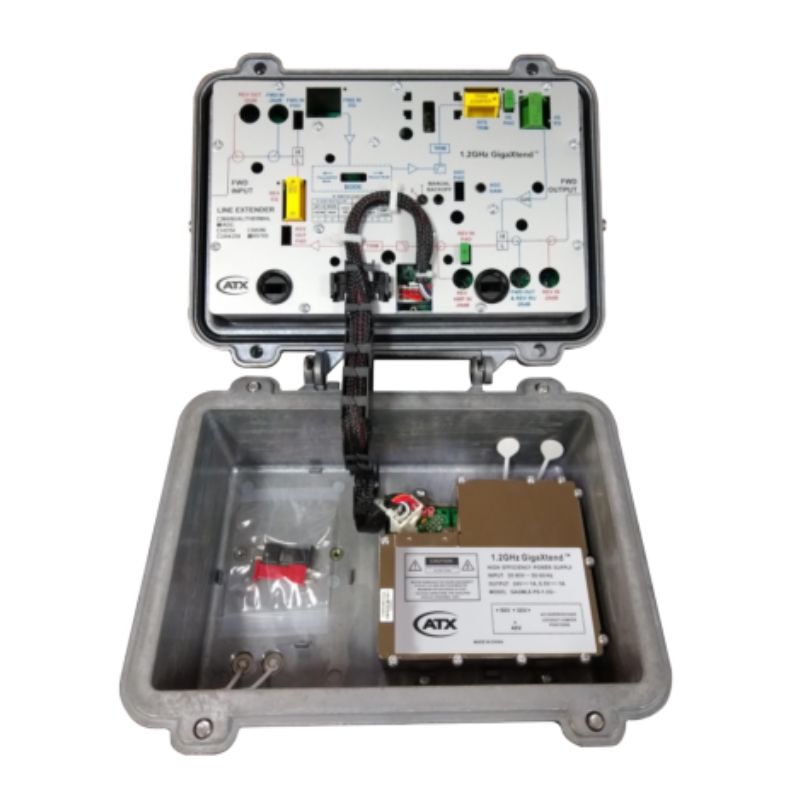
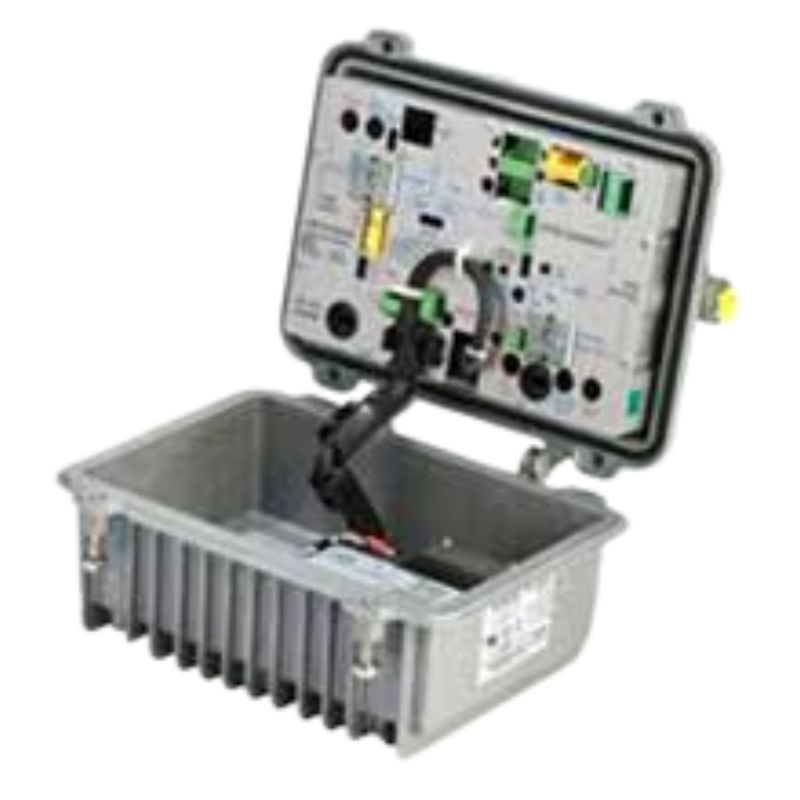
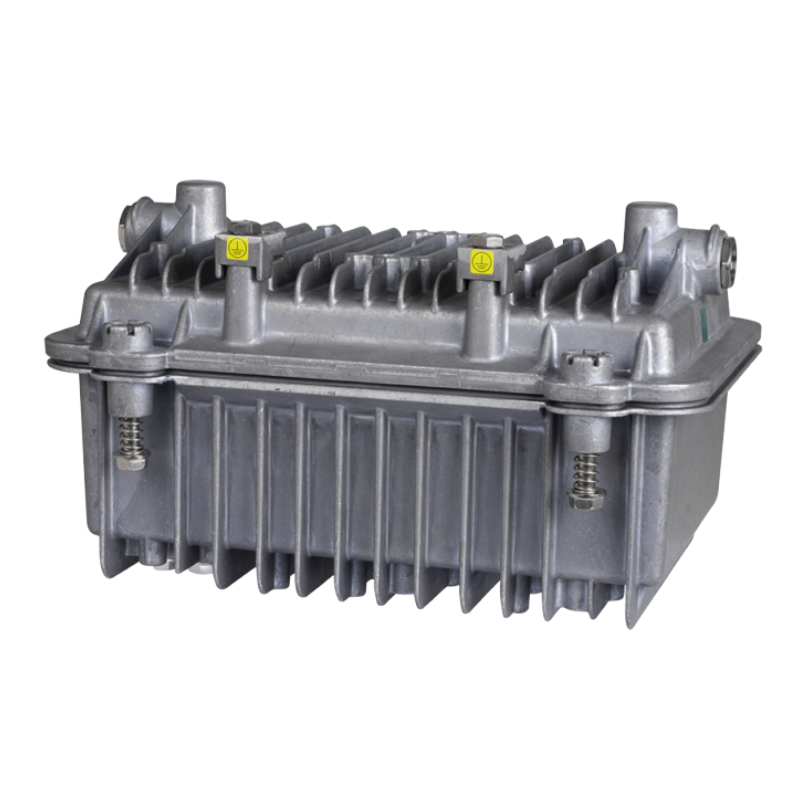
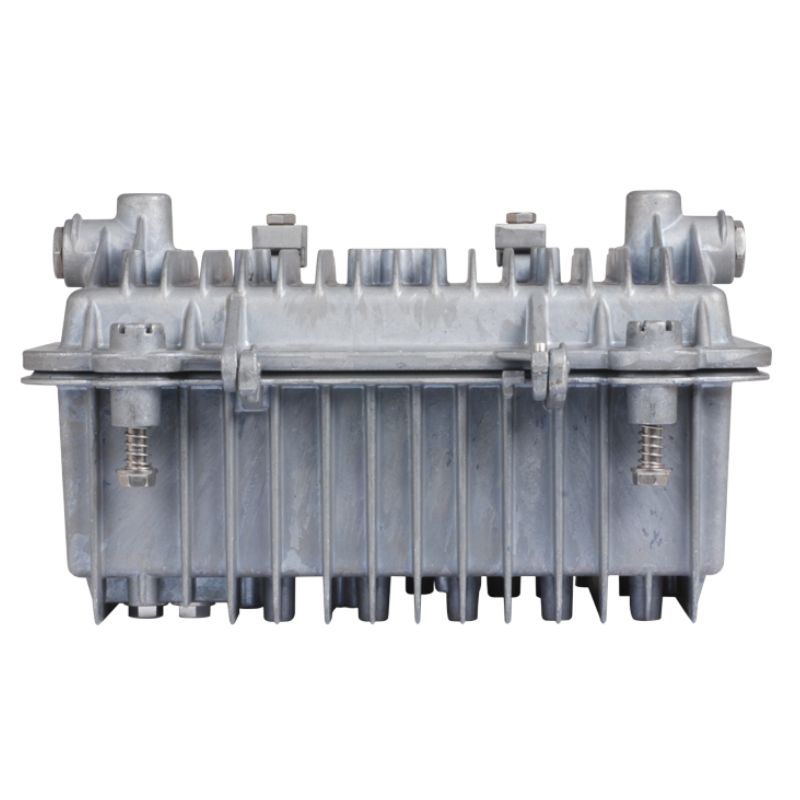
The Cisco 1230G21032111000 GM LE 42/54 RA CB TC PS Ctd Hsg is a high-performance GainMaker Line Extender designed to enhance broadband network distribution efficiency. Engineered by Cisco, this advanced signal amplification device supports robust RF signal transmission, ensuring stable and high-quality communication across cable network infrastructures. It is widely used in hybrid fiber-coaxial (HFC) systems to maintain signal integrity over long distances.
The Cisco 1230G21032111000 GM LE 42/54 RA CB TC PS Ctd Hsg category represents a specialized class of advanced telecommunications enclosure and hardware housing solutions engineered for high-density networking environments. Within modern network infrastructure ecosystems, this category is associated with precision-built chassis systems, protective housings, and modular assemblies designed to support Cisco-grade enterprise and carrier-class equipment deployments. The architecture is deeply aligned with telecom-grade resilience, ensuring compatibility with distributed networking frameworks, high-throughput switching systems, and long-range transmission modules used in backbone connectivity.
In enterprise networking environments, hardware classification such as GM LE 42/54 RA CB TC PS Ctd Hsg is commonly associated with mechanical enclosure structures that support optical transceivers, switching components, and power subsystem integration. These housings are typically designed to ensure thermal stability, electromagnetic shielding, and mechanical rigidity, which are essential for uninterrupted data flow in mission-critical infrastructures. The Cisco engineering philosophy emphasizes modular scalability, and this category aligns with that principle by supporting flexible integration into larger networking assemblies.
The mechanical framework of the Cisco 1230G21032111000 GM LE 42/54 RA CB TC PS Ctd Hsg category is constructed with a focus on precision alignment and structural durability. Each housing unit is engineered to support dense circuit arrangements and maintain consistent spatial tolerances for internal optical and electrical modules. The enclosure geometry is optimized for rack-mount compatibility and structured airflow distribution, ensuring that internal components maintain operational stability under varying load conditions.
The structural composition often includes reinforced metallic alloys and thermally conductive composite materials. These materials are selected to provide both rigidity and heat dissipation capabilities, which are critical in high-speed networking environments where continuous data processing generates significant thermal output. The enclosure design also accounts for vibration resistance, which is particularly important in data center environments where equipment density can lead to mechanical resonance.
Within this category, the housing system is not merely a protective shell but an integral part of the functional ecosystem. It supports optical transceiver alignment, power circuit stabilization, and control board integration. The Cisco 1230G21032111000 GM LE 42/54 RA CB TC PS Ctd Hsg structure is designed to maintain precise alignment between optical interfaces, ensuring minimal signal degradation across long-range communication channels.
Electrical integration within this category emphasizes controlled impedance pathways and optimized grounding architecture. This ensures that electromagnetic interference is minimized, allowing high-frequency signals to propagate efficiently. The internal configuration is engineered to support seamless communication between modular components, enabling scalability across enterprise-level deployments.
The material composition used in Cisco housing systems such as GM LE 42/54 RA CB TC PS Ctd Hsg is a critical factor in determining long-term reliability. High-grade aluminum alloys and engineered steel composites are typically used to provide a balance of strength and thermal performance. These materials are selected not only for structural durability but also for their ability to dissipate heat efficiently in high-load operational environments.
Thermal conductivity plays a crucial role in ensuring that internal modules remain within safe operating temperature thresholds. The enclosure acts as a passive heat distribution system, channeling thermal energy away from sensitive optical and electrical components. This reduces the risk of overheating and extends the operational lifespan of the entire system.
Surface treatment processes applied to this category of Cisco hardware housing include anti-corrosive coatings and micro-textured finishes designed to enhance durability. These treatments protect the enclosure from environmental stressors such as humidity, dust accumulation, and chemical exposure. In data center environments where air quality can fluctuate, such protective measures ensure consistent performance over extended operational cycles.
The protective housing also supports resistance to electrostatic discharge, which is essential for safeguarding sensitive networking components. By integrating conductive coatings and grounding pathways, the system minimizes the risk of static-related failures that could compromise data integrity or hardware stability.
The Cisco 1230G21032111000 GM LE 42/54 RA CB TC PS Ctd Hsg category is frequently utilized in enterprise data centers where high-density networking equipment is deployed. In such environments, equipment must maintain continuous uptime while supporting large-scale data transmission. The housing system provides the structural foundation for these deployments, ensuring that internal modules remain securely positioned and thermally stable.
In cloud computing infrastructures, this category plays a role in maintaining the physical integrity of switching and routing hardware that supports virtualized workloads. The reliability of the enclosure directly influences the stability of the broader network ecosystem, particularly in environments where latency and packet loss must be minimized.
Telecommunication providers rely heavily on robust hardware housing systems to support backbone connectivity across geographically distributed networks. The Cisco GM LE 42/54 RA CB TC PS Ctd Hsg category contributes to this ecosystem by providing durable and scalable enclosure solutions that support long-range optical communication modules. These systems are often deployed in central offices, aggregation points, and edge network facilities.
The housing architecture ensures that signal integrity is preserved across high-speed transmission channels. By minimizing structural interference and maintaining precise component alignment, the system supports consistent communication performance across extended distances.
One of the defining characteristics of this category is its interoperability with broader Cisco networking architectures. The Cisco 1230G21032111000 GM LE 42/54 RA CB TC PS Ctd Hsg system is designed to integrate seamlessly with switching platforms, routing systems, and optical transport networks. This ensures that organizations can scale their infrastructure without encountering compatibility limitations.
The modular design philosophy allows for incremental expansion, enabling enterprises to upgrade specific components without replacing entire systems. This reduces operational costs and supports long-term infrastructure planning in dynamic networking environments.
The compatibility framework of this category extends to both legacy Cisco systems and next-generation networking platforms. This dual compatibility ensures that organizations can maintain continuity in their infrastructure while gradually adopting newer technologies. The housing system acts as a bridging component between different technological generations, enabling seamless transitions during infrastructure upgrades.
Effective thermal management is a core design principle in the Cisco GM LE 42/54 RA CB TC PS Ctd Hsg category. The enclosure is engineered to facilitate controlled airflow patterns that direct heat away from high-density electronic components. This is achieved through strategically designed ventilation pathways and internal channeling structures that optimize heat dispersion.
The airflow architecture is designed to work in conjunction with data center cooling systems, ensuring that internal temperatures remain within operational thresholds. This synergy between passive and active cooling systems contributes to improved energy efficiency and system reliability.
In high-load networking environments, equipment housed within this category must maintain consistent performance despite increased thermal and electrical stress. The Cisco enclosure system provides the necessary structural support to ensure that performance degradation is minimized. By maintaining stable internal conditions, the housing helps preserve data transmission quality and reduces the likelihood of system interruptions.
The lifecycle of Cisco 1230G21032111000 GM LE 42/54 RA CB TC PS Ctd Hsg systems is designed for long-term deployment in enterprise environments. The durability of materials and precision engineering ensures that the enclosure remains structurally sound even after years of continuous operation. This makes it suitable for critical infrastructure where hardware replacement cycles must be minimized.
Long-term stability is achieved through careful selection of corrosion-resistant materials and mechanically stable design principles. These factors contribute to reduced maintenance requirements and improved total cost of ownership.
Electromagnetic compatibility is a critical requirement in high-density networking environments. The Cisco 1230G21032111000 GM LE 42/54 RA CB TC PS Ctd Hsg category incorporates shielding mechanisms that reduce electromagnetic interference and ensure signal integrity. This protection is essential for maintaining stable communication channels in environments with high electrical activity.
The shielding architecture also supports compliance with international telecommunications standards, ensuring that deployed systems meet regulatory requirements for electromagnetic emissions and operational safety.
The design and manufacturing standards associated with this category align with global environmental and industry compliance frameworks. This includes adherence to energy efficiency guidelines, material safety standards, and electronic waste management protocols. These compliance measures ensure that the hardware can be deployed in regulated environments without operational restrictions.
Modern network infrastructures increasingly rely on hybrid and cloud-based architectures, and the Cisco GM LE 42/54 RA CB TC PS Ctd Hsg category is designed to support these evolving requirements. Its scalable architecture allows it to function efficiently within distributed systems that require dynamic resource allocation and high availability.
The enclosure supports seamless integration into virtualized network environments, enabling organizations to expand their infrastructure in response to growing data demands. This scalability is a key factor in supporting digital transformation initiatives across enterprise sectors.
Edge computing environments require compact, reliable, and high-performance hardware solutions. This category provides the necessary structural support for deploying networking equipment at the edge of distributed networks. By ensuring stable operation in remote or decentralized environments, it contributes to reduced latency and improved data processing efficiency.
The robust design ensures that edge deployments can operate reliably under variable environmental conditions while maintaining consistent communication with central network systems.
Reliability is a foundational requirement for Cisco infrastructure components, and the GM LE 42/54 RA CB TC PS Ctd Hsg category is engineered to support redundant system configurations. This ensures that network operations can continue uninterrupted even in the event of component failure. The structural design facilitates redundant module installation, enhancing overall system resilience.
Fault tolerance mechanisms are supported through both hardware and architectural design strategies, ensuring that system stability is maintained under varying operational conditions.
Mission-critical environments such as financial data centers, telecommunications hubs, and cloud service providers rely on uninterrupted system performance. The Cisco housing category supports continuous operation by maintaining stable mechanical and thermal conditions, reducing the risk of downtime and ensuring consistent service delivery.
The integration of structural durability, thermal management, and electromagnetic shielding makes this category a reliable foundation for high-availability networking systems.


 Contact Us
 Information
 Catalog
 Solid State Drives (SSD)
 Network Switches
 Hard Disk Drives
 HBA & Controllers
 PC & Servers
 PC & Server Memory
 CPU & Processors
 Network Routers
 Power Supplies
 Tape Drives & Libraries
 Network Devices
 Computer & Network Cables