(7% discount is applied at checkout)
Cart is empty
Your go-to destination for cutting-edge server products
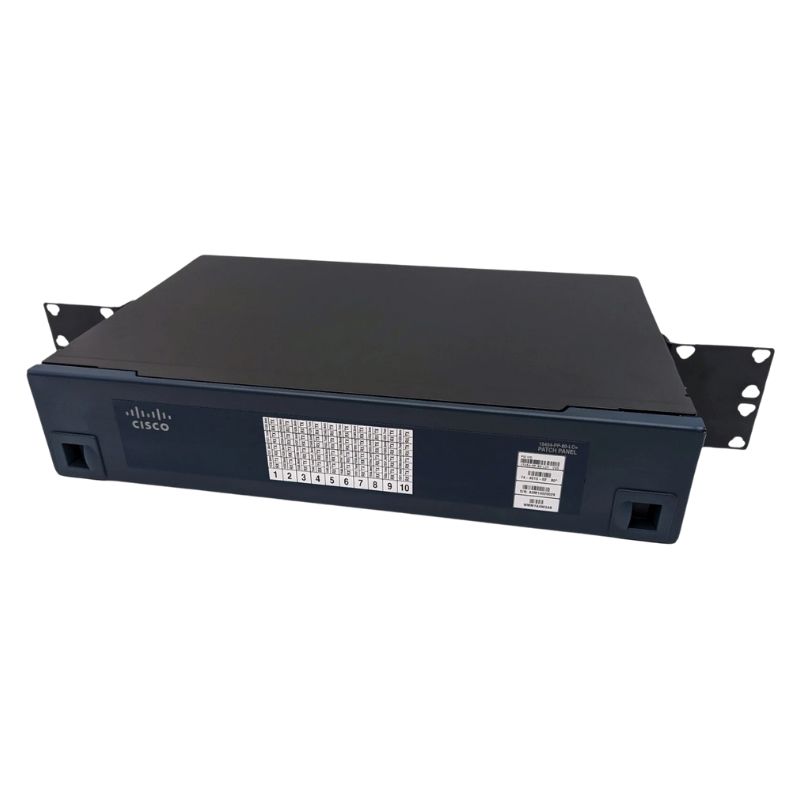


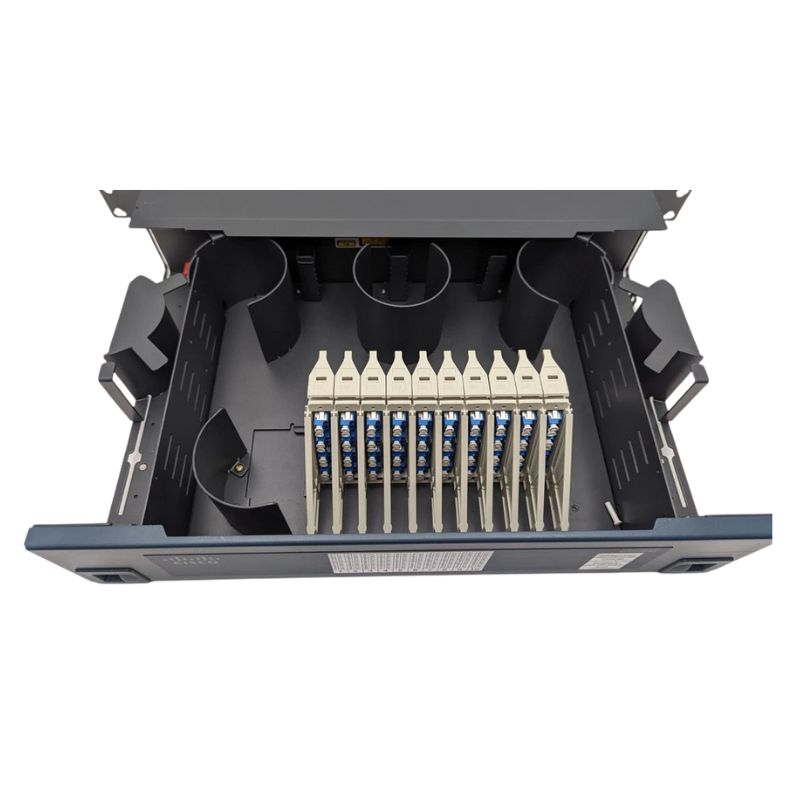
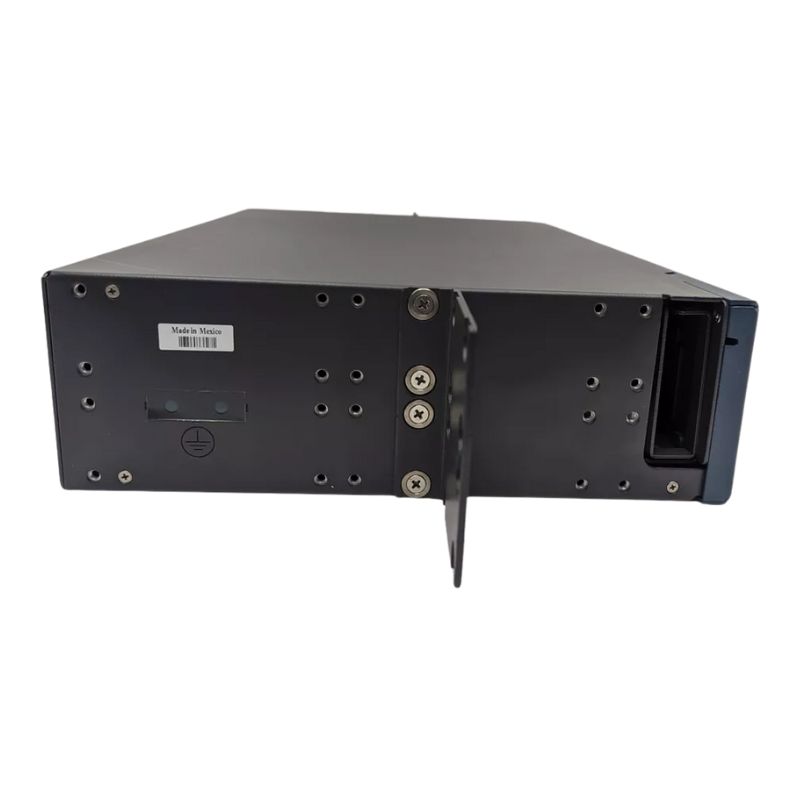
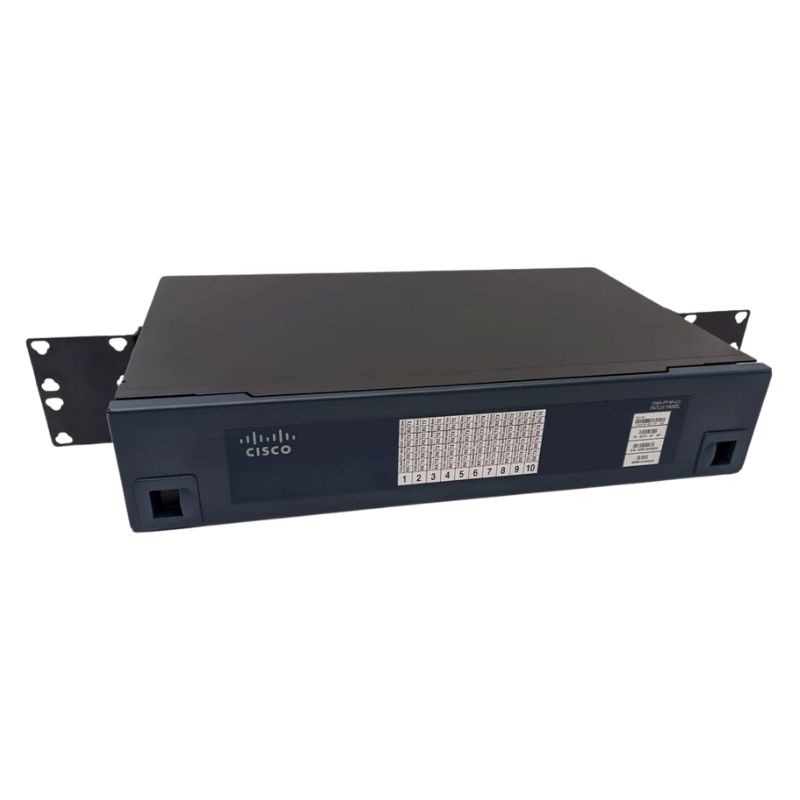
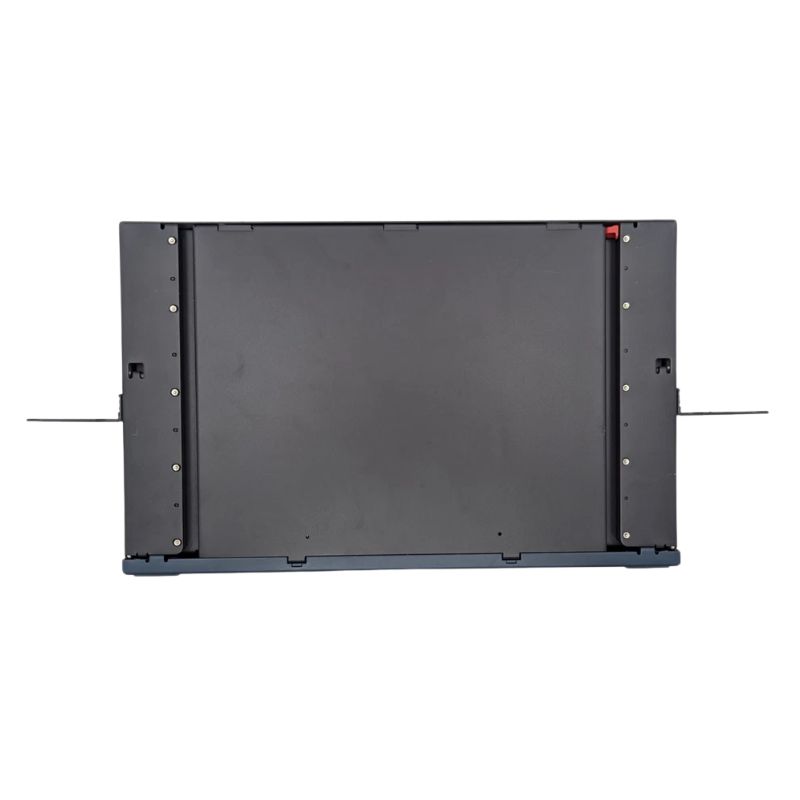
Cisco 15454-PP-MESH-8 2RU 8 Degree Mesh Patch Panel. Excellent Refurbished with 1 year replacement warranty
The Cisco 15454-PP-MESH-8 is a high-performance mesh patch panel designed for advanced optical transport and dense wavelength routing environments. This module supports scalable optical cross-connect functionality within modern ROADM (Reconfigurable Optical Add-Drop Multiplexer) architectures, enabling efficient multi-directional signal distribution in carrier-grade fiber networks.
The Cisco 15454-PP-MESH-8 2RU 8 Degree Mesh Patch Panel represents a highly specialized optical networking component engineered for dense wavelength division multiplexing (DWDM) and optical mesh transport architectures. Developed within the advanced optical portfolio of this patch panel is designed to support high-capacity carrier-grade optical infrastructures where signal routing flexibility, physical layer organization, and minimal signal degradation are essential. It is commonly deployed in metro, long-haul, and regional optical transport networks where multi-degree mesh routing is required.
As optical networks evolve toward higher bandwidth demands and dynamic routing capabilities, mesh-based architectures have become increasingly important. The Cisco 15454-PP-MESH-8 fits into this evolution by providing an 8-degree optical patching interface in a compact 2RU chassis format. This enables network operators to efficiently manage fiber interconnectivity between multiple optical nodes while maintaining scalability and structured cable management.
In modern telecommunications environments, optical signals often traverse multiple nodes before reaching their final destination. Each node in a mesh architecture requires a reliable method of fiber interconnection. The 2RU mesh patch panel form factor is optimized to maximize port density while minimizing rack space usage. The Cisco 15454-PP-MESH-8 plays a central role in ensuring that optical pathways remain organized, low-loss, and easily configurable.
Mesh patch panels allow operators to establish controlled signal paths between optical add-drop multiplexers, transponders, and switching fabrics. The 8-degree structure refers to its ability to support eight directional optical routing paths, making it suitable for complex mesh topologies where multiple fiber routes converge or diverge at a single node.
The Cisco mesh patch panel is commonly integrated into optical transport systems such as the Cisco ONS and Cisco 15454 platforms. Within these systems, it acts as a passive optical interconnect layer, bridging active optical components without introducing electronic conversion. This passive nature is essential for preserving signal integrity across long distances.
Because it operates at the physical layer, the patch panel does not process or modify data signals. Instead, it provides structured fiber routing paths that maintain low attenuation and high reliability. This makes it a foundational component in carrier-grade networks where uptime and signal clarity are critical performance metrics.
The 2RU (two rack unit) design of the Cisco 15454-PP-MESH-8 is engineered to balance high-density connectivity with efficient rack utilization. In large-scale telecom data centers, rack space is a premium resource. By consolidating multiple optical interconnect paths into a compact footprint, this patch panel enables service providers to scale infrastructure without excessive physical expansion.
The mechanical structure is designed for stability under high cable load conditions. Fiber optic cables, especially in dense deployments, can create significant physical strain. The chassis is reinforced to maintain alignment and structural integrity even when fully populated with fiber connections.
The defining feature of this patch panel is its 8-degree mesh connectivity capability. This refers to the system’s ability to support eight directional fiber routing domains within a single chassis. In optical mesh networks, each degree represents a potential directional path between nodes, allowing traffic to be dynamically routed across multiple pathways for redundancy and load balancing.
The 8-degree configuration enhances network resilience by enabling multiple failover paths. If one fiber route becomes impaired, traffic can be rerouted through alternate optical paths without requiring physical reconfiguration of the network infrastructure. This is a critical advantage in mission-critical telecom environments.
As a passive optical device, the Cisco 15454-PP-MESH-8 does not require external power. This reduces operational overhead and increases reliability by eliminating electronic failure points. The internal structure is designed with precision fiber routing guides that ensure minimal signal loss and reduced back reflection.
The use of high-quality optical materials ensures compatibility with single-mode fiber standards typically used in long-haul and metro networks. The internal routing architecture is optimized to preserve signal integrity across multiple patching points.
In metro optical environments, where multiple city nodes must be interconnected, the Cisco 15454-PP-MESH-8 provides a structured method for managing fiber interconnects. Metro networks require frequent reconfiguration to accommodate changing traffic patterns, and mesh patch panels enable this flexibility without disrupting live services.
The 8-degree mesh capability allows telecom operators to design resilient metropolitan ring and mesh hybrid architectures. These configurations improve service availability while reducing latency across urban fiber backbones.
Long-haul optical networks require extremely low signal degradation over extended distances. The patch panel supports these environments by ensuring that fiber transitions between optical amplifiers, regenerators, and transport nodes remain clean and organized. Each patch connection is designed to minimize insertion loss, which is critical in long-distance optical transmission.
In such deployments, redundancy is essential. The mesh structure allows multiple long-haul routes to be interconnected at strategic points, enabling automatic rerouting in case of fiber cuts or degradation.
Large telecommunications carriers rely on highly redundant backbone infrastructures. The Cisco 15454-PP-MESH-8 is frequently deployed in these environments to provide a centralized optical interconnect hub. Its structured design simplifies network operations and reduces complexity in fiber management.
By consolidating multiple directional routes into a single managed enclosure, operators gain improved visibility into fiber pathways, making troubleshooting and maintenance more efficient.
Signal integrity is one of the most critical factors in optical networking. The Cisco 15454-PP-MESH-8 is engineered to maintain low insertion loss across all patching interfaces. This ensures that optical signals retain sufficient power levels even after traversing multiple interconnection points.
Careful alignment of fiber connectors within the panel reduces micro-bending and reflection losses. This is essential for high-speed DWDM systems where even minor signal degradation can impact channel performance.
The patch panel supports standardized optical connector interfaces commonly used in carrier networks. This ensures interoperability with existing Cisco optical transport modules and third-party fiber systems. Standardization simplifies deployment and reduces integration complexity across multi-vendor environments.
Proper connector alignment and cleaning procedures are critical to maintaining performance. The design of the panel supports structured access for maintenance operations without disturbing adjacent fiber routes.
Efficient cable routing within the panel reduces physical stress on fiber strands and improves long-term reliability. The internal layout is designed to guide fibers along controlled pathways that minimize sharp bends and unnecessary tension.
This structured routing approach not only enhances performance but also simplifies future upgrades and expansions. Technicians can trace and modify fiber paths with greater accuracy, reducing downtime during maintenance windows.
As optical networks expand, scalability becomes a key requirement. The Cisco 15454-PP-MESH-8 supports incremental growth by allowing additional fiber routes to be integrated into existing infrastructure without major redesign. This makes it suitable for evolving carrier networks that must adapt to increasing bandwidth demands.
The modular nature of mesh patch panels enables operators to scale capacity horizontally by adding additional panels within the same rack system or vertically by integrating new transport nodes.
Investing in mesh-based patch panel architecture provides long-term benefits for network operators. As demand for higher-speed services increases, such as 100G, 400G, and beyond, the underlying physical layer must support higher optical densities. The Cisco 15454-PP-MESH-8 is designed to accommodate these evolving requirements without requiring complete infrastructure replacement.
This future-proofing capability is particularly valuable in environments where downtime and physical upgrades are costly and disruptive.
One of the key advantages of structured mesh patch panels is improved troubleshooting efficiency. Technicians can quickly identify and isolate fiber paths due to the organized layout of the patch panel. This reduces mean time to repair and enhances overall network reliability.
Clear separation of directional fiber paths ensures that diagnostic procedures can be conducted with minimal disruption to active services.
Because the patch panel enables non-intrusive reconfiguration of optical paths, network downtime is significantly reduced. Operators can reroute traffic or replace fiber connections without interrupting the entire system. This is essential in carrier environments where service continuity is critical.
The passive design further enhances uptime by eliminating electronic failure points that would otherwise require active component replacement.
The Cisco 15454-PP-MESH-8 contributes to sustainable network design by extending the lifecycle of optical infrastructure. Its durable construction reduces the need for frequent hardware replacement, while its modular design supports incremental upgrades.
This aligns with modern telecommunications sustainability goals, where minimizing electronic waste and maximizing infrastructure reuse are key priorities.


 Contact Us
 Information
 Catalog
 Solid State Drives (SSD)
 Network Switches
 Hard Disk Drives
 HBA & Controllers
 PC & Servers
 PC & Server Memory
 CPU & Processors
 Network Routers
 Power Supplies
 Tape Drives & Libraries
 Network Devices
 Computer & Network Cables