(7% discount is applied at checkout)
Cart is empty
Your go-to destination for cutting-edge server products
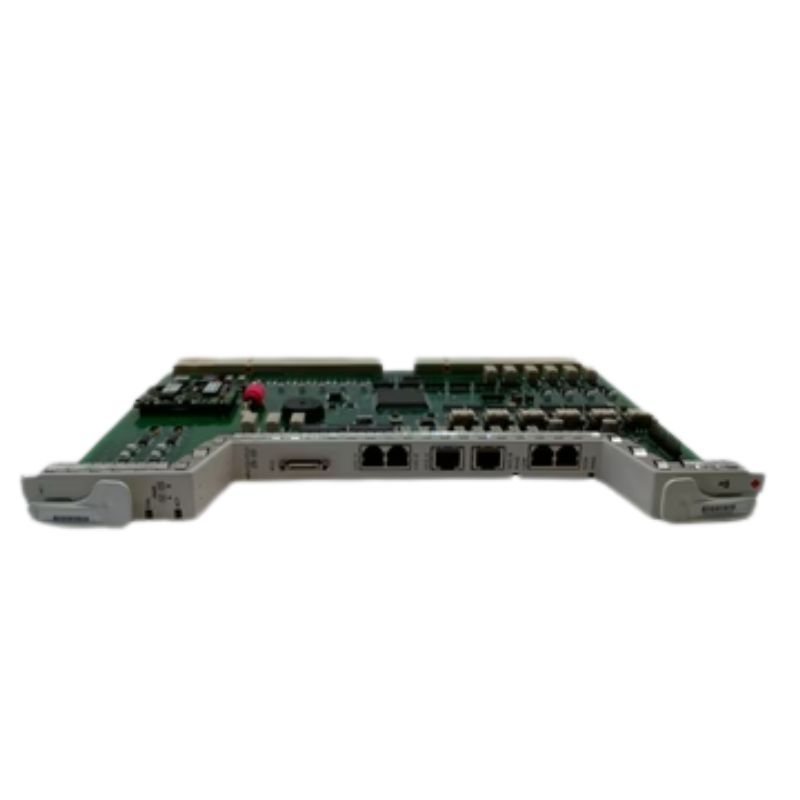


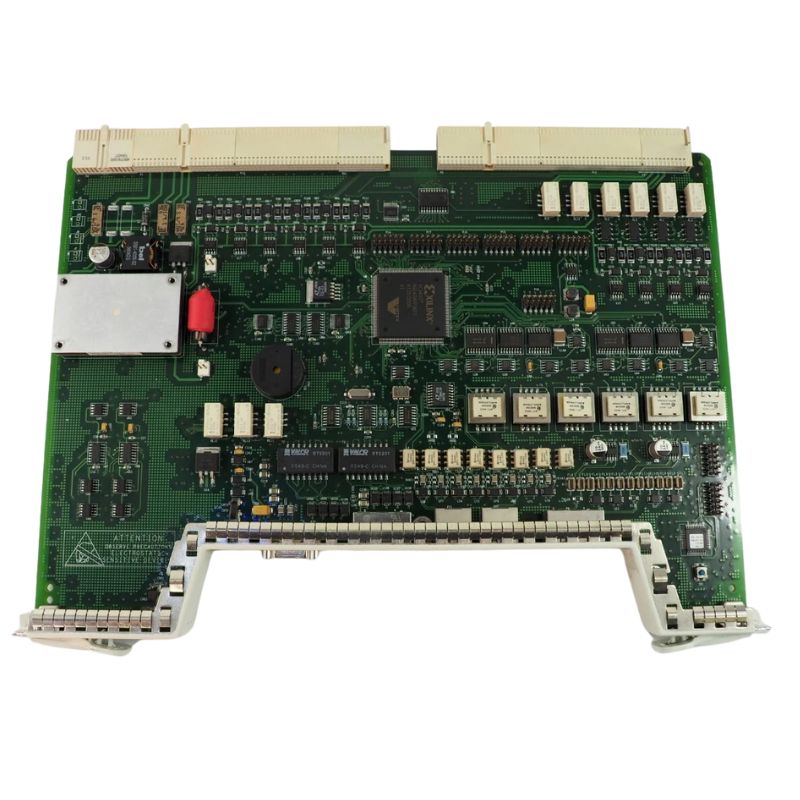
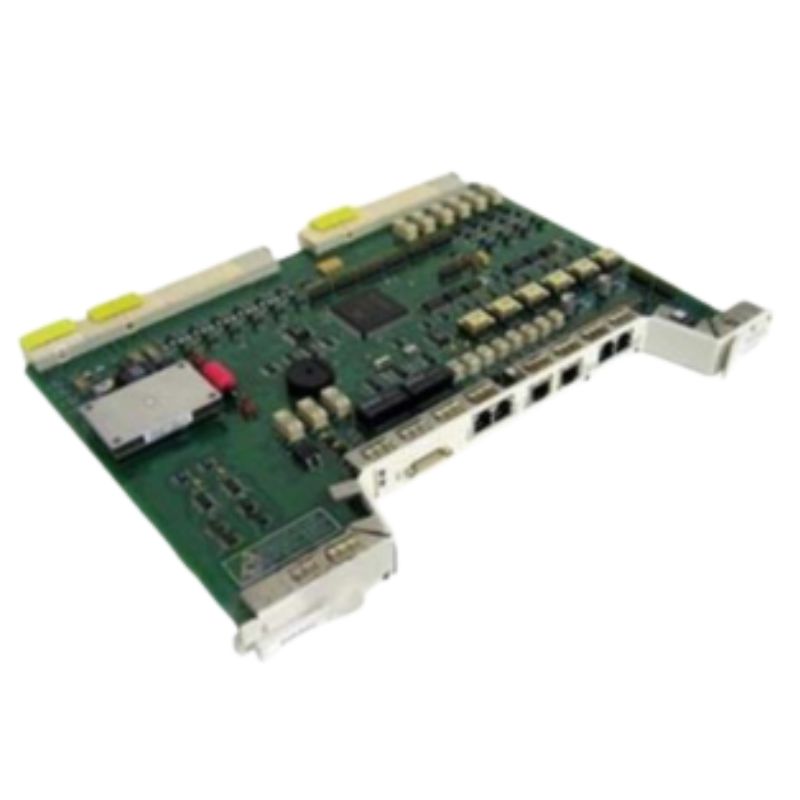
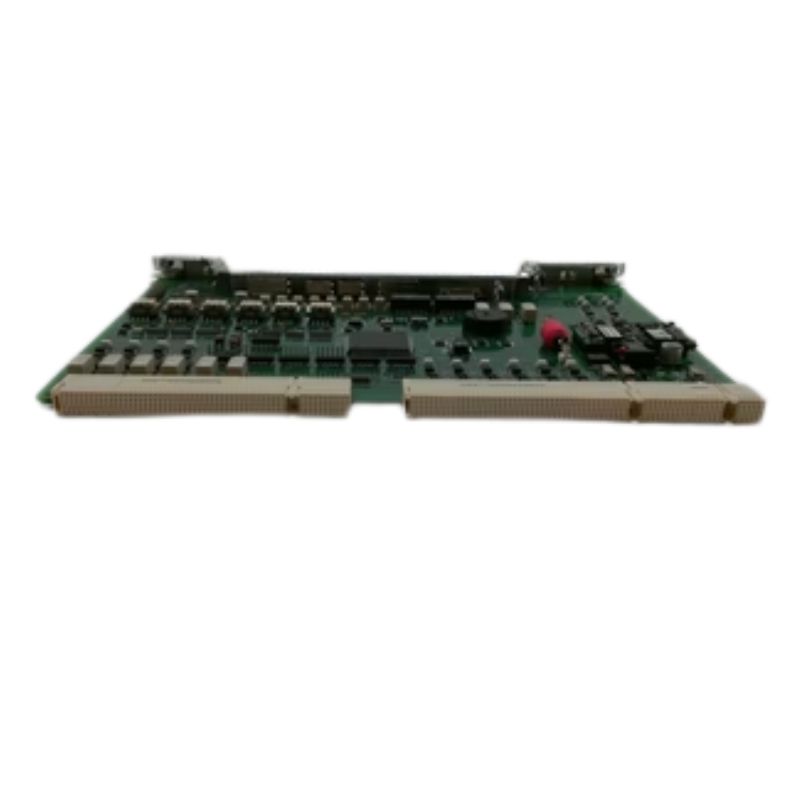
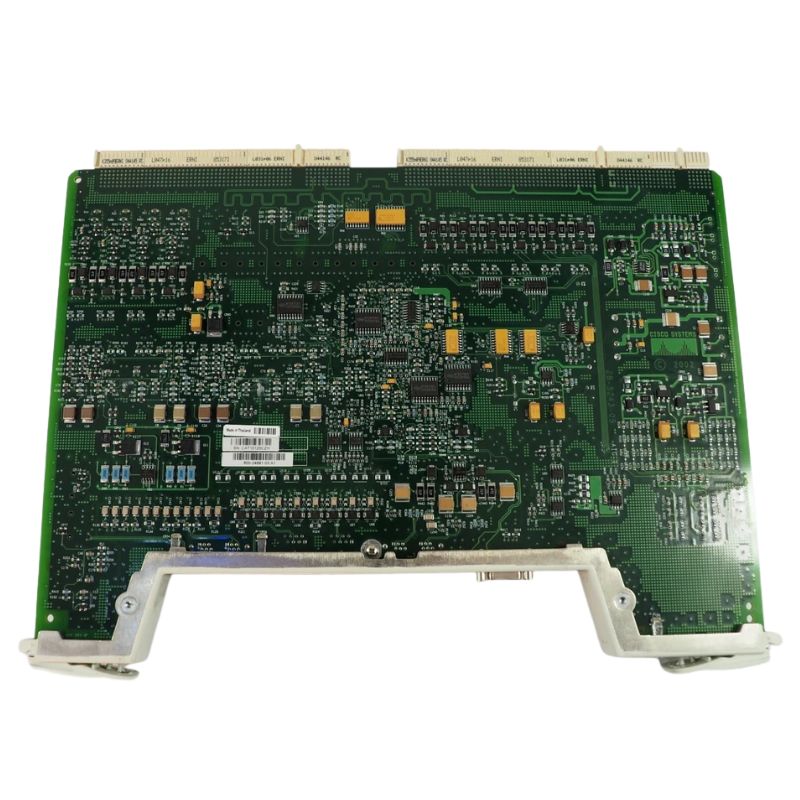
Cisco 15454E-AIC-I SDH Alarm Interconnect module. Excellent Refurbished with 1 year replacement warranty
The Cisco 15454E-AIC-I SDH Alarm Intercom Module ANSI/ETSI is a high-performance service module designed for advanced telecommunications environments. Built for reliability and seamless integration, this plug-in module supports SONET/SDH transport networks and delivers efficient alarm and intercom functionality for carrier-grade systems.
Engineered by Cisco, a global leader in networking technology, this module is widely used in optical transport systems where dependable signaling, monitoring, and communication are essential.
The Cisco 15454E-AIC-I SDH Alarm Intercom Module ANSI ETSI is a specialized telecommunications component designed for advanced optical transport systems within carrier-grade SDH (Synchronous Digital Hierarchy) environments. Its functionality is deeply embedded in mission-critical backbone networks where fault detection, alarm propagation, and system intercommunication are essential for maintaining service continuity and operational reliability.
In modern telecommunications architecture, SDH systems serve as the backbone for high-capacity, synchronized data transport. The 15454E-AIC-I module extends these capabilities by introducing alarm interconnectivity and intercom features that allow technicians and network operations centers to maintain real-time awareness of system states across multiple nodes. Its dual compatibility with ANSI and ETSI standards ensures global applicability across North American and European network deployments, making it a versatile component in multi-regional optical transport networks.
The SDH Alarm Intercom Module is primarily responsible for collecting, aggregating, and relaying alarm conditions generated within the optical transport shelf. These alarms include critical system faults, environmental alerts, power irregularities, and link degradation indicators. The module ensures that alarm signals are transmitted efficiently to network management systems, enabling rapid diagnosis and remediation.
Within large-scale SDH networks, alarm aggregation is essential to prevent operational blind spots. The Cisco 15454E-AIC-I ensures that multiple alarm sources from different optical interfaces and submodules are unified into a structured signaling framework. This reduces complexity in fault analysis and improves mean time to repair (MTTR) across telecom infrastructure.
Beyond alarm management, the intercom functionality embedded within the module supports direct communication pathways between network nodes and operational staff. This feature is particularly important in distributed telecom environments where technicians must coordinate responses across geographically dispersed facilities.
The intercom system facilitates real-time voice or signaling communication between equipment bays, allowing engineers to quickly verify system conditions without relying solely on external communication tools. This integrated communication layer enhances operational efficiency and reduces response latency during critical network events.
The Cisco 15454E-AIC-I SDH Alarm Intercom Module is engineered to support both ANSI (American National Standards Institute) and ETSI (European Telecommunications Standards Institute) frameworks. This dual compatibility ensures seamless integration into diverse telecom infrastructures across global markets.
ANSI standards are widely adopted in North American SDH and SONET-based networks, while ETSI standards govern European SDH implementations. By supporting both, the module eliminates the need for region-specific hardware variants, simplifying deployment strategies for multinational carriers.
Standardization reduces interoperability issues between network equipment from different vendors or regions. The dual-standard design of this module ensures that alarm signaling protocols and intercom communication structures remain consistent regardless of deployment location.
This consistency allows network operators to maintain unified operational procedures, reduce training complexity for technical staff, and streamline maintenance processes across international infrastructure deployments.
The Cisco ONS 15454 platform is a modular optical transport system designed for scalability and flexibility. Within this architecture, the 15454E-AIC-I module occupies a critical support role by managing alarm distribution and inter-module communication pathways.
Each shelf in the ONS 15454 system is composed of multiple functional cards responsible for switching, multiplexing, amplification, and control. The alarm intercom module ensures that these components operate cohesively by maintaining a unified signaling environment across the entire shelf.
The module interacts closely with cross-connect and network control units within the system. When a fault condition is detected, the alarm intercom module ensures that the signal is propagated to the system controller, which then determines the appropriate response action.
This interaction is crucial for maintaining network integrity, as it enables automated responses to faults such as traffic rerouting, protection switching, or service restoration procedures.
The hardware design of the module is optimized for high reliability in carrier-grade environments. It includes specialized circuitry for alarm detection, signal conditioning, and inter-shelf communication. These circuits are designed to operate under strict timing synchronization requirements typical of SDH networks.
Signal processing within the module ensures that alarm conditions are accurately classified and transmitted without latency that could impact network operations. The design emphasizes redundancy and fault tolerance to prevent single points of failure.
The module connects directly to the ONS 15454 backplane, which serves as the central communication and power distribution medium for all installed cards. Through this backplane, the alarm intercom module exchanges signaling data with other system components.
This architecture allows for scalable expansion of the optical transport system while maintaining consistent alarm and communication functionality across all installed modules.
Reliability is a fundamental requirement in telecom infrastructure, and the SDH Alarm Intercom Module plays a direct role in ensuring uninterrupted service delivery. By providing immediate visibility into system faults, it enables proactive network maintenance strategies.
Operators rely on the module’s alarm signaling capabilities to identify degradation patterns before they escalate into full system failures. This predictive capability is essential in minimizing downtime and maintaining service level agreements (SLAs).
Carrier-grade networks require extremely high levels of availability, often exceeding 99.999 percent uptime. The integration of alarm intercom systems within optical transport shelves ensures that any deviation from normal operating conditions is instantly communicated to monitoring systems.
This rapid detection and communication framework supports automated assurance systems that can trigger corrective actions without manual intervention, thereby enhancing overall service reliability.
In core backbone deployments, the module supports large-scale SDH transport systems that interconnect metropolitan and long-haul networks. Its alarm and intercom capabilities ensure that faults within any segment of the backbone are quickly identified and isolated.
Within metropolitan area networks, the module helps coordinate multiple aggregation nodes, ensuring consistent alarm propagation across densely interconnected optical systems. This is particularly important in urban environments where network complexity is significantly higher.
The module also plays a role in carrier interconnect scenarios where multiple service providers exchange traffic. Its standardized alarm signaling ensures that inter-domain faults can be detected and managed efficiently across organizational boundaries.
One of the key advantages of the Cisco ONS 15454 platform is its modularity. The alarm intercom module contributes to this scalability by ensuring that additional system cards can be integrated without disrupting existing alarm communication structures.
As optical transport technologies evolve toward higher capacity and packet-based systems, legacy SDH components continue to play a role in hybrid network environments. The 15454E-AIC-I module ensures that SDH-based alarm systems remain functional even as networks transition to next-generation architectures.
The module is engineered with redundancy principles that ensure continuous operation even in the event of partial system failure. This includes redundant signaling paths and robust error detection mechanisms.
Carrier environments often expose equipment to temperature fluctuations, vibration, and electromagnetic interference. The module is designed to withstand such conditions while maintaining consistent performance levels.


 Contact Us
 Information
 Catalog
 Solid State Drives (SSD)
 Network Switches
 Hard Disk Drives
 HBA & Controllers
 PC & Servers
 PC & Server Memory
 CPU & Processors
 Network Routers
 Power Supplies
 Tape Drives & Libraries
 Network Devices
 Computer & Network Cables