(7% discount is applied at checkout)
Cart is empty
Your go-to destination for cutting-edge server products
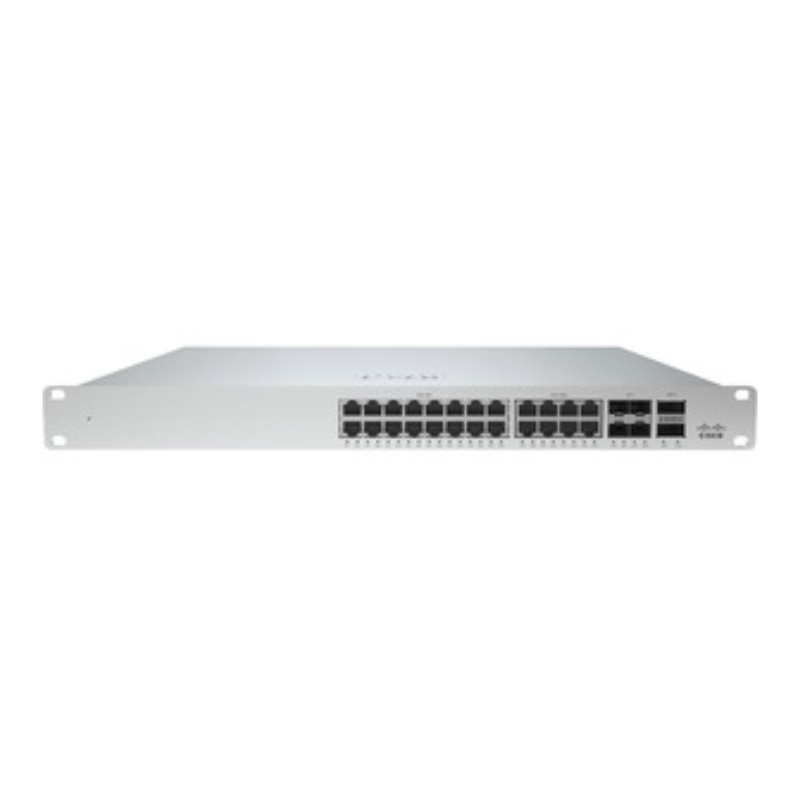


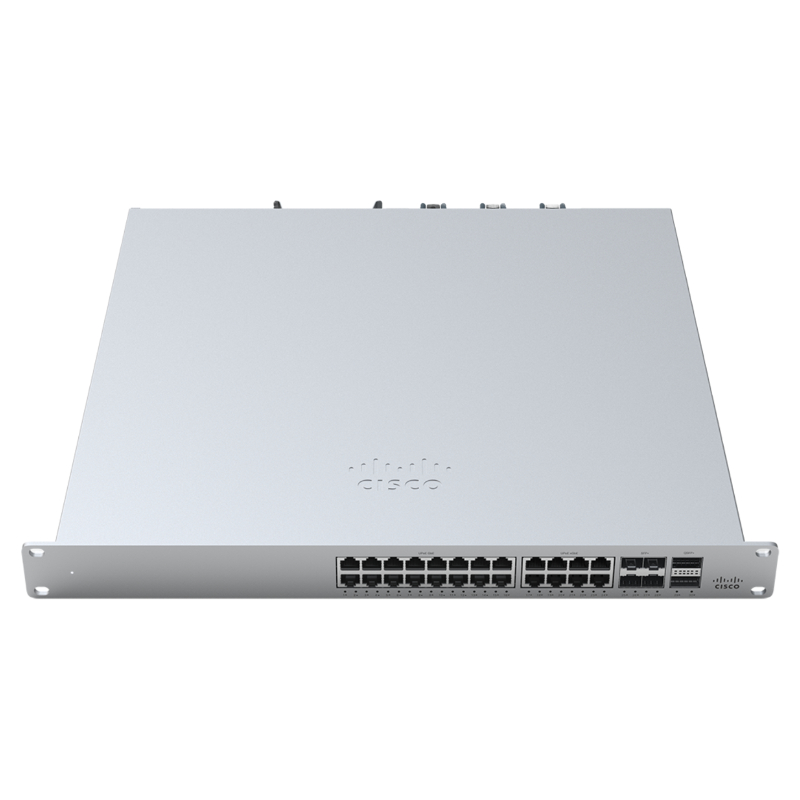
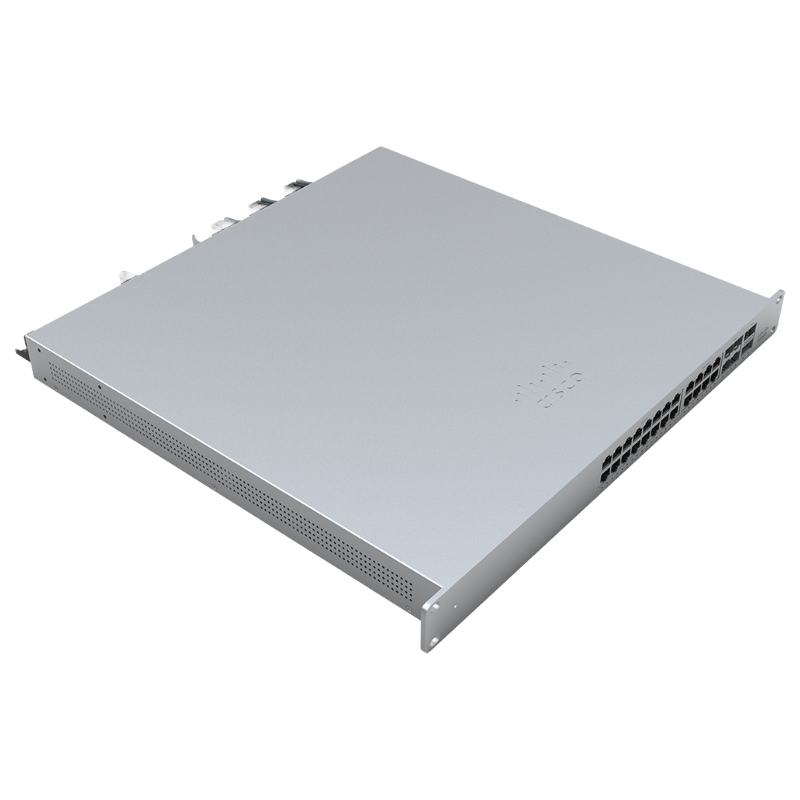
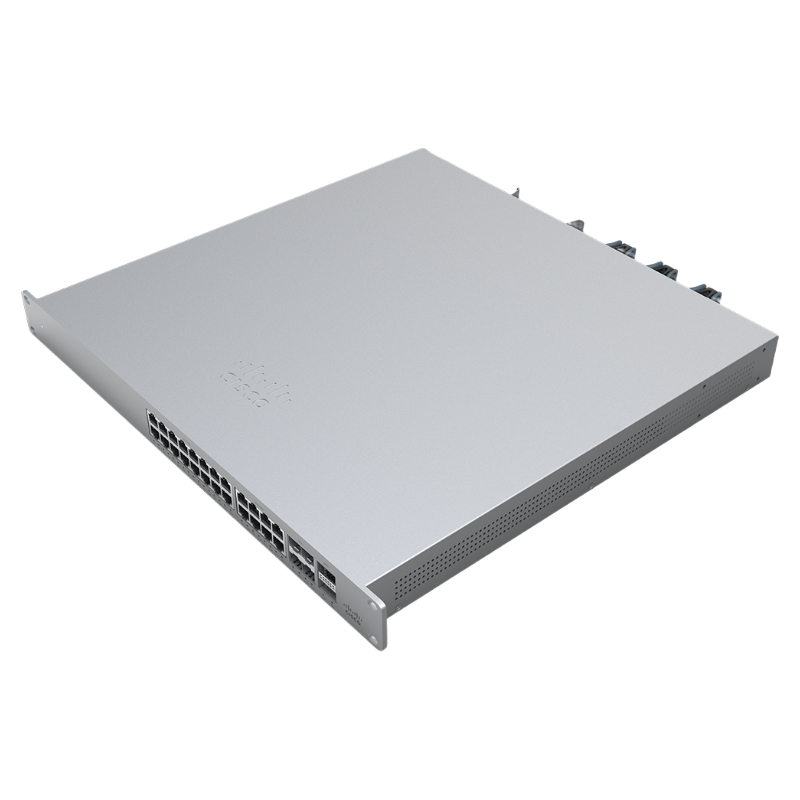
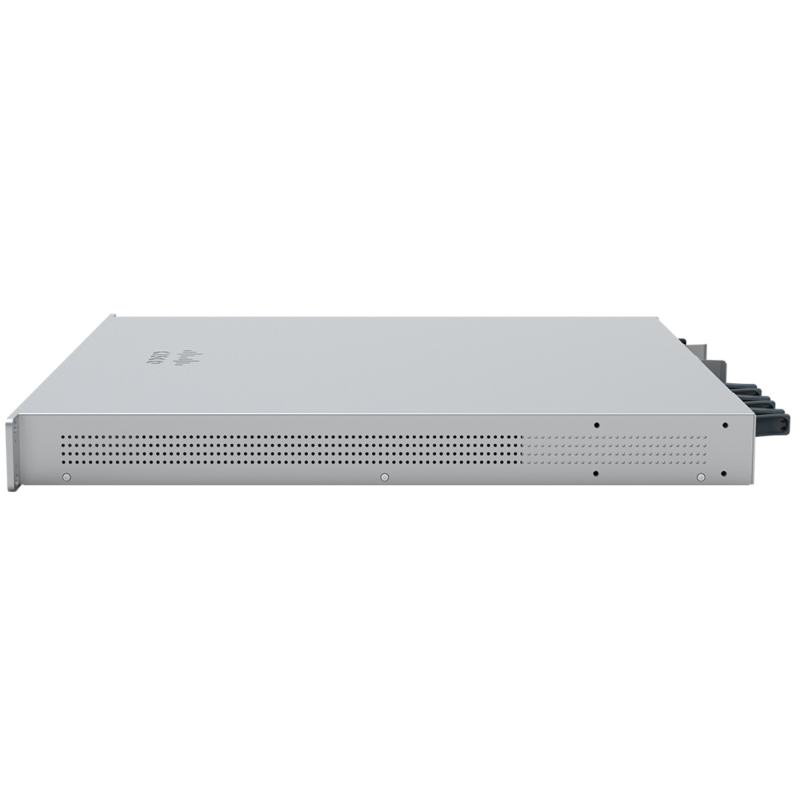
Cisco MS355-24X-HW Meraki Layer 3 Managed Switch 24 Ports. Excellent Refurbished with 1 year replacement warranty
| SKU/MPN | Warranty | Price | Condition | You save |
|---|---|---|---|---|
| MS355-24X-HW | 1 Year Warranty | $1,833.00 | New Sealed in Box (NIB) | You save: $641.55 (26%) |
| MS355-24X-HW | 1 Year Warranty | $997.00 | Excellent Refurbished | You save: $348.95 (26%) |
The Cisco MS355-24X-HW is a high-performance Layer 3 managed switch, designed for enterprise-grade networking. This 24-port solution combines flexibility, advanced features, and stackable architecture for seamless network expansion and management.
The Cisco MS355-24X-HW Meraki Layer 3 Managed Switch with 24 ports represents one of Cisco’s most capable and flexible access layer switches in the Meraki MS355 family. Designed for modern enterprise campus networks, branch locations, data‑intensive sites, and environments requiring high performance and scalable switching infrastructure, this category of network switch combines Cisco’s industry‑proven hardware with Meraki’s cloud‑managed simplicity and powerful Layer 3 routing capabilities. With a comprehensive feature set delivered through an intuitive cloud dashboard and robust hardware architecture, the MS355‑24X‑HW facilitates seamless network management, advanced security policy enforcement, and versatile connectivity for a wide range of network topologies and workloads. The switch’s blend of high‑density multi‑gigabit ports, powerful uplinks, strong throughput, and Layer 3 services makes it an optimal core or aggregation switch choice in enterprise and business networks seeking a balance of performance and manageability.
At the core of the MS355‑24X‑HW lies a robust hardware platform that supports 24 network ports with a flexible mix of standard Gigabit and multi‑gigabit connections. The architecture comprises 16 Gigabit Ethernet copper RJ45 ports and eight multi‑gigabit RJ45 ports that support speeds from 100 Mbps up to 10 Gbps. This multi‑gigabit capability enables network administrators to connect high‑performance devices such as Wi‑Fi 6 access points, servers, workstations, and storage appliances over a single consolidated switch platform.
In addition to edge connections, this switch includes uplink interfaces that provide high‑capacity connections to aggregation or core layers. These uplinks are offered through 40G QSFP+ or 10G SFP+ modules, while dedicated 100G QSFP28 stacking ports allow the creation of a unified, large‑scale logical switch fabric through physical stacking with up to eight MS355 switches. The stacking bandwidth of up to 400 Gbps provides the performance headroom required in larger deployments.
The MS355‑24X‑HW delivers impressive switching performance, with a switching capacity of around 352 Gbps and forwarding rates designed to support heavy workload demands and high‑speed connectivity. The forwarding rate enables the switch to process millions of packets per second (Mpps), ensuring that data travels through the network quickly and efficiently. The large MAC address table and support for jumbo frames enhance throughput and network efficiency in large‑scale enterprise environments, particularly where virtualization, storage traffic, and multicast applications are prevalent.
A cornerstone of Cisco Meraki switching is the Meraki Dashboard, a cloud‑based centralized interface that provides administrators with unprecedented visibility, control, and analytics over their network infrastructure. Rather than relying on traditional command‑line interfaces (CLI), the MS355‑24X‑HW is configured and managed via a graphical, browser‑based dashboard. The cloud management model enables zero‑touch provisioning, detailed historical per‑port usage statistics, automatic firmware upgrades, and remote diagnostics tools such as packet capture. This approach minimizes onsite configuration effort and simplifies rolling out network changes across distributed locations.
From the dashboard, administrators can monitor real‑time and historical network performance, view connected devices with detailed fingerprints, and set up alerts for events such as power loss, configuration changes, or security incidents. Integration with Meraki’s broader portfolio, including wireless access points, security appliances, and endpoint management tools, offers a unified network management experience that supports consistent policy enforcement and detailed reporting across the entire infrastructure.
While Layer 2 switching handles traffic within the same subnet, the MS355‑24X‑HW extends network capabilities with full Layer 3 routing functions that facilitate communication between different subnets, virtual LANs (VLANs), and network segments. Layer 3 features such as static routing, Open Shortest Path First (OSPF), warm standby redundancy (VRRP), DHCP relay, and DHCP server functions empower network architects to design complex, segmented networks that optimize performance, security, and resilience.
Support for dynamic routing protocols enables the switch to adapt to network changes automatically, improving route convergence and network fault tolerance. Meanwhile, advanced services like multicast routing support efficient distribution of multimedia and broadcast traffic, which is vital for services such as video conferencing and digital signage applications.
The Meraki MS355‑24X‑HW delivers a comprehensive suite of security features that help protect network resources and maintain robust defenses against unauthorized access and attacks. The switch supports IEEE 802.1X authentication, enabling port‑based access control and integration with RADIUS servers for centralized user authentication. Access Control Lists (ACLs) for both IPv4 and IPv6 provide granular control over traffic flows, allowing administrators to implement policies that restrict or permit traffic based on source, destination, or service type.
Dynamic ARP inspection, DHCP snooping, and other security mechanisms mitigate common network vulnerabilities such as ARP spoofing and rogue DHCP servers. VLAN tagging and segmentation help isolate traffic to meet compliance and performance requirements. Broadcast storm control and spanning tree enhancements further safeguard network integrity, especially in environments with complex topology and redundant paths.
Effective traffic management is essential in modern networks that carry converged voice, video, and data. The MS355‑24X‑HW supports configurable Quality of Service (QoS) queues that prioritize critical traffic, ensuring that latency‑sensitive applications like VoIP phones and video conferencing maintain performance even under congestion. The switch’s QoS capabilities allow administrators to map differentiated services code point (DSCP) values to class of service (CoS) queues, aligning network behavior with organizational traffic‑handling policies.
Link Aggregation Control Protocol (LACP) support enables the grouping of multiple physical interfaces into logical links, increasing aggregate bandwidth, improving redundancy, and balancing traffic loads across multiple connections. This enhances network performance for high‑throughput applications and enables more resilient network topologies.
Built with enterprise reliability in mind, the MS355‑24X‑HW supports hot‑swappable power supplies and field replaceable fans. These features enable maintenance and component replacement without disrupting network services, a critical advantage in 24/7 operational environments. Dual power supply support ensures that the switch remains resilient against power failures, strengthening overall network uptime.
Although some models in the MS355 family offer Power over Ethernet (PoE) and Universal Power over Ethernet (UPoE), the MS355‑24X‑HW’s power delivery characteristics can vary depending on configuration and licensing. When PoE or UPoE capabilities are used, intelligent power allocation adapts to connected devices’ requirements, optimizing energy use while ensuring adequate power for high‑demand endpoints such as VoIP phones, wireless access points, and security cameras.
One of the key strengths of this category of Meraki switches is scalability. Virtual stacking allows administrators to logically group multiple switches across different sites or physical locations and manage them as a single entity through the Meraki dashboard. This reduces the complexity of managing individual devices and enables consistent configuration policies across a broad footprint of network infrastructure.
Physical stacking enhances performance and resiliency by enabling up to eight MS355 switches to function as a single switching unit with high stacking bandwidth. This capability simplifies large‑scale deployments, where maintaining consistent performance and redundancy is essential.
The MS355‑24X‑HW is particularly well‑suited for campus edge switching where high‑density connections are required. Enterprises with heavy Wi‑Fi deployments benefit from the multi‑gigabit ports that support modern access points with 802.11ax (Wi‑Fi 6) technology and beyond. Its Layer 3 services make it equally apt for smaller core roles in branch offices or distributed campus networks where routed traffic flows between subnets or departments.
Data centers and server connectivity scenarios also leverage the strong uplink capacity and aggregation features of this switch. Its ability to handle diverse traffic, coupled with cloud management and security policy controls, makes it a compelling choice for organizations needing both performance and operational agility.
As part of the broader Cisco Meraki ecosystem, the MS355‑24X‑HW integrates seamlessly with other Meraki products such as wireless access points, security appliances, and the Meraki Insight analytics tool. This ecosystem approach provides unified visibility across wired and wireless networks, enabling consistent policy enforcement, network access control, and comprehensive monitoring from a single management plane.
Integration with Cisco’s enterprise solutions also enables advanced network services such as automated VLAN propagation, adaptive policy enforcement, and secure access edge (SASE) strategies when combined with Meraki MX security appliances and Cisco Umbrella cloud security services.
When deploying MS355‑24X‑HW switches, careful planning of cabling and port utilization enhances network performance and reliability. For environments leveraging multi‑gigabit speeds, using appropriate cabling standards such as Cat6A or higher helps ensure stable 10GLink speeds and minimizes issues related to alien crosstalk and signal degradation.
Regular monitoring via the Meraki dashboard, scheduling firmware updates during maintenance windows, and configuring alerts for threshold breaches are essential practices for maintaining optimal network performance. Virtual stacking configuration and uniform security policy deployment streamline large‑scale rollouts and reduce administrative overhead.


 Contact Us
 Information
 Catalog
 Solid State Drives (SSD)
 Network Switches
 Hard Disk Drives
 HBA & Controllers
 PC & Servers
 PC & Server Memory
 CPU & Processors
 Network Routers
 Power Supplies
 Tape Drives & Libraries
 Network Devices
 Computer & Network Cables