(7% discount is applied at checkout)
Cart is empty
Your go-to destination for cutting-edge server products
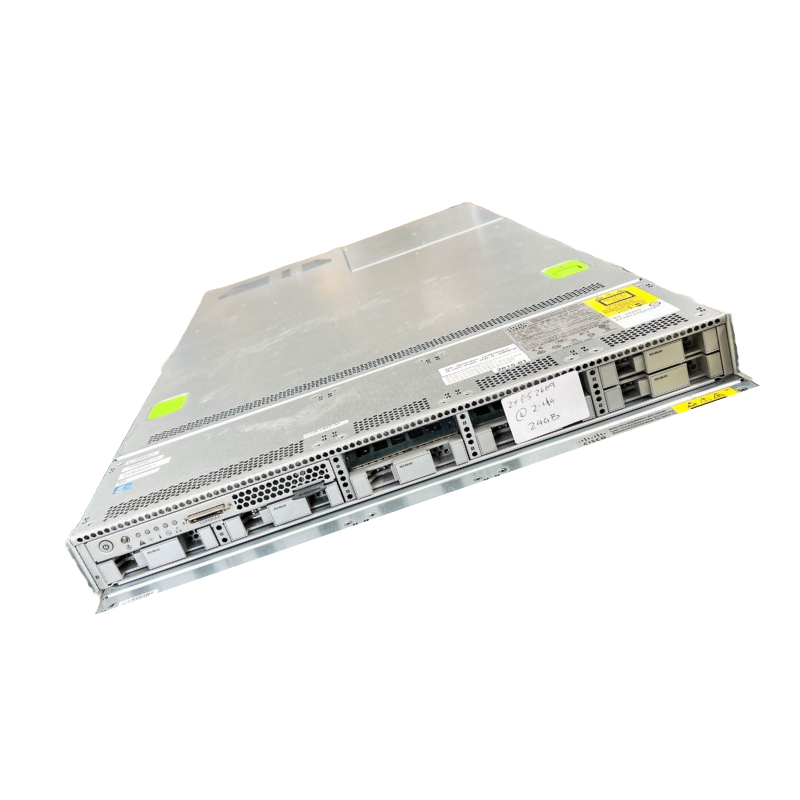


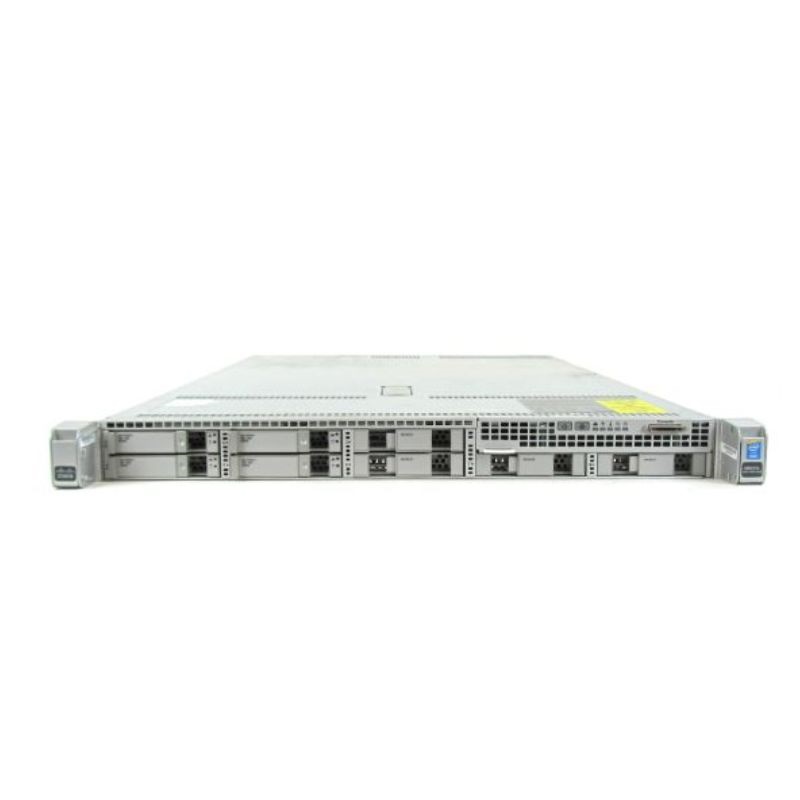
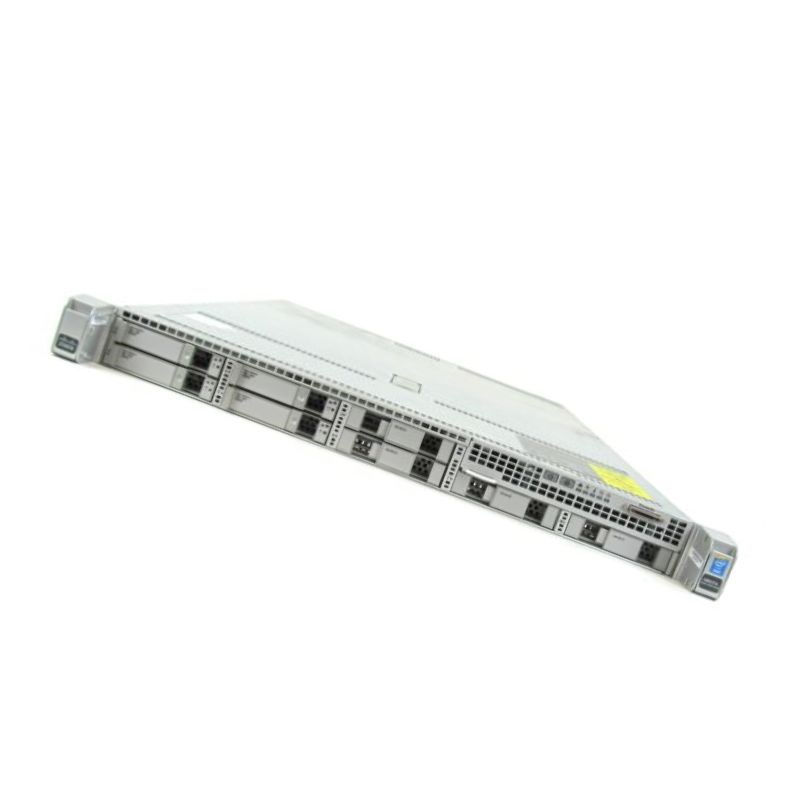
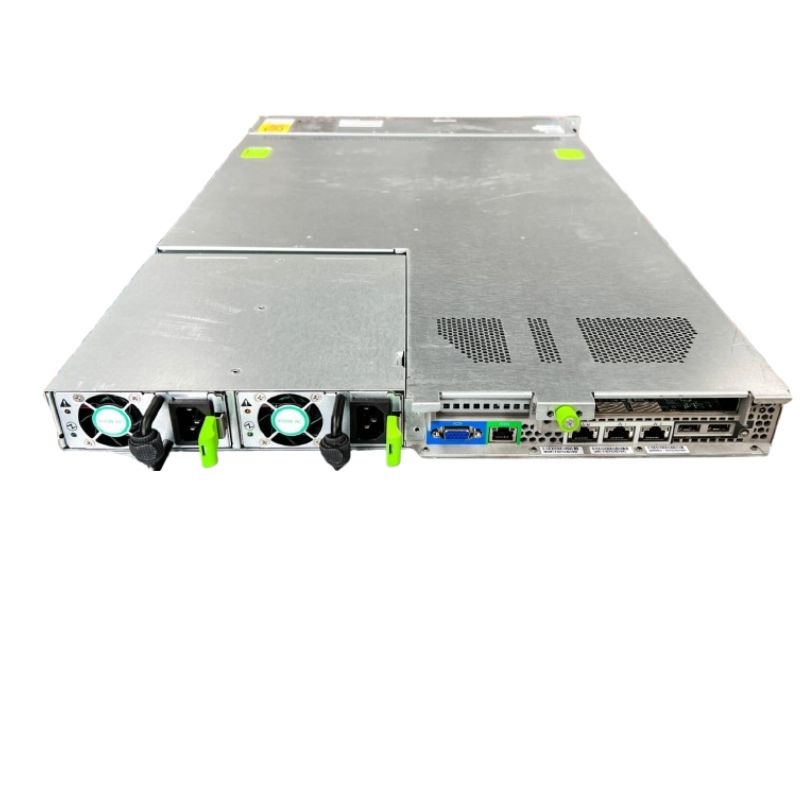
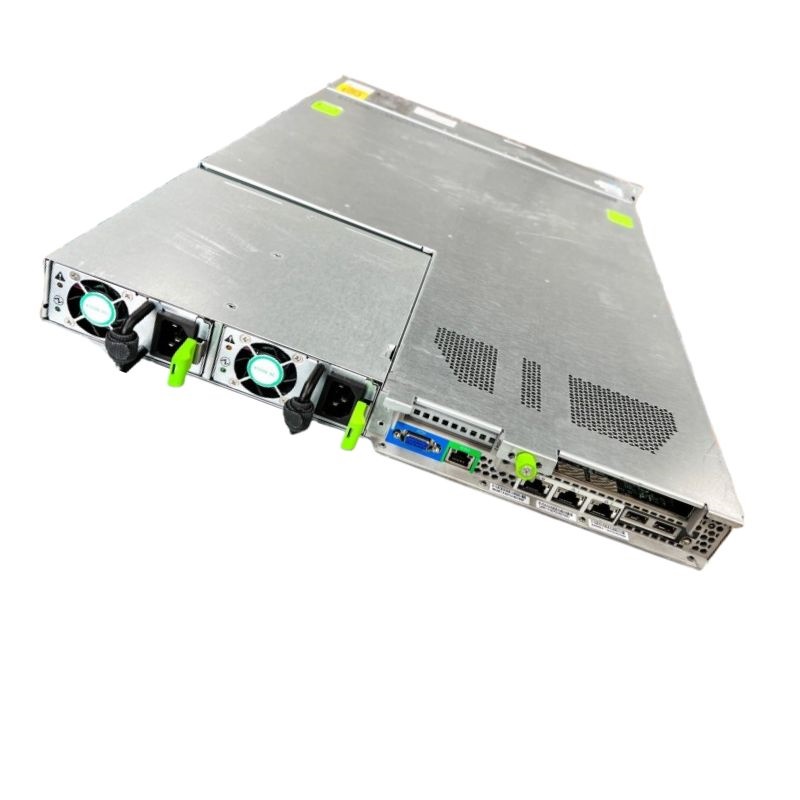
Cisco VTS-LSVR-M3 400 Volt Multiparty Media. Factory-Sealed New in Original Box (FSB) with 1 year replacement warranty
The Cisco VTS-LSVR-M3 is a robust multiparty media server designed for enterprise-grade networking and communication workloads. Built under the Cisco Multiparty Media product line, this 400V system delivers scalable performance, reliability, and efficient virtualization support for demanding infrastructures.
The Cisco VTS-LSVR-M3 400 Volt Multiparty Media category represents a specialized class of high-capacity, carrier-grade media processing and virtualization infrastructure designed for advanced multiparty communication environments. This category is commonly associated with large-scale unified communications deployments, cloud-based conferencing architectures, and high-density multimedia processing systems where reliability, voltage stability, and scalable session handling are essential. Built for enterprise and service provider ecosystems, it enables seamless orchestration of voice, video, and collaborative media streams across distributed networks with strict performance and uptime requirements.
Within modern communication infrastructures, the Cisco VTS-LSVR-M3 400 Volt Multiparty Media class serves as a foundational processing layer that supports multi-session media aggregation and distribution. It is typically deployed in environments requiring simultaneous handling of thousands of media streams, including high-definition video conferencing, virtual collaboration platforms, and real-time broadcast bridging systems. The architecture emphasizes modular scalability, allowing network operators to expand capacity without disrupting existing workloads or degrading service quality.
The high-density media processing framework associated with this category is engineered to manage concurrent encoding, decoding, mixing, and transcoding tasks. These operations are essential in multiparty communication scenarios where multiple participants join from heterogeneous devices and networks. The system ensures uniform media quality by dynamically adjusting bitrate, resolution, and transport protocols, maintaining optimal user experience even under variable network conditions.
A critical component of the architecture is the real-time stream orchestration layer, which coordinates media flow between endpoints, virtual servers, and distributed cloud nodes. This layer ensures that latency is minimized while maintaining synchronization across audio and video channels. It plays a vital role in preventing packet loss, jitter, and desynchronization during high-volume conferencing sessions.
The 400 Volt classification within the Cisco VTS-LSVR-M3 multiparty media category highlights its suitability for high-efficiency data center environments. Operating at this voltage level allows for improved power distribution efficiency, reduced current load, and enhanced thermal management in dense server racks. This is particularly important for large-scale deployments where energy consumption and cooling costs must be carefully optimized.
Energy optimization mechanisms integrated into this category include adaptive power scaling, intelligent load balancing, and dynamic resource allocation. These mechanisms ensure that processing units only consume energy proportional to active workloads. As a result, idle or underutilized components enter low-power states without affecting system responsiveness or media processing continuity.
Thermal management is a key consideration in 400 Volt multiparty media environments. The Cisco VTS-LSVR-M3 architecture is typically designed to integrate with advanced cooling systems, including hot aisle containment, liquid-assisted cooling, and precision airflow control. These technologies help maintain stable operating temperatures even under sustained high-load conferencing conditions.
Multiparty media processing is the core functionality of this category, enabling simultaneous participation of multiple endpoints in unified communication sessions. The system is optimized for conferencing, live event broadcasting, interactive training environments, and collaborative enterprise applications where real-time interaction is required across geographically distributed users.
Video conferencing optimization within the Cisco VTS-LSVR-M3 category involves advanced video compositing, layout management, and adaptive streaming techniques. The system can dynamically adjust participant grid layouts, prioritize active speakers, and manage bandwidth allocation based on network conditions. This ensures a consistent and professional communication experience across all endpoints.
Adaptive bitrate and codec management allow the system to automatically select the most efficient compression standards based on endpoint capabilities and network constraints. This ensures compatibility across legacy devices and modern high-definition conferencing endpoints while maintaining optimal media quality.
Audio processing is handled through advanced echo cancellation, noise suppression, and spatial audio rendering techniques. Synchronization between audio and video streams is maintained using precision timing protocols, ensuring that communication remains natural and intelligible even in large multiparty sessions.
Scalability is a defining feature of the Cisco VTS-LSVR-M3 400 Volt Multiparty Media category. The system is designed to support elastic expansion across virtualized environments, enabling organizations to increase capacity on demand without physical hardware reconfiguration. This is particularly valuable in cloud-native deployments and hybrid infrastructure models.
The virtual media node architecture allows individual processing units to be instantiated dynamically within a distributed computing environment. These nodes handle specific tasks such as session bridging, media transcoding, and participant management. By distributing workloads across multiple nodes, the system ensures high availability and fault tolerance.
Load distribution mechanisms intelligently allocate media sessions across available resources to prevent bottlenecks. In the event of node failure, failover systems automatically reroute sessions to healthy nodes, ensuring uninterrupted communication. This resilience is essential for mission-critical enterprise applications.
The Cisco VTS-LSVR-M3 400 Volt Multiparty Media category is designed to integrate seamlessly with existing enterprise network infrastructures, including SIP-based communication systems, unified communications platforms, and cloud collaboration suites. Its compatibility with standard networking protocols ensures smooth deployment across heterogeneous environments.
Support for SIP and H.323 protocols enables interoperability with a wide range of video conferencing endpoints and legacy communication systems. This ensures that organizations can maintain existing investments while transitioning to modern multiparty media architectures.
Protocol translation capabilities allow the system to bridge communication between different signaling formats, ensuring that participants using diverse platforms can join the same session without compatibility issues. Media bridging further enhances this capability by normalizing audio and video streams across endpoints.
Security is a critical aspect of the Cisco VTS-LSVR-M3 multiparty media category, particularly in enterprise and service provider deployments. The system incorporates multiple layers of encryption, authentication, and access control to protect media streams and session data from unauthorized access.
End-to-end encryption ensures that all audio and video streams remain secure from origin to destination. Encryption keys are dynamically generated and managed to prevent interception or tampering during transmission. This is essential for maintaining confidentiality in corporate meetings and sensitive communications.
Identity and access management systems enforce strict user authentication policies before allowing participation in multiparty sessions. Role-based access controls further define what each participant can view or interact with during a session, enhancing overall security governance.
Performance optimization is central to the Cisco VTS-LSVR-M3 400 Volt Multiparty Media category, ensuring that latency is minimized even in globally distributed deployments. The system employs intelligent routing, edge processing, and optimized media paths to reduce transmission delays.
Edge-based media processing brings computational resources closer to the end user, reducing the distance that data must travel. This significantly decreases latency and improves real-time interaction quality in multiparty conferencing environments.
Bandwidth adaptation strategies continuously monitor network conditions and adjust media quality parameters accordingly. This prevents congestion and ensures stable communication even in fluctuating network environments.
The Cisco VTS-LSVR-M3 400 Volt Multiparty Media category supports a wide range of industry applications, including corporate communications, education, healthcare, government operations, and large-scale virtual events. Each sector benefits from scalable, secure, and high-performance media processing capabilities tailored to its specific operational requirements.
In enterprise collaboration environments, the system enables high-quality virtual meetings, boardroom conferencing, and global team collaboration. It supports thousands of simultaneous users while maintaining consistent performance and reliability.
In educational environments, the platform supports interactive virtual classrooms, remote lectures, and collaborative learning sessions. Features such as screen sharing, real-time feedback, and participant grouping enhance the learning experience.
Operational maintenance in Cisco VTS-LSVR-M3 environments is streamlined through automated monitoring, predictive analytics, and self-healing system capabilities. These features reduce downtime and ensure continuous availability of multiparty media services.
Predictive fault detection uses real-time telemetry data to identify potential system issues before they impact performance. This allows administrators to proactively address hardware or software anomalies.
Automated recovery processes ensure that failed components are rapidly restored or replaced without manual intervention. This enhances system resilience and reduces operational overhead in large-scale deployments.


 Contact Us
 Information
 Catalog
 Solid State Drives (SSD)
 Network Switches
 Hard Disk Drives
 HBA & Controllers
 PC & Servers
 PC & Server Memory
 CPU & Processors
 Network Routers
 Power Supplies
 Tape Drives & Libraries
 Network Devices
 Computer & Network Cables