(7% discount is applied at checkout)
Cart is empty
Your go-to destination for cutting-edge server products
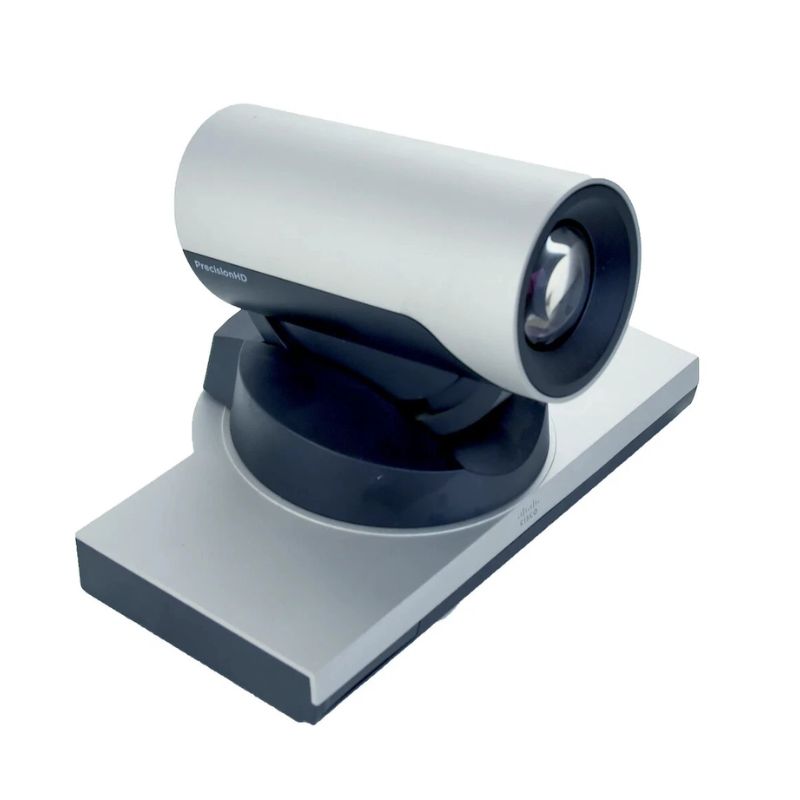


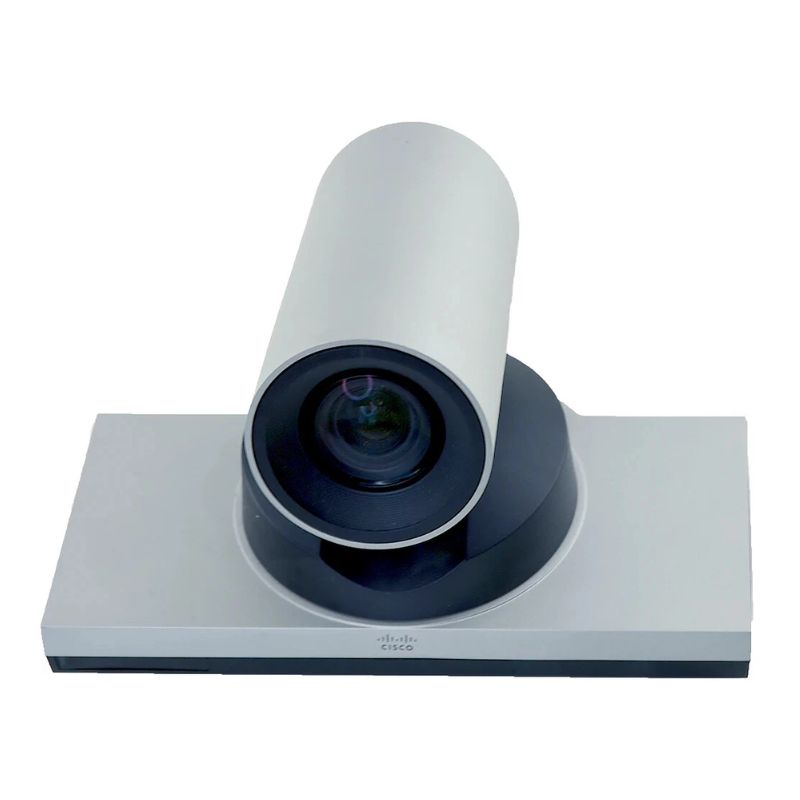
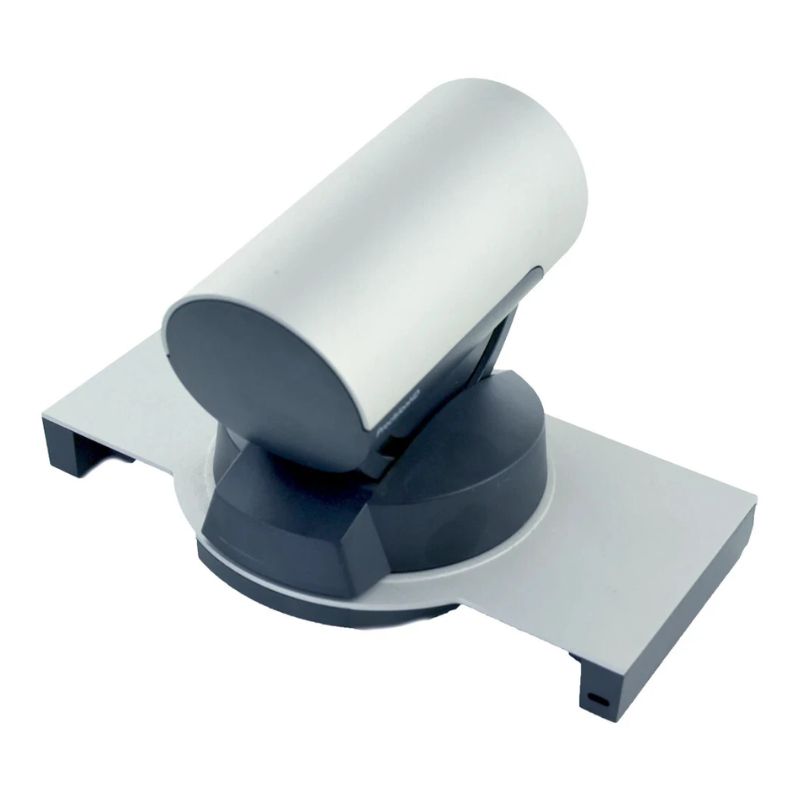
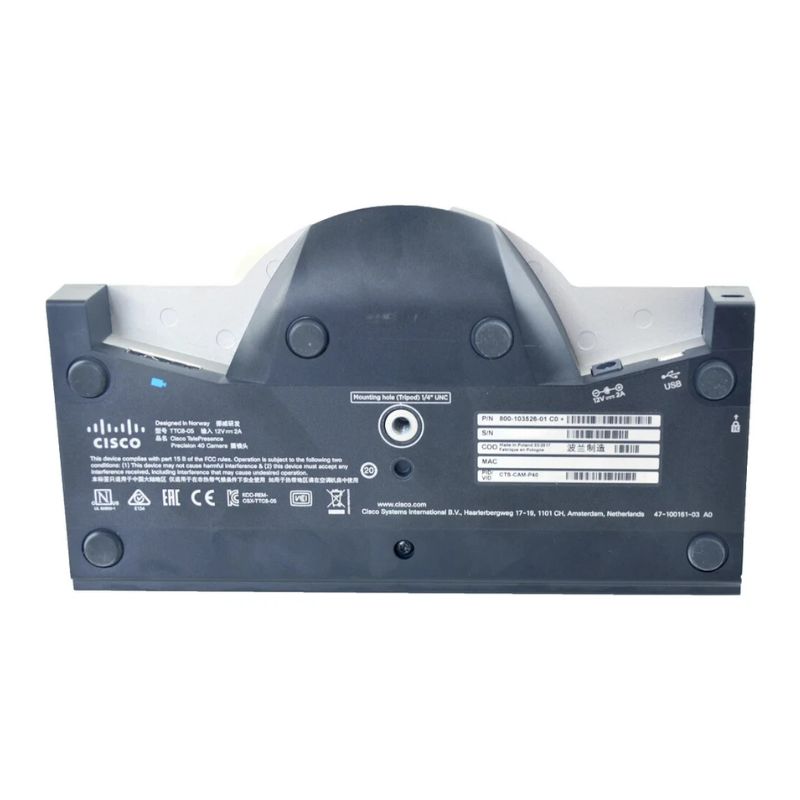
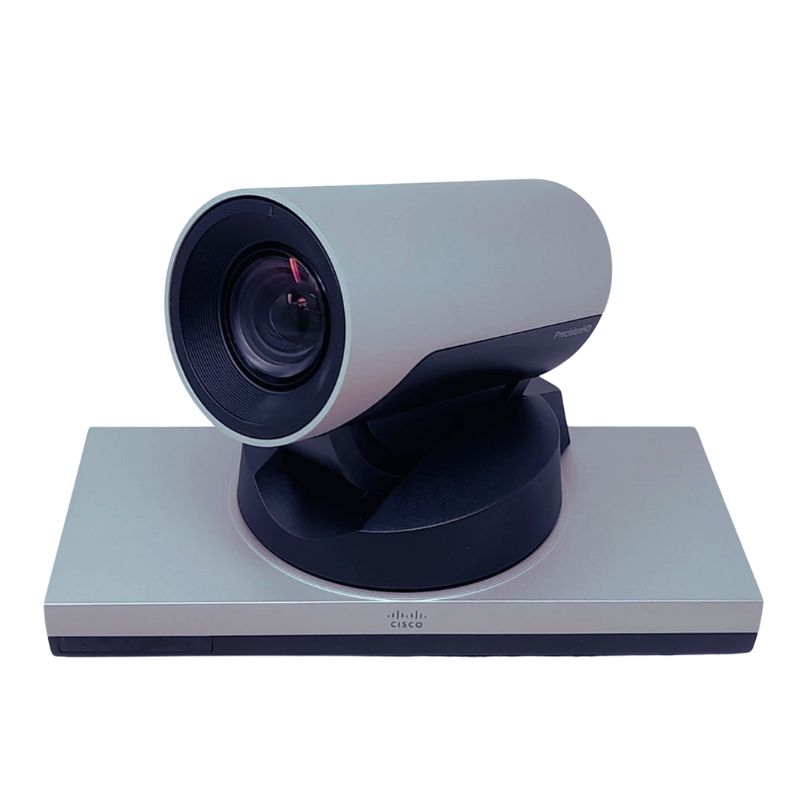
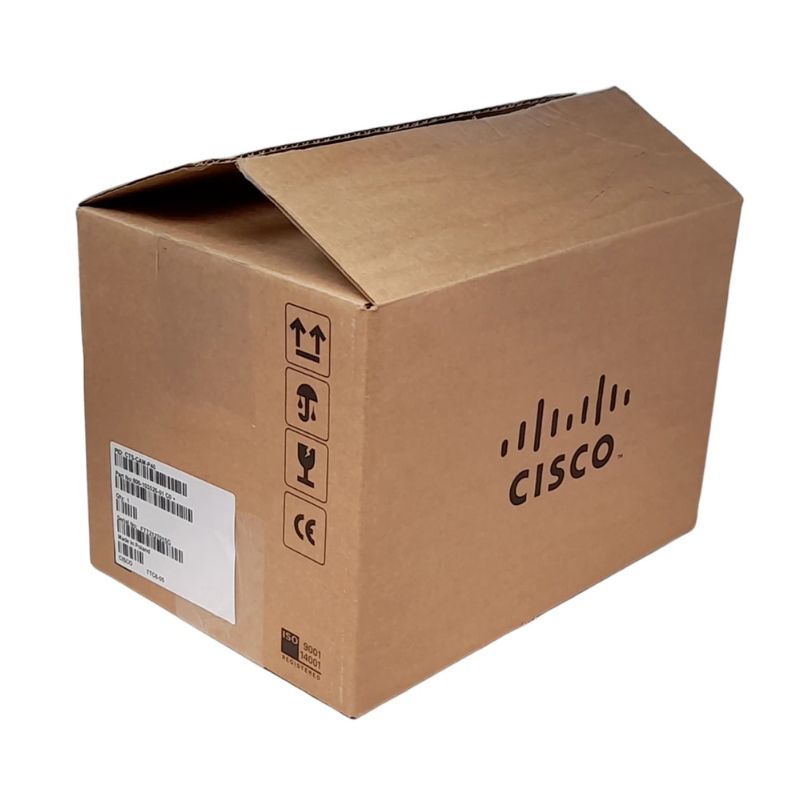
Cisco CTS-CAM-P40 TelePresence Precision 40 Conference Camera. Factory-Sealed New in Original Box (FSB) with 1 year replacement warranty
The Cisco CTS-CAM-P40 TelePresence Precision 40 Conference Camera is a professional video conferencing camera engineered for business-class collaboration environments that demand dependable image quality, smooth camera movement, and a more natural meeting experience. Built for Cisco TelePresence deployments, this conferencing camera helps organizations create sharper, more engaging visual communication in boardrooms, executive meeting areas, huddle rooms, training spaces, and customer-facing collaboration environments. Its purpose-built design supports high-quality video capture for enterprise conferencing, making remote discussions feel more lifelike and productive.
The Cisco CTS-CAM-P40 TelePresence Precision 40 Conference Camera belongs to a business collaboration hardware category built for organizations that require dependable, high-quality video capture in conference rooms, executive offices, training environments, distance communication suites, and integrated meeting spaces. As a spare and replacement conference camera for Cisco TelePresence deployments, this model supports organizations that continue to rely on established Cisco room systems for clear visual communication, consistent meeting quality, and reliable enterprise collaboration. The Precision 40 camera category is especially relevant in environments where visual clarity, stable framing, smooth camera movement, and natural participant representation are essential to productive meetings.
This camera category sits within the broader enterprise conferencing and collaboration market, where professional room cameras are used to extend face-to-face communication across offices, regions, and time zones. The Cisco Precision 40 platform is associated with dedicated video conferencing rooms rather than consumer webcam environments, which means its value is tied to room integration, codec compatibility, controlled imaging performance, and business continuity for installed collaboration systems. For organizations that maintain Cisco TelePresence rooms, a replacement or spare camera such as the Cisco CTS-CAM-P40 can be an important component in preserving room uptime, standardizing image quality, and maintaining a consistent user experience across multiple meeting spaces.
The Cisco TelePresence Precision 40 category is often selected by IT teams, procurement departments, managed service providers, and system integrators that need a conference camera designed for enterprise conferencing rather than ad hoc desktop communication. In these environments, the camera is part of a larger audiovisual and networked collaboration ecosystem that may include codecs, displays, microphones, speakers, touch controllers, mounting hardware, and management platforms. The camera therefore represents more than a single imaging device. It functions as a key visual endpoint that contributes directly to meeting quality, participant engagement, and the professional presentation of people and content in video calls.
The Cisco CTS-CAM-P40 TelePresence Precision 40 Conference Camera category is closely associated with Cisco TelePresence room solutions designed for small to medium meeting spaces and integrated conferencing deployments. In many business environments, the conference room camera is one of the most visible and performance-critical components in the entire collaboration stack. If the camera delivers a poor image, inconsistent focus, weak framing, or awkward motion, the meeting experience degrades immediately. Because of that, the Precision 40 camera category remains important for organizations that prioritize stable visual performance in rooms built around Cisco collaboration hardware.
Within Cisco TelePresence infrastructure, the camera serves as the visual acquisition device that captures meeting participants and presents them to remote attendees with a natural, room-aware perspective. The value of this category comes from its ability to support a room experience that feels deliberate and professional rather than improvised. In a corporate setting, that matters for executive briefings, customer presentations, project meetings, legal discussions, technical reviews, education sessions, and partner collaboration. The camera contributes directly to eye contact simulation, room visibility, speaker representation, and visual comfort for people joining from other locations.
For enterprises with existing Cisco collaboration estates, the CTS-CAM-P40 category can also support lifecycle continuity. When a conference room is already equipped with compatible Cisco components, replacing a failed or aging camera with the proper TelePresence model is often more efficient than redesigning the entire room around a new camera platform. That makes this category attractive not only for performance reasons, but also for operational reasons such as compatibility retention, installation simplicity, reduced retraining, and preservation of the established room workflow.
The Cisco Precision 40 camera category is defined by a strong emphasis on high-definition conferencing performance. Cisco documentation for the Precision 40 camera family identifies support for Full HD 1920 x 1080 video at 60 frames per second, a specification that remains meaningful in business collaboration because it helps preserve motion smoothness, facial detail, and a natural meeting appearance during live communication. In practical terms, a conference camera in this class is intended to present people rather than just objects, so image fluidity and clarity affect the way conversations are perceived.
High-definition output in a conference room matters because business meetings are rarely static. Participants turn toward displays, lean forward to speak, gesture while presenting, and shift focus across the table. A capable room camera needs to capture these movements smoothly enough that remote viewers do not experience distracting blur, jitter, or choppy motion. In a collaborative environment, visual smoothness can improve comprehension and reduce fatigue, especially during longer meetings, hybrid training sessions, or executive communications where presence and confidence matter.
The Precision 40 camera category also emphasizes true-to-life representation. In enterprise conferencing, image quality is not just about resolution numbers. It includes the way skin tones appear under room lighting, how faces remain visible across different seating positions, how exposure adapts to bright displays or windows, and how focus behaves when people shift in the frame. A business-class TelePresence camera is expected to support these needs with stable image processing, conference-appropriate optics, and operational behavior designed for predictable room use rather than casual streaming.
One of the notable characteristics of the Cisco Precision 40 camera category is the inclusion of optical zoom capability. Cisco materials describe the Precision 40 platform as offering 4x optical zoom with additional digital zoom support, resulting in flexible framing options for conference spaces where participants may sit at different distances from the display or codec. Optical zoom is particularly valuable in dedicated meeting rooms because it allows the camera to frame participants more effectively without relying entirely on digital enlargement, which can reduce clarity.
In a real meeting environment, framing flexibility helps the room adapt to different use cases. A single room may host a two-person planning session in the morning, a six-person customer presentation in the afternoon, and a remote training session later in the day. The camera needs to support close framing for smaller groups while still accommodating wider coverage when more participants are present. A conference camera in the Precision 40 class supports this operational range by allowing the visual composition to be adjusted without physically moving the hardware every time the room use changes.
Zoom capability also supports professional meeting presentation. When the room camera can frame people correctly, remote participants are more likely to feel included and able to interpret visual cues. Faces appear more prominent, whiteboard presenters can be followed more easily, and executive speakers can be shown with a cleaner composition. These details matter in high-value meetings where the room itself represents the professionalism of the organization.
The Cisco Precision 40 category is also associated with motorized pan and tilt control. Cisco documentation for the Precision 40 family describes a wide pan range and a controlled tilt range that help the camera cover conference tables, presenters, and room participants with more flexibility than a fixed-lens static camera. In a dedicated TelePresence room, motorized pan and tilt are not cosmetic features. They are functional tools that help the camera adapt to room layout, furniture position, participant count, and meeting format.
When a camera can pan across the room and tilt to adjust vertical framing, it becomes easier to maintain a useful image even if the physical room layout is not perfectly symmetrical. Many real conference rooms include side tables, offset displays, uneven seating, or presentation areas that require the camera to look slightly left, right, up, or down to create a balanced view. A motorized conference camera supports these variations while reducing the need for improvised mounting workarounds.
Pan and tilt functionality can also improve the long-term value of the room. If a business reconfigures furniture, changes the display location, adds a collaboration table, or repurposes a room for training and presentations, the camera is more likely to remain usable because it can be adjusted rather than replaced. For IT and AV teams, that flexibility contributes to a more resilient room design and lowers the risk that a camera becomes unsuitable after minor room changes.
A conference camera category such as the Cisco CTS-CAM-P40 is closely linked to field-of-view planning because the camera must capture a useful portion of the room without making participants appear too distant or distorted. Cisco specifications for the Precision 40 family identify a wide horizontal and vertical field of view intended for room conferencing scenarios. This matters because the success of a video room is often determined by whether remote participants can comfortably see everyone who needs to be seen, not just the person closest to the camera.
In small and medium meeting spaces, the right field of view allows the camera to capture participants around a table while preserving natural perspective. If the view is too narrow, participants at the edges may be cut off or the camera may need to be positioned farther away than the room allows. If the view is too wide, people can appear too small, which weakens presence and makes facial expressions harder to read. The Precision 40 camera category is designed for environments where balanced room coverage is important, enabling a conference image that feels intentional rather than accidental.
Room designers and integrators often evaluate conference cameras based on how well they support actual seating arrangements. A room camera needs to work with the dimensions of the table, the placement of the display, the distance from the front wall to the nearest participants, and the height at which the camera can be mounted. A model in the Precision 40 category is typically considered when the room requires a professional Cisco-compatible visual endpoint that can provide broad participant coverage without sacrificing meeting aesthetics.
The Cisco CTS-CAM-P40 category is useful across several room types because business collaboration spaces vary widely in size and purpose. In executive offices and leadership briefing rooms, the camera may be used for strategic meetings, investor discussions, partner negotiations, or board-level communication where image quality and room presentation reflect the company brand. In those settings, the camera must deliver a polished image and frame participants in a way that supports confidence and authority.
In standard conference rooms, the camera may support recurring team meetings, customer sessions, project reviews, or cross-functional planning calls. Here the emphasis is often on reliability, broad participant coverage, and a consistent user experience that employees can trust without needing technical intervention every time a meeting begins. The Precision 40 camera category aligns with these needs because it is part of a room-oriented collaboration approach rather than a desktop accessory model.
In compact collaboration spaces and huddle-style rooms built around compatible Cisco endpoints, the camera can help create a more capable conferencing setup than a simple all-in-one consumer device. Businesses often want smaller rooms to participate in the same collaboration standards as larger boardrooms, especially when employees move between rooms during the week. Using a dedicated Cisco conference camera within the same ecosystem helps maintain a more consistent look, feel, and control model across the workplace.
A major reason buyers search for the Cisco CTS-CAM-P40 TelePresence Precision 40 Conference Camera is the need to maintain compatibility within a Cisco collaboration ecosystem. In enterprise environments, room devices are rarely chosen as isolated products. They are selected because they integrate into an existing architecture that includes Cisco codecs, room systems, control interfaces, and management practices. A replacement conference camera that belongs to the same TelePresence family can therefore reduce deployment friction and support faster restoration of room service.
Compatibility matters in several ways. First, it affects installation efficiency. When the room is already designed for a Cisco camera, replacing the camera with the proper category model is generally more straightforward than adapting a third-party alternative. Second, compatibility affects room behavior. Presets, camera control, image settings, and endpoint communication are more predictable when the room components were designed to work together. Third, compatibility affects support operations. IT teams are more likely to have existing knowledge, documentation, and spare planning processes for Cisco collaboration hardware than for mixed and improvised solutions.
For organizations with multiple Cisco conference rooms, the camera category can also support standardization. Standardization is important because it simplifies training, troubleshooting, procurement, and room-to-room consistency. When employees know that conference rooms across offices behave similarly, the meeting experience improves. When IT teams know that multiple rooms use the same or related camera models, maintenance planning becomes more efficient and downtime can be reduced.
The conference camera category represented by the Cisco Precision 40 places strong emphasis on the quality of the participant image under real meeting conditions. Cisco documentation for the Precision 40 family indicates support for automatic or manual control of focus, white balance, and brightness. These functions are important because conference rooms rarely operate under perfect lighting conditions. Rooms may have windows, overhead lighting, display reflections, mixed color temperatures, and seating positions that challenge a basic camera. A professional conference camera must be able to manage these conditions well enough that the image remains comfortable and intelligible for remote viewers.
Autofocus performance matters because meeting participants do not remain perfectly still. People shift in their seats, lean forward to speak, stand up to present, or move to a whiteboard. A conference camera that maintains stable focus contributes to a more natural and less distracting meeting experience. White balance and brightness handling matter because people need to appear natural on screen, especially in executive communication, recruiting interviews, customer meetings, and formal presentations where professionalism and trust are influenced by visual quality.


 Contact Us
 Information
 Catalog
 Solid State Drives (SSD)
 Network Switches
 Hard Disk Drives
 HBA & Controllers
 PC & Servers
 PC & Server Memory
 CPU & Processors
 Network Routers
 Power Supplies
 Tape Drives & Libraries
 Network Devices
 Computer & Network Cables