(7% discount is applied at checkout)
Cart is empty
Your go-to destination for cutting-edge server products
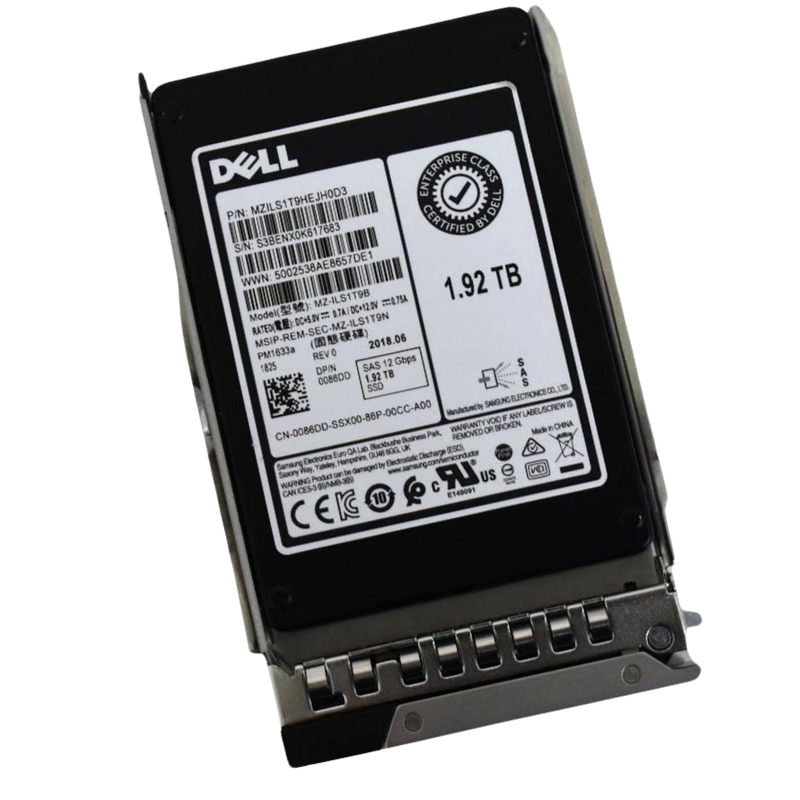


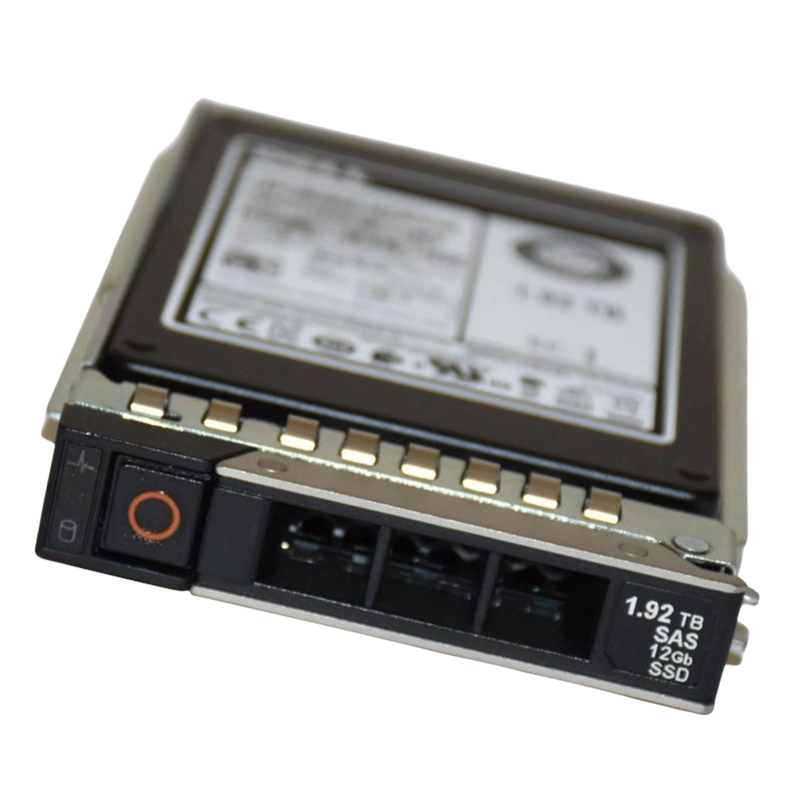
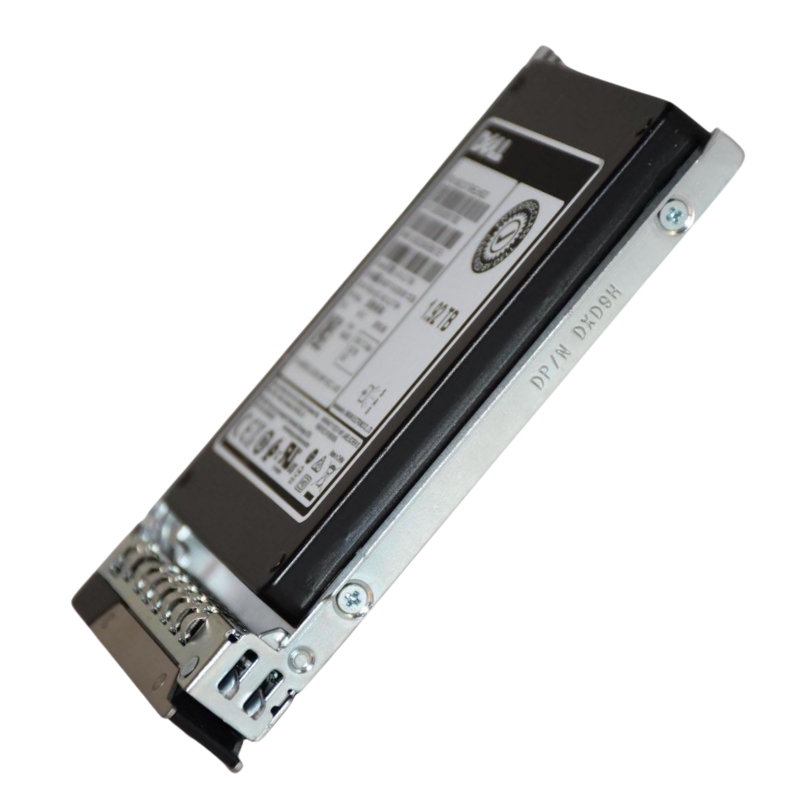
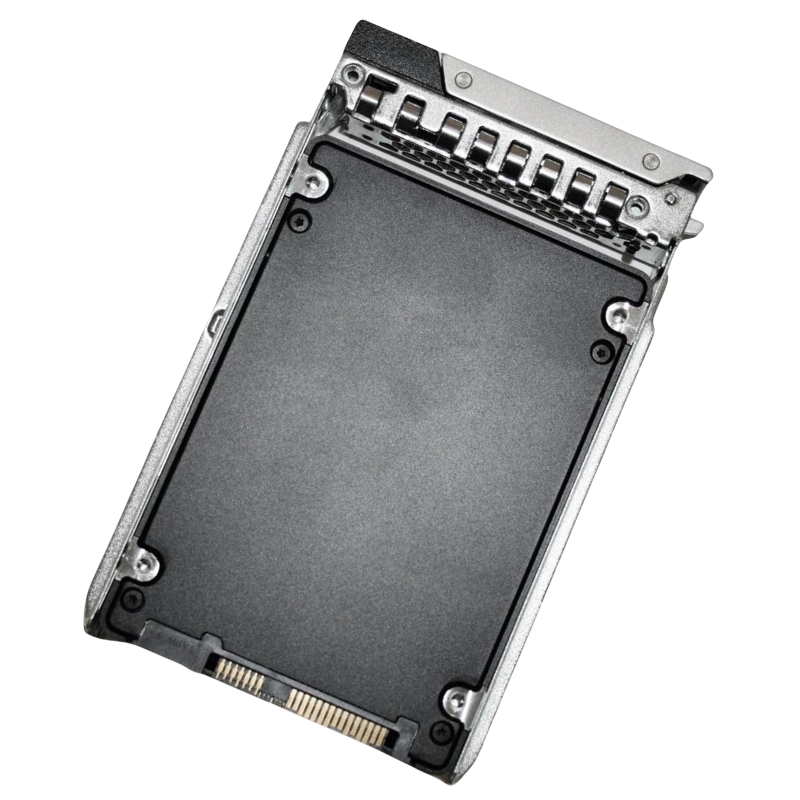
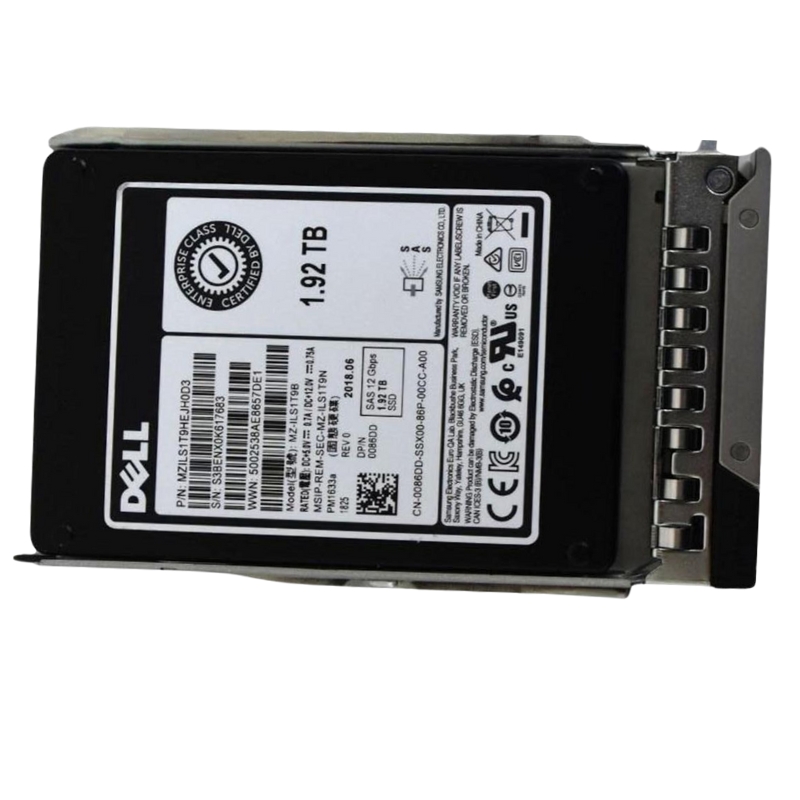
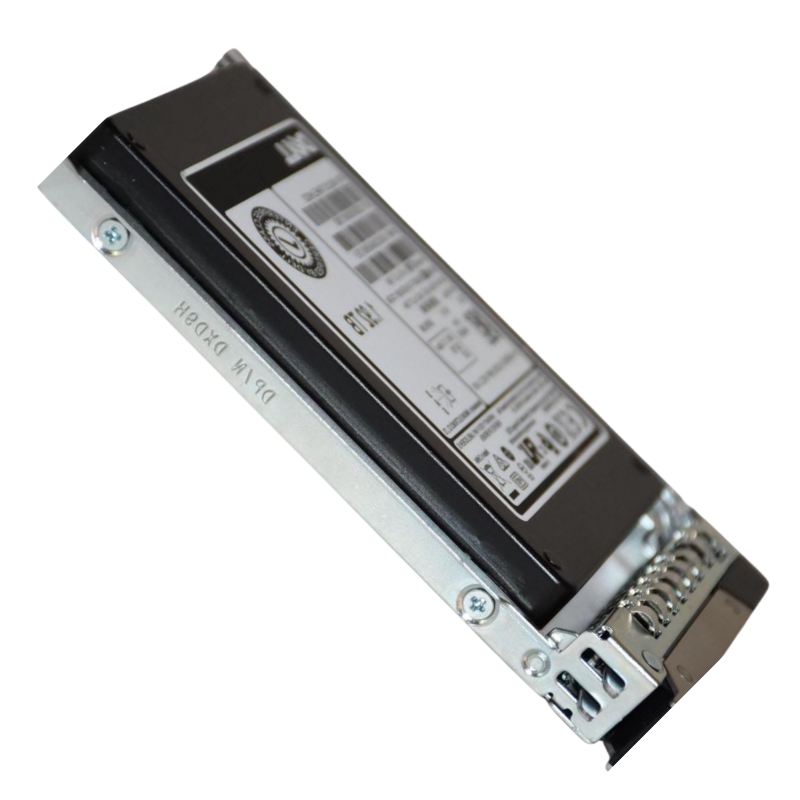
Dell 1N61H 1.92TB SAS 12GBPS Mixed Use 512n 2.5-inch Hot Plug Solid State Drive. New Sealed in Box (NIB) 1 Year Warranty
| SKU/MPN | Warranty | Price | Condition | You save |
|---|---|---|---|---|
| 1N61H | 1 Year Warranty | $1,187.00 | Excellent Refurbished | You save: $415.45 (26%) |
| 1N61H | 1 Year Warranty | $2,232.00 | New Sealed in Box (NIB) | You save: $781.20 (26%) |
The Dell 1N61H solid-state drive delivers robust performance and reliable data access for enterprise-grade systems. Engineered for speed and endurance, this 1.92TB SAS SSD is ideal for mixed-use workloads across various PowerEdge servers.
Designed for enterprise workloads that demand a balanced mix of capacity, performance, and durability, the Dell 1N61H 1.92TB SAS 12Gbps Mixed Use 512n 2.5-inch Hot Plug Solid State Drive represents a pragmatic choice for modern data centers. Engineered to deliver reliable I/O throughput across mixed read/write patterns, this SSD blends SAS 12Gbps connectivity with enterprise-class firmware and 512n sector formatting to support legacy and contemporary storage stacks. Built into a compact 2.5-inch hot-plug form factor, it integrates seamlessly into servers, storage arrays, and converged infrastructure, enabling administrators to scale performance without sacrificing data integrity or serviceability.
At its core, the 1.92TB capacity point strikes an effective balance between density and performance. The drive leverages SAS 12Gbps signaling to maximize available bandwidth while preserving low-latency access for transactional workloads. The 512n logical sector format ensures predictable block addressing and compatibility with operating systems and hypervisors that expect traditional 512-byte sectors, which remains important for some legacy applications and tools.
As a 2.5-inch hot-plug device, this SSD is optimized for rack servers and storage enclosures where rapid replacement and minimal downtime are operational imperatives. Hot-plug capability allows technicians to service or upgrade drives without shutting down systems, reducing planned maintenance windows and improving overall availability.
Mixed Use classification signals that this drive is intended to sustain a varied workload mix — workloads that combine reads, writes, and background maintenance tasks such as garbage collection. Mixed Use drives typically offer higher endurance than read-centric models while providing better cost-efficiency than write-intensive enterprise-class SSDs. This makes the Dell 1N61H particularly suitable for virtualization hosts, database servers with moderate write amplification, application servers, and mid-tier caching layers where balanced IOPS and endurance are required.
The SSD is tuned for consistent I/O performance under mixed operations. With SAS 12Gbps, the device minimizes bottlenecks during peak concurrency and supports high queue depths from modern multi-core servers. The firmware manages latency and background tasks to maintain stable response times across sustained workloads. For database-driven environments and virtual machine consolidation, predictable latency and strong sustained throughput reduce the risk of noisy neighbor issues and ensure better quality of service for critical applications.
Random I/O performance is an important determinant for transactional systems, and the Dell 1N61H is optimized to deliver strong random read and write IOPS at small block sizes commonly used by databases and virtual machines. Sequential throughput remains competitive for large, continuous transfers such as backups and VM migrations. The device’s internal architecture and controller firmware balance small-block responsiveness with ability to sustain larger sequential operations.
Certified for use in many Dell PowerEdge servers and Dell EMC storage enclosures, the 1N61H integrates with vendor firmware and management tools for simplified provisioning and monitoring. Compatibility with Dell iDRAC and enterprise storage controllers makes it possible to monitor SMART attributes, perform remote firmware updates, and execute secure erase operations from central management consoles. Native driver and firmware support help ensure predictable behavior in heterogeneous deployments and simplify lifecycle management across rack and blade servers.
Whether deployed as part of a direct-attached storage (DAS) configuration, inside a storage array as a cache tier, or within converged infrastructure, the drive’s SAS interface and enterprise feature set enable broad interoperability. In SAN and DAS topologies, the 512n sector format and enterprise-class firmware reduce the complexity of integrating with older toolchains or specialized enterprise software that expects traditional sector sizes.
Enterprise drives such as the Dell 1N61H include firmware features designed for data integrity and serviceability. Power-loss protection mechanisms work to preserve in-flight data during unexpected outages, and background media management routines extend endurance while maintaining performance. SMART telemetry and health reporting allow administrators to predict failures and schedule replacements proactively. These features combined reduce operational risk and increase confidence when scaling storage infrastructure.
In regulated environments or when drives are decommissioned, secure erase functions are essential to ensure data cannot be recovered. The SSD supports cryptographic and firmware-level erase options that comply with data sanitation policies. Administrators can implement wipe procedures via host utilities or management consoles, integrating disposal workflows into broader IT asset management practices.
Advanced wear-leveling distributes write and erase cycles evenly across NAND media to prolong usable life, while error-correcting code (ECC) corrects bit errors that occur in NAND cells. Together with firmware strategies that mitigate write amplification, these technologies ensure the drive meets expected endurance ratings and reduces the probability of uncorrectable errors during typical lifecycle operations.
Thermal behavior is critical in dense server environments. The 2.5-inch form factor and drive firmware monitor temperature and throttle performance if needed to avoid overheating scenarios that accelerate wear or jeopardize data integrity. Proper chassis airflow and storage enclosure design remain essential to leverage the drive’s full performance envelope and maintain long-term reliability.
Organizations can deploy the Dell 1N61H across a spectrum of scenarios. For virtualization infrastructure, the drive’s mixed workload characteristics make it suitable for hosting multiple virtual machines with varying I/O profiles. In database systems, especially mixed OLTP/analytical hybrids, the combination of capacity and predictable IOPS reduces contention and improves transaction responsiveness. For caching layers in hyperconverged infrastructure, the SSD can act as an intelligent middle tier that absorbs high-frequency writes while permitting colder data to reside on higher-capacity media.
While high-performance computing (HPC) environments often rely on extreme throughput or specialized NVMe tiers, enterprise SAS SSDs like the 1N61H find a place in workloads that require moderate latency and reliability but do not justify NVMe economics. Analytics nodes that perform mixed read/write tasks or intermediate staging of large datasets benefit from the drive’s consistent throughput and capacity.
In tiered storage strategies, Mixed Use SAS SSDs provide an optimal middle tier between ultra-fast NVMe cache and high-capacity HDDs. They can be used for primary storage of hot datasets, replication targets for mission-critical VMs, or rapid restore points in backup architectures. Their 1.92TB capacity fits naturally into capacity planning models that aim to balance usable capacity against RAID overhead and redundancy requirements.
VDI environments, where many desktops boot simultaneously and generate bursty I/O patterns, benefit from the low-latency, consistent IOPS characteristics of mixed use SSDs. The ability to absorb spikes during boot storms while sustaining day-to-day operations makes this drive a practical component in desktop virtualization designs that prioritize responsiveness and user experience.
When choosing storage components, IT teams must weigh trade-offs among NVMe, SAS, and SATA drives as well as between read-intensive, mixed-use, and write-intensive endurance classes. Compared to read-optimized drives, the Dell 1N61H offers superior sustained write endurance and more robust background media management. Versus write-intensive enterprise SSDs, it provides a cost-effective compromise, delivering substantial endurance at a lower price-per-GB. Versus NVMe devices, SAS SSDs typically present lower peak throughput but offer broad platform compatibility and proven enterprise feature sets across legacy ecosystems.
Workload profiling remains essential. Transactional systems with heavy random writes might justify write-intensive media or NVMe drives, while largely read-heavy archival systems can be matched with read-optimized drives. The 1N61H inhabits the mid-ground where mixed operations are common and administrators prefer SAS connectivity for its manageability and compatibility with existing servers and arrays.
Over-provisioning can be used to increase endurance and maintain performance by reserving a portion of NAND for background operations. While manufacturers set factory over-provisioning levels, administrators can configure additional provisioning through drive utilities or storage controllers when workloads generate high write amplification. Proper provisioning helps preserve consistent throughput and reduces the likelihood of performance degradation toward the end of drive life.
Data encryption, secure erase, and audit trails are crucial in regulated industries. When using enterprise SSDs, enable available encryption options and integrate drive sanitization steps into asset decommissioning policies. Maintaining logs of erase operations and RMA events supports compliance with data protection regulations and internal governance frameworks.


 Contact Us
 Information
 Catalog
 Solid State Drives (SSD)
 Network Switches
 Hard Disk Drives
 HBA & Controllers
 PC & Servers
 PC & Server Memory
 CPU & Processors
 Network Routers
 Power Supplies
 Tape Drives & Libraries
 Network Devices
 Computer & Network Cables