(7% discount is applied at checkout)
Cart is empty
Your go-to destination for cutting-edge server products
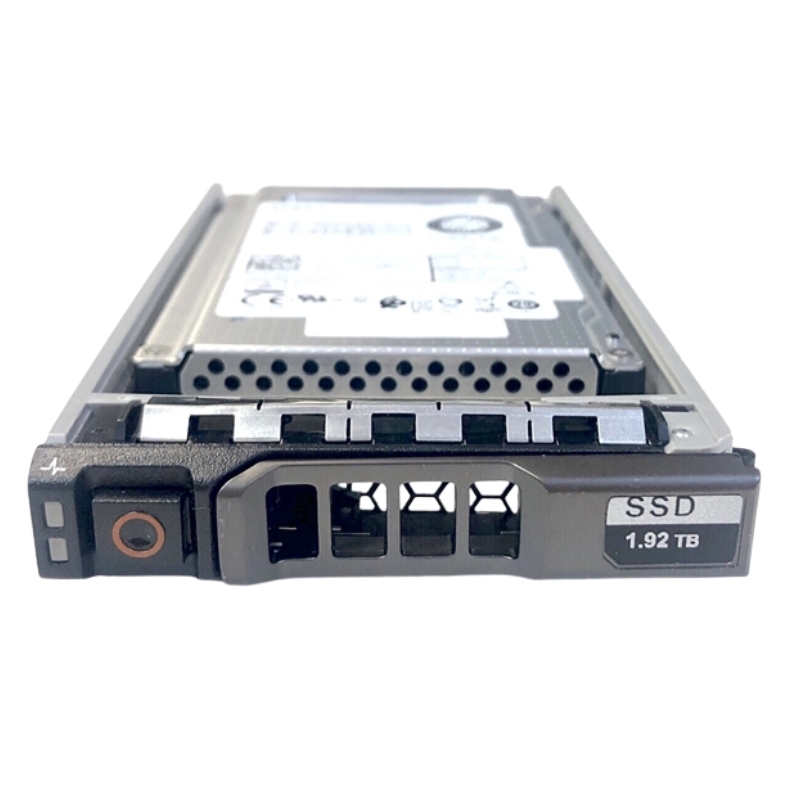


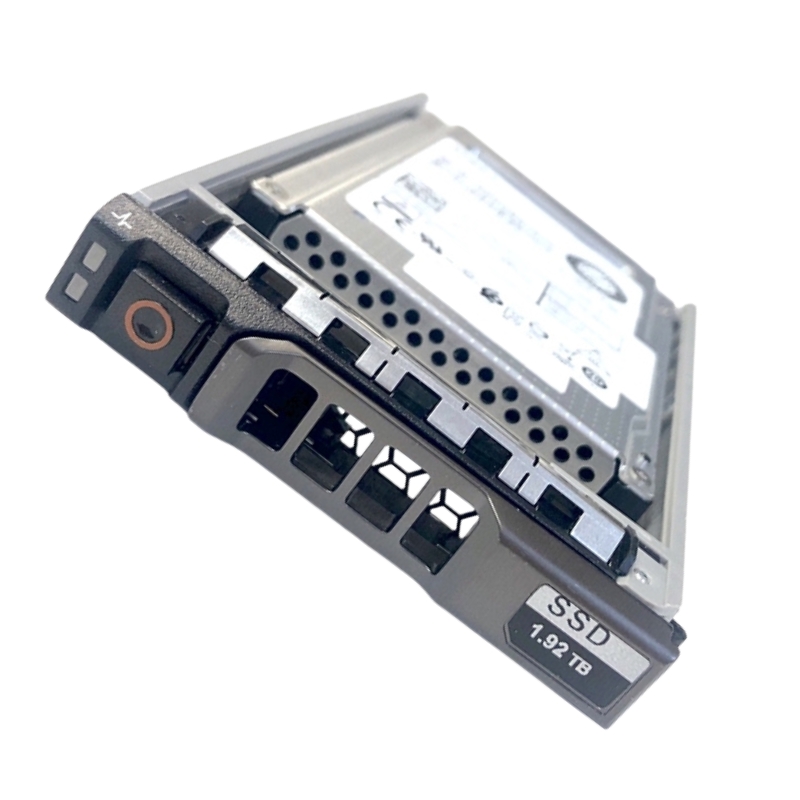
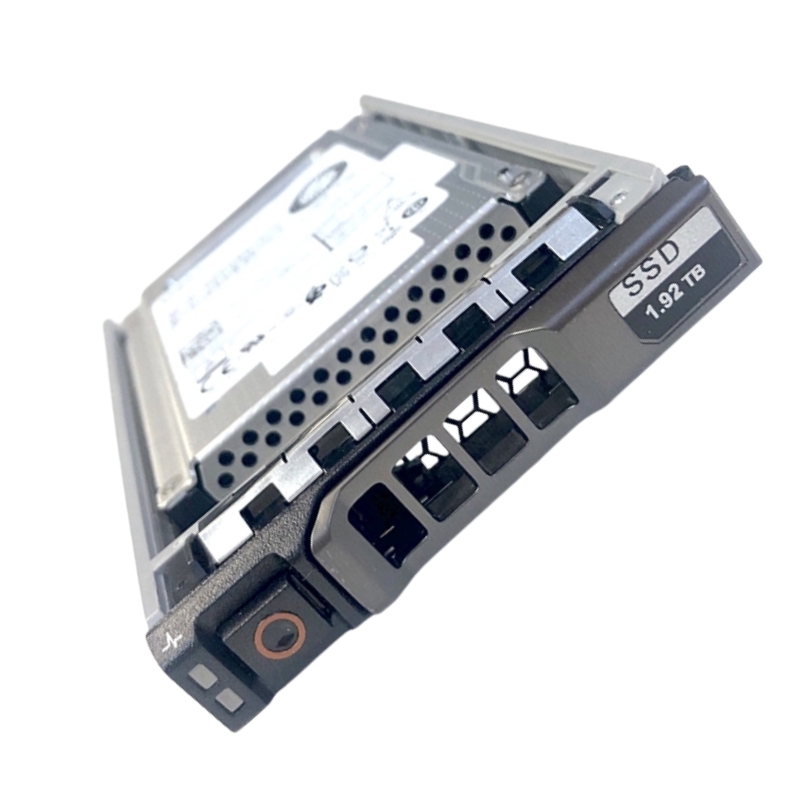
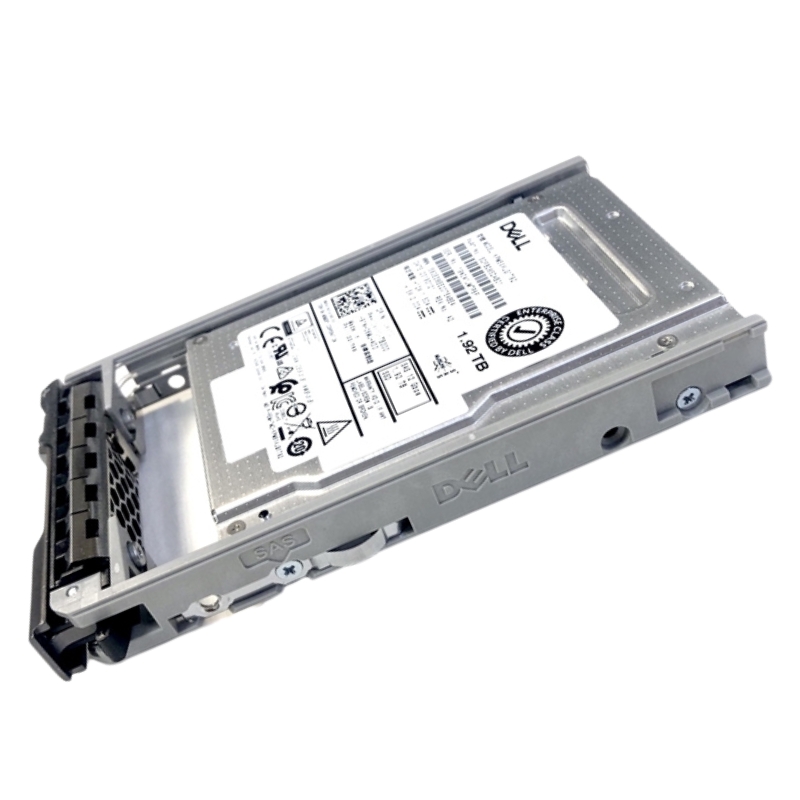
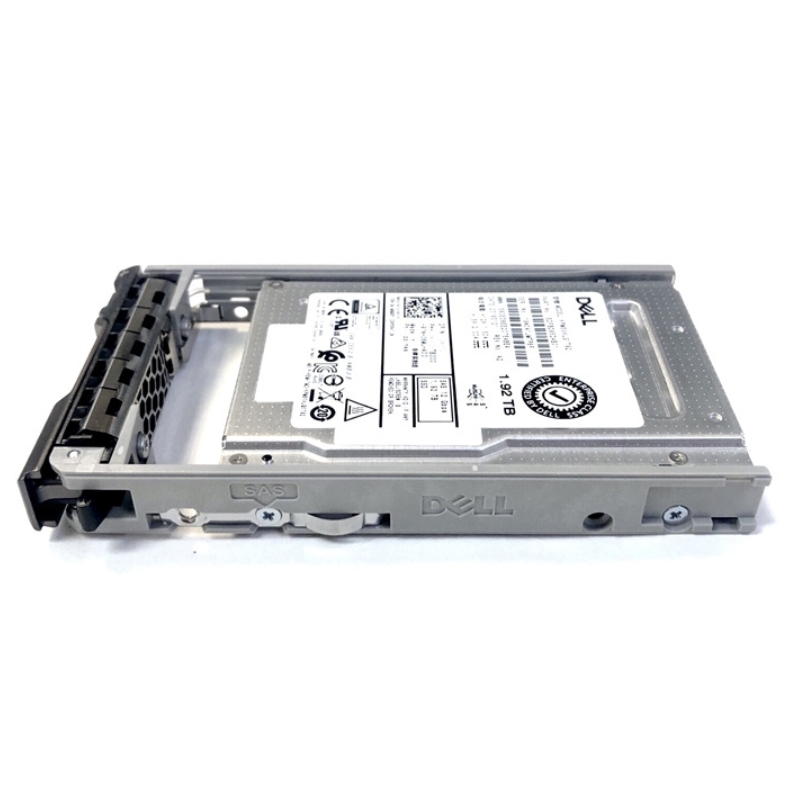
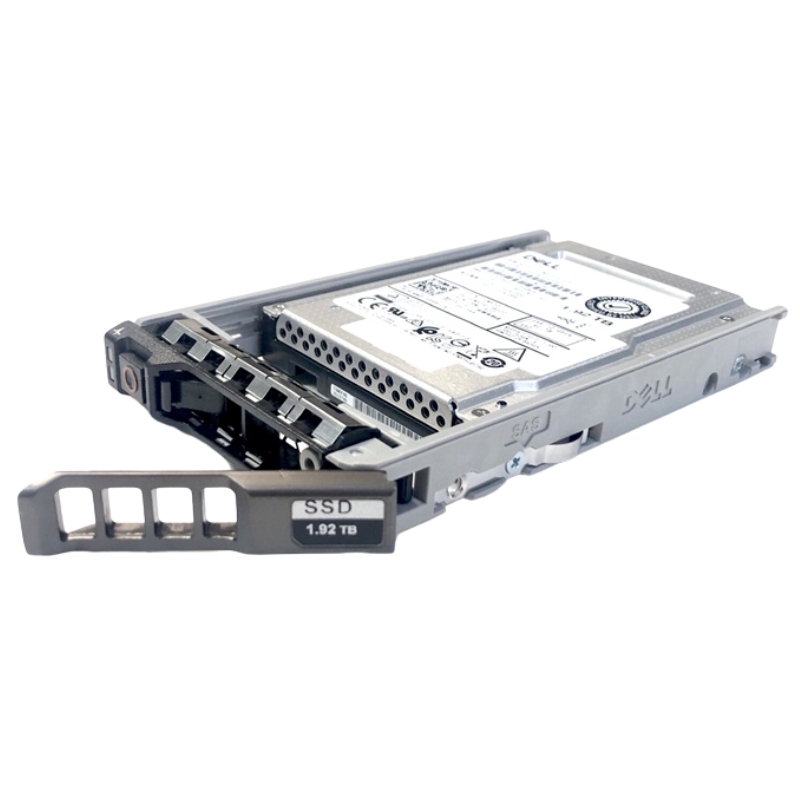
Dell 2H59H 1.92TB SAS 12GBPS Read Intensive TLC Advanced Format 512e Dell Certified SSD. New Sealed in Box (NIB) with 1 year Replacement Warranty
| SKU/MPN | Warranty | Price | Condition | You save |
|---|---|---|---|---|
| 2H59H | 1 Year Warranty | $522.00 | Excellent Refurbished | You save: $182.70 (26%) |
| 2H59H | 1 Year Warranty | $1,425.00 | New Sealed in Box (NIB) | You save: $498.75 (26%) |
Designed for enterprise-class storage arrays and mission-critical applications, the Dell 2H59H 1.92TB SAS 12Gbps Read Intensive TLC Advanced Format 512e Dell Certified SSD represents a balanced solution between high-capacity flash storage and cost-efficient endurance. Built to support heavy read workloads common in virtualization, database query operations, and content delivery, this SSD blends Dell's validation standards with industry-leading SAS connectivity and advanced NAND technology.
At the core of the category are several defining attributes: a 1.92TB capacity optimized for dense data sets; Serial Attached SCSI (SAS) 12Gbps interface for robust connectivity and enterprise compatibility; read-intensive TLC NAND for cost-effective density with sustained read performance; and Advanced Format 512e sector emulation to maintain compatibility with legacy and modern host systems. Furthermore, Dell Certification indicates rigorous interoperability testing across Dell servers and storage platforms, minimizing deployment risk and simplifying lifecycle support.
Modern data centers increasingly prioritize fast, deterministic read access as analytics, caching, and content-serving workloads grow. Read-intensive SSDs like the 2H59H are engineered to deliver high IOPS for random and sequential reads while providing a favorable price-per-gigabyte compared to enterprise mixed-use or write-intensive drives. This class of SSD is ideal when the majority of operations are reads, reducing total cost of ownership without sacrificing responsiveness.
The Dell 2H59H employs a SAS 12Gbps interface, a mainstay in enterprise storage due to its full-duplex communication, multipath support, and broad compatibility with RAID controllers and HBA cards. The 2.5-inch form factor with standard enterprise dimensions enables easy drop-in replacement and high-density storage trays in rack-mounted servers and arrays. The drive's SAS interface provides a deterministic connection strategy preferred by many IT teams for predictable latency.
This category uses Triple-Level Cell (TLC) NAND tuned for read-intensive workloads. TLC NAND delivers higher density at a lower cost per GB compared to single-level or multi-level cells, while firmware optimizations and over-provisioning strategies enhance read consistency. Endurance ratings for read-intensive drives are typically lower than write-heavy models but are sufficient for cache, boot, index, and content delivery use cases. Dell Certification often includes specific endurance and workload characterization to help administrators map drives to appropriate roles.
Advanced Format 512e (512-byte emulation on 4K physical sectors) ensures compatibility across a wide range of host operating systems, older RAID controllers, and storage management tools. This compatibility layer minimizes the risk of sector misalignment and performance penalties that can occur when modern drives interact with legacy systems, making this SSD category an attractive upgrade path for environments with mixed-generation hardware.
Performance expectations for this class are centered on strong read throughput and sustained low-latency responses. Typical deployments will measure random read IOPS in the tens to hundreds of thousands depending on queue depth and controller configuration, while sequential read throughput can saturate the 12Gbps link under optimized conditions. Real-world throughput depends on host architecture, RAID configuration, and whether the drive operates as part of a larger SSD pool or as a dedicated cache tier.
Enterprise SAS SSDs are designed with power and thermal profiles compatible with 2.5-inch server bays. The 2H59H family prioritizes consistent operation across typical data center temperatures and includes power-loss protection features to preserve data integrity during unexpected outages. Mean Time Between Failures (MTBF) and workload-rated endurance figures are important metrics provided by Dell and should be evaluated against expected duty cycles.
Virtualized server environments and desktop virtualization (VDI) require many small, random reads across virtual disks. Read-intensive SSDs excel in these scenarios by accelerating boot storms and read-heavy application workloads while keeping storage costs manageable. In clustered hypervisor environments, these drives are often placed in cache or tiered alongside higher-end mixed-use SSDs for a balance of cost and performance.
Analytical databases and read-optimized OLAP workloads frequently perform complex queries that depend on fast random reads. The Dell 2H59H 1.92TB SSD delivers low-latency access to hot partitions and indices, significantly reducing query response times when deployed as staging or index drives. Combined with intelligent caching layers and in-memory systems, these SSDs can dramatically enhance end-user experience and throughput.
High-throughput read workloads, such as media streaming, content repositories, and web-cache layers, are natural fits for read-intensive SSDs. The drive's high capacity and efficient read behavior allow content servers to store larger working sets on flash, decreasing load on backend disk arrays and improving content delivery latency.
Dell Certified labeling indicates rigorous interoperability validation across Dell PowerEdge servers, Dell storage arrays, and management ecosystems. This reduces the risk of firmware incompatibilities, simplifies driver installation, and often provides firmware update paths coordinated with server firmware and RAID controller updates. Enterprises benefit from a streamlined support path and clearer warranty boundaries when sourcing certified components.
When integrating SAS SSDs into RAID arrays, administrators should consider controller cache coherence, writeback/write-through settings, and the implications of mixing SSD types in the same array. Read-intensive SSDs are frequently used alongside mixed-use or write-intensive SSDs to form tiered arrays, where the controller's caching and tiering policies determine what data remains on each tier. Controller queue depth and firmware features such as TCQ (Tagged Command Queuing) influence peak performance under concurrent workloads.
SAS allows multipath topologies and redundant fabric configurations that increase availability and resilience. In high-availability deployments, these SSDs participate in mirrored or replicated storage sets that provide immediate failover and reduced recovery times during hardware failures.
Enterprise-grade SSDs frequently include features to protect data at rest and during power events. The 2H59H series supports power-loss protection mechanisms and may include support for hardware-based encryption or integration with controller-level encryption schemes. When encryption is required, verify compatibility with key management systems and the server's firmware.
To maintain integrity, these SSDs implement checksums, CRCs, and internal correction routines that detect and often correct data corruption before it reaches the host. Combining these protections with a resilient RAID strategy and robust backup practices ensures that critical data remains consistent across storage tiers.
Before deploying in production, validate drives in a staging environment that mimics the target workload. Test for performance under expected concurrency, evaluate thermal behavior in the server chassis, and confirm that monitoring tools correctly report device metrics. Staged testing reduces surprises and provides empirical data for configuration tuning.
Implementing SSDs as part of a tiered storage architecture requires careful definition of data movement rules. Use policies that keep frequently read data on the SSD tier while moving cold data to larger HDD tiers. Configure cache retention based on access patterns and ensure that cache eviction policies align with business priorities for latency and throughput.
When drives are retired, follow industry-standard data sanitization processes. If hardware-based encryption was used across the drive's life, responsible key destruction may be an acceptable approach for secure disposal. Otherwise, perform certified secure erase procedures or coordinate with a licensed data destruction provider to ensure compliance with regulatory standards.


 Contact Us
 Information
 Catalog
 Solid State Drives (SSD)
 Network Switches
 Hard Disk Drives
 HBA & Controllers
 PC & Servers
 PC & Server Memory
 CPU & Processors
 Network Routers
 Power Supplies
 Tape Drives & Libraries
 Network Devices
 Computer & Network Cables