(7% discount is applied at checkout)
Cart is empty
Your go-to destination for cutting-edge server products
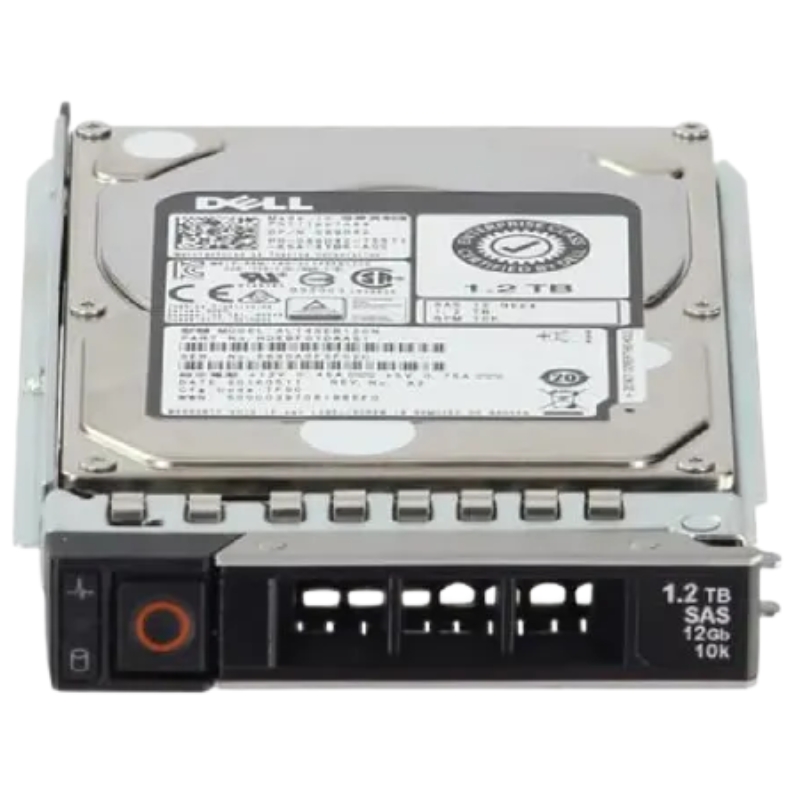


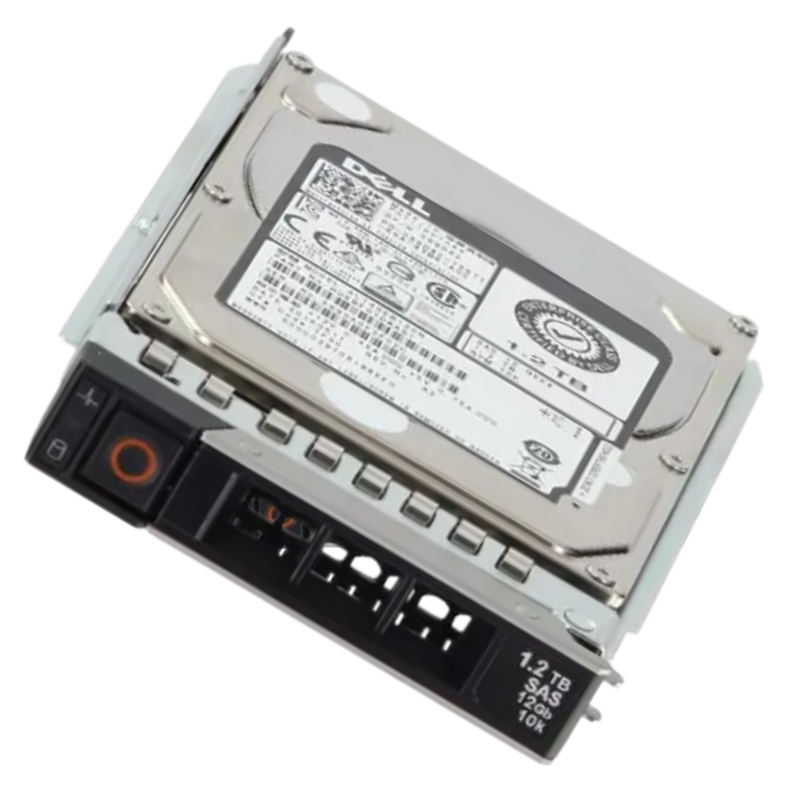
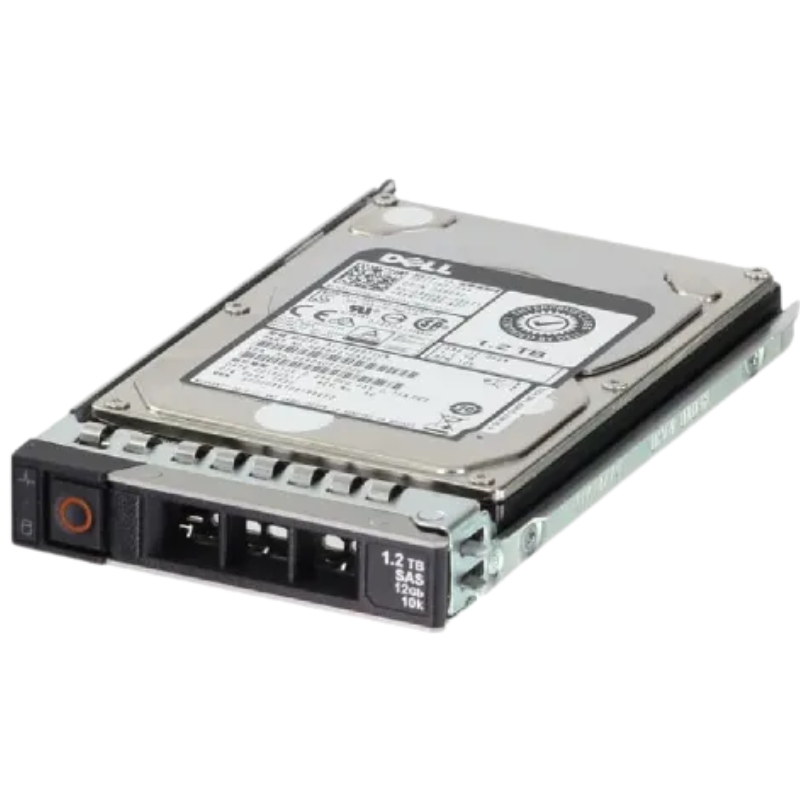
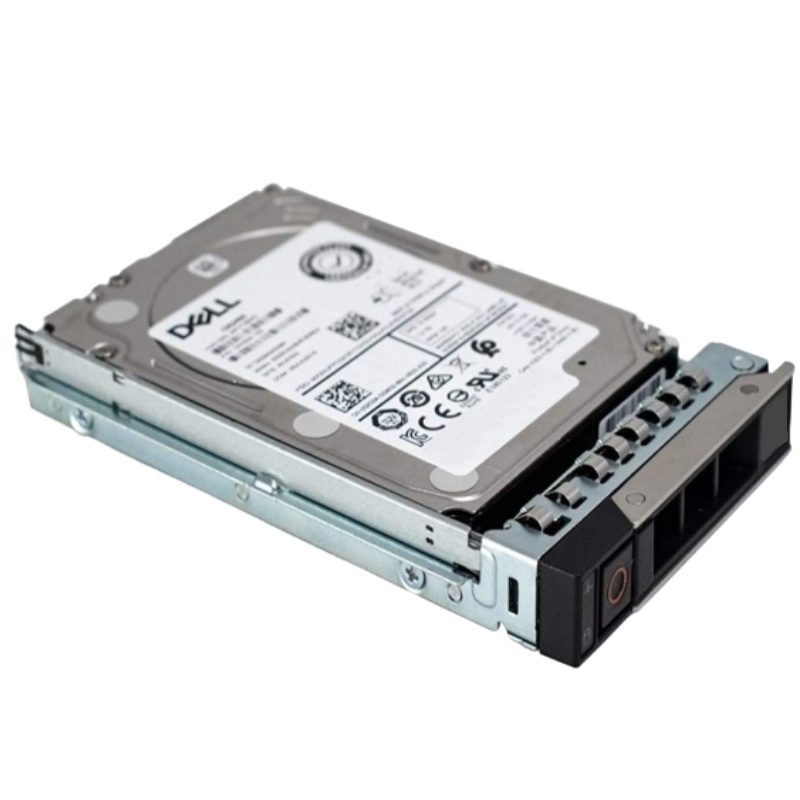
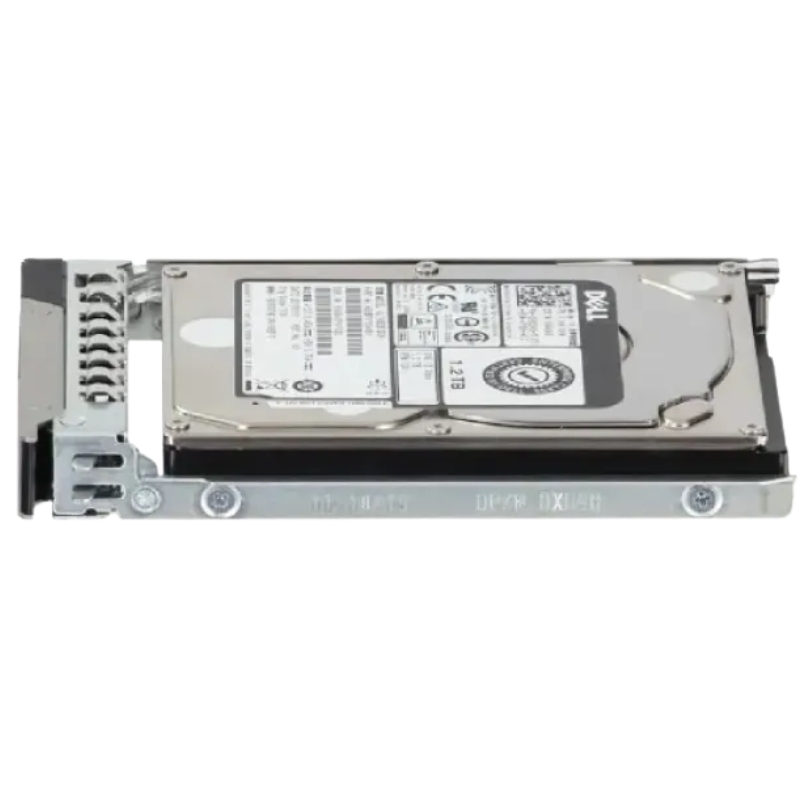
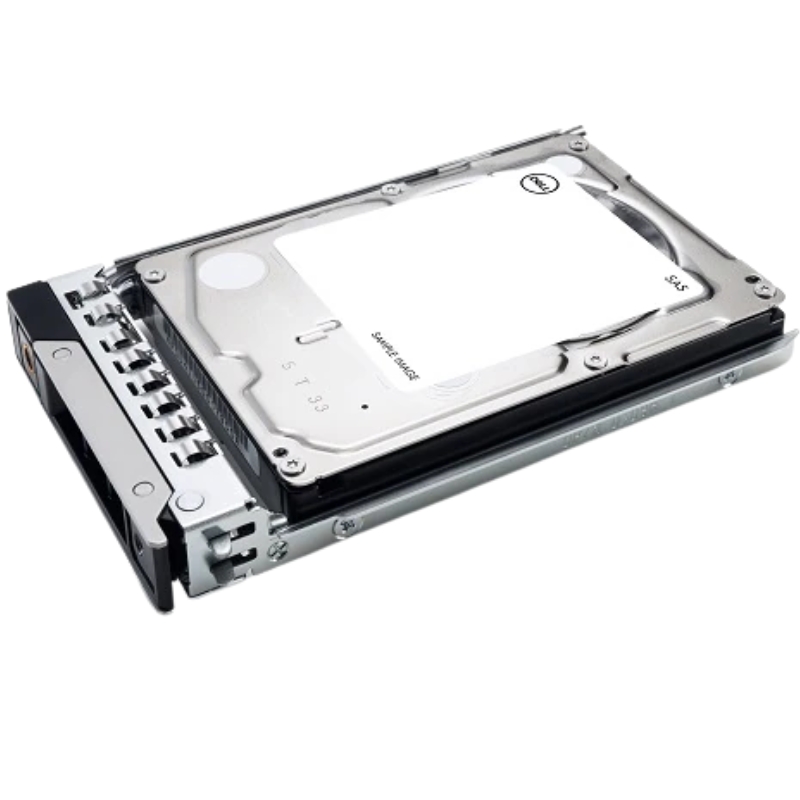
Dell 400-AUQN 1.2TB 10K RPM SAS-12GBPS SFF Hard Drive for Server. New Sealed in Box (NIB) With 1 Year Warranty
The Dell 400-AUQN is a premium-grade enterprise hard disk designed for demanding server environments, delivering reliability, speed, and scalable storage performance. Built for data-intensive workloads, it ensures consistent operation in mission-critical infrastructures.
The Dell 400-AUQN 1.2TB 10K RPM SAS-12Gbps Small Form Factor hard drive represents a critical category of enterprise-grade storage solutions engineered to meet the evolving demands of modern data centers. This category of high-performance SAS drives is specifically designed to support mission-critical workloads, ensuring optimal balance between speed, reliability, and scalability. With increasing reliance on data-intensive applications, virtualization platforms, and transactional databases, enterprises require storage devices that deliver consistent performance under continuous load. The 1.2TB capacity offers a practical balance between storage density and performance, making it ideal for businesses that prioritize speed and responsiveness over bulk storage.
The Serial Attached SCSI (SAS) interface at 12Gbps is a defining feature of this category, providing significantly higher data transfer speeds compared to traditional SATA drives. The SAS-12Gbps architecture ensures faster data throughput, reduced latency, and improved command queuing capabilities. This enables seamless handling of concurrent workloads, which is essential in environments such as enterprise resource planning systems, customer relationship management platforms, and financial transaction processing. The dual-port capability inherent in SAS drives enhances redundancy and failover protection, ensuring that critical data remains accessible even in the event of a path failure.
The 12Gbps data transfer capability ensures that server systems can efficiently process large volumes of data without bottlenecks. This is particularly beneficial for high-performance computing environments and analytics platforms where data must be read and written rapidly. The faster interface also contributes to reduced application response times, improved user experience, and enhanced overall system efficiency. By leveraging this high-speed connectivity, enterprises can maintain operational continuity and meet stringent service-level agreements.
Drives within this category are engineered for integration into high-availability systems, including redundant array configurations and clustered server environments. The dual-port SAS design allows for multiple data paths, minimizing downtime and supporting continuous operations. This is essential for industries where even minimal service interruptions can lead to significant financial or reputational impact.
The 10,000 RPM rotational speed is a hallmark of performance-oriented enterprise drives. This rotational speed significantly reduces seek times and latency compared to lower RPM alternatives, enabling faster data access and improved input/output operations per second (IOPS). For businesses running database-driven applications or virtualized workloads, the ability to quickly retrieve and process data is crucial. The 10K RPM design strikes a balance between the ultra-high performance of 15K RPM drives and the cost-efficiency of lower-speed drives, making it a versatile choice for a wide range of applications.
High IOPS performance is essential for transactional environments where numerous read and write operations occur simultaneously. The Dell 400-AUQN category supports these requirements by delivering consistent performance under heavy workloads. This ensures smooth operation of applications such as online transaction processing systems, email servers, and enterprise databases. The improved IOPS capability also contributes to faster data indexing, reduced query times, and improved overall system responsiveness.
Lower latency is a direct benefit of higher rotational speeds and optimized firmware design. Reduced latency translates into faster access to stored data, which is critical for applications that require real-time processing. This includes financial trading platforms, healthcare systems, and telecommunications infrastructure. By minimizing delays in data retrieval, these drives help organizations maintain operational efficiency and deliver timely services.
The Small Form Factor (SFF) 2.5-inch design is a key aspect of this category, enabling higher storage density within server racks. This compact form factor allows data centers to maximize available space while maintaining high performance. The reduced physical footprint also contributes to improved airflow and cooling efficiency, which are essential for maintaining optimal operating conditions in densely populated server environments.
Modern data centers are increasingly focused on optimizing space utilization. The SFF design allows for more drives to be installed within the same physical space, increasing overall storage capacity without expanding the infrastructure footprint. This is particularly beneficial for organizations operating in environments with limited space or high real estate costs.
Smaller drives generate less heat and allow for better airflow within server enclosures. This contributes to more efficient cooling, reduced energy consumption, and extended hardware lifespan. Effective thermal management is critical for maintaining system stability and preventing performance degradation due to overheating.
Reliability is a cornerstone of enterprise storage solutions, and this category of Dell SAS drives is designed to deliver consistent performance over extended periods. These drives undergo rigorous testing and validation to ensure they meet stringent quality standards. Features such as advanced error correction, vibration tolerance, and robust firmware contribute to their durability and reliability.
High MTBF ratings are indicative of the drive’s reliability and longevity. Enterprise drives are built to operate continuously, often in demanding conditions, and must maintain performance without frequent failures. This reliability reduces maintenance costs and minimizes the risk of data loss.
Advanced error correction technologies ensure that data is accurately written and retrieved. This is essential for maintaining data integrity in critical applications. The drive’s firmware continuously monitors for potential errors and takes corrective actions to prevent data corruption.
The Dell 400-AUQN category is designed for seamless integration with a wide range of enterprise servers and storage systems. Compatibility with industry-standard interfaces and configurations ensures that these drives can be easily deployed in existing infrastructures. This simplifies upgrades and reduces the complexity of system integration.
These drives are commonly used in RAID arrays to provide redundancy and improved performance. RAID configurations enhance data protection by distributing data across multiple drives, ensuring that data remains accessible even in the event of a drive failure. This is essential for maintaining business continuity and protecting critical information.
Virtualized environments require storage solutions that can handle dynamic workloads and provide consistent performance. The high-speed SAS interface and robust design make these drives suitable for virtualization platforms, enabling efficient resource allocation and improved system performance.
This category of enterprise hard drives is widely used across various industries, each with unique storage requirements. From finance and healthcare to telecommunications and e-commerce, organizations rely on high-performance storage to support their operations.
Database-driven applications require fast and reliable storage to handle large volumes of data. The high IOPS and low latency of these drives make them ideal for database management systems, ensuring quick data retrieval and efficient query processing.
Cloud computing platforms and virtualized infrastructures demand scalable and high-performance storage solutions. These drives support the dynamic nature of cloud environments, providing the performance and reliability needed to manage multiple virtual machines and workloads.
Energy efficiency is an important consideration for modern data centers. The optimized design of these drives ensures efficient power consumption while maintaining high performance. Reduced energy usage not only lowers operational costs but also contributes to environmental sustainability.
Advanced power management features allow the drive to operate efficiently, reducing overall energy consumption. This is particularly beneficial for large-scale deployments where energy costs can be significant.
The combination of reliability, performance, and energy efficiency contributes to a lower total cost of ownership. Organizations benefit from reduced maintenance, lower energy bills, and extended hardware lifespan, making these drives a cost-effective investment.


 Contact Us
 Information
 Catalog
 Solid State Drives (SSD)
 Network Switches
 Hard Disk Drives
 HBA & Controllers
 PC & Servers
 PC & Server Memory
 CPU & Processors
 Network Routers
 Power Supplies
 Tape Drives & Libraries
 Network Devices
 Computer & Network Cables