(7% discount is applied at checkout)
Cart is empty
Your go-to destination for cutting-edge server products
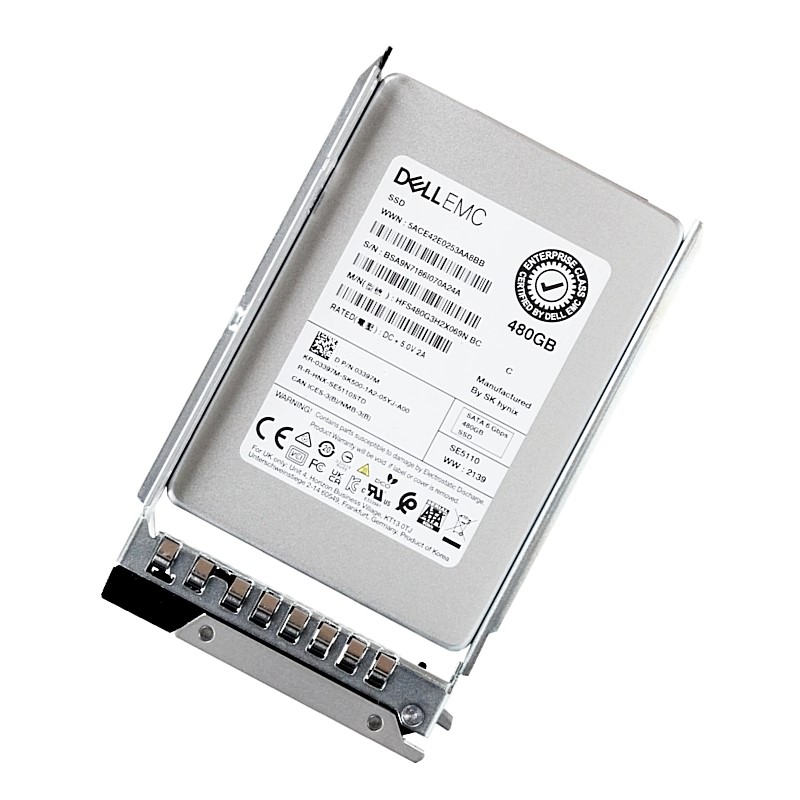


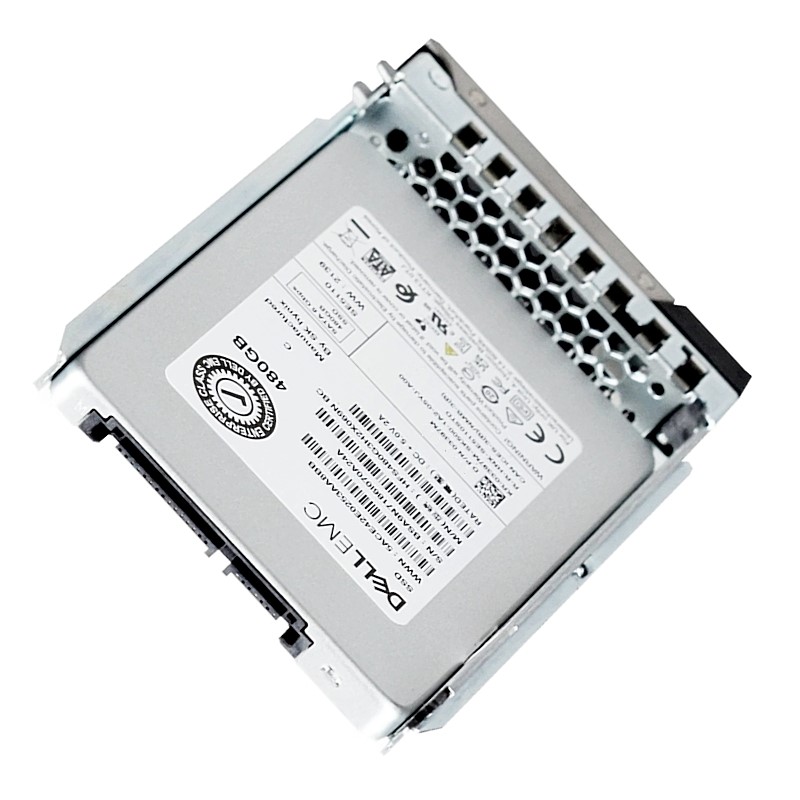
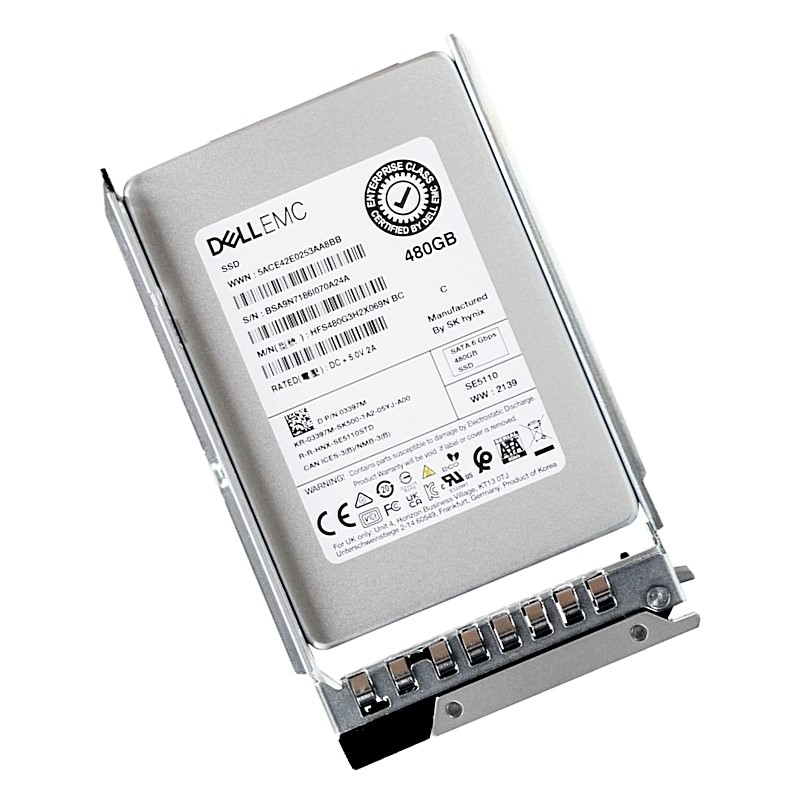
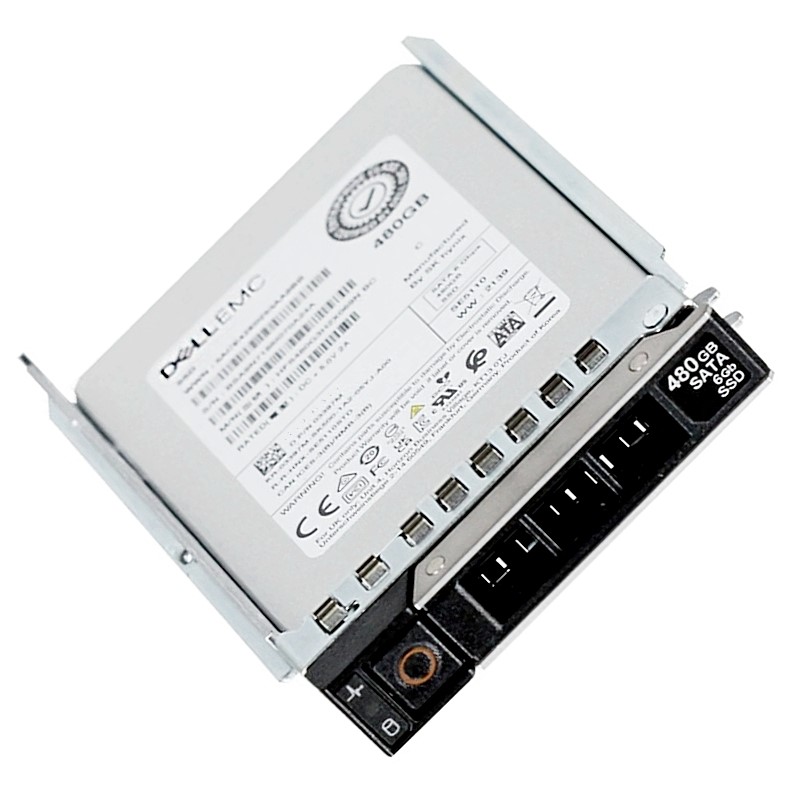
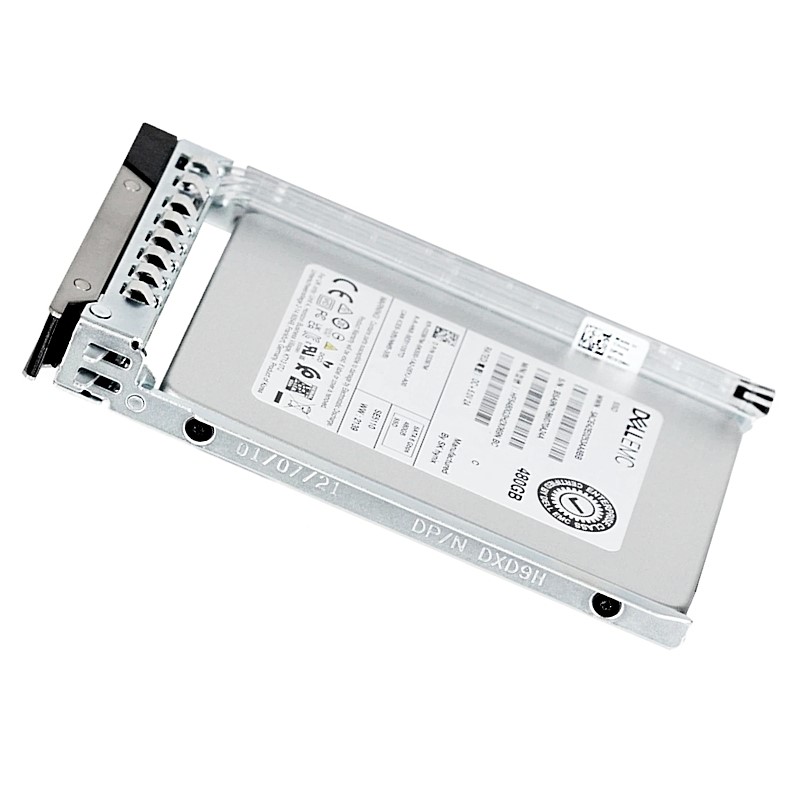
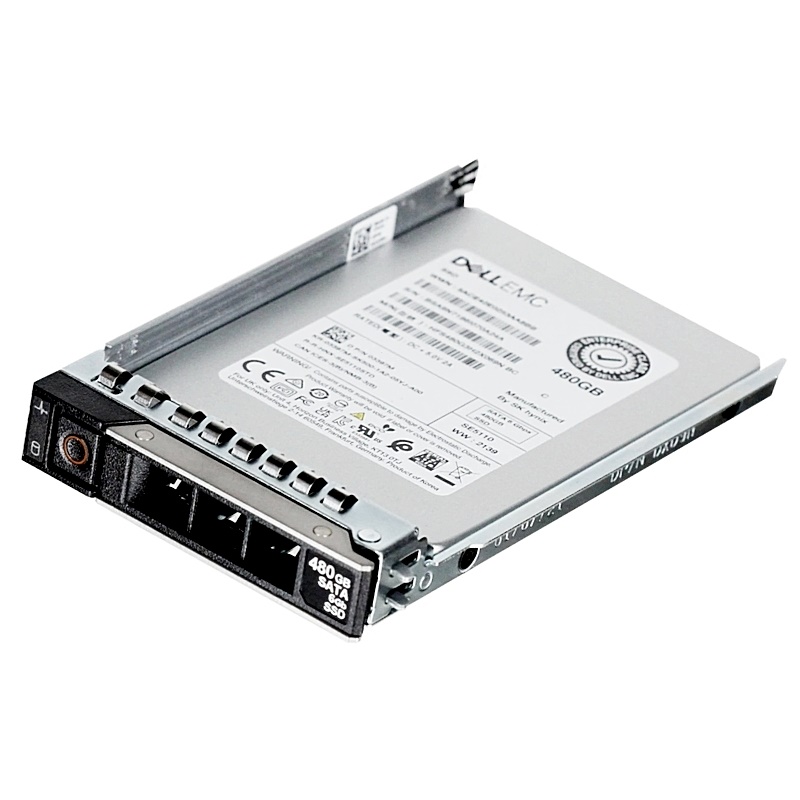
Dell 400-AXUC 480GB SATA-6GBPS Read Intensive Hot Plug SSD. New Sealed in Box (NIB) with 1 Year Warranty
The Dell 400-AXUC 480GB SATA-6Gbps Solid State Drive is a reliable storage component engineered for Dell PowerEdge servers. Designed for read-intensive workloads, this enterprise-grade SSD provides consistent performance, durability, and enhanced efficiency for demanding IT infrastructures.
This Dell 400-AXUC SSD offers dependable connectivity and expansion options that support enterprise server environments.
Built for professional data centers and server ecosystems, this drive ensures high reliability with error correction and wear-leveling technologies.
The hot-plug capability allows administrators to replace or upgrade drives without shutting down servers, minimizing downtime.
Perfect for workloads that demand frequent read operations such as:
The 2.5-inch small form factor design allows efficient integration into dense server environments without sacrificing storage performance.
The Dell 400-AXUC SATA SSD is validated for a wide range of Dell PowerEdge servers, ensuring seamless integration and optimized performance.
Read-intensive SSDs represent a specialized category of solid-state storage engineered specifically for workloads where read operations significantly outnumber write operations. Unlike consumer-grade SSDs or write-intensive enterprise drives, read-intensive models like the Dell 400-AXUC are optimized to deliver exceptional performance and endurance for data retrieval tasks while maintaining cost-effectiveness for large-scale deployments.
These drives excel in environments with typical read/write ratios of 90/10 to 80/20, making them ideal for applications where data is frequently accessed but infrequently modified. The architectural optimizations focus on maximizing read throughput and reducing latency while providing sufficient write endurance for the intended use cases.
The Dell 400-AXUC belongs to the enterprise SSD category, which differs fundamentally from consumer-grade solid-state drives in several critical aspects. Enterprise SSDs feature enhanced reliability mechanisms, power-loss protection, advanced error correction, and significantly higher endurance ratings. They're designed for 24/7 operation in demanding server environments where consistent performance and data integrity are paramount.
The Dell 400-AXUC utilizes the 2.5-inch hot-plug drive form factor with SATA 6Gbps interface compatibility. This industry-standard configuration ensures broad compatibility with existing server infrastructure and storage arrays. The hot-plug capability allows for drive replacement and maintenance without system shutdown, a critical feature for enterprise environments requiring maximum uptime.
Measuring 100.2mm x 69.85mm x 7mm, this drive conforms to the standard 2.5-inch drive specifications. The SATA interface provides both power and data connectivity through industry-standard connectors, ensuring seamless integration with Dell PowerEdge servers and compatible storage enclosures.
With its 480GB capacity, the 400-AXUC delivers optimized performance for read-intensive applications. The SATA 6Gbps interface provides maximum theoretical transfer speeds of 600MB/s, with the drive engineered to sustain high performance under continuous workload conditions. The read-intensive nature means optimized read performance while maintaining adequate write capabilities for mixed workloads.
The drive features a specified Total Bytes Written (TBW) rating appropriate for read-intensive workloads. This endurance metric indicates the total amount of data that can be written to the drive over its lifetime, with enterprise-grade SSDs typically offering significantly higher TBW ratings than consumer models. The specific TBW for the 400-AXUC ensures reliable operation in demanding 24/7 environments.
One of the primary applications for the Dell 400-AXUC is serving as boot drives in enterprise servers. The combination of fast read performance, reliability, and hot-swap capability makes these drives ideal for hosting operating systems and hypervisors in Dell PowerEdge servers and similar infrastructure.
In virtualized environments, these SSDs provide excellent performance for hypervisor boot operations and host-level operations where fast read access to system files and management components is crucial for overall virtualization performance.
Database systems with heavy read components, such as reporting databases, data warehouses, and business intelligence applications, benefit significantly from the Dell 400-AXUC's optimized read performance. The drives accelerate query response times and improve overall database performance for read-heavy operations.
While not typically used for primary database storage in write-intensive scenarios, these drives excel at storing database indexes, temporary tables, and certain types of log files where read performance is more critical than write endurance.
Web servers, particularly those serving static content, caching servers, and content delivery network edge nodes, represent ideal use cases for read-intensive SSDs. The Dell 400-AXUC accelerates content delivery by providing fast access to cached web content, images, and static resources.
In content delivery networks and edge computing scenarios, these drives provide the perfect balance of performance, capacity, and cost-effectiveness for storing frequently accessed content closer to end-users.
The 400-AXUC is engineered specifically for compatibility with Dell PowerEdge servers, including various generations of rack servers, tower servers, and modular infrastructure. The drive is validated and tested to ensure seamless operation with Dell's PERC controllers and management software.
This drive family supports multiple generations of Dell PowerEdge servers, including 12th, 13th, and 14th generations, providing investment protection and upgrade flexibility for existing Dell infrastructure deployments.
Beyond direct server installation, the 400-AXUC integrates effectively with Dell storage arrays and JBOD enclosures that support 2.5-inch SATA drives. This flexibility allows for scalable storage solutions using read-intensive SSDs for appropriate workload tiers.
These drives can be deployed in mixed storage environments alongside write-intensive SSDs and traditional hard drives, allowing organizations to implement tiered storage strategies that optimize performance and cost based on workload requirements.
The Dell 400-AXUC incorporates enterprise-grade NAND flash memory with enhanced endurance characteristics specifically designed for read-intensive workloads. The drive includes advanced wear-leveling algorithms that distribute write operations evenly across all memory cells, maximizing the drive's operational lifespan.
Sophisticated error correction codes (ECC) protect data integrity by detecting and correcting errors that may occur during data transmission and storage. This enterprise-level ECC implementation exceeds consumer-grade solutions in both capability and effectiveness.
Enterprise SSDs like the 400-AXUC typically include power-loss protection circuits that ensure data in transit is properly committed to non-volatile storage during unexpected power interruptions. This feature prevents data corruption and maintains filesystem integrity during power events.
The drive incorporates protected write cache technology that safeguards data in the drive's volatile cache memory, ensuring that acknowledged writes are preserved even during power failure scenarios.
While newer NVMe interfaces offer higher theoretical performance, the SATA 6Gbps interface remains highly relevant for many enterprise applications. The Dell 400-AXUC maximizes the potential of the SATA interface through advanced controller technology and NAND management algorithms.
Unlike consumer SSDs that may deliver high peak performance but struggle with sustained workloads, enterprise SSDs like the 400-AXUC are engineered to maintain consistent performance under continuous operation, making them suitable for always-on enterprise environments.
Enterprise SSDs include sophisticated QoS capabilities that ensure predictable performance levels under varying workload conditions. These features help maintain consistent I/O latency and throughput, which is critical for meeting service level agreements in multi-tenant environments.
The drive controller and firmware are optimized to minimize latency variations, providing predictable response times that are essential for performance-sensitive applications and virtualized environments.
Write-intensive SSDs incorporate different NAND technologies (typically single-level cell or multi-level cell with higher endurance) and are optimized for workloads with substantial write components. The Dell 400-AXUC, as a read-intensive model, provides cost-optimized performance for workloads where writes are less frequent.
The choice between read-intensive and write-intensive SSDs depends entirely on workload characteristics. Deploying write-intensive drives for read-heavy workloads represents unnecessary expenditure, while using read-intensive drives for write-heavy applications may result in premature wear-out.
Compared to traditional hard disk drives, the Dell 400-AXUC offers orders-of-magnitude improvements in random I/O performance, significantly lower access latency, and consistent performance characteristics unaffected by data fragmentation or physical read/write head movement.
The transition from HDD to SSD storage typically results in dramatic application performance improvements, particularly for I/O-sensitive workloads like database operations, virtualization, and web serving.
While NVMe technology represents the current performance frontier for solid-state storage, SATA SSDs continue to offer compelling value for many enterprise applications. The extensive installed base of SATA infrastructure and the cost-effectiveness of SATA SSDs ensure their ongoing relevance in enterprise storage architectures.
SATA and NVMe SSDs often coexist in modern datacenters, with each technology serving appropriate workload tiers. The Dell 400-AXUC provides excellent performance for applications that don't require NVMe-level performance but benefit significantly from SSD characteristics over traditional HDDs.
Deploying Dell-branded SSDs like the 400-AXUC in Dell server infrastructure ensures compatibility, supportability, and investment protection. Dell's extensive validation and testing processes guarantee that these components work seamlessly within Dell ecosystem.
Understanding the product lifecycle and availability of replacement components is crucial for long-term infrastructure planning. Dell typically provides clear lifecycle information for components like the 400-AXUC, enabling effective capacity and refresh planning.


 Contact Us
 Information
 Catalog
 Solid State Drives (SSD)
 Network Switches
 Hard Disk Drives
 HBA & Controllers
 PC & Servers
 PC & Server Memory
 CPU & Processors
 Network Routers
 Power Supplies
 Tape Drives & Libraries
 Network Devices
 Computer & Network Cables