(7% discount is applied at checkout)
Cart is empty
Your go-to destination for cutting-edge server products
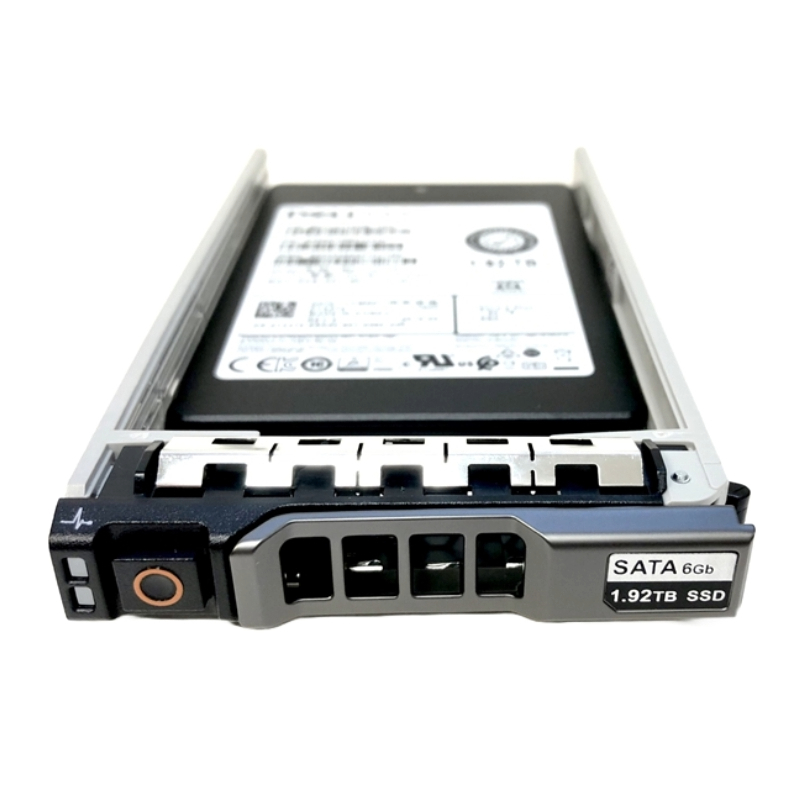


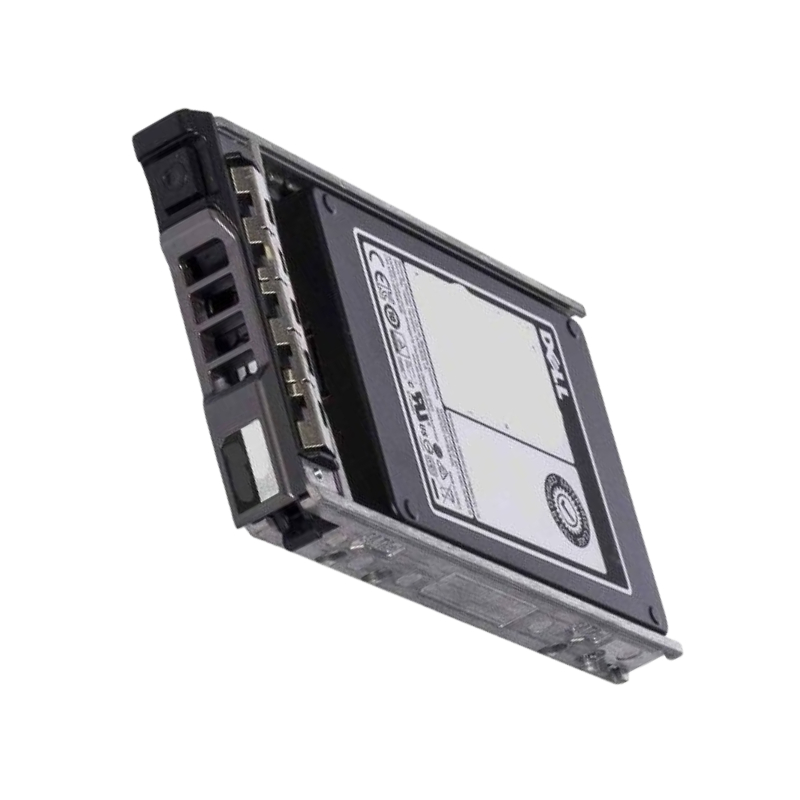
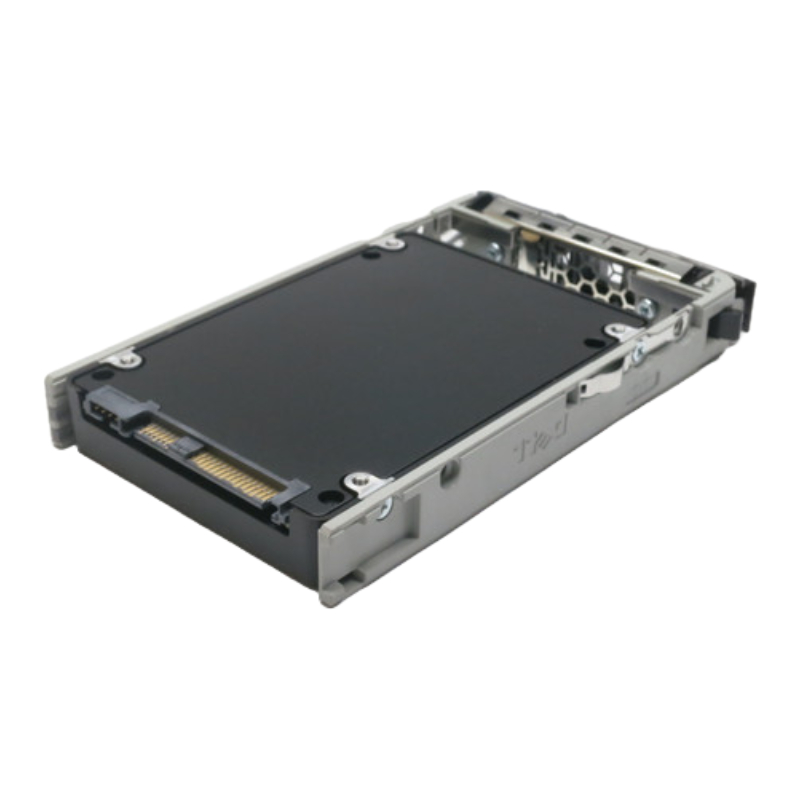
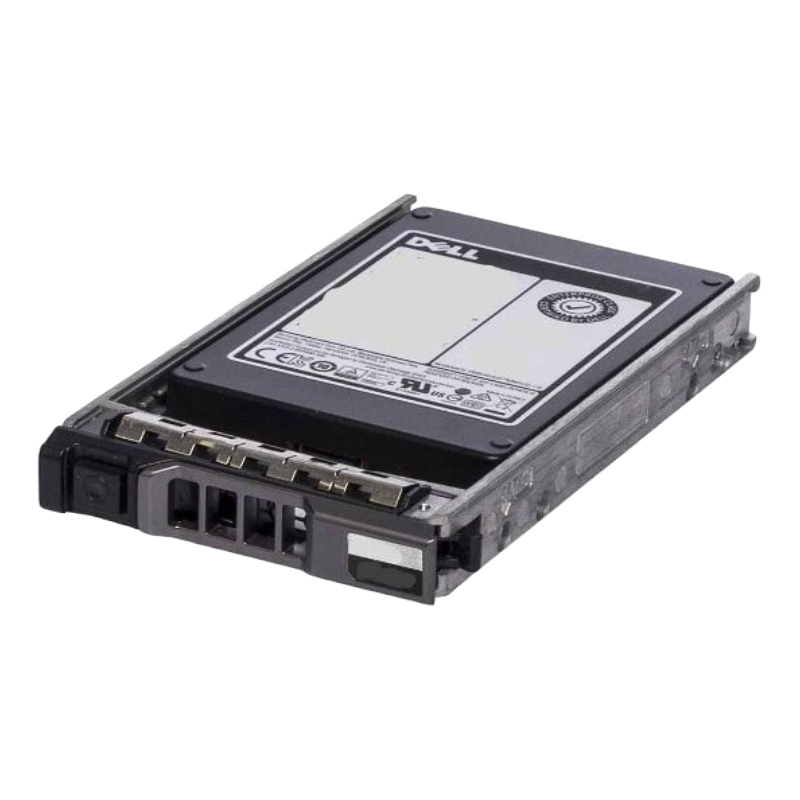
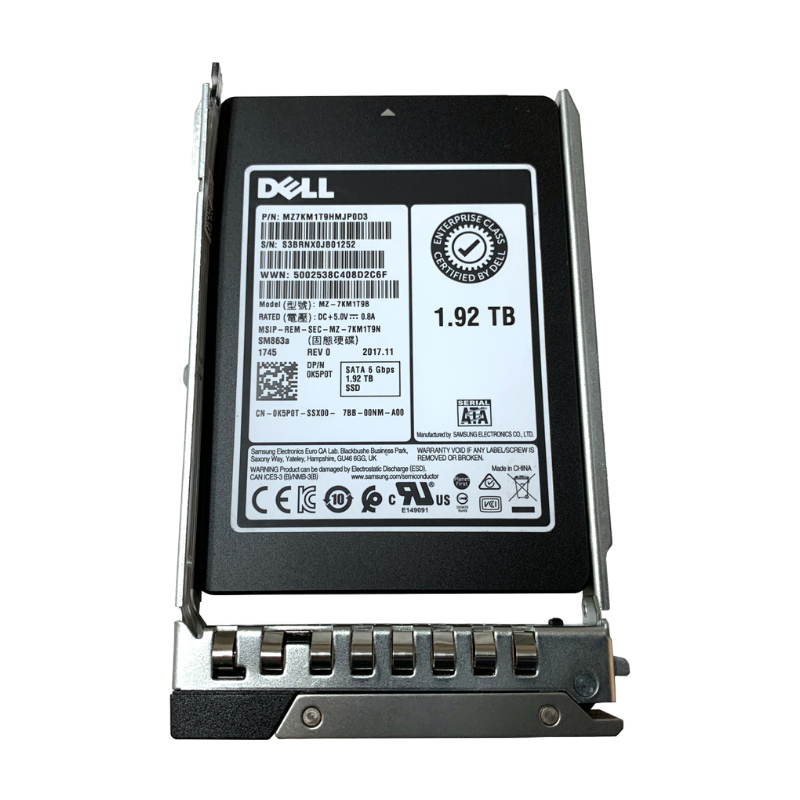
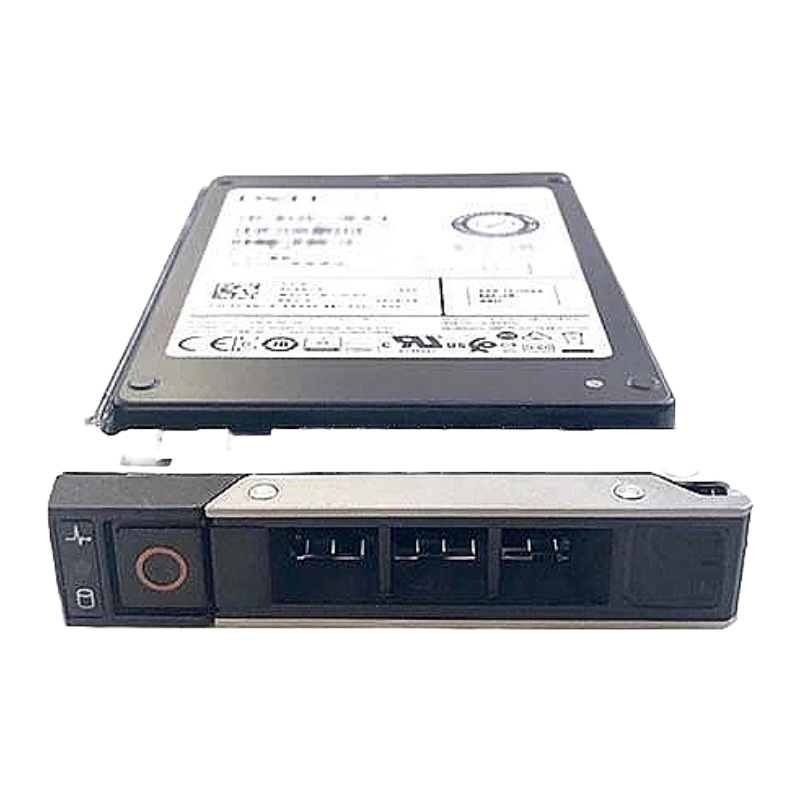
Dell 400-AZTN 1.92TB Read Intensive SATA 6GBPS SSD. New Sealed in Box (NIB) with 1 Year Warranty
The Dell 400-AZTN is a high-density enterprise solid-state drive (SSD) engineered for mixed-use workloads in Dell PowerEdge servers and PowerVault arrays. Combining 1.92 TB capacity, durable multi-level cell (MLC) NAND and a fast SATA 6 Gb/s interface, this 2.5-inch hot-swap storage module delivers balanced endurance and performance for virtualization, database caching, and general purpose storage tiers.
Designed as a mixed-use drive, the 400-AZTN strikes a practical balance between sequential throughput and random write endurance. Ideal for read-intensive and mixed read/write environments, this SSD performs well as:
With SATA III throughput up to ~600 MB/s, the drive is optimized for high sequential read/write transfers while providing low access latency typical of flash media compared with spinning disks.
MLC NAND used in this model delivers improved write endurance compared to consumer TLC solutions, making it suitable for enterprise mixed-use workloads that require a balance of lifespan and capacity.
Fully compatible (tested or supported) with the following Dell platforms:
The Dell 400-AZTN 1.92TB Read Intensive SATA Solid State Drive represents a significant leap forward in enterprise storage technology, specifically engineered for read-centric workloads in demanding data center environments. This 2.5-inch SATA SSD combines the reliability of Dell's enterprise hardware with optimized performance characteristics that make it ideal for a wide range of business-critical applications where read operations dominate the I/O profile.
Built with Dell's rigorous quality standards, the 400-AZTN series incorporates advanced NAND flash management techniques, sophisticated wear-leveling algorithms, and robust error correction capabilities. The 1.92TB capacity point strikes an optimal balance between storage density, performance consistency, and cost-effectiveness for organizations scaling their infrastructure.
The Dell 400-AZTN is available in the industry-standard 1.92TB capacity, providing substantial storage in a compact 2.5-inch form factor with a height of 7mm. This standardized sizing ensures broad compatibility with existing server and storage infrastructure across major OEM platforms.
Utilizing the SATA 6Gb/s interface, this SSD maintains backward compatibility with previous SATA generations while delivering maximum theoretical bandwidth of 600MB/s. The drive operates on the AHCI (Advanced Host Controller Interface) protocol, ensuring seamless integration with legacy systems without requiring specialized drivers or configuration.
Designed specifically for read-intensive applications, the 400-AZTN delivers exceptional sequential read speeds up to 560MB/s and sequential write speeds up to 510MB/s. Random performance reaches up to 91,000 IOPS for read operations and 26,000 IOPS for write operations, making it particularly well-suited for mixed workload environments with read dominance.
With a rated endurance of 1.3 Drive Writes Per Day (DWPD) over a 5-year warranty period, the 400-AZTN offers substantial write tolerance for read-focused workloads. The Mean Time Between Failures (MTBF) exceeds 2 million hours, demonstrating Dell's commitment to reliability in enterprise environments where uptime is critical.
In analytics environments where large datasets are frequently queried but infrequently updated, the Dell 400-AZTN excels at accelerating data retrieval operations. The drive's consistent read performance ensures that analytical queries return results quickly, improving decision-making speed and operational efficiency.
For database applications with read-heavy profiles, such as data warehousing, reporting databases, and content management systems, the 400-AZTN provides the optimal balance of capacity, performance, and endurance. The drive significantly reduces query response times compared to traditional hard drives while maintaining data integrity.
In VDI implementations, particularly non-persistent desktop pools where the operating system and application data are read frequently but user data is stored separately, the 400-AZTN delivers exceptional boot storm performance and application responsiveness. The drive's characteristics align perfectly with the read-intensive nature of VDI workload patterns.
For content delivery networks, media streaming platforms, and digital asset management systems, the consistent high read performance of the 400-AZTN ensures smooth content delivery and rapid asset retrieval. The 1.92TB capacity provides substantial storage for media libraries while maintaining quick access to frequently requested content.
The Dell 400-AZTN utilizes high-quality 3D TLC (Triple-Level Cell) NAND flash memory, optimized for enterprise read-intensive workloads. This technology provides an optimal balance between cost, capacity, and endurance while delivering the performance characteristics required for business-critical applications.
Sophisticated flash management algorithms, including advanced wear leveling, bad block management, and garbage collection, ensure optimal performance throughout the drive's lifespan. These technologies work together to maintain consistent I/O latency and prevent performance degradation over time.
Comprehensive data protection features include end-to-end data path protection, power-loss protection with capacitors that safeguard data in flight during unexpected power events, and advanced ECC (Error Correction Code) capabilities that detect and correct multi-bit errors, ensuring data reliability.
The 400-AZTN supports TCG Enterprise security specifications with optional SED (Self-Encrypting Drive) capabilities, providing hardware-based encryption that protects data at rest without impacting performance. This enterprise-grade security ensures compliance with data protection regulations and corporate security policies.
The drive supports the S.M.A.R.T. (Self-Monitoring, Analysis and Reporting Technology) command set, providing detailed information about drive health, temperature, wear indicators, and remaining lifespan. This proactive monitoring enables IT administrators to anticipate potential issues before they impact operations.
As a genuine Dell component, the 400-AZTN seamlessly integrates with Dell's systems management ecosystem, including OpenManage, SupportAssist, and other Dell EMC monitoring tools. This integration provides centralized management, automated firmware updates, and streamlined support processes.
The drive ships with Dell-validated firmware that has undergone extensive compatibility testing with Dell PowerEdge servers, PowerVault storage arrays, and Dell EMC Unity and SC Series storage systems. Regular firmware updates address performance optimizations, security enhancements, and compatibility improvements.
The Dell 400-AZTN occupies a strategic position in the storage hierarchy, delivering significantly higher performance than traditional hard drives while offering better cost efficiency compared to write-intensive SSDs. This makes it an ideal choice for organizations seeking to accelerate read performance without the premium cost of all-purpose enterprise SSDs.
Beyond the initial acquisition cost, the 400-AZTN delivers substantial TCO advantages through reduced power consumption, decreased cooling requirements, lower physical space utilization, and minimized administrative overhead compared to hard drive-based solutions. These factors contribute to a compelling ROI for storage infrastructure upgrades.
Unlike general-purpose SSDs that attempt to balance read and write performance equally, the 400-AZTN is specifically engineered to excel in read-dominated scenarios. This specialized approach allows for optimization of NAND flash management, controller algorithms, and cache strategies that maximize performance for target workloads.
In multi-tier storage architectures, the Dell 400-AZTN serves as an excellent performance tier for active data that requires frequent access. Implementing automated tiering policies can maximize the value proposition by ensuring that frequently accessed data resides on the SSD tier while less active data migrates to more cost-effective storage.
When deploying multiple 400-AZTN drives in RAID configurations, careful consideration should be given to the specific RAID level based on performance, capacity, and redundancy requirements. RAID 10 often provides the optimal balance for read performance and data protection, while RAID 5 or RAID 6 may be more appropriate for capacity-optimized deployments.
The 1.92TB capacity point enables flexible scaling strategies, allowing organizations to right-size their performance tier storage. For larger deployments, mixing 400-AZTN drives with higher capacity read-intensive or mixed-use SSDs can create a balanced performance profile while optimizing storage density.
With typical active power consumption under 5 watts and idle power below 1 watt, the 400-AZTN delivers exceptional performance per watt compared to traditional hard drives. This power efficiency translates directly to reduced operational costs and environmental impact in large-scale deployments.
The drive operates within a wide temperature range (0°C to 70°C) and incorporates thermal monitoring and throttling mechanisms to prevent overheating in dense server configurations. Proper airflow management ensures optimal performance and longevity in high-density storage environments.
As a solid-state device with no moving parts, the 400-AZTN offers superior resistance to shock and vibration compared to mechanical hard drives. This characteristic makes it particularly well-suited for environments with physical disturbances or high-vibration conditions.
While NVMe technology continues to gain market share, the ubiquitous SATA interface ensures that the 400-AZTN remains relevant in existing infrastructure and new deployments where SATA connectivity predominates. The extensive installed base of SATA-compatible systems guarantees ongoing relevance for the foreseeable future.
As Dell continues to innovate in the storage space, the technologies and learnings from the 400-AZTN series inform the development of next-generation read-optimized storage solutions. This evolutionary approach ensures continuity and investment protection for organizations standardizing on Dell storage components.
In healthcare environments, the 400-AZTN accelerates access to medical images, patient records, and diagnostic data while maintaining the reliability required for critical care applications. The drive's performance characteristics align well with the read-intensive nature of electronic health record systems and medical imaging archives.
For financial institutions processing market data, transaction records, and analytical models, the consistent low-latency read performance of the 400-AZTN enables faster data processing and improved responsiveness for trading applications and risk analysis systems.
In academic and research settings where large datasets are accessed frequently for analysis and computation, the 400-AZTN provides the performance needed to accelerate research workflows while offering the reliability required for long-term data preservation and access.
Proper configuration of operating system settings, including partition alignment, TRIM support, and power management policies, ensures optimal performance from the 400-AZTN. Dell provides detailed configuration guidelines for major operating systems and hypervisors to maximize performance in specific environments.
Many enterprise applications offer storage-specific tuning parameters that can be optimized for the performance characteristics of read-intensive SSDs. Database buffer pool sizing, application cache configuration, and I/O pattern optimization can further enhance the benefits delivered by the 400-AZTN in specific use cases.
The Dell 400-AZTN is validated for use across Dell's extensive server portfolio, including PowerEdge rack servers, tower servers, and modular infrastructure. Compatibility matrices provide detailed guidance on supported configurations, firmware requirements, and performance expectations for specific server models.
In Dell EMC storage arrays, the 400-AZTN can be deployed as a performance-optimized tier within automated storage tiering systems. The drive's characteristics are well-understood by Dell storage operating systems, enabling optimal data placement and movement policies based on access patterns.
The economic benefits of deploying the 400-AZTN extend beyond simple performance comparisons. Organizations should consider the impact on application responsiveness, user productivity, infrastructure consolidation opportunities, and operational efficiency when evaluating the total value proposition.
When compared to alternative storage technologies, including 10K/15K RPM hard drives and higher-endurance SSDs, the 400-AZTN typically demonstrates superior TCO for read-intensive workloads. The combination of acquisition cost, power efficiency, reliability, and performance creates a compelling economic case for targeted deployments.


 Contact Us
 Information
 Catalog
 Solid State Drives (SSD)
 Network Switches
 Hard Disk Drives
 HBA & Controllers
 PC & Servers
 PC & Server Memory
 CPU & Processors
 Network Routers
 Power Supplies
 Tape Drives & Libraries
 Network Devices
 Computer & Network Cables