(7% discount is applied at checkout)
Cart is empty
Your go-to destination for cutting-edge server products
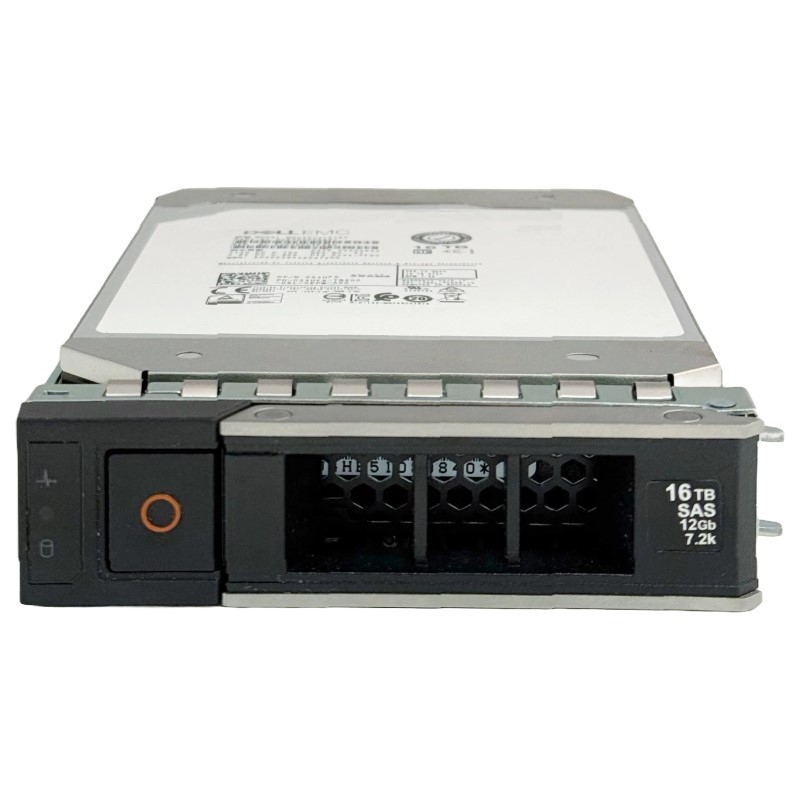


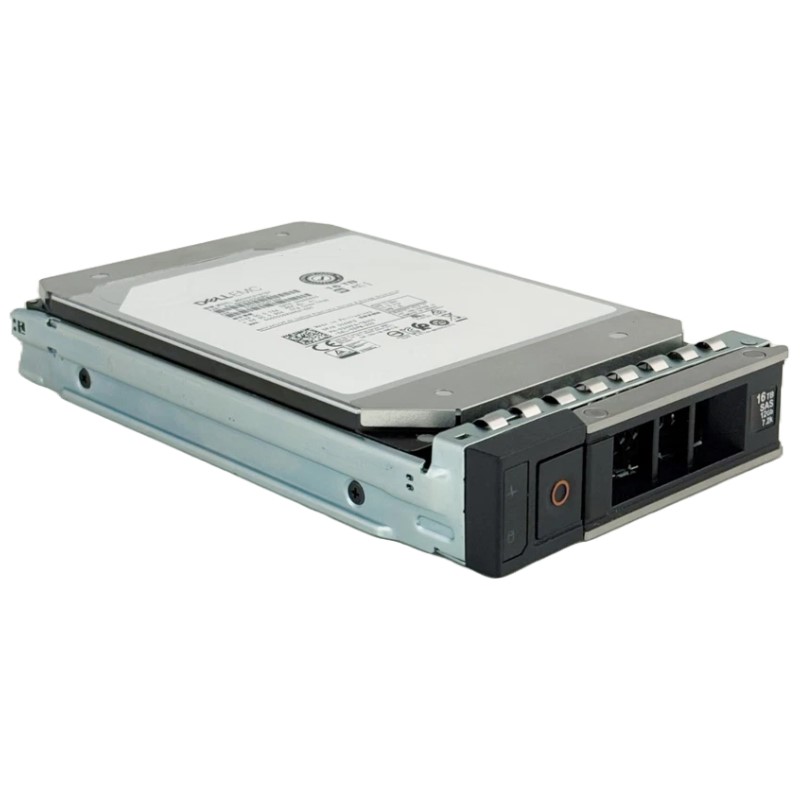
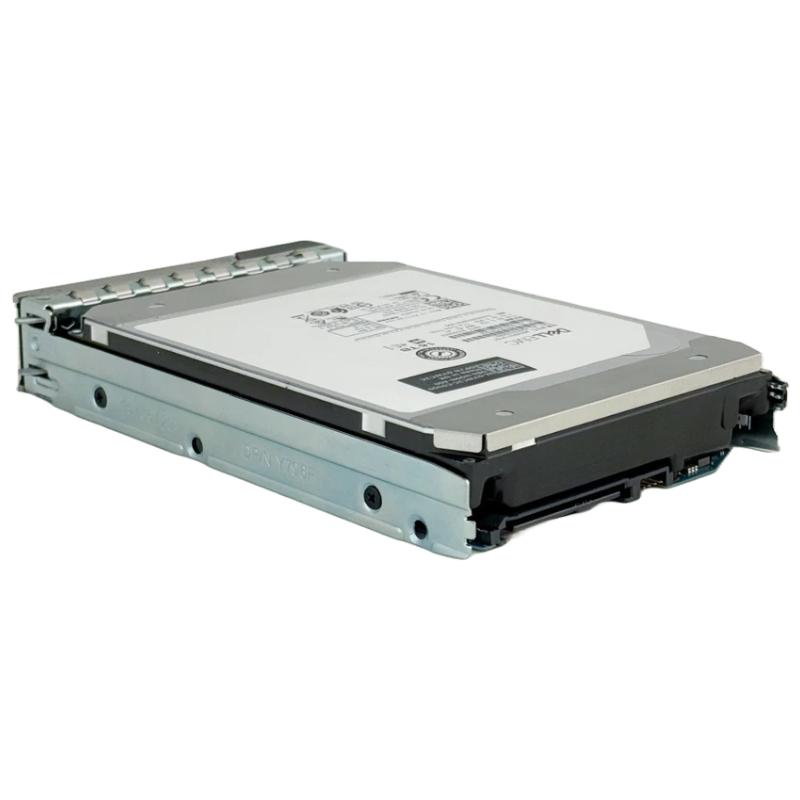
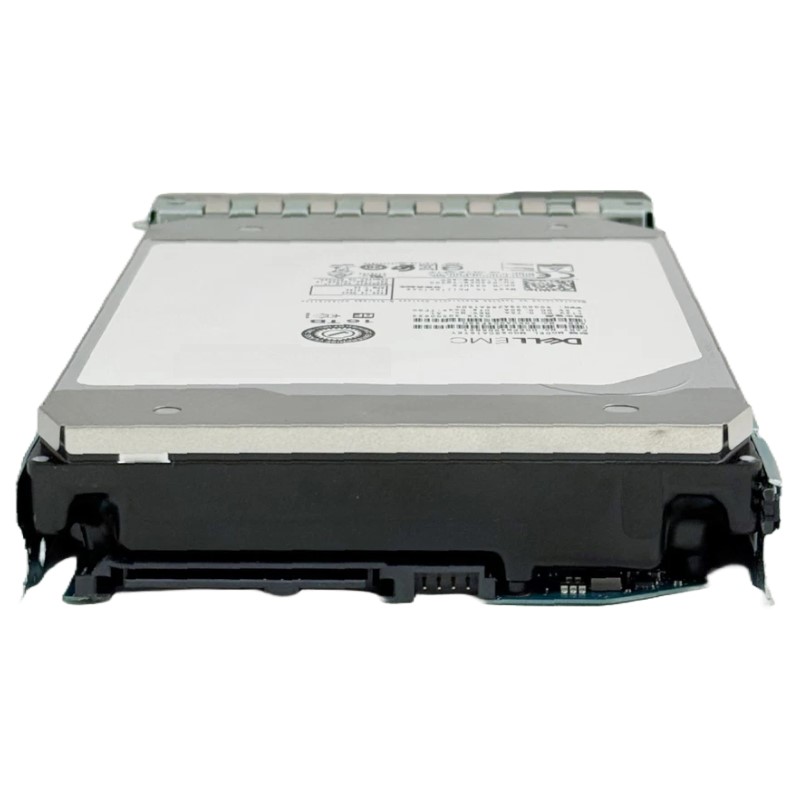
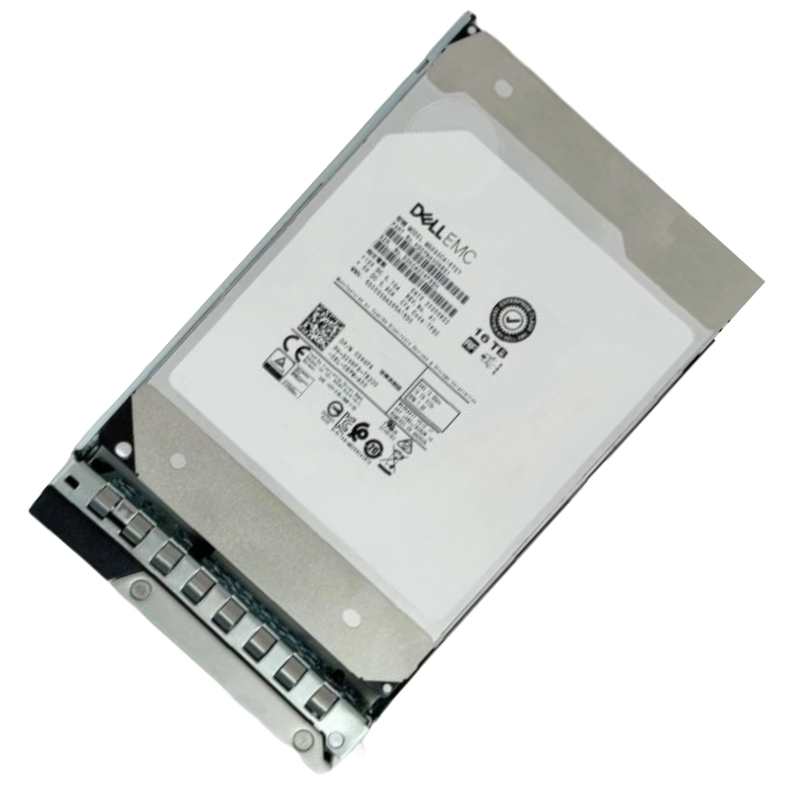
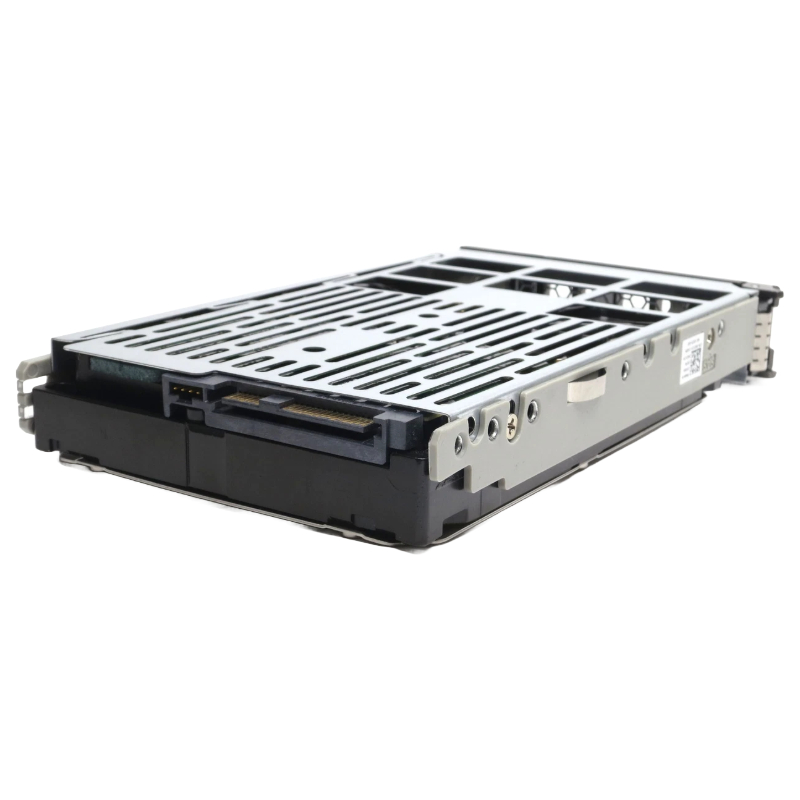
Dell 400-BHJH 16TB 7.2K RPM SAS-12GBPS 512MB 512E 3.5inch HDD With Tray For 14G Server. New Sealed in Box (NIB) with 1-Year Replacement Warranty
The Dell 400-BHJH 16TB SAS hard drive is engineered for enterprise-grade storage environments, offering massive capacity, reliable performance, and hot-plug functionality for seamless integration into modern server infrastructures.
The Dell 400-BHJH 16TB 7.2K RPM SAS-12Gbps 512MB 512e 3.5-inch Hard Disk Drive category represents a high-capacity enterprise storage solution engineered for large-scale data environments requiring reliability, endurance, and consistent performance. Designed for mission-critical workloads, this class of hard drives is widely implemented in data centers, enterprise servers, cloud infrastructures, virtualization platforms, and large archival storage systems where sustained throughput and data integrity are essential.
Built around the SAS 12Gbps interface, this storage category ensures fast and stable communication between storage arrays and server controllers. The 16TB capacity provides significant scalability for organizations managing rapidly expanding datasets, including backup repositories, surveillance archives, analytics platforms, and virtualization storage pools. With a rotational speed of 7,200 RPM and a large 512MB cache buffer, this drive category balances performance and storage density efficiently within enterprise-grade environments.
The Dell 400-BHJH series is engineered for environments where storage density and reliability must coexist. The 16TB capacity per drive enables organizations to minimize physical rack space while maximizing total available storage. This architecture is particularly valuable in hyperscale data centers and enterprise storage arrays where space efficiency directly impacts operational costs and cooling efficiency.
Each drive in this category is designed to handle continuous workloads, making it suitable for 24/7 operations. The internal components are optimized for sustained read and write cycles, ensuring that performance does not degrade under prolonged usage conditions typical in enterprise applications.
The 7,200 revolutions per minute spindle speed offers a balanced approach between performance and energy efficiency. While not as fast as higher RPM drives used in specialized high-speed applications, this rotational speed provides stable throughput suitable for sequential workloads, bulk data transfers, and large-scale storage access patterns.
This makes the category particularly effective in backup systems, cold storage environments, and data archival systems where consistent access is more important than ultra-low latency performance.
The Serial Attached SCSI (SAS) 12Gbps interface is a defining feature of this storage category. It enables high-speed data transfer rates between the drive and server infrastructure, reducing bottlenecks in multi-drive arrays. This interface also supports full-duplex communication, ensuring simultaneous read and write operations without performance degradation.
SAS technology provides superior signal integrity compared to traditional SATA interfaces, making it more suitable for enterprise-grade deployments. Error detection and correction mechanisms embedded within the protocol help maintain data consistency across high-load environments.
The SAS 12Gbps architecture is fully compatible with advanced RAID configurations commonly used in enterprise systems. This ensures data redundancy, fault tolerance, and performance scaling across multiple drives operating in parallel within storage arrays.
A 512MB cache buffer significantly enhances data handling efficiency by temporarily storing frequently accessed or pending data operations. This reduces the number of direct disk accesses required, thereby improving overall system responsiveness in enterprise workloads.
The cache system assists in smoothing out write-intensive operations by temporarily absorbing bursts of data before committing them to disk. This is particularly beneficial in environments where multiple applications are writing simultaneously to shared storage resources.
In scenarios involving multiple concurrent users or virtual machines, the cache helps accelerate repeated data retrieval requests. This results in improved performance consistency across distributed workloads.
The 512e (512-byte emulation) sector format used in this category bridges legacy compatibility with modern storage efficiency. It allows seamless integration with older systems while maintaining the benefits of advanced formatting techniques that improve storage density and error correction capabilities.
By optimizing sector alignment and data structuring, 512e formatting reduces wasted space and improves overall disk utilization. This is essential in high-capacity drives where maximizing usable storage is a critical requirement.
Organizations transitioning from older storage infrastructure benefit from 512e compatibility, as it ensures that existing applications and operating systems can continue functioning without requiring major reconfiguration.
The 3.5-inch form factor is widely adopted in enterprise storage systems due to its ability to accommodate high-capacity platters and efficient cooling designs. This size allows for optimal airflow management within server chassis and storage enclosures.
Drives in this category are commonly deployed in rack-mounted servers and storage arrays. Their standardized dimensions ensure compatibility across a wide range of enterprise hardware platforms.
The physical design supports high-density configurations, allowing multiple drives to be installed within a single storage enclosure. This scalability is crucial for organizations expanding their data infrastructure without significantly increasing physical footprint.
The Dell 400-BHJH category is widely utilized in modern data centers where large-scale storage capacity is essential. These environments rely on consistent performance, high availability, and redundancy to support mission-critical applications.
Cloud service providers use this category of hard drives to build scalable storage backends capable of handling vast amounts of user data. The combination of high capacity and SAS interface performance ensures efficient multi-tenant data handling.
For long-term data retention, this storage category provides a cost-effective solution for backup repositories and archival systems. Its reliability ensures data integrity over extended storage periods.
Virtual machine hosting environments benefit from the drive’s ability to manage multiple concurrent read and write operations. The large cache and SAS interface help maintain stable performance under virtualized workloads.
Designed for continuous operation, the Dell 400-BHJH category supports enterprise workloads that require uninterrupted uptime. This makes it suitable for critical systems that cannot afford downtime.
Advanced engineering ensures that the drive maintains stable performance under varying thermal conditions. Mechanical components are designed for durability, reducing failure rates in high-intensity environments.
Built-in error correction mechanisms ensure that data corruption risks are minimized. This is essential in enterprise systems where data accuracy is critical for operational continuity.
The Dell 400-BHJH 16TB SAS HDD category is fully compatible with a wide range of enterprise servers and storage controllers. This ensures seamless integration into existing IT infrastructure without requiring major hardware redesigns.
Organizations can scale their storage capacity by integrating multiple drives into storage arrays, enabling flexible expansion as data requirements grow.
This category is often used in hybrid storage environments where HDDs complement SSDs by providing high-capacity storage layers for less frequently accessed data.


 Contact Us
 Information
 Catalog
 Solid State Drives (SSD)
 Network Switches
 Hard Disk Drives
 HBA & Controllers
 PC & Servers
 PC & Server Memory
 CPU & Processors
 Network Routers
 Power Supplies
 Tape Drives & Libraries
 Network Devices
 Computer & Network Cables