(7% discount is applied at checkout)
Cart is empty
Your go-to destination for cutting-edge server products
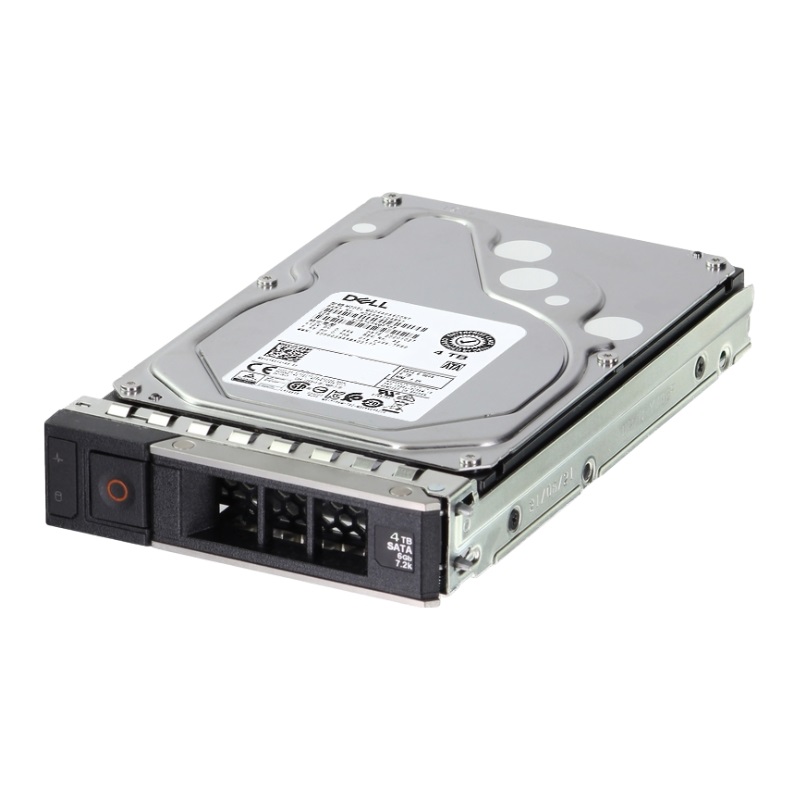


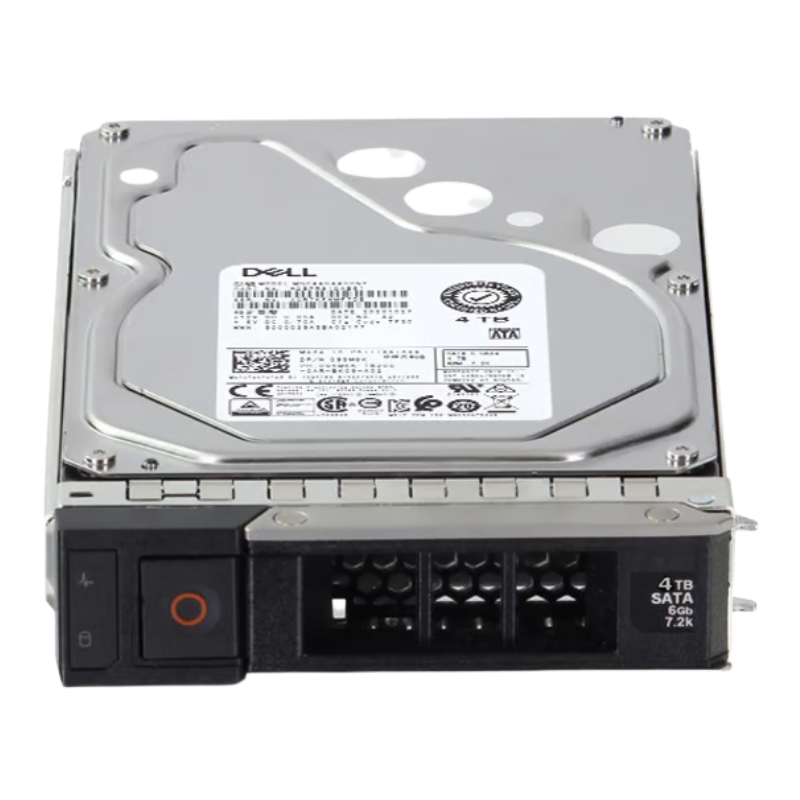
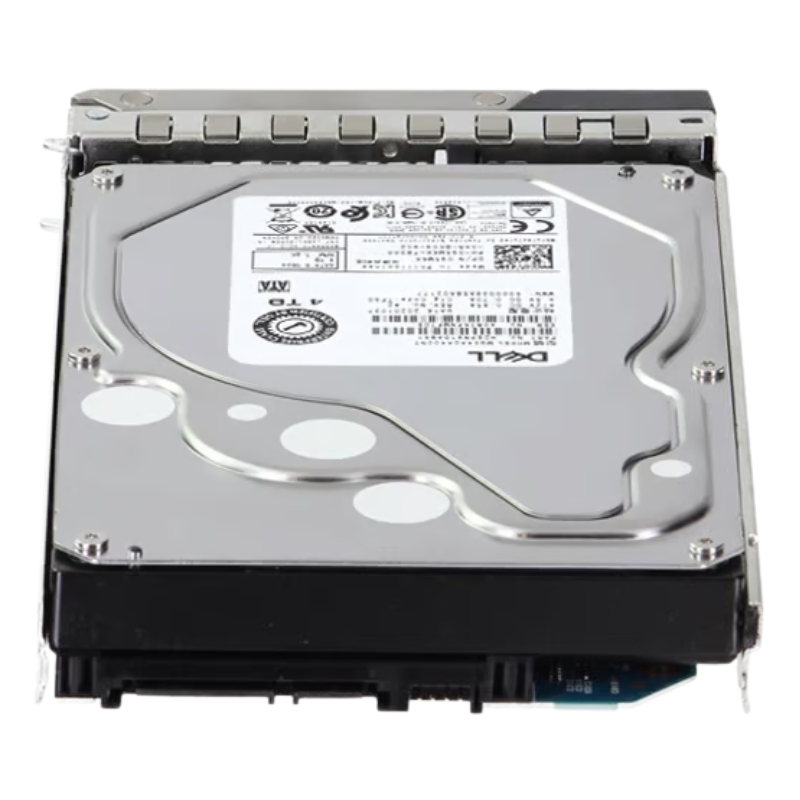
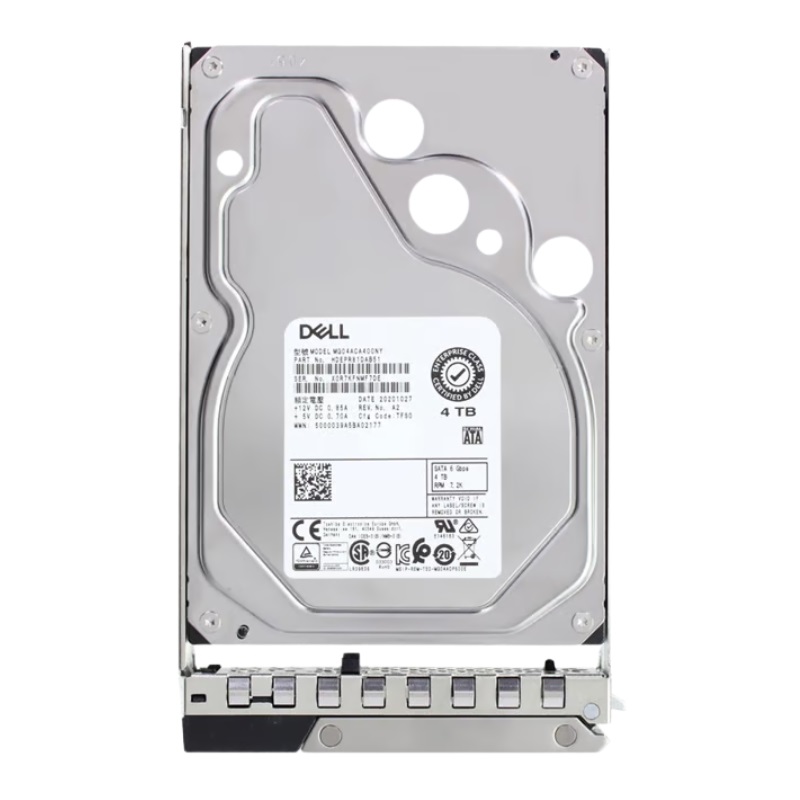
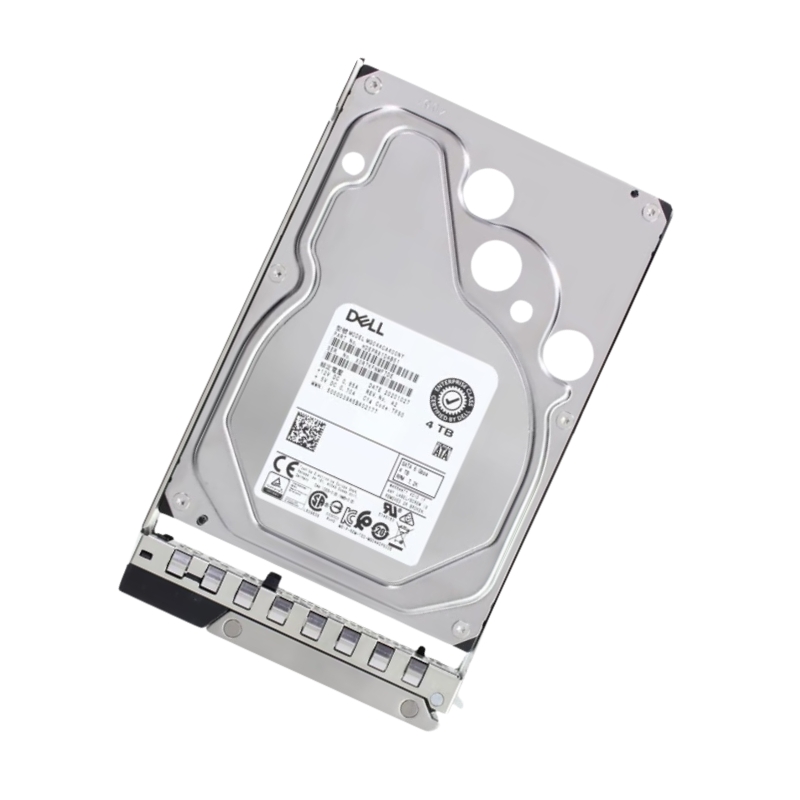
4TB 7.2K RPM SATA 6GBPS 512n Hot Plug Hard Drive Dell 400-BLLF. New Sealed in Box (NIB) with 1 Year Warranty
The Dell 400-BLLF 4TB Hard Drive with Tray is a high-performance, enterprise-grade storage device designed specifically for Dell PowerEdge server environments. Built for reliability, scalability, and consistent performance, this 3.5-inch hot-plug SATA drive delivers dependable data handling for demanding workloads in modern data centers and business-critical applications.
The Dell 400-BLLF 4TB 7.2K RPM SATA 6Gbps 512n Hot Plug Hard Drive belongs to a specialized class of enterprise-grade storage devices designed for scalable server environments, data-intensive workloads, and continuous operational uptime requirements. This category of hard disk drives is engineered to support enterprise servers, rack-mounted storage arrays, and modular data center infrastructures where reliability, compatibility, and consistent performance are essential. Built on SATA 6Gbps interface architecture, this storage category is widely deployed in business-critical environments that require cost-effective yet dependable storage expansion options.
The 4TB capacity class is widely adopted in enterprise environments where medium-scale storage expansion is required without transitioning to high-density helium-based or hybrid storage technologies. This capacity tier is particularly suitable for departmental file servers, internal cloud storage nodes, and backup repositories. It allows system administrators to scale storage gradually while maintaining predictable performance characteristics across storage arrays.
The 7200 RPM spindle speed is a critical factor in determining the drive’s performance characteristics. This rotational speed strikes a balance between energy efficiency and data throughput, making it suitable for enterprise workloads that involve frequent sequential access patterns. While not as fast as SSD solutions, this speed provides reliable performance for applications such as data archiving, media storage, and backup processing tasks where sustained throughput is more important than ultra-low latency.
The SATA 6Gbps interface is one of the most widely adopted storage connectivity standards in enterprise and consumer systems. In the Dell 400-BLLF series, this interface enables high compatibility across server platforms while delivering sufficient bandwidth for traditional hard drive workloads. The interface ensures smooth integration into Dell PowerEdge servers and other enterprise-grade systems that support SATA backplanes.
One of the key advantages of SATA 6Gbps technology is its backward compatibility with older SATA standards. This allows IT departments to deploy the Dell 400-BLLF drives in legacy infrastructures without requiring major hardware upgrades. Such flexibility significantly reduces operational costs and simplifies system upgrades in phased data center modernization strategies.
The 512n sector format indicates that the drive uses native 512-byte sectors, which is a traditional and widely supported configuration in enterprise storage environments. This format ensures maximum compatibility with older operating systems, RAID controllers, and enterprise software applications that rely on standard sector alignment structures.
By maintaining a native sector structure, the Dell 400-BLLF ensures seamless integration into both legacy and modern infrastructures. This is particularly important in mixed IT environments where different generations of hardware coexist and must operate within the same storage ecosystem.
Hot plug capability is a critical feature in enterprise storage systems that allows drives to be inserted or removed without shutting down the system. The Dell 400-BLLF supports this functionality, enabling administrators to perform maintenance, upgrades, or replacements without interrupting service availability. This feature is essential for mission-critical applications where downtime can lead to significant operational or financial impact.
One of the primary applications of this drive category is server storage expansion. Enterprises often deploy these drives in modular configurations to increase storage capacity without replacing existing infrastructure. This scalability allows businesses to adapt to growing data requirements efficiently.
Backup systems rely heavily on high-capacity drives that can store large volumes of data reliably. The Dell 400-BLLF is ideal for such environments due to its stability and consistent performance. It supports long-term data retention strategies where speed is secondary to capacity and reliability.


 Contact Us
 Information
 Catalog
 Solid State Drives (SSD)
 Network Switches
 Hard Disk Drives
 HBA & Controllers
 PC & Servers
 PC & Server Memory
 CPU & Processors
 Network Routers
 Power Supplies
 Tape Drives & Libraries
 Network Devices
 Computer & Network Cables