(7% discount is applied at checkout)
Cart is empty
Your go-to destination for cutting-edge server products
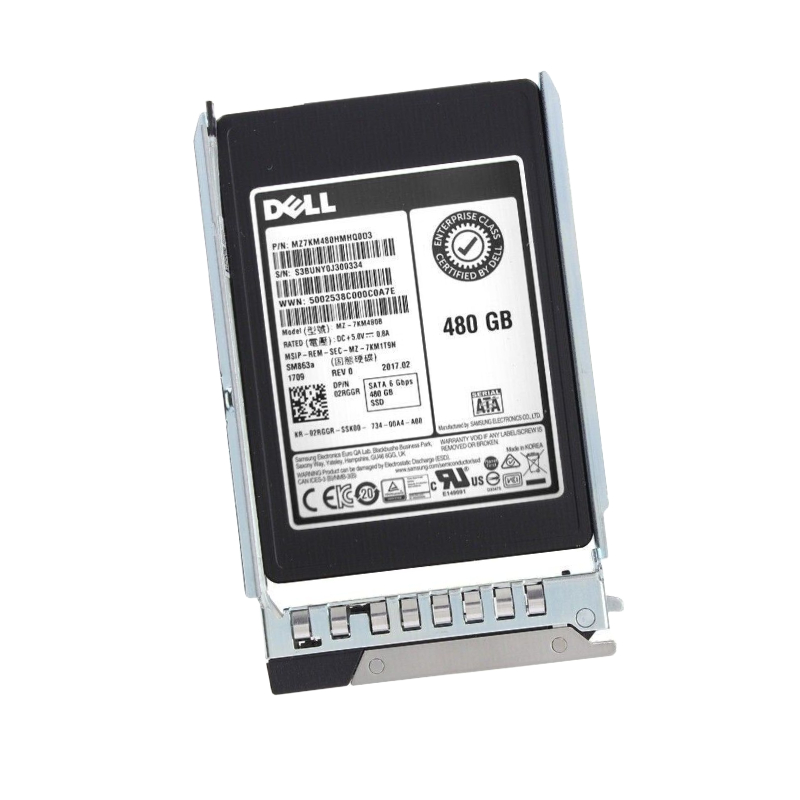


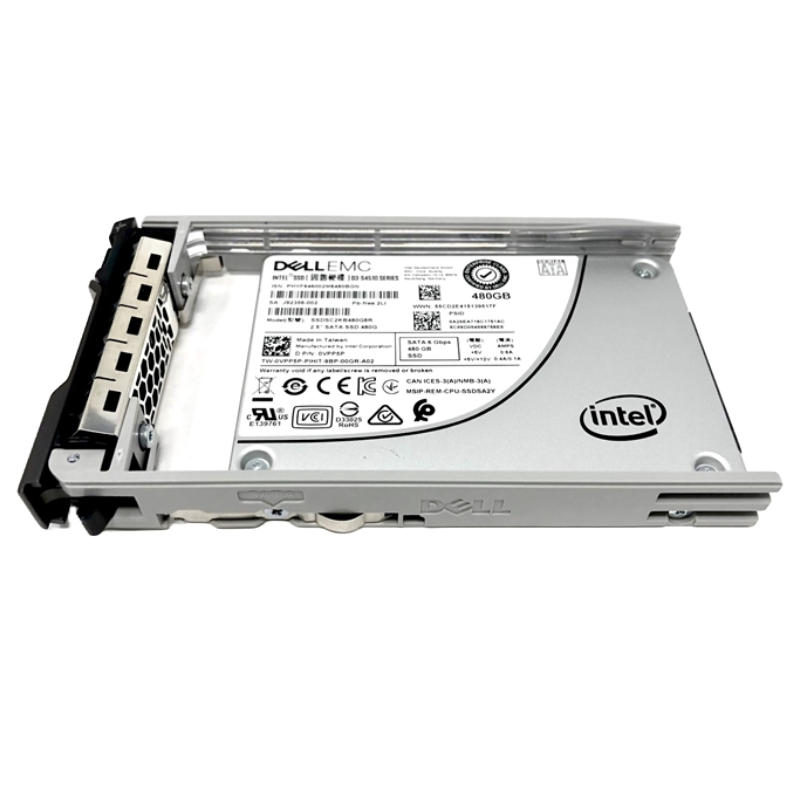
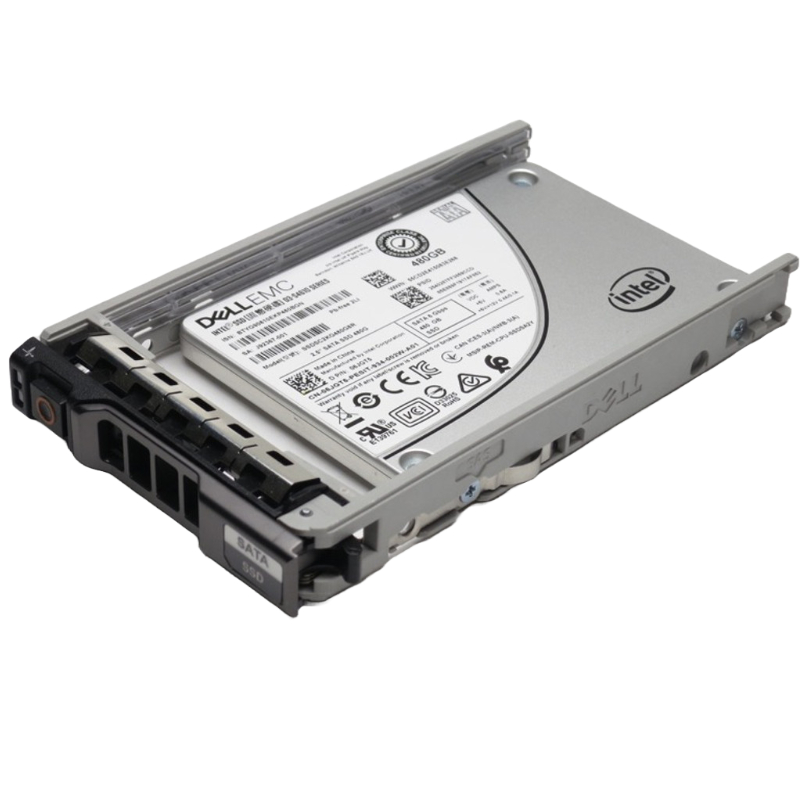
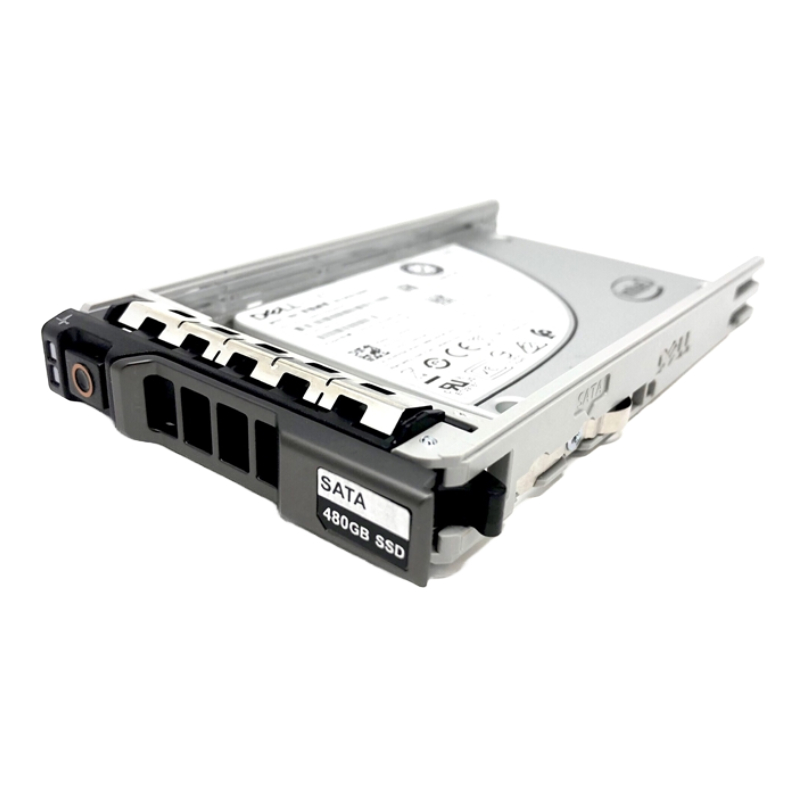
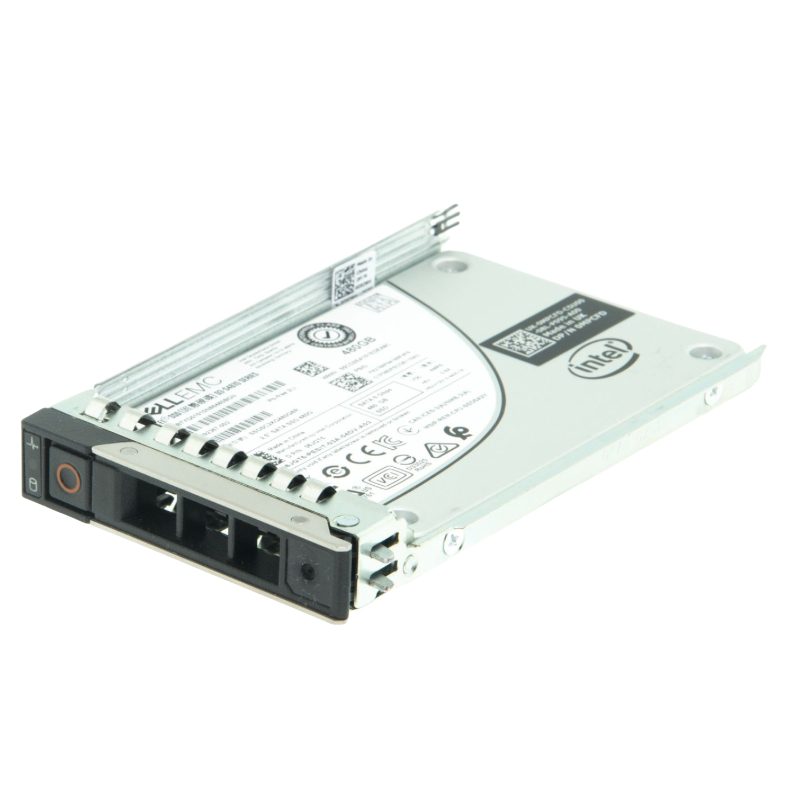
Dell 2RGGR 480GB SATA 6GBPS 2.5Inch Mixed Use MLC Hot Plug SSD. New Sealed in Box (NIB) with 1 year Replacement Warranty
| SKU/MPN | Warranty | Price | Condition | You save |
|---|---|---|---|---|
| 2RGGR | 1 Year Warranty | $655.00 | New Sealed in Box (NIB) | You save: $229.25 (26%) |
| 2RGGR | 1 Year Warranty | $275.00 | Excellent Refurbished | You save: $96.25 (26%) |
The Dell 2RGGR 480GB Mixed-Use MLC SATA 6Gbps 2.5-Inch Hot-Plug Solid State Drive is tailored for demanding enterprise-grade environments. Built to integrate effortlessly with Dell PowerEdge servers, this SSD ensures dependable performance and long-term resilience.
Designed For Demanding Enterprise Environments, The Dell 2RGGR 480GB SATA 6Gbps 2.5-Inch Mixed Use MLC Hot Plug SSD Represents A Balanced Blend Of Performance, Endurance, And Manageability That Fits A Wide Range Of Server And Storage Applications. This Category Description Explores The Product Family Characteristics, Technical Advantages, And Real-World Applications That Make These Drives A Go-To Option For Data Centers, Virtualized Workloads, And Mixed Read/Write Storage Tiers.
The 2.5-Inch Form Factor And Standard SATA 6Gbps Interface Ensure Broad Compatibility With Existing Server Chassis, RAID Controllers, And Storage Enclosures. Hot Plug Capability Allows For Drive Replacement Or Expansion Without Shutting Down The Host System, Reducing Planned Downtime And Simplifying Serviceability. The SATA Interface Delivers Predictable Throughput And Latency Characteristics That Integrate Seamlessly With Legacy Backplanes And Enclosures Designed For 2.5-Inch Drives.
Equipped With MLC Flash, The Drive Balances Capacity Efficiency With Durability. Mixed Use Rating Indicates That The Drive Is Engineered For Workloads That Include Both Reads And Writes At Moderate Rates. Endurance Metrics Such As Drive Writes Per Day (DWPD) And Total Terabytes Written (TBW) May Vary By Firmware And Usage Patterns, But The MLC Architecture Typically Offers Improved Write Endurance Over TLC Alternatives While Still Providing Competitive Cost Per Gigabyte.
Performance For The Dell 2RGGR 480GB SSD Is Tuned To Deliver Strong Sustained Read Throughput, Rapid Random I/O Response, And Stable Write Performance Under Typical Mixed Workloads. Sequential Throughput Benefits From The SATA 6Gbps Link, While Random IOPS Are Driven By The Drive Controller, Flash Parallelism, And Internal Firmware Optimizations. Predictable Latency And Sustained Performance Under Moderate Queue Depths Make These Drives Well Suited For Multi-User Server Environments.
Reads Are Typically Extremely Fast Relative To Spinning Media, Enabling Faster Application Response Times And Reduced IO Wait. Writes Benefit From Internal Caching And Over-Provisioning Strategies That Absorb Bursty Write Burdens And Smooth Out Performance Over Time. Writes To Mixed Use MLC Will Exhibit Higher Endurance Than Consumer-Grade Options, But Administrators Should Still Consider Workload Characterization And Appropriate Over-Provisioning To Maximize Drive Life.
Random IOPS Performance Is A Key Metric For Server Storage, And The Dell 2RGGR Drives Provide Competitive Random Read And Write IOPS For Their Class. Latency Remains Low In Typical Operating Conditions, Which Improves Transactional Performance For Databases, Virtual Machines, And High-Concurrency Applications. Consistent Latency At Moderate Queue Depths Helps Maintain Service Level Objectives For Business-Critical Services.
Enterprise Deployments Demand Robust Reliability And Data Protection Features, And This Drive Category Incorporates Several Mechanisms To Protect Data And Ensure Predictable Behavior. Features Such As Power-Loss Protection, End-to-End Data Path Protection, And Robust Error Correction Support Are Often Included Or Supported Through Drive Firmware To Reduce The Risk Of Data Corruption During Unexpected Power Events Or Sustained Heavy I/O.
Power-Loss Protection Is A Differentiating Feature For Enterprise-Grade SSDs. When Present, It Helps Ensure That In-Flight Writes Are Safely Committed To Flash Or Stable Storage Components During Sudden Power Interruptions. This Reduces The Risk Of File System Corruption And Improves The Overall Durability Of Data Under Unplanned Conditions. Organizations Running Transactional Workloads Benefit Significantly From Drives With This Capability.
One Of The Main Advantages Of The 2.5-Inch SATA 6Gbps Mixed Use SSDs Is Their Broad Compatibility With A Wide Array Of Servers, Enclosures, And Backplane Designs. Whether Deployed In Legacy Racks Or Modern Hyperconverged Systems, The Drive Connects Using Standardized Interfaces, Allowing For Easy Replacement, Scaling, And Integration With Existing Storage Tiers. Dell Validation And Compatibility Documentation Should Be Consulted To Confirm Support For Specific Server Models And RAID Controllers.
These SSDs Are Frequently Used In Both Hardware RAID And Software-Defined Storage Configurations. For RAID, Considerations Include Stripe Size, Write Policy, And Rebuild Behavior, Since Drive Capacity And Endurance Influence Rebuild Times And Stress On Remaining Drives. In Software-Defined Architectures, The Drives Serve As Fast Storage Tiers For Caching Or Primary Data Stores, With Administrators Tuning Parameters To Balance Endurance And Performance Based On Application SLAs.
Virtualized Environments Are A Natural Fit For Mixed Use SSDs, Where Multiple Virtual Machines Converge On Shared Storage. The Drive’s Low Latency And High Random IOPS Improve VM Boot Times, Application Responsiveness, And Consolidation Ratios. Cloud Service Providers And Private Clouds Often Leverage Such SSDs For General Purpose Compute Nodes That Run A Mix Of Database, Web, And Application Services.
In Dense Server Configurations, Thermal Management Is Crucial. These 2.5-Inch Drives Generate Less Heat Than Higher-Performance NVMe Options But Still Require Adequate Airflow To Maintain Optimal Performance And Longevity. Power Consumption Is Typically Lower Than 2.5-Inch Spinning Drives During Idle And Active States, Contributing To Improved Energy Efficiency For Large-Scale Deployments.
Rack-Level Cooling Strategies Should Account For The Aggregate Heat Generated By Multiple Drives Plus Host Components. Ensuring That Drive Trays Receive Sufficient Front-To-Back Airflow Extends Drive Lifespan And Preserves Consistent Performance. Administrators Should Validate That Drive Bay Air Paths Are Clear And That Rack Fans Operate Within Recommended Specifications.
Power Budgeting Remains Important When Populating Chassis With Numerous SSDs. While Individual Drives Consume Modest Power, High-Density Configurations Multiply Consumption. Proper Power Distribution And Redundancy Planning Prevents Unanticipated Power Constraints During Peak Activity. Drive Placement May Also Be Considered For Balancing Thermal Load Or Aligning With Controller Port Layouts.
Modern Enterprise SSDs Often Offer Security Capabilities That Aid Compliance And Data Protection Efforts. Hardware-Based Encryption, Secure Erase, And TCG Opal Or Other Trusted Computing Specifications May Be Supported, Allowing Organizations To Protect Data At Rest And Implement Secure Decommissioning Procedures. These Features Assist In Meeting Regulatory Requirements And Reducing Risk When Reallocating Or Retiring Drives.
Hardware Encryption Reduces CPU Overhead For Encrypting Data At Rest Compared To Software-Only Approaches. When Drives Support Industry Standards For Encryption, They Also Interoperate With Existing Key Management Solutions, Allowing Enterprises To Centralize Key Control And Rotation. Proper Key Management Practices Are Essential To Preserve Access To Encrypted Data Over The Drive Lifecycle.
Secure Erase Procedures Supported By The Drive And Host Tools Facilitate Safe Data Destruction Prior To Reuse Or Disposal. Administrators Should Follow Vendor Guidance To Ensure That Over-Provisioned Areas And Wear-Leveling Mappings Are Thoroughly Sanitized. Documentation From Dell And Partner Vendors Often Outlines Approved End-Of-Life Practices To Maintain Compliance And Protect Sensitive Information.
These Mixed Use MLC Drives Excel In Several Real-World Scenarios. They Are Well Suited For Database Logging Tiers, Virtual Desktop Infrastructure Storage, General Purpose Application Servers, And Tiered Storage Architectures Where A Balance Of Performance And Cost Is Required. IT Teams Frequently Use Them As Part Of A Hybrid Storage Strategy, Pairing High-End NVMe Drives For Write-Intensive Caches And These SATA SSDs For Hot Data That Requires High Read Performance And Moderate Write Endurance.
For Databases That Demand Low Latency For Read Queries And Manage Moderate Write Volumes, These Drives Provide A Practical Option. They Shorten Query Response Times, Reduce Transaction Latencies, And Improve Overall Application Throughput. Administrators Should Monitor Write Amplification And Plan For Regular Monitoring To Ensure That Endurance Budgets Are Managed Effectively.
In Virtual Desktop Infrastructure Deployments, The Drive’s Fast Random Read Performance Enhances User Login Times, Application Launch Speeds, And Multi-User Responsiveness. The Mixed Use Endurance Rating Helps Survive The Combined Write Patterns From Many Concurrent Desktops, While The 2.5-Inch Form Factor Enables Dense Server Density For VDI Hosts.
When Drives Are Deployed In RAID Sets, A Portion Of Raw Capacity Is Reserved For Redundancy. Administrators Should Account For This When Estimating The Number Of Drives Needed To Meet Performance And Capacity Targets. Over-Provisioning And Reserved Spare Areas Further Reduce Usable Capacity But Improve Sustained Performance And Endurance.
Total Cost Of Ownership Includes Initial Purchase Price, Operational Power And Cooling Costs, Replacement Costs Based On Expected Endurance, And The Cost Of Downtime Or Maintenance Actions. Mixed Use Drives Can Reduce TCO For Many Workloads By Avoiding The Premiums Of Extreme-Endurance Devices While Providing Sufficient Durability For Multi-Year Deployments.
Understanding How The Dell 2RGGR 480GB SATA Mixed Use MLC SSD Compares With Other Options Helps Buyers Make Informed Choices. Compared To Consumer SSDs, These Enterprise-Class Drives Offer Improved Endurance, Better Power-Loss Protections, And Enterprise Firmware Optimizations. Compared To NVMe Or U.2 NVMe Drives, SATA SSDs Offer Simpler Integration And Lower Cost But Lower Peak Performance And Higher Latency Under Very High Queue Depths.
Enterprise Drives Differ From Consumer Models In Their Endurance Ratings, Power-Loss Protections, And Firmware Designed For Steady Mixed Workloads. The Enterprise Drives Also Typically Include Vendor Support And Longer Warranties Reflecting Their Expected Use In Professional Environments.
NVMe Drives Deliver Higher Bandwidth And Lower Protocol Overhead, Making Them Ideal For Extremely High-Performance Or Latency-Sensitive Applications. However, SATA Mixed Use Drives Remain Attractive For Applications Where Compatibility, Cost, And Sufficient Mixed Workload Performance Matter More Than Maximum Throughput.


 Contact Us
 Information
 Catalog
 Solid State Drives (SSD)
 Network Switches
 Hard Disk Drives
 HBA & Controllers
 PC & Servers
 PC & Server Memory
 CPU & Processors
 Network Routers
 Power Supplies
 Tape Drives & Libraries
 Network Devices
 Computer & Network Cables