
(7% discount is applied at checkout)
Cart is empty
Your go-to destination for cutting-edge server products
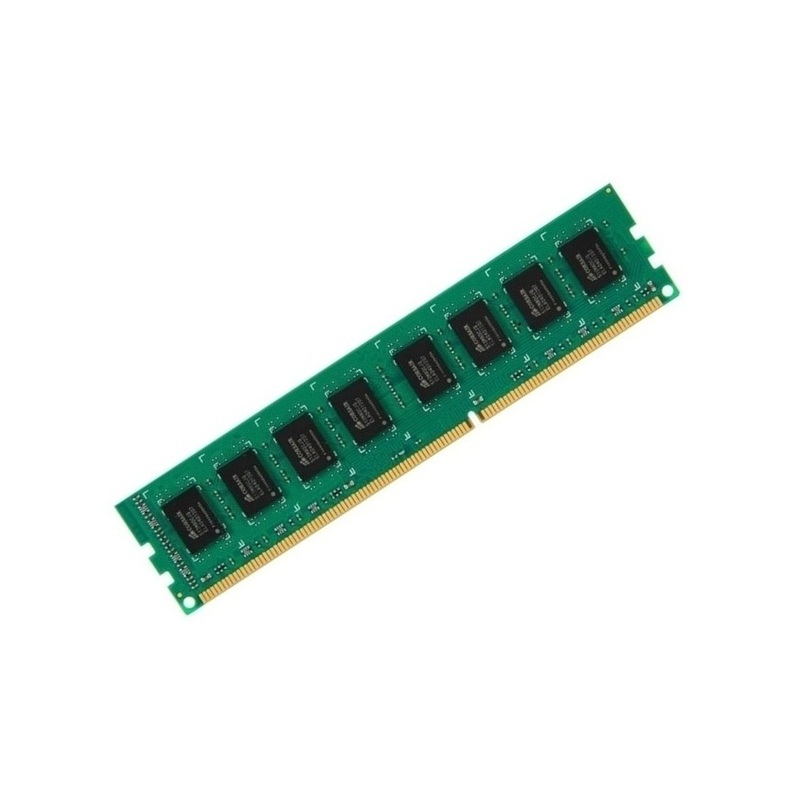
Dell 370-AESU 512GB 2933MHz PC4-23400 Registered DDR4 SDRAM Cl21 Ecc 288-Pin Ram. New Sealed in Box (NIB)
The Dell 512GB (8x64GB) 2Rx4 DDR4 RDIMM 2933MHz ECC Memory is a high-performance server memory module designed for reliability, speed, and compatibility with enterprise-class systems.
The Dell 512GB 2933MHz PC4-23400 Registered DDR4 SDRAM RAM is equipped with the Ecc (Error Correction Code) feature, which is essential for ensuring the reliability and stability of your system. With an Ecc value of 1, this RAM module provides a high level of data integrity and protection against memory errors.
1. Data Integrity: The Ecc feature detects and corrects single-bit errors that may occur during data transmission or storage. This ensures that your system operates with accurate and reliable data, minimizing the risk of data corruption or loss.
2. System Stability: By detecting and correcting errors in real-time, the Ecc feature helps to maintain the stability of your system. It prevents crashes, freezes, and other issues that can arise from memory errors, providing a seamless computing experience.
3. Enhanced Performance: With the Ecc feature in place, your system can deliver improved performance by reducing the impact of memory errors. It ensures that your applications and processes run smoothly without interruptions or delays caused by data corruption.
1. Business Applications: For businesses and organizations that rely on critical applications, such as databases or financial software, the Ecc feature is crucial. It safeguards against potential errors that could lead to inaccurate calculations or transactions, ensuring the integrity of important data.
2. Server Environments: In server environments where uptime and reliability are paramount, the Ecc feature plays a vital role. It helps to prevent server crashes or data corruption that could result in downtime and costly repairs.
3. Multimedia Editing: If you work with multimedia editing software, such as video or photo editing tools, the Ecc feature becomes even more important. It ensures that your projects are not compromised by memory errors, allowing you to work with large files and complex effects without the risk of data corruption.
The Ecc feature works by adding extra bits to each memory word, allowing for error detection and correction. When data is written to or read from the RAM module, these extra bits are used to check for errors. If an error is detected, the Ecc feature can correct it on the fly, ensuring that the data remains accurate.
This process involves a mathematical algorithm that compares the stored data with the extra bits. If a discrepancy is found, the Ecc feature can identify and correct the error, ensuring that the data is reliable and consistent.
The Dell 512GB 2933MHz PC4-23400 Registered DDR4 SDRAM RAM has a pin count of 288, which refers to the number of pins on the RAM module. This feature is crucial for compatibility and proper installation in your system.
1. Compatibility: The pin count determines whether a RAM module is compatible with your system's motherboard. With a pin count of 288, this RAM module is designed to work with motherboards that support DDR4 memory with 288-pin slots. It ensures a seamless integration without the need for any modifications or upgrades.
2. Performance: The pin count also plays a role in the performance of your system. A higher pin count allows for a larger number of data transfer pathways between the RAM module and the motherboard, resulting in faster data transfer rates and improved overall performance.
3. Future-Proofing: Investing in a RAM module with a higher pin count can provide some future-proofing for your system. As technology advances, newer motherboards may support higher pin counts. By choosing a RAM module with a higher pin count, you can ensure compatibility with future upgrades or motherboard replacements.
1. Upgrading Existing Systems: If you are looking to upgrade the RAM in your existing system, the pin feature is critical. It ensures that the new RAM module will fit into your motherboard's memory slots and work seamlessly with your system's existing components.
2. Building Custom PCs: For users building custom PCs, the pin feature is essential for selecting compatible RAM modules. By matching the pin count of the RAM module to the motherboard's requirements, you can ensure a hassle-free installation and optimal performance.
3. Gaming and Multimedia Applications: Gamers and multimedia enthusiasts often require higher-performance systems to handle demanding applications and tasks. The pin feature becomes particularly important in these scenarios, as it directly impacts data transfer rates and overall system performance.
The pin count refers to the physical number of pins on the RAM module that connect it to the motherboard. These pins establish an electrical connection between the RAM module and other components in the system, allowing for data transfer.
The DDR4 standard, which this RAM module follows, utilizes 288 pins. This pin count is a standard specification for DDR4 memory modules and ensures compatibility with motherboards designed to support DDR4 memory.
The Dell 512GB 2933MHz PC4-23400 Registered DDR4 SDRAM RAM has a Cas Latency (CL) value of 21. Cas Latency refers to the delay time between a command being sent to the RAM module and when a response is received. A lower Cas Latency value indicates faster response times and improved overall performance.
1. Improved Responsiveness: The lower Cas Latency value of 21 means that this RAM module can deliver faster response times. This results in improved system responsiveness, especially when running applications that require quick data retrieval or frequent memory access.
2. Enhanced Multitasking: The Cas Latency feature is particularly beneficial for users who engage in multitasking, running multiple applications simultaneously. With lower latency, the RAM module can quickly switch between different tasks, ensuring smooth transitions and minimizing delays caused by memory access.
3. Gaming Performance: Gamers can benefit greatly from a RAM module with low Cas Latency. It allows for quicker data retrieval and processing, reducing lag and improving overall gaming performance. Faster response times can also enhance the smoothness of gameplay, especially in fast-paced action games.
1. Content Creation: Users involved in content creation, such as video editing or 3D modeling, often work with large files and resource-intensive applications. The Cas Latency feature becomes crucial in these scenarios, as it ensures that data can be accessed quickly, allowing for efficient editing and rendering processes.
2. Professional Applications: Professionals using specialized software, such as CAD programs or scientific simulations, rely on consistent and responsive system performance. The low Cas Latency of this RAM module ensures that data access is swift and accurate, enabling smooth operation even under heavy workloads.
3. Overclocking Potential: For users interested in overclocking their systems to squeeze out extra performance, the Cas Latency feature is significant. Lower latency values allow for higher frequencies and more aggressive overclocking while maintaining stability and minimizing the risk of system instability or crashes.
Cas Latency is measured in clock cycles and represents the number of cycles between a command being sent to the RAM module and when a response is received. A lower Cas Latency value indicates fewer cycles, resulting in faster response times.
However, it's important to note that Cas Latency is just one aspect of memory performance. Other factors, such as data transfer rates and overall RAM capacity, also contribute to the overall system performance. Therefore, it's advisable to consider the Cas Latency value in conjunction with other specifications when choosing a RAM module.
The Dell 512GB 2933MHz PC4-23400 Registered DDR4 SDRAM RAM has a part number of 370-AESU. The part number is a unique identifier assigned by the manufacturer, allowing for easy identification and compatibility verification.
1. Compatibility Verification: The part number serves as a reliable way to ensure compatibility between the RAM module and your system. By checking the part number against the manufacturer's specifications or compatibility lists, you can quickly determine if the RAM module is suitable for your system.
2. Easy Replacement: In case of a RAM module failure or upgrade, having the part number readily available simplifies the replacement process. You can easily order an identical or compatible replacement module using the part number, ensuring a seamless transition without any compatibility issues.
3. Warranty and Support: The part number is often required when seeking warranty service or technical support from the manufacturer. Providing the part number helps the manufacturer identify the specific product and provide appropriate assistance, ensuring a smooth resolution to any issues that may arise.


 Contact Us
 Information
 Catalog
 Solid State Drives (SSD)
 Network Switches
 Hard Disk Drives
 HBA & Controllers
 PC & Servers
 PC & Server Memory
 CPU & Processors
 Network Routers
 Power Supplies
 Tape Drives & Libraries
 Network Devices
 Computer & Network Cables