(7% discount is applied at checkout)
Cart is empty
Your go-to destination for cutting-edge server products
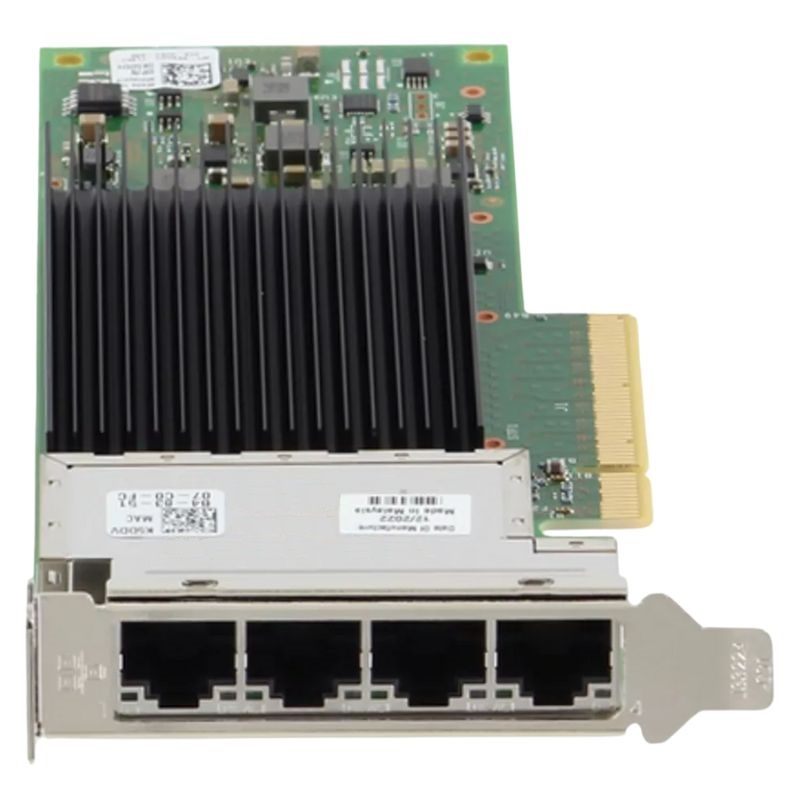


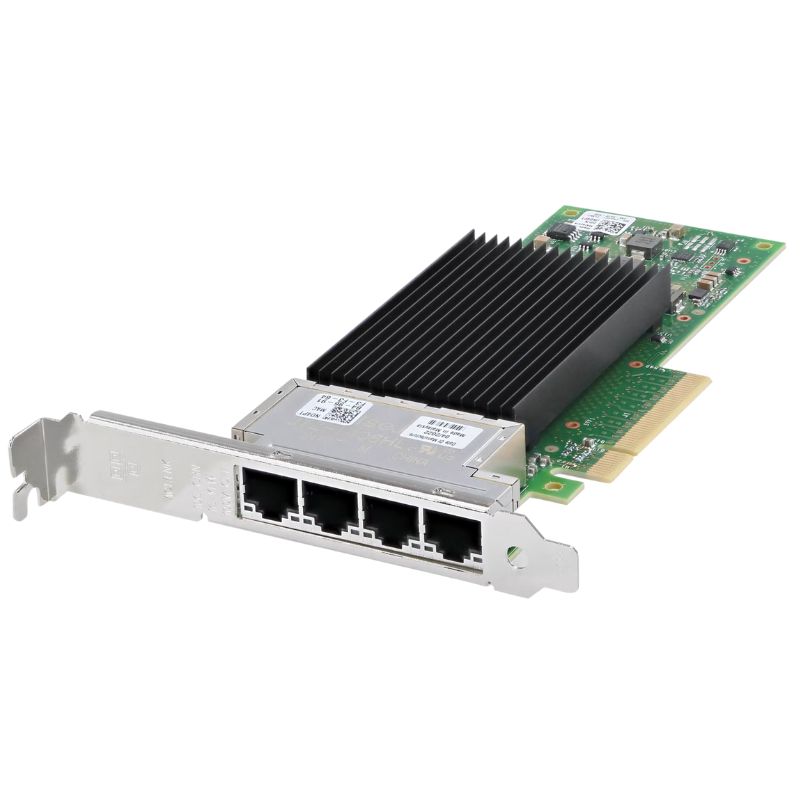
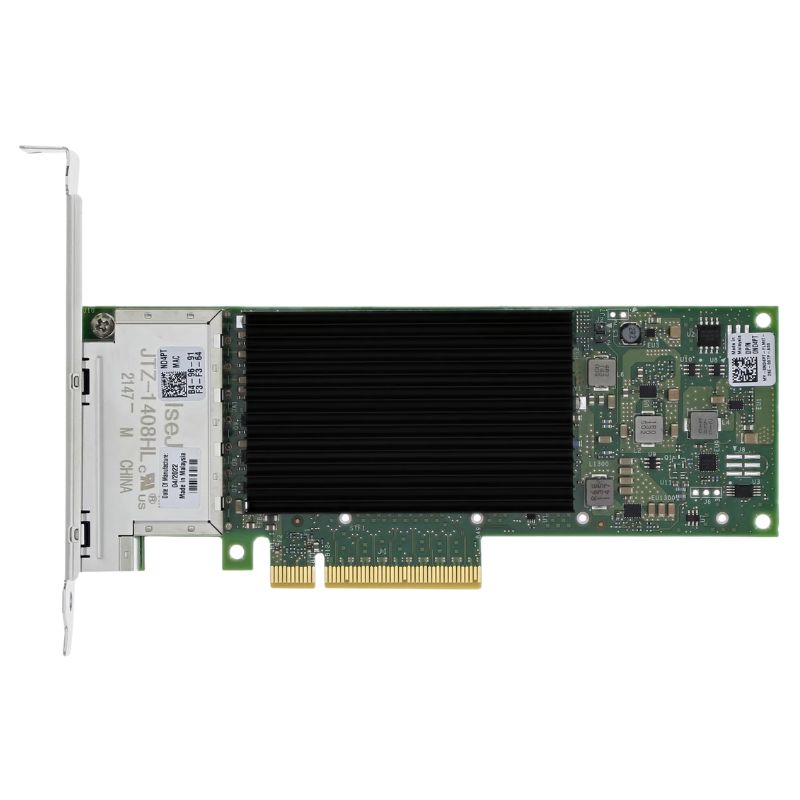
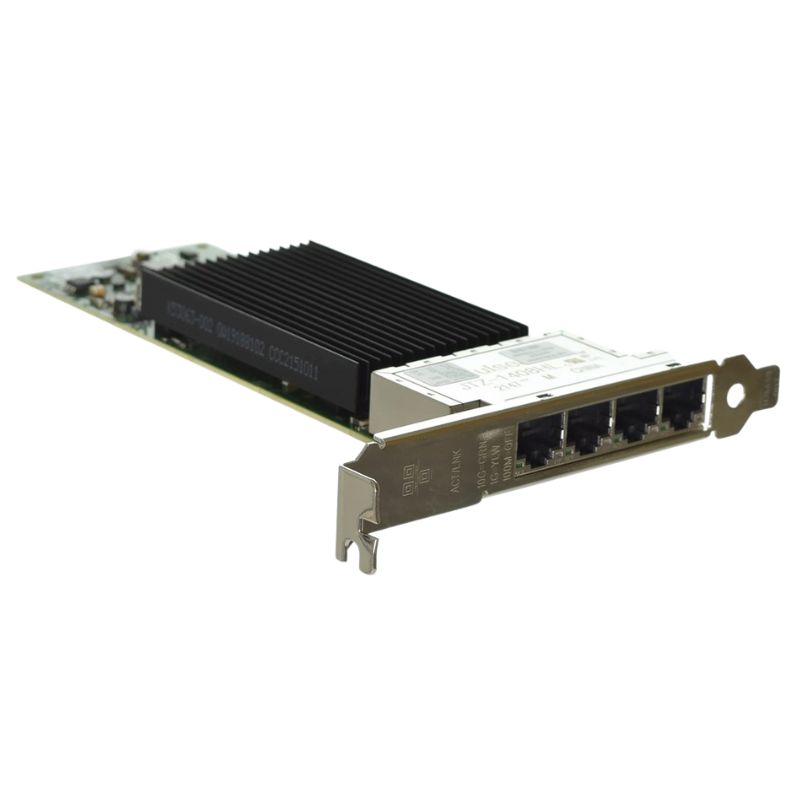
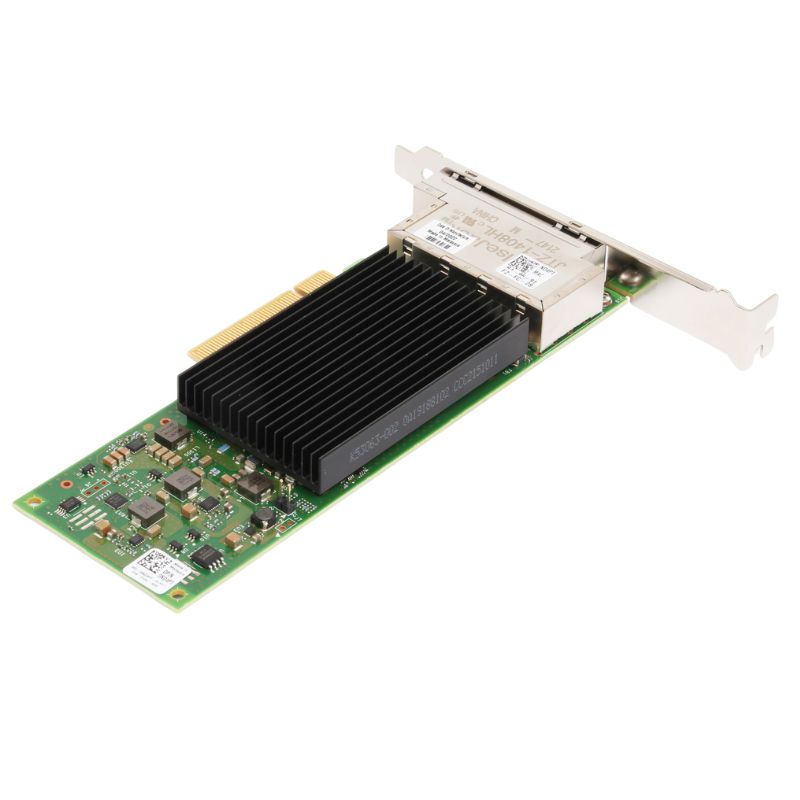
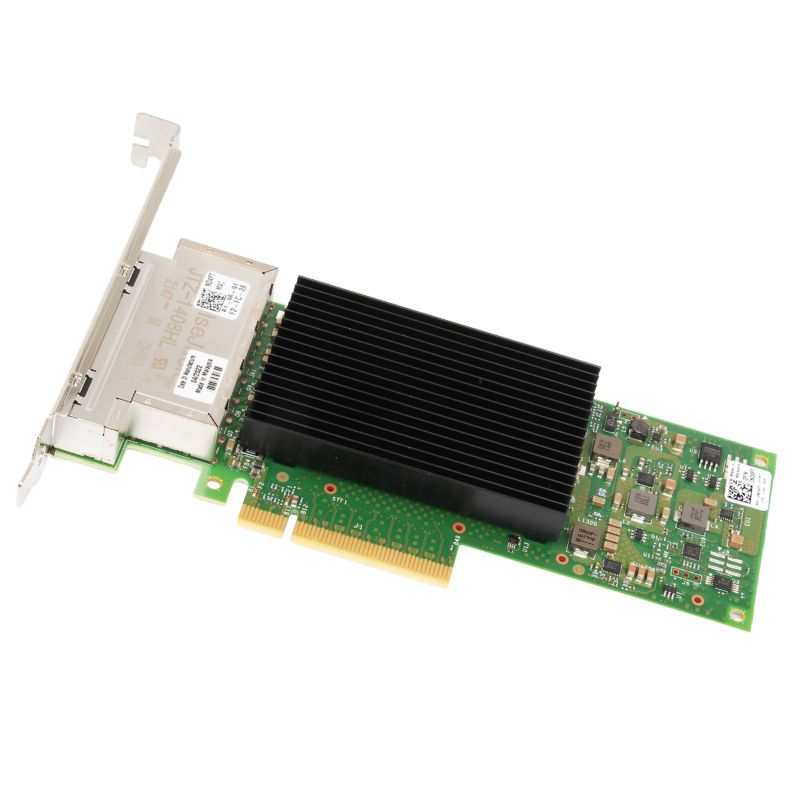
Dell 540-BCSD Quad Port Network Adapter 10GBE Base-t PCI-E. New Sealed in Box (NIB) with 1 Year Warranty - Intel Version
The Dell 540-BCSD Quad Port Network Adapter is a high-performance enterprise Ethernet solution designed to deliver ultra-fast connectivity, virtualization efficiency, and scalable networking for modern data centers. Built for Dell PowerEdge environments, this PCIe-based adapter supports multi-gigabit speeds up to 10GbE per port, ensuring optimized network throughput for cloud computing, virtualization workloads, and high-bandwidth enterprise applications.
The Dell 540-BCSD Quad Port Network Adapter 10GbE Base-T PCI-E is engineered to deliver dependable high-speed connectivity for modern enterprise infrastructures that require consistent network throughput, low latency communication, and scalable deployment options. As organizations continue to expand virtualization environments, cloud-based applications, software-defined data centers, and bandwidth-intensive workloads, the demand for robust networking hardware becomes increasingly important. This quad-port adapter addresses those requirements by providing four dedicated 10 Gigabit Ethernet interfaces through a single PCI Express expansion card.
Organizations operating data centers, private clouds, hybrid cloud environments, and business-critical server infrastructures require network adapters capable of maintaining uninterrupted connectivity under heavy traffic conditions. The Dell 540-BCSD network interface card offers a practical solution by combining multiple high-speed Ethernet ports with PCI Express architecture, enabling efficient communication between servers, storage systems, virtualization hosts, and network switches.
The defining characteristic of the Dell 540-BCSD network adapter is its quad-port design. Four independent 10GbE Base-T ports allow organizations to consolidate network resources while reducing the number of expansion cards required within a server chassis. This design helps maximize available PCIe slots and supports flexible network configurations that can accommodate diverse operational requirements.
Each Ethernet port can be configured independently to support various networking functions. Network administrators frequently dedicate specific ports to virtual machine traffic, storage communications, management networks, backup operations, or application workloads. This separation contributes to enhanced network efficiency and allows greater control over traffic prioritization and resource allocation.
Multiple physical interfaces provide increased redundancy and flexibility. When deployed within enterprise environments, administrators can distribute workloads across several ports to improve performance while reducing congestion. Organizations can implement advanced traffic management policies that ensure critical business applications receive adequate network resources even during peak utilization periods.
The four-port configuration also simplifies migration strategies. Businesses upgrading from legacy Gigabit Ethernet infrastructures can gradually transition workloads to 10GbE connectivity without requiring extensive redesigns of existing network topologies.
Server consolidation initiatives often increase networking demands. Virtualized environments may host dozens or hundreds of virtual machines on a single physical server. The Dell 540-BCSD supports these environments by providing multiple high-bandwidth connections that help maintain performance consistency across numerous applications and services.
Port consolidation reduces cabling complexity while simplifying server management procedures. Fewer adapters and reduced hardware requirements can contribute to lower operational costs and streamlined infrastructure maintenance.
10 Gigabit Ethernet has become a standard networking technology for enterprise environments that require significantly greater bandwidth than traditional Gigabit Ethernet solutions. The Dell 540-BCSD leverages 10GbE Base-T technology to deliver high-speed communications using standard twisted-pair copper cabling infrastructure.
Unlike fiber-based networking solutions that may require specialized transceivers and optical cabling, Base-T connectivity provides a familiar deployment model that simplifies implementation. Organizations can utilize existing cabling expertise while benefiting from substantial performance improvements.
Applications involving large database transactions, virtualization platforms, cloud services, and storage replication require high-capacity network connections. The Dell 540-BCSD enables rapid movement of data across enterprise environments, helping reduce bottlenecks that can impact application responsiveness and overall infrastructure efficiency.
Higher throughput capabilities allow organizations to support increasing volumes of digital information while maintaining reliable network performance. As data requirements continue to grow, 10GbE networking provides the foundation necessary to accommodate future expansion initiatives.
Many organizations prefer copper Ethernet solutions because of their familiarity and widespread deployment. The Dell 540-BCSD supports standard RJ-45 connectivity, allowing integration into existing network environments with minimal disruption. This compatibility simplifies upgrades and helps reduce deployment costs associated with large-scale infrastructure modernization projects.
The PCI Express interface serves as the communication pathway between the network adapter and host server. The Dell 540-BCSD utilizes PCIe technology to provide sufficient bandwidth for handling multiple simultaneous 10GbE connections. This architecture ensures network traffic can be processed efficiently without introducing significant performance limitations.
Enterprise servers often execute numerous workloads concurrently, including virtualization services, database operations, analytics processing, and application hosting. PCIe connectivity supports these requirements by enabling rapid data exchange between the network adapter and system resources.
High-speed networking requires an expansion interface capable of sustaining substantial traffic volumes. The PCI Express architecture integrated within the Dell 540-BCSD helps maintain consistent performance during periods of heavy network utilization. This capability is particularly valuable for mission-critical applications where network responsiveness directly influences business productivity.
Modern server platforms are designed to maximize computational efficiency. The Dell 540-BCSD complements these objectives by supporting intelligent data movement and efficient communication between networking components and processing resources. This integration contributes to improved server utilization and overall infrastructure effectiveness.
Virtualization technologies have transformed enterprise computing by enabling multiple operating systems and workloads to operate on shared physical hardware. As virtual machine density increases, networking requirements become significantly more demanding. The Dell 540-BCSD provides the connectivity resources necessary to support highly virtualized environments.
Each virtual machine generates network traffic that must be processed efficiently to maintain application performance. The availability of four high-speed Ethernet interfaces allows administrators to distribute virtual workloads across multiple network paths, helping prevent congestion and improve responsiveness.
Virtualized infrastructures benefit from dedicated network resources for migration traffic, storage communications, management operations, and production workloads. The Dell 540-BCSD facilitates these deployment strategies by providing sufficient connectivity options for complex virtualization architectures.
Private cloud and hybrid cloud environments rely heavily on network performance. Cloud-based workloads frequently involve dynamic resource allocation, workload mobility, and continuous data synchronization. The Dell 540-BCSD supports these operational requirements through reliable high-bandwidth connectivity designed for enterprise-scale implementations.
Business continuity planning requires resilient networking infrastructure capable of maintaining service availability during component failures or unexpected disruptions. The quad-port design of the Dell 540-BCSD contributes to redundancy strategies that help protect critical business operations.
Network failover configurations allow traffic to be redirected automatically when a primary connection becomes unavailable. By utilizing multiple physical interfaces, organizations can implement resilient architectures that minimize downtime and maintain service accessibility.
Redundant networking configurations are particularly valuable in environments supporting customer-facing applications, financial systems, healthcare platforms, and other mission-critical services where uninterrupted connectivity is essential.
Network segmentation remains a fundamental security practice within enterprise environments. The Dell 540-BCSD enables administrators to separate workloads across dedicated interfaces, creating distinct communication pathways for various business functions. Segmented architectures help strengthen security postures while simplifying compliance management and policy enforcement.
Organizations implementing layered security frameworks often require dedicated network connections for management traffic, storage communications, application services, and external access. The availability of four independent 10GbE ports supports these designs by providing flexible connectivity options that align with enterprise security objectives.


 Contact Us
 Information
 Catalog
 Solid State Drives (SSD)
 Network Switches
 Hard Disk Drives
 HBA & Controllers
 PC & Servers
 PC & Server Memory
 CPU & Processors
 Network Routers
 Power Supplies
 Tape Drives & Libraries
 Network Devices
 Computer & Network Cables