(7% discount is applied at checkout)
Cart is empty
Your go-to destination for cutting-edge server products
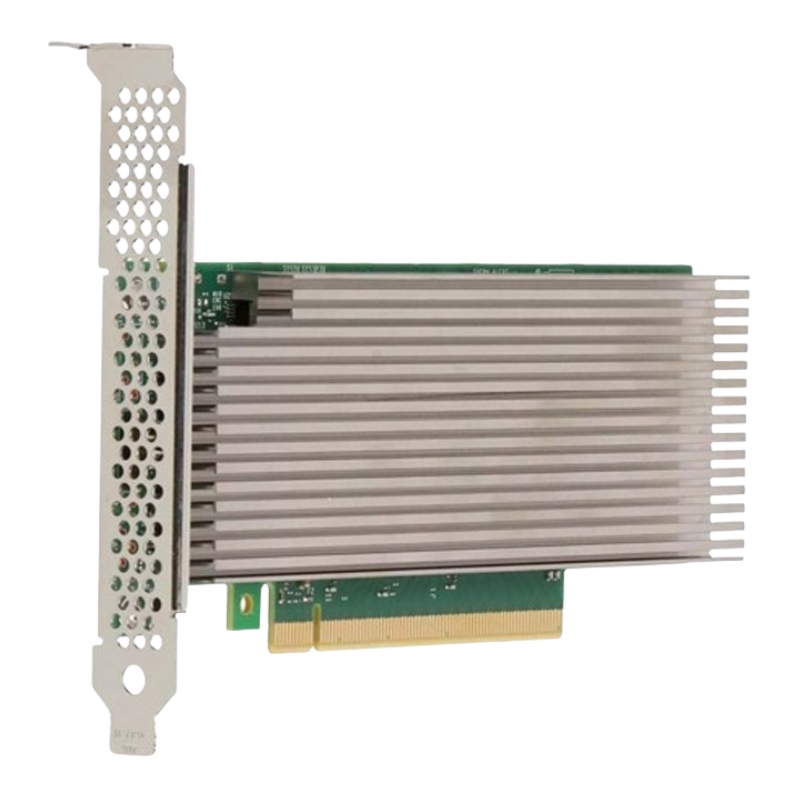


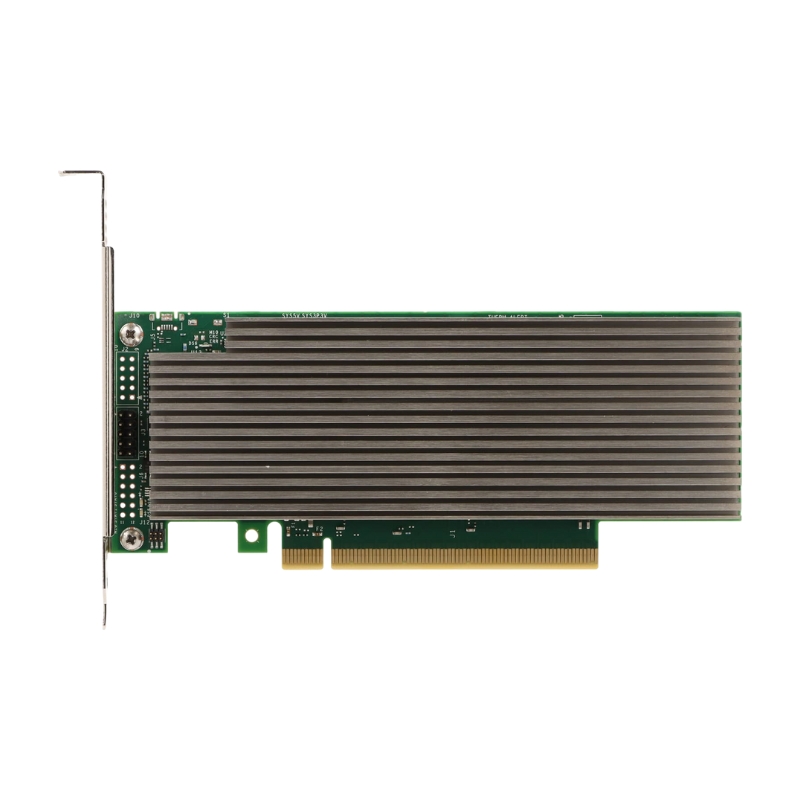
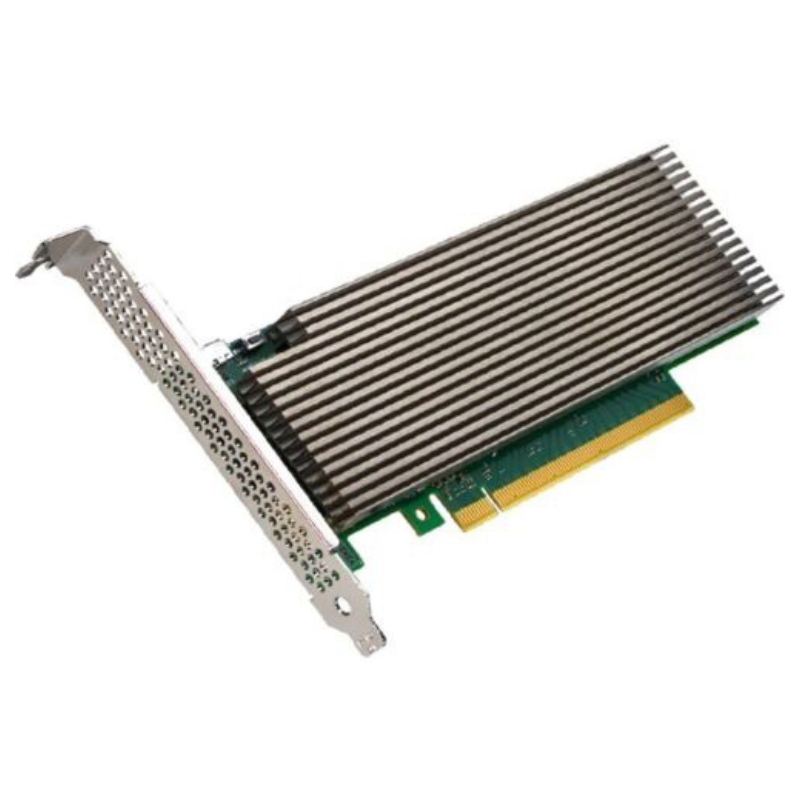
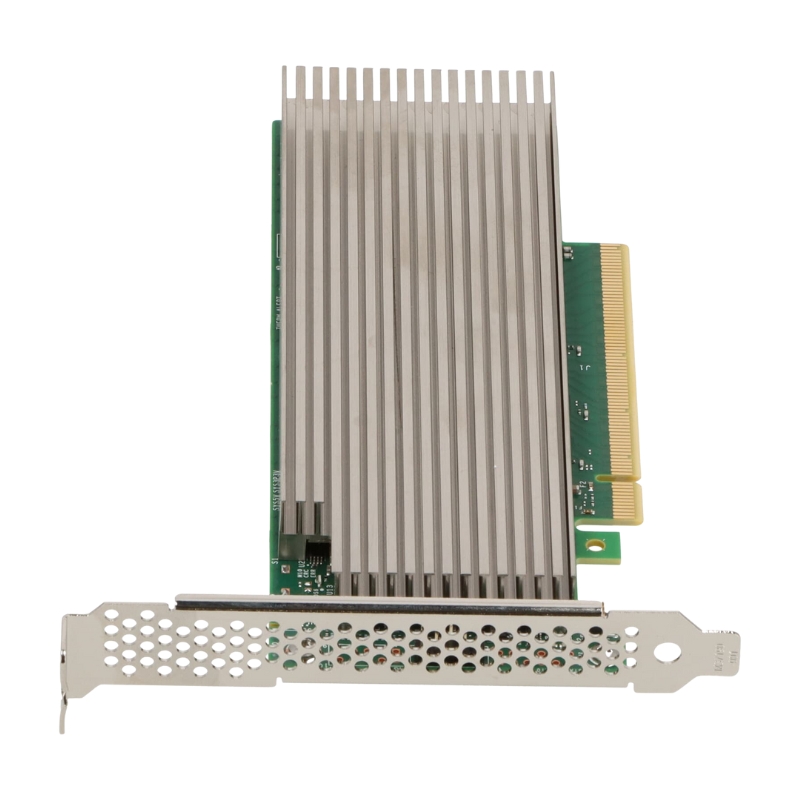
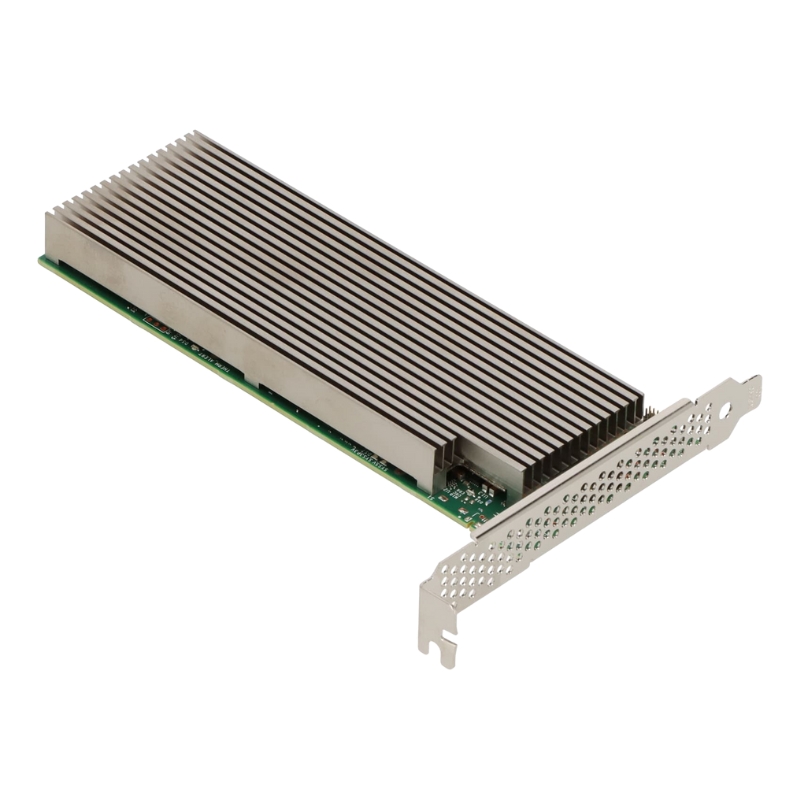
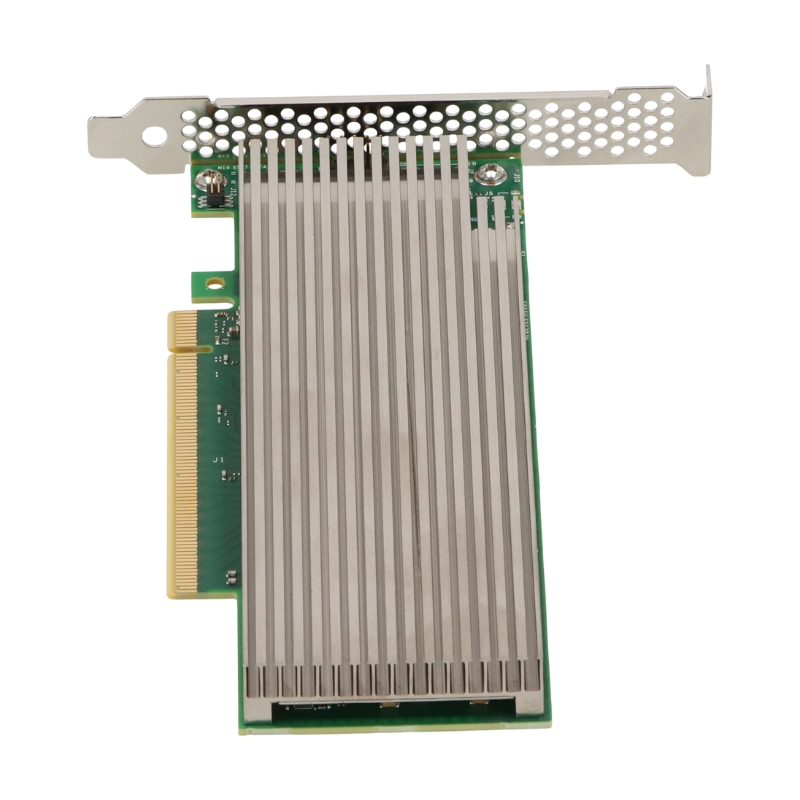
Dell 540-BDJG Intel vRAN Accelerator ACC100 PCI-E Adapter. New Sealed in Box (NIB)
The Dell 540-BDJG Intel vRAN Accelerator ACC100 PCI-E Adapter is a high-performance expansion module engineered for modern telecom and 5G infrastructure workloads. Built for virtualized Radio Access Network (vRAN) environments, it delivers optimized processing efficiency, reduced latency, and scalable acceleration for next-generation network functions.
The Dell 540-BDJG Intel vRAN Accelerator ACC100 PCI-E Adapter is designed to support modern telecommunications infrastructure that relies on virtualized Radio Access Network (vRAN) architectures. As mobile operators continue transitioning from traditional hardware-based network deployments to cloud-native and software-defined environments, specialized acceleration hardware has become essential for maintaining performance, scalability, and efficiency. The ACC100 PCI-E Adapter enables high-performance Layer 1 processing acceleration, helping service providers optimize workload distribution across network functions while reducing CPU overhead.
Built around Intel's dedicated vRAN acceleration technology, this PCIe adapter addresses the computational challenges associated with 4G LTE and 5G New Radio deployments. By offloading intensive signal processing tasks from general-purpose processors, the adapter enables servers to handle larger subscriber volumes, lower latency requirements, and increased spectrum efficiency. The Dell implementation ensures seamless integration with enterprise-grade server platforms commonly used in telecommunications data centers and edge computing environments.
As Open RAN and cloud-native networking gain widespread adoption, hardware accelerators like the Dell 540-BDJG Intel vRAN Accelerator ACC100 PCI-E Adapter play a vital role in achieving carrier-grade performance. Network operators can deploy scalable, software-driven infrastructure while maintaining the throughput and reliability required for mission-critical communications services.
Virtualized Radio Access Network technology transforms traditional radio infrastructure by moving network functions from proprietary hardware appliances into virtualized software workloads operating on industry-standard servers. This shift enables operators to reduce infrastructure complexity, improve resource utilization, and accelerate service deployment.
In a conventional RAN environment, dedicated hardware performs signal processing tasks such as encoding, decoding, modulation, and forward error correction. While effective, these systems often limit flexibility and increase operational costs. Virtualization introduces software-defined processing capabilities, allowing network functions to run on shared server resources.
However, Layer 1 processing remains computationally intensive. The Dell 540-BDJG Intel vRAN Accelerator ACC100 PCI-E Adapter addresses this challenge by providing dedicated acceleration for demanding radio processing workloads. This architecture allows telecom providers to achieve the benefits of virtualization without sacrificing network performance.
Network operators worldwide are transitioning toward virtualized architectures to support increasing mobile traffic, emerging 5G services, and future wireless innovations. Traditional baseband units often require expensive upgrades and proprietary hardware dependencies.
vRAN solutions separate software functionality from hardware platforms, enabling greater flexibility and operational efficiency. The ACC100 accelerator helps bridge the performance gap between specialized telecommunications equipment and general-purpose computing infrastructure.
Virtualized environments demand substantial processing resources, particularly when handling large-scale radio workloads. Dedicated acceleration hardware enables operators to maintain carrier-grade performance levels while leveraging software-defined infrastructure. The Dell 540-BDJG adapter offloads key Layer 1 functions, reducing processor utilization and improving overall system efficiency.
The Intel ACC100 accelerator was developed specifically for wireless network infrastructure applications. It supports high-throughput processing requirements associated with modern LTE and 5G deployments while providing deterministic performance and scalability.
Unlike general-purpose processors that must balance numerous workloads simultaneously, the ACC100 architecture is optimized for radio signal processing operations. This specialization enables efficient handling of encoding and decoding functions that are critical to wireless communications.
Layer 1 processing represents one of the most demanding components of cellular network operations. Tasks such as Forward Error Correction (FEC), channel coding, and signal optimization require extensive computational resources. The ACC100 accelerator provides dedicated hardware pathways that significantly improve processing efficiency.
By offloading these workloads, operators can free valuable CPU resources for higher-layer network functions and application services.
The ACC100 architecture supports multiple wireless technologies, enabling operators to maintain compatibility across diverse deployment scenarios. Whether supporting legacy LTE services, transitional 5G non-standalone configurations, or fully standalone 5G networks, the accelerator provides flexible performance optimization capabilities.
The Dell 540-BDJG Intel vRAN Accelerator ACC100 PCI-E Adapter utilizes the PCI Express interface, allowing straightforward integration into compatible Dell PowerEdge servers and telecommunications platforms. PCIe connectivity delivers high-bandwidth communication between the accelerator and host processors, ensuring efficient data movement during real-time network operations.
Modern wireless networks generate enormous volumes of data that must be processed rapidly. PCI Express connectivity ensures sufficient bandwidth for transporting encoded and decoded data streams between network applications and acceleration hardware.
This high-speed architecture minimizes bottlenecks and supports demanding telecommunications workloads requiring low latency and consistent throughput.
PCIe-based deployment simplifies infrastructure planning and maintenance. Organizations can install accelerators into compatible servers without requiring extensive hardware redesigns. This flexibility enables phased network modernization strategies and scalable capacity expansion.
Modular deployment approaches allow service providers to customize hardware resources according to specific performance requirements. Additional acceleration cards can be deployed as network traffic grows, providing investment protection and operational flexibility.
Fifth-generation mobile networks introduce significantly higher performance requirements compared to previous wireless standards. Enhanced Mobile Broadband (eMBB), Ultra-Reliable Low-Latency Communications (URLLC), and Massive Machine Type Communications (mMTC) demand efficient radio processing infrastructure.
The Dell 540-BDJG Intel vRAN Accelerator ACC100 PCI-E Adapter helps operators meet these requirements through dedicated hardware acceleration and optimized resource utilization.
5G networks support substantially higher data rates than LTE systems. Accelerating Layer 1 processing functions enables infrastructure platforms to handle increased traffic volumes without excessive CPU consumption. This capability contributes to improved user experiences and network scalability.
Low latency is essential for applications such as autonomous systems, industrial automation, remote healthcare, and real-time communications. Dedicated acceleration hardware helps reduce processing delays, supporting stringent latency objectives across modern wireless environments.
Efficient workload distribution enables better utilization of server infrastructure. By offloading computationally intensive radio processing tasks, operators can maximize the value of existing hardware investments while supporting expanding service portfolios.
Open Radio Access Network initiatives promote interoperability, vendor diversity, and software-driven innovation within telecommunications ecosystems. Hardware accelerators play a critical role in ensuring that open and virtualized architectures can achieve carrier-grade performance levels.
Open RAN architectures separate hardware and software components, enabling operators to select solutions from multiple vendors. The ACC100 accelerator supports this flexible approach by providing standardized acceleration resources for virtualized network functions.
Operators can deploy software workloads independently of proprietary baseband hardware while maintaining the performance characteristics required for large-scale mobile networks.
Cloud-native networking emphasizes containerization, orchestration, automation, and dynamic scaling. As workloads move into cloud environments, efficient hardware acceleration becomes increasingly important.
The Dell 540-BDJG adapter enables cloud-native telecommunications platforms to process radio workloads efficiently while supporting automation and orchestration frameworks commonly used in modern network deployments.
Containerized applications provide agility and portability but can introduce performance challenges for demanding telecommunications workloads. Dedicated acceleration hardware helps maintain predictable performance levels across containerized environments.
Many telecommunications providers utilize Kubernetes orchestration frameworks to manage cloud-native services. The ACC100 accelerator complements these environments by providing scalable hardware resources that support dynamic workload management strategies.
Telecommunications infrastructure must operate continuously while delivering consistent service quality to millions of users. Reliability, scalability, and efficiency are fundamental requirements for carrier-grade environments.
The Dell 540-BDJG Intel vRAN Accelerator ACC100 PCI-E Adapter contributes to these objectives through specialized hardware design optimized for telecommunications applications.
Wireless operators require infrastructure capable of maintaining service continuity under varying traffic conditions. Dedicated acceleration hardware helps ensure stable processing performance even during peak utilization periods.
This stability supports subscriber satisfaction and service-level agreement compliance across enterprise and consumer communications services.
Reducing CPU utilization through workload acceleration can lower infrastructure costs by enabling more efficient resource allocation. Operators may achieve improved server consolidation ratios and reduced hardware expansion requirements.
These efficiencies contribute to long-term operational savings and improved return on infrastructure investments.
Power consumption remains a significant consideration for telecommunications providers operating large-scale networks. Dedicated accelerators can improve processing efficiency by handling specific tasks more effectively than general-purpose processors.
Enhanced efficiency supports sustainability initiatives while reducing operating expenses associated with power and cooling requirements.
Edge computing has become a strategic component of modern telecommunications infrastructure. By processing data closer to end users, operators can reduce latency, improve responsiveness, and support emerging applications requiring near-real-time performance.
The Dell 540-BDJG Intel vRAN Accelerator ACC100 PCI-E Adapter is well suited for deployment within edge computing environments where processing efficiency and space optimization are critical considerations.
Multi-Access Edge Computing (MEC) platforms enable operators to deploy applications near radio infrastructure. Accelerated Layer 1 processing supports efficient operation of edge-based wireless services while minimizing infrastructure overhead.
Manufacturing facilities, logistics centers, transportation hubs, and smart city initiatives increasingly rely on private wireless networks. Dedicated acceleration hardware supports the performance requirements associated with these specialized deployments.
Industrial automation systems depend on reliable low-latency communications. Hardware acceleration contributes to predictable network performance, supporting robotics, machine vision, and industrial control applications.
Emerging autonomous technologies require robust wireless connectivity and rapid data processing. The ACC100 accelerator helps support the demanding infrastructure requirements associated with autonomous vehicles, drones, and intelligent transportation systems.
Mobile data consumption continues to increase as users adopt bandwidth-intensive applications such as video streaming, cloud gaming, augmented reality, and virtual reality services. Telecommunications providers must deploy scalable infrastructure capable of accommodating this growth.
As subscriber counts increase, network infrastructure must process larger volumes of radio traffic. The Dell 540-BDJG adapter enables efficient scaling by accelerating key workloads that would otherwise consume substantial processor resources.
Investment protection remains an important consideration for telecommunications organizations. Hardware accelerators designed for modern wireless standards help ensure infrastructure readiness for evolving network requirements and future technology enhancements.
Operators can incrementally expand processing capabilities through additional accelerator deployments rather than replacing entire server platforms. This modular approach supports cost-effective growth strategies and simplifies infrastructure management.
Beyond traditional mobile operator deployments, private wireless networks are becoming increasingly important across enterprise environments. Organizations require secure, reliable, and high-performance connectivity for mission-critical operations.
Private 5G deployments provide organizations with dedicated wireless infrastructure tailored to specific operational requirements. The ACC100 accelerator supports efficient radio processing for enterprise-grade private network implementations.
Universities, healthcare facilities, corporate campuses, and research institutions can leverage accelerated vRAN infrastructure to deliver reliable wireless services across large geographic areas.
Public safety agencies, emergency response organizations, and critical infrastructure operators require dependable communications platforms. Dedicated acceleration hardware contributes to the performance and reliability necessary for these demanding applications.
Forward Error Correction represents a computationally intensive component of wireless communications systems. Dedicated hardware acceleration significantly improves processing efficiency for encoding and decoding operations while maintaining data integrity and transmission reliability.
Efficient workload distribution helps optimize overall infrastructure performance. The ACC100 adapter enables balanced utilization of CPUs and acceleration hardware, creating a more effective processing environment for telecommunications workloads.
Carrier networks often require predictable processing behavior to maintain service quality. Specialized acceleration hardware delivers consistent performance characteristics that support network planning and operational reliability.
Wireless communications involve strict timing requirements that must be satisfied consistently. Dedicated acceleration resources help ensure compliance with these requirements while supporting large-scale network operations.


 Contact Us
 Information
 Catalog
 Solid State Drives (SSD)
 Network Switches
 Hard Disk Drives
 HBA & Controllers
 PC & Servers
 PC & Server Memory
 CPU & Processors
 Network Routers
 Power Supplies
 Tape Drives & Libraries
 Network Devices
 Computer & Network Cables