(7% discount is applied at checkout)
Cart is empty
Your go-to destination for cutting-edge server products
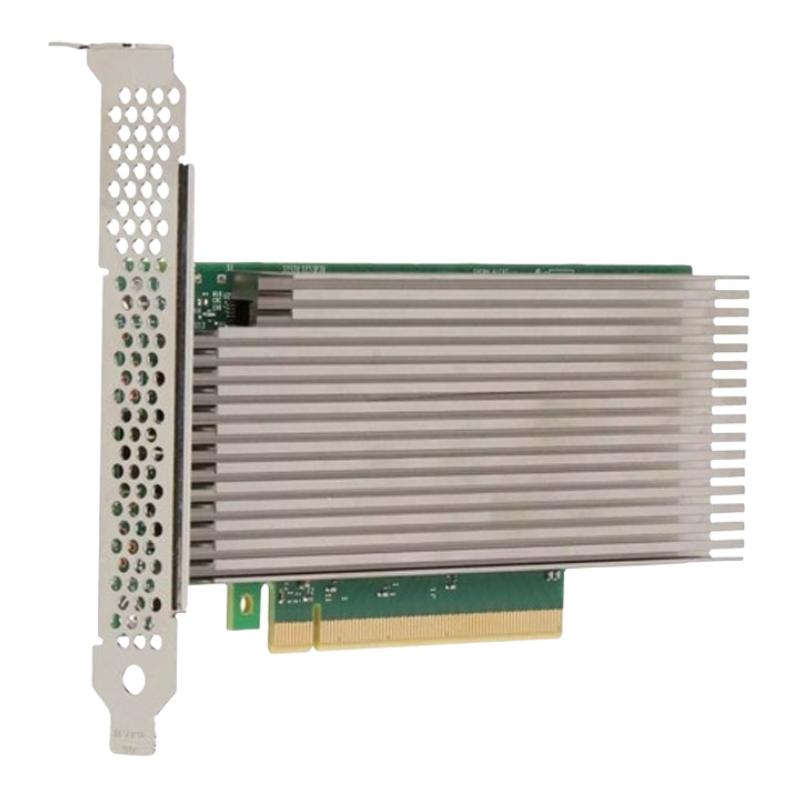


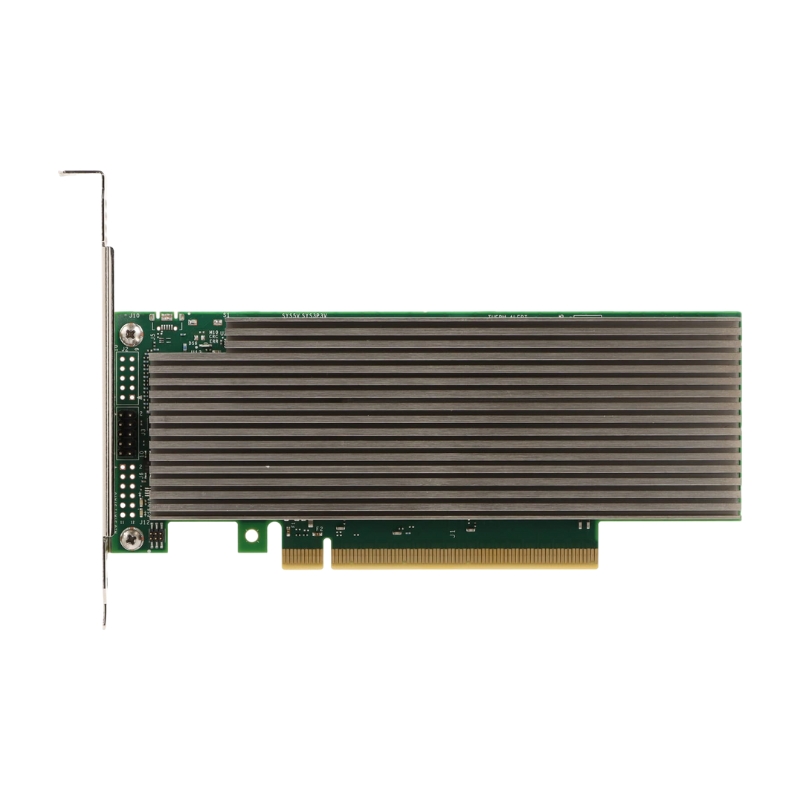
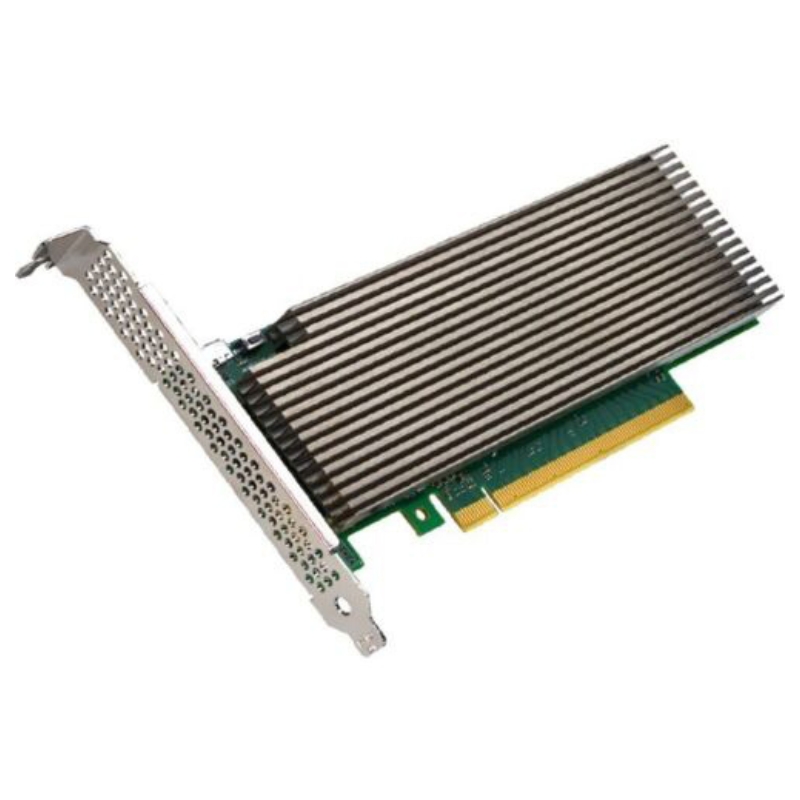
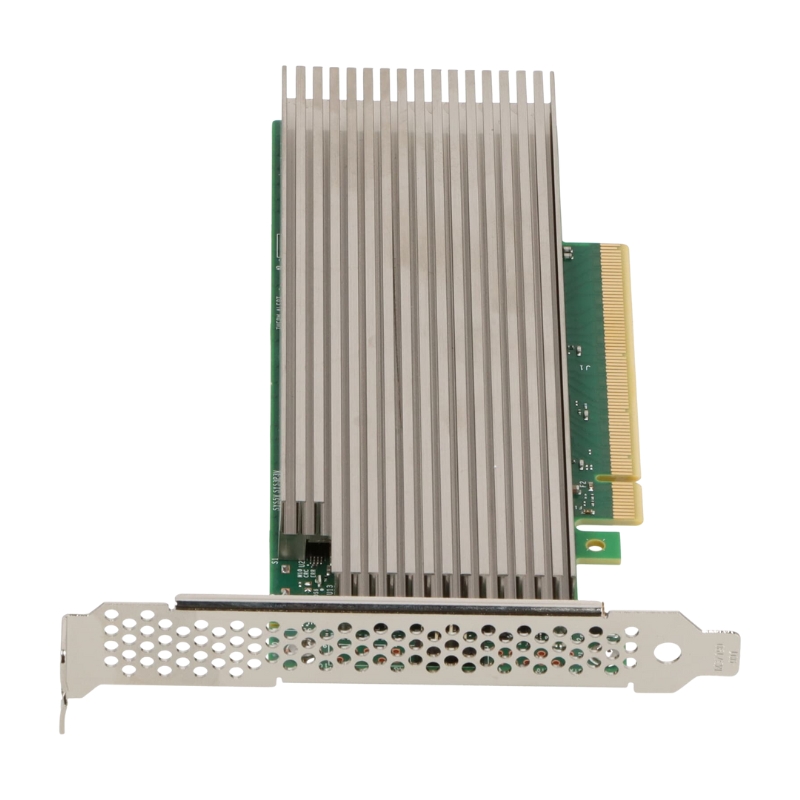
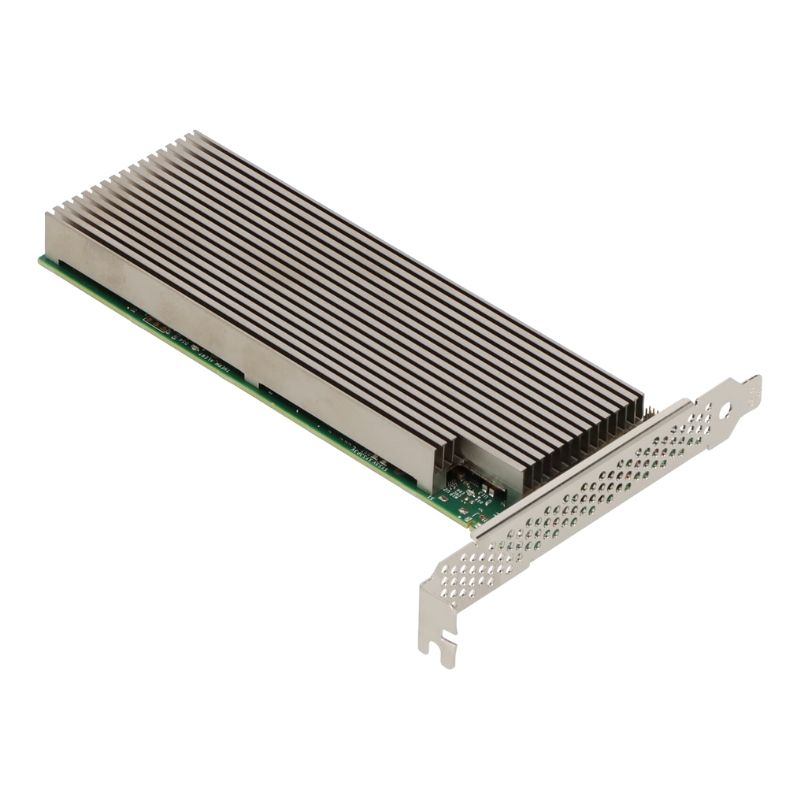
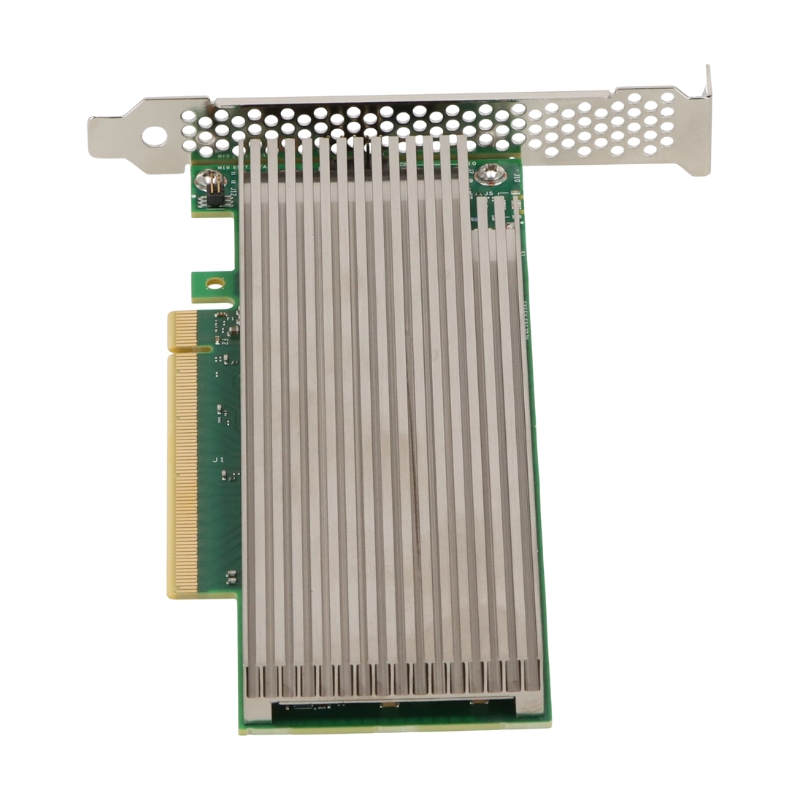
Dell 540-BDJU Intel vRAN Accelerator ACC100 PCI-E Adapter. New Sealed in Box (NIB)
The Dell 540-BDJU Intel vRAN Accelerator ACC100 PCIe Adapter is a high-performance application accelerator designed for advanced virtualized radio access network (vRAN) environments. Built to enhance telecom workloads, it delivers optimized processing for 4G LTE and 5G NR networks with superior efficiency, scalability, and reliability.
The Dell 540-BDJU Intel vRAN Accelerator ACC100 PCI-E Adapter represents a specialized class of network acceleration hardware designed for modern telecommunications infrastructure, particularly within virtualized Radio Access Networks (vRAN) and 5G base station deployments. This PCI Express-based accelerator card is engineered to offload compute-intensive Layer 1 (PHY) processing tasks from general-purpose CPUs, enabling optimized performance, reduced latency, and higher throughput in dense mobile network environments. As telecom operators transition toward software-defined and cloud-native architectures, the demand for dedicated acceleration hardware like the ACC100 continues to increase significantly.
Built on Intel’s advanced silicon technology for vRAN acceleration, the Dell 540-BDJU adapter is optimized for distributed and centralized RAN deployments. It allows communication service providers (CSPs) to virtualize baseband units while maintaining strict performance requirements essential for 4G LTE Advanced, 5G NSA, and 5G SA networks. The adapter integrates seamlessly into Dell enterprise servers equipped with PCIe slots, making it a key component in edge computing and telecom data center infrastructure.
The Intel vRAN ACC100 is a purpose-built hardware accelerator designed to handle forward error correction (FEC) processing tasks in virtualized RAN environments. These tasks are computationally intensive when executed on software alone, especially in high-density 5G networks. By offloading these operations to dedicated hardware, the ACC100 significantly reduces CPU utilization, allowing host servers to dedicate resources to higher-level network functions.
The Dell 540-BDJU PCI-E adapter incorporates this technology into a server-ready form factor, enabling telecom operators to deploy scalable and efficient vRAN infrastructure. The accelerator supports key 5G physical layer processing tasks, including LDPC (Low-Density Parity Check) encoding and decoding, turbo decoding, and other signal processing functions critical for maintaining network reliability and throughput.
One of the primary features of the Dell 540-BDJU Intel ACC100 adapter is its ability to offload forward error correction workloads from the CPU. This improves system efficiency by allowing distributed processing between software-defined network functions and dedicated hardware acceleration layers. The result is improved packet throughput and reduced latency in mission-critical telecom environments.
The adapter uses a high-speed PCIe interface to communicate with host systems. This ensures low-latency data transfer between the accelerator card and CPU memory. PCIe integration also allows flexible deployment in Dell PowerEdge servers and other compatible enterprise hardware platforms, making it suitable for both edge and core data centers.
The Dell 540-BDJU is specifically optimized for 5G virtualized RAN workloads, supporting both centralized and distributed architectures. It enables efficient handling of baseband processing functions, making it a critical component for telecom operators deploying next-generation mobile networks.
By reducing CPU dependency, the ACC100 accelerator contributes to lower overall power consumption in telecom data centers. This energy efficiency is particularly important for large-scale 5G deployments where power and cooling costs represent a significant operational expense.
The architecture of the Dell 540-BDJU adapter is built around a dedicated hardware pipeline optimized for signal processing tasks. This pipeline ensures that FEC encoding and decoding operations are processed in a deterministic and efficient manner. The architecture is designed to handle high throughput workloads without introducing bottlenecks in the data path.
The ACC100 accelerator includes a multi-core offload engine that distributes processing tasks across multiple hardware units. This parallel processing capability enhances scalability, making it suitable for dense urban telecom deployments where network traffic loads fluctuate rapidly.
Efficient memory handling is critical in vRAN acceleration. The Dell 540-BDJU adapter integrates optimized buffering mechanisms that reduce memory access latency and improve data flow between host CPU and accelerator hardware. This ensures consistent performance even under peak network loads.
In modern telecom architecture, vRAN disaggregates traditional baseband processing into software-based and hardware-accelerated components. The Dell 540-BDJU ACC100 PCI-E adapter plays a crucial role in this ecosystem by handling physical layer acceleration while higher-layer functions run on virtual machines or containers.
The adapter is designed to support cloud-native RAN deployments, allowing network functions to be orchestrated using Kubernetes or similar orchestration platforms. This enables telecom operators to achieve greater flexibility, scalability, and automation in their network infrastructure.
Edge computing is a key enabler for ultra-low latency applications in 5G networks. The Dell 540-BDJU accelerator supports edge deployment scenarios by reducing processing loads on edge servers, allowing them to handle more user traffic and advanced services such as AR/VR and IoT applications.
Latency is a critical performance metric in 5G networks. The ACC100 PCI-E adapter reduces processing delays by offloading computationally intensive tasks from software stacks to dedicated hardware, enabling near real-time data transmission.
By accelerating physical layer processing, the Dell 540-BDJU enables higher throughput per server. This allows telecom operators to scale their networks without proportionally increasing infrastructure costs.
Error correction and signal optimization performed by the accelerator improve overall network stability. This is essential in environments with high interference or dense user populations.
In telecom data centers, the Dell 540-BDJU ACC100 adapter is deployed in high-density server environments to support centralized RAN processing. These deployments require high reliability and consistent performance, both of which are supported by the accelerator’s dedicated hardware architecture.
Edge nodes benefit significantly from vRAN acceleration due to limited compute resources. The ACC100 adapter ensures that edge servers can handle advanced 5G workloads without requiring excessive CPU resources.
Private 5G networks in industrial environments such as manufacturing plants, ports, and smart cities rely on efficient RAN processing. The Dell 540-BDJU accelerator supports these deployments by enabling compact and efficient network infrastructure.
The Dell 540-BDJU Intel vRAN Accelerator is designed for seamless integration with Dell PowerEdge servers. This ensures compatibility with enterprise-grade hardware, simplifying deployment and maintenance processes for IT administrators.
Dell provides optimized firmware and driver packages that ensure maximum performance and stability of the ACC100 adapter. Regular updates help maintain compatibility with evolving telecom software stacks.
The accelerator supports hardware-level task isolation, ensuring that processing workloads do not interfere with each other. This improves system stability and reduces the risk of performance degradation.
Security mechanisms such as secure boot and firmware validation ensure that only trusted code runs on the accelerator hardware. This is essential for maintaining the integrity of telecom infrastructure.
Software-only RAN implementations rely heavily on CPU resources, which can lead to performance bottlenecks under high traffic loads. This limits scalability and increases operational costs.
The Dell 540-BDJU ACC100 PCI-E adapter overcomes these limitations by providing dedicated hardware acceleration, resulting in improved efficiency, lower latency, and higher throughput.


 Contact Us
 Information
 Catalog
 Solid State Drives (SSD)
 Network Switches
 Hard Disk Drives
 HBA & Controllers
 PC & Servers
 PC & Server Memory
 CPU & Processors
 Network Routers
 Power Supplies
 Tape Drives & Libraries
 Network Devices
 Computer & Network Cables