
(7% discount is applied at checkout)
Cart is empty
Your go-to destination for cutting-edge server products
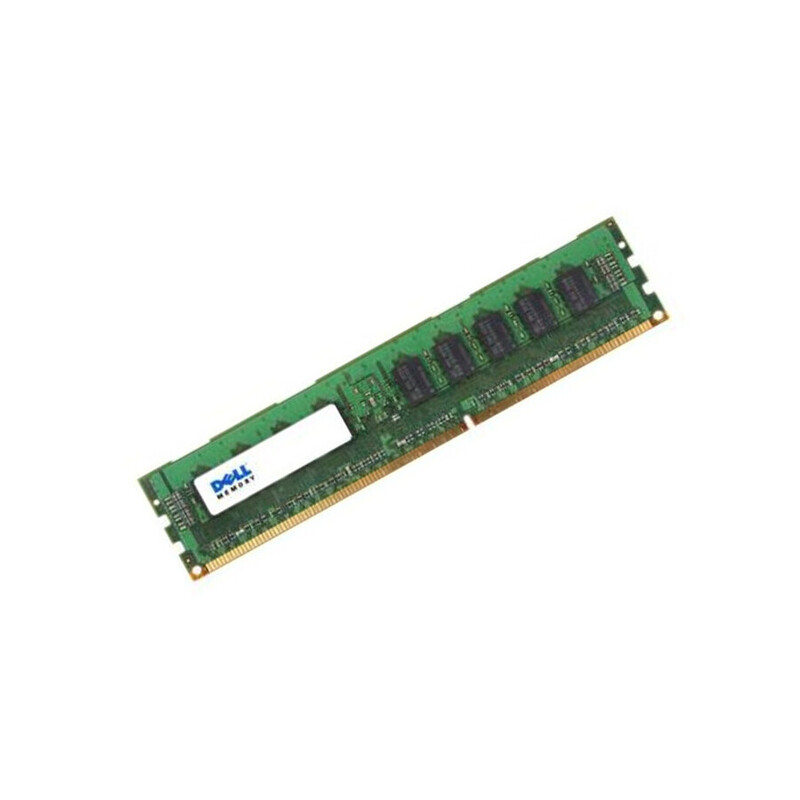
Dell SNPW403YC/64G 64GB DDR4 2933MHz PC4-23400 SDRAM ECC Registered 288-Pin Memory Module. New Sealed in Box (NIB)
| SKU/MPN | Warranty | Price | Condition | You save |
|---|---|---|---|---|
| SNPW403YC/64G | 1 Year Warranty | $999.00 | New Sealed in Box (NIB) | You save: $349.65 (26%) |
| SNPW403YC/64G | 1 Year Warranty | $912.00 | New (System) Pull | You save: $319.20 (26%) |
The Dell SNPW403YC/64G 64GB DDR4 memory module is a high-capacity enterprise-grade RAM solution designed for servers and professional workstation environments. Built with reliable DDR4 SDRAM technology, it delivers stable performance, strong data integrity, and efficient multitasking for demanding workloads.
Dell SNPW403YC/64G 64GB DDR4 2933MHz PC4-23400 SDRAM ECC Registered 288-Pin Memory Module is a high-capacity enterprise-grade server memory solution designed for mission-critical workloads, demanding virtualization environments, and large-scale data center operations. Built with reliability, stability, and performance consistency in mind, this memory module delivers exceptional responsiveness under heavy workloads where uptime and accuracy are essential. With 64GB capacity per module and DDR4 2933MHz speed, it is engineered to support modern enterprise servers that require scalable memory architecture, efficient multitasking, and continuous high-load performance without system degradation.
DDR4 technology used in this Dell memory module provides a balance of performance efficiency and system stability that is essential for enterprise computing environments. Operating at 2933MHz, it ensures consistent data throughput while maintaining low latency across memory channels. This architecture is optimized for servers that handle continuous workloads such as virtualization clusters, cloud computing infrastructure, enterprise database systems, and high-performance analytics platforms. The design prioritizes stability over extreme overclocking, making it ideal for environments where reliability is more important than peak consumer-level speed.
This memory module enhances data transfer efficiency by improving how memory interacts with CPU memory controllers in enterprise server architectures. The DDR4 2933MHz speed ensures faster communication between hardware components, reducing bottlenecks that commonly occur in data-heavy applications. This leads to smoother execution of complex workloads, especially in systems running multiple services simultaneously, such as database queries, virtualization tasks, and cloud-based applications. The improved efficiency ensures that servers maintain responsiveness even during peak usage periods.
This module ensures stable and consistent throughput performance, allowing enterprise servers to process large volumes of data without sudden performance drops. It is particularly effective in environments where continuous data flow is required, such as real-time analytics systems, financial transaction processing, and enterprise resource planning applications. The stable throughput ensures predictable performance, which is critical for IT infrastructure planning and workload balancing.
The 64GB capacity of this DDR4 RDIMM module makes it a powerful solution for scalable server environments where memory demand is consistently high. This capacity allows enterprises to run multiple virtual machines, large databases, and complex applications without exhausting system memory resources. It supports infrastructure expansion by enabling higher memory density per server, reducing the need for additional hardware and improving overall cost efficiency in data center operations.
This memory module is highly effective in virtualization environments where multiple virtual machines operate simultaneously on a single physical server. The 64GB capacity allows hypervisors to allocate memory resources efficiently, ensuring each virtual machine receives sufficient memory for smooth operation. This improves workload isolation, enhances performance consistency, and reduces the risk of memory contention between virtual systems. It is particularly beneficial for enterprise virtualization platforms such as VMware, Hyper-V, and KVM-based systems.
In cloud computing environments, where multiple tenants share the same physical infrastructure, memory efficiency is critical. This module ensures stable memory distribution across different workloads, allowing cloud service providers to deliver consistent performance to all users. It helps reduce latency spikes and ensures that high-priority workloads receive adequate memory resources without affecting overall system stability.
ECC (Error-Correcting Code) Registered memory technology provides advanced data protection capabilities that are essential for enterprise-grade computing systems. It automatically detects and corrects memory errors in real time, preventing data corruption and system crashes. This makes it a critical component for servers that run continuous operations and cannot afford downtime or data inconsistencies. ECC functionality ensures long-term system reliability and maintains data integrity across all processing tasks.
This module continuously monitors memory operations and identifies single-bit errors before they can affect system stability. Once an error is detected, it is automatically corrected without interrupting system performance. This ensures that servers remain stable even under heavy computational loads or extended uptime periods. It significantly reduces the risk of data corruption in critical applications such as banking systems, healthcare databases, and government IT infrastructure.
ECC Registered memory is essential for mission-critical environments where system failures can lead to financial loss or operational disruption. This module ensures continuous system reliability by preventing silent data corruption and maintaining stable memory performance. It is widely used in enterprise servers that support critical applications such as ERP systems, financial trading platforms, and large-scale database servers.
Registered DIMM (RDIMM) architecture enhances server scalability by introducing a register between the memory module and memory controller. This reduces electrical load and improves signal integrity, allowing servers to support higher memory capacities without stability issues. RDIMM modules are designed specifically for enterprise servers that require high memory density and long-term operational stability.
The register in RDIMM modules buffers memory signals before they reach the memory controller, reducing the electrical load on the system. This allows servers to operate with multiple high-capacity memory modules installed simultaneously without performance degradation. It improves system stability and enables scalable memory expansion in enterprise environments.
This architecture allows IT administrators to scale server memory infrastructure efficiently as workload demands increase. It supports high-density memory configurations required in modern data centers, enabling organizations to expand computing capacity without redesigning their entire infrastructure. This makes it a cost-effective solution for growing enterprise IT environments.
Operating at 2933MHz, this DDR4 memory module provides optimized performance for enterprise workloads that require a balance between speed and stability. It ensures fast data access while maintaining consistent system behavior under load. This frequency is ideal for servers that prioritize reliability over extreme performance, making it suitable for long-term enterprise deployment.
The 2933MHz speed improves how quickly applications access and process data stored in memory. This results in reduced latency for enterprise applications such as database queries, virtualization workloads, and cloud computing tasks. Faster memory response times contribute to improved overall system efficiency and better user experience in server environments.
This module is engineered for environments that require 24/7 uptime, ensuring stable performance even during continuous heavy workloads. It maintains consistent memory speeds without fluctuations, making it ideal for enterprise servers that cannot afford downtime or performance instability.
this memory module is designed to maintain high responsiveness even during peak workloads, ensuring that servers continue operating efficiently under pressure. whether handling multiple virtual machines, database queries, or cloud-based applications, the module ensures that memory access delays are minimized, resulting in faster execution times and smoother system behavior. this level of responsiveness is essential for enterprise environments where downtime or lag can significantly impact productivity and service quality.
DDR4 architecture is optimized for energy efficiency, reducing overall power consumption in server environments. This is especially important for large-scale data centers where energy costs and thermal management are major operational concerns. Lower power usage also contributes to reduced heat generation, improving long-term hardware reliability and reducing cooling system load.
This memory module operates at optimized voltage levels that reduce power consumption without affecting performance. This helps enterprises lower operational costs while maintaining high-performance computing capabilities across their server infrastructure. Energy efficiency is a key advantage for organizations running large-scale data center operations.
Lower power consumption results in reduced heat output, which improves overall system cooling efficiency. This reduces stress on cooling systems and extends hardware lifespan by minimizing thermal strain on components. It also contributes to more stable long-term server performance.
This memory module is fully compatible with Dell enterprise server platforms, ensuring seamless integration and reliable performance in production environments. It is designed to meet strict validation standards for Dell PowerEdge servers, ensuring stable operation and eliminating compatibility risks during deployment.
Each module undergoes rigorous testing to ensure compatibility with Dell server systems. This ensures that it meets performance, stability, and reliability requirements for enterprise deployment. Certified validation reduces the risk of hardware conflicts and ensures smooth integration into existing IT infrastructure.
The RDIMM design allows for straightforward installation in compatible servers, enabling IT teams to upgrade memory capacity efficiently. This simplifies infrastructure expansion and reduces downtime during hardware upgrades, making it ideal for enterprise environments that require continuous operation.
This DDR4 RDIMM module is designed to support evolving enterprise workloads, ensuring long-term usability in data centers and IT infrastructure environments. It provides a reliable foundation for virtualization, cloud computing, database management, and enterprise application hosting.
The module is optimized for modern enterprise workloads that require stable memory performance and high capacity. It supports a wide range of applications including ERP systems, analytics platforms, and virtualization environments, ensuring long-term adaptability in IT infrastructure.
By choosing a high-capacity ECC RDIMM module, organizations reduce the need for frequent upgrades and ensure long-term infrastructure stability. This makes it a cost-effective solution for enterprises looking to optimize performance while maintaining budget efficiency.


 Contact Us
 Information
 Catalog
 Solid State Drives (SSD)
 Network Switches
 Hard Disk Drives
 HBA & Controllers
 PC & Servers
 PC & Server Memory
 CPU & Processors
 Network Routers
 Power Supplies
 Tape Drives & Libraries
 Network Devices
 Computer & Network Cables