(7% discount is applied at checkout)
Cart is empty
Your go-to destination for cutting-edge server products
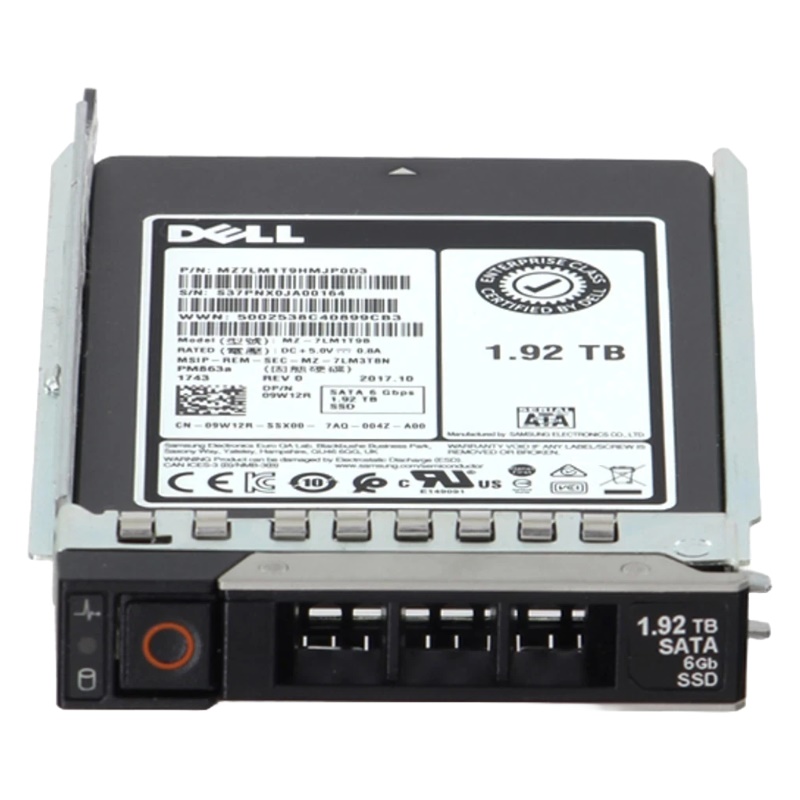


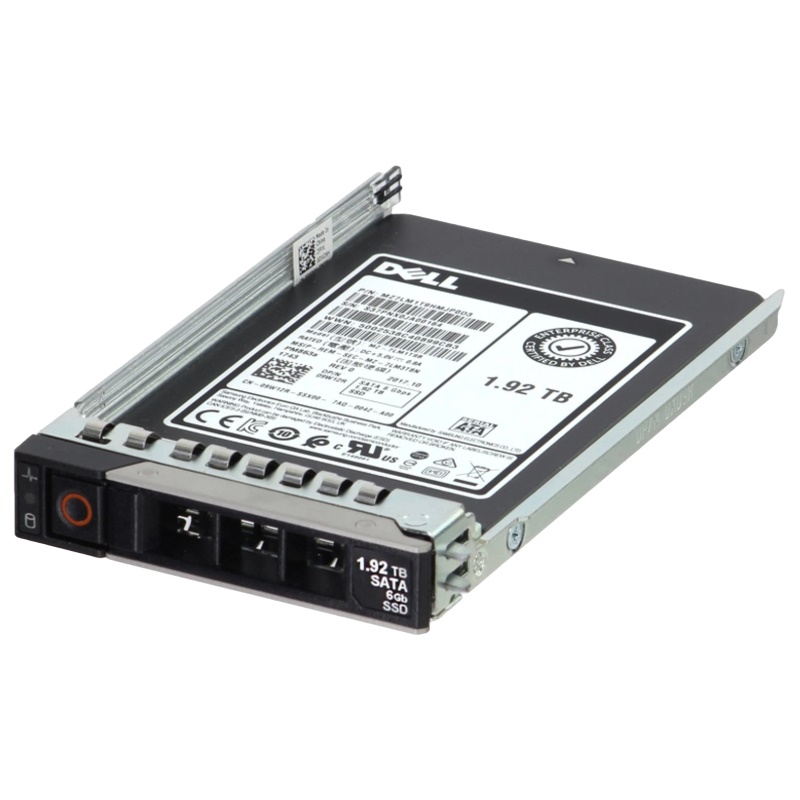
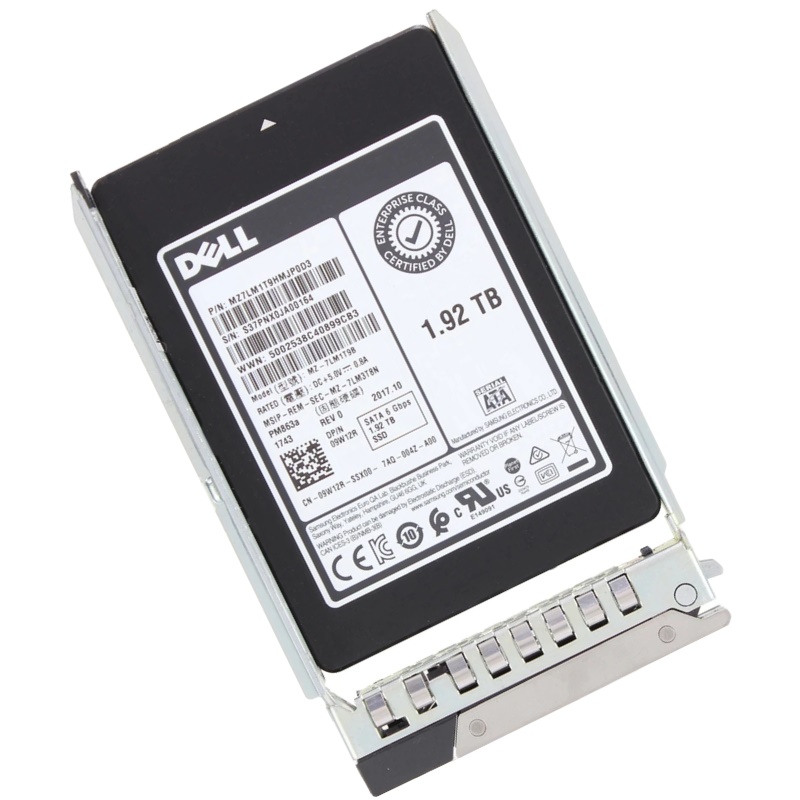
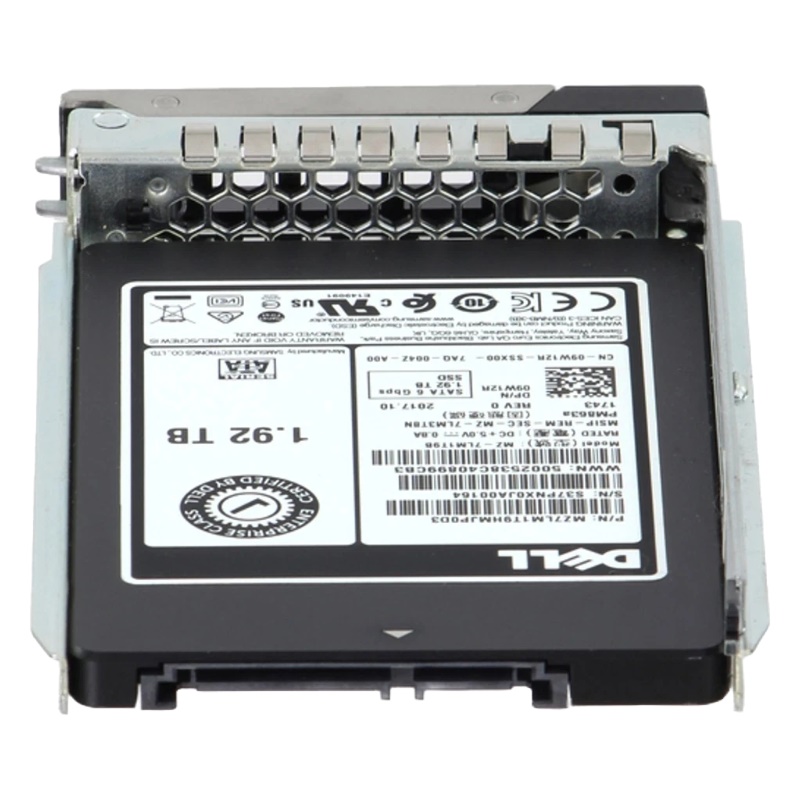
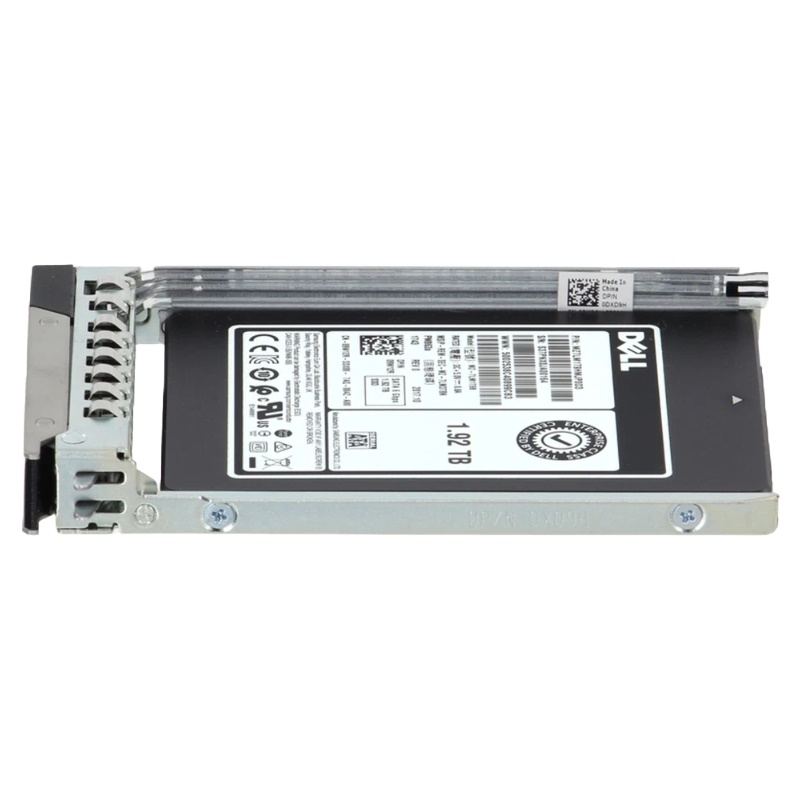
Dell Y5TJ7 Server Hybrid Carrier Hot-plug Mixed Use TLC 1.92TB SATA-6GBPS SSD. New Sealed in Box (NIB) with 1 Year Warranty
The Dell Y5TJ7 Server Hybrid Carrier Hot-Plug Mixed Use TLC 1.92TB SATA 6Gbps SSD is a high-performance solid-state drive designed to deliver superior reliability, exceptional speed, and efficient storage capacity. Ideal for enterprise servers, this SSD enhances data processing and ensures fast access times for demanding workloads.
The Dell Y5TJ7 SSD is compatible with a wide range of Dell PowerEdge servers, ensuring flexibility and easy integration into existing enterprise environments.
The Dell Y5TJ7 represents a specialized category of enterprise storage solutions designed specifically for demanding server environments. This 1.92TB mixed-use SSD combines high-performance TLC NAND flash with SATA-6GBPS interface technology, creating an optimal balance between cost, endurance, and performance for various server workloads.
The hybrid carrier system represents Dell's innovative approach to server storage flexibility. This design allows the same SSD to be deployed across multiple Dell server generations and form factors without requiring physical modifications. The carrier acts as a physical interface adapter, ensuring compatibility between the drive and various server backplanes while maintaining proper alignment, cooling, and electrical connectivity.
Hot-plug functionality is critical for maintaining 24/7 server availability. The Y5TJ7's design allows for removal and insertion while the server remains operational, enabling maintenance, upgrades, and replacements without system downtime. This feature is particularly valuable in high-availability environments where every minute of uptime matters, such as financial trading systems, healthcare databases, and e-commerce platforms.
The 1.92TB capacity point represents an optimal balance between storage density and performance characteristics. This specific capacity allows for substantial over-provisioning (typically 7-28% in enterprise SSDs) while presenting a clean binary capacity to the operating system. The over-provisioned space serves critical functions including wear leveling, garbage collection, and maintaining consistent performance under heavy write workloads.
TLC (Triple-Level Cell) NAND stores three bits of data per memory cell, providing higher storage density compared to SLC (Single-Level Cell) and MLC (Multi-Level Cell) alternatives. Modern enterprise TLC SSDs like the Y5TJ7 incorporate advanced error correction, wear leveling, and read-retry algorithms that mitigate traditional TLC limitations, making them suitable for mixed-use enterprise workloads.
Enterprise TLC SSDs implement sophisticated write amplification reduction techniques and dynamic wear leveling algorithms. The mixed-use designation indicates the drive is engineered to handle both read-intensive and write-intensive workloads, typically supporting 1-3 drive writes per day (DWPD) over its warranty period, which translates to significantly higher endurance than consumer-grade TLC SSDs.
While NVMe interfaces dominate performance discussions, SATA-6GBPS remains relevant in enterprise environments for specific use cases. The 6Gbps bandwidth (approximately 550MB/s practical throughput) suffices for many applications where cost-effectiveness and compatibility outweigh extreme performance needs. The SATA interface's maturity ensures broad compatibility with existing server infrastructure and simpler implementation compared to NVMe solutions.
Mixed-use SSDs are engineered to deliver consistent performance across varied read/write ratios, typically optimized for 50/50 to 70/30 read/write distributions. The Y5TJ7 employs dynamic cache allocation, SLC caching algorithms, and background maintenance operations that prioritize consistent latency over peak throughput, ensuring predictable performance during workload fluctuations.
Enterprise SSDs emphasize QoS parameters including consistent low latency, predictable IOPS, and tail latency management. The Y5TJ7 is designed to maintain 99.9%+ latency compliance under specified workload conditions, which is crucial for applications requiring predictable storage response times, such as database transactions and virtualized environments.
Enterprise workloads often involve sustained activity periods that differ dramatically from consumer usage patterns. The Y5TJ7 incorporates thermal throttling mechanisms and dynamic performance scaling to maintain operation within safe temperature ranges while minimizing performance impact. The hybrid carrier design contributes to thermal management by ensuring proper airflow across the SSD components.
The Y5TJ7 implements comprehensive data protection spanning from host interface to NAND media. This includes T10 DIF (Data Integrity Field) support, advanced ECC algorithms capable of correcting multiple bit errors per page, and RAID-like protection within the drive architecture. These features prevent silent data corruption and ensure data integrity throughout the storage stack.
Enterprise SSDs incorporate power loss protection circuits that provide sufficient energy to complete in-progress writes and commit data from volatile caches to non-volatile media during unexpected power interruptions. The Y5TJ7 typically uses capacitors or similar energy storage devices that activate when primary power is lost, preventing data loss and filesystem corruption.
The drive's SMART (Self-Monitoring, Analysis and Reporting Technology) implementation includes enterprise-specific attributes such as wear indicator, media wearout, power cycle count, and error log statistics. These metrics enable predictive failure analysis and proactive replacement before actual failure occurs, reducing unplanned downtime in critical environments.
As a Dell-branded component, the Y5TJ7 integrates with Dell's server management ecosystem including iDRAC (Integrated Dell Remote Access Controller), OpenManage, and support assist technologies. This integration provides enhanced visibility into drive health, firmware management capabilities, and automated support processes specific to Dell server environments.
The Y5TJ7 is qualified for use across multiple Dell PowerEdge server generations including the 14th, 15th, and newer platforms. The hybrid carrier ensures physical and electrical compatibility while Dell's firmware validation process guarantees operational reliability within these systems. Specific compatibility details are available through Dell's compatibility matrices and configuration tools.
Beyond standalone servers, these SSDs are deployed in Dell storage solutions including PowerVault and Compellent systems. In storage arrays, multiple Y5TJ7 drives may be configured in RAID groups to provide both performance and redundancy, serving as either primary storage or caching tiers depending on the overall storage architecture.
The mixed-use characteristics make the Y5TJ7 well-suited for virtualization hosts running multiple virtual machines. The consistent low latency benefits boot storms in VDI (Virtual Desktop Infrastructure) implementations, while the endurance characteristics handle the write-intensive nature of virtualization workloads including snapshot operations and system paging.
For database applications, the Y5TJ7 provides the consistent I/O performance necessary for transaction processing. The drive's ability to maintain low queue depth performance benefits OLTP (Online Transaction Processing) workloads where numerous small random I/O operations occur concurrently, while the capacity supports substantial database instances and associated log files.
In content delivery scenarios, the drive's read-optimized performance characteristics efficiently serve static content, while mixed-use capabilities handle dynamic content generation and caching operations. The 1.92TB capacity provides substantial storage for frequently accessed content while maintaining performance consistency during traffic spikes.
The Y5TJ7 occupies the middle ground in Dell's SSD portfolio between read-intensive (lower endurance, cost-optimized) and write-intensive (higher endurance, performance-optimized) solutions. This balanced approach makes it suitable for general-purpose server applications where workload characteristics may vary or be unpredictable.
Within the interface hierarchy, SATA SSDs like the Y5TJ7 provide a cost-effective solution for capacity tiers and applications where SATA's bandwidth suffices. SAS interfaces offer enhanced reliability features and dual-port capability for high-availability configurations, while NVMe provides significantly higher performance for I/O-intensive applications at a premium price point.


 Contact Us
 Information
 Catalog
 Solid State Drives (SSD)
 Network Switches
 Hard Disk Drives
 HBA & Controllers
 PC & Servers
 PC & Server Memory
 CPU & Processors
 Network Routers
 Power Supplies
 Tape Drives & Libraries
 Network Devices
 Computer & Network Cables