(7% discount is applied at checkout)
Cart is empty
Your go-to destination for cutting-edge server products
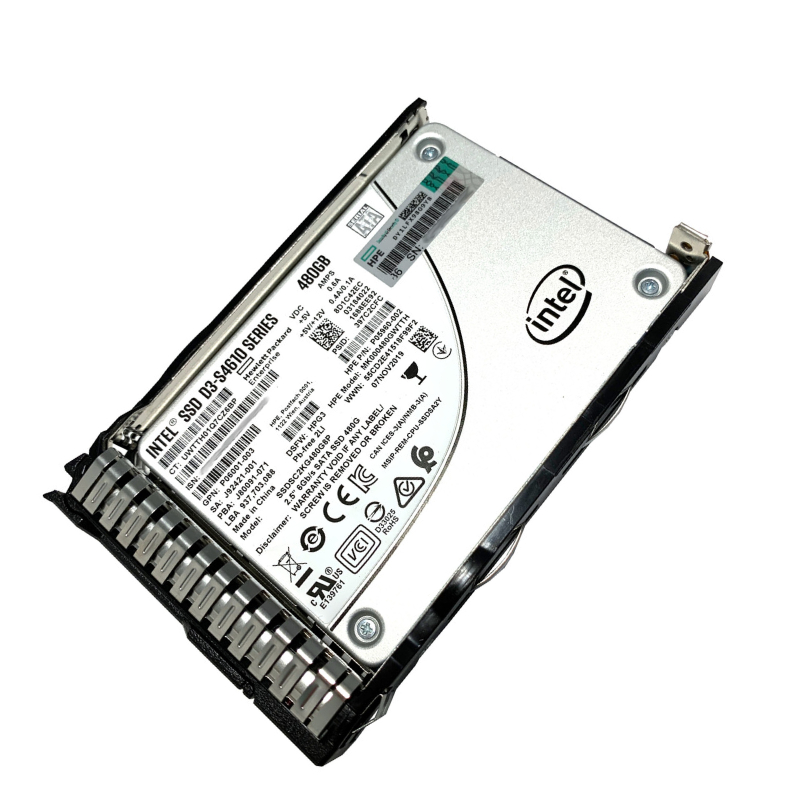


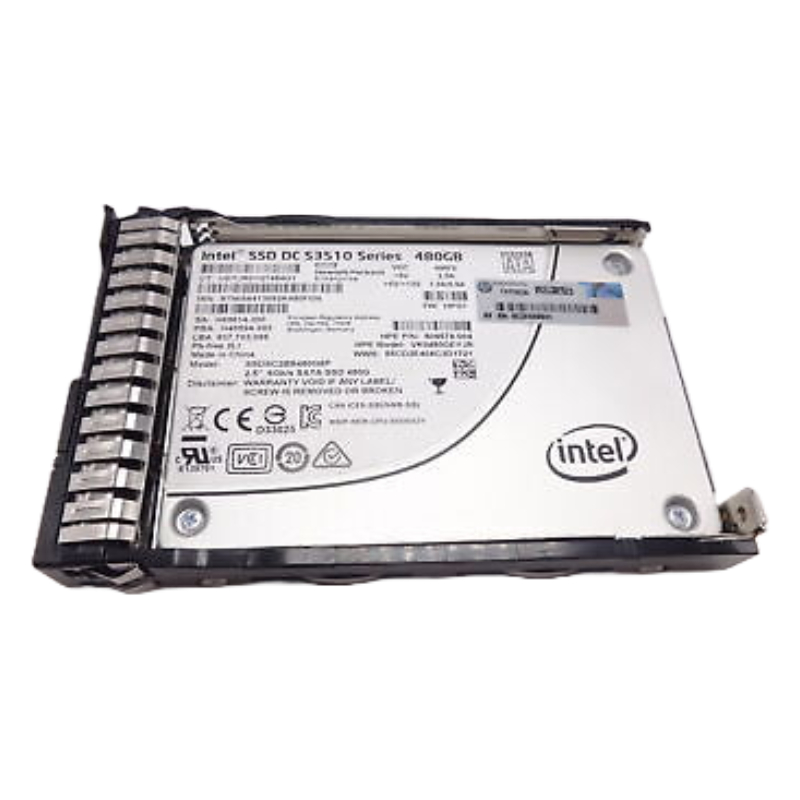
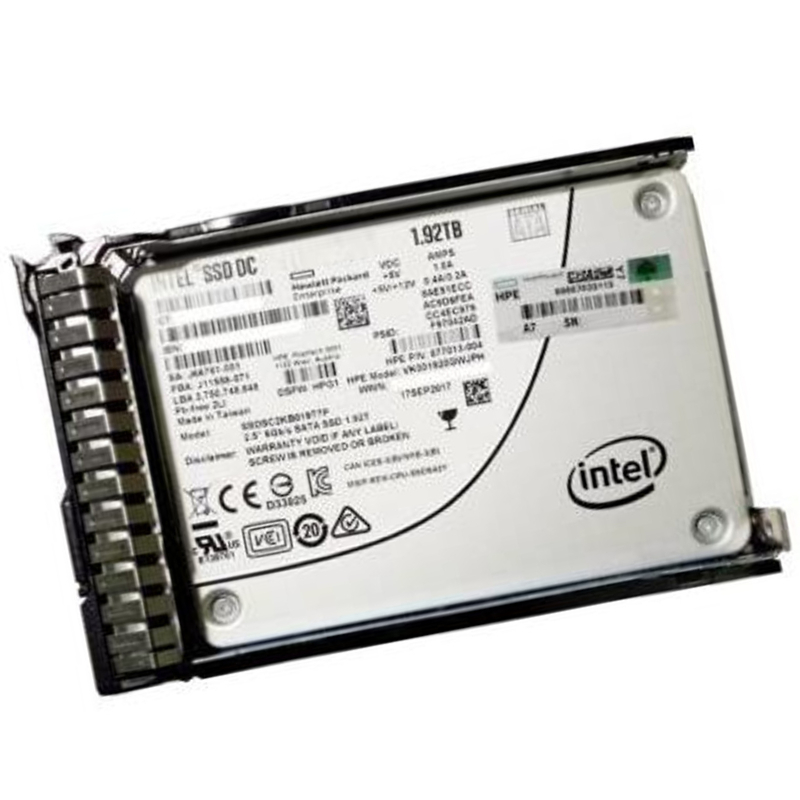
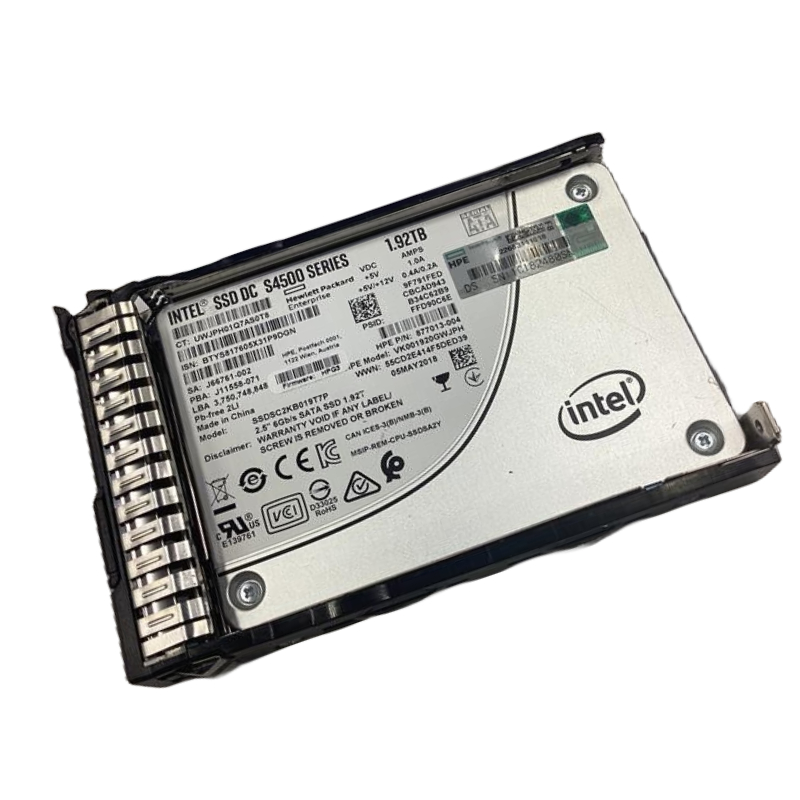
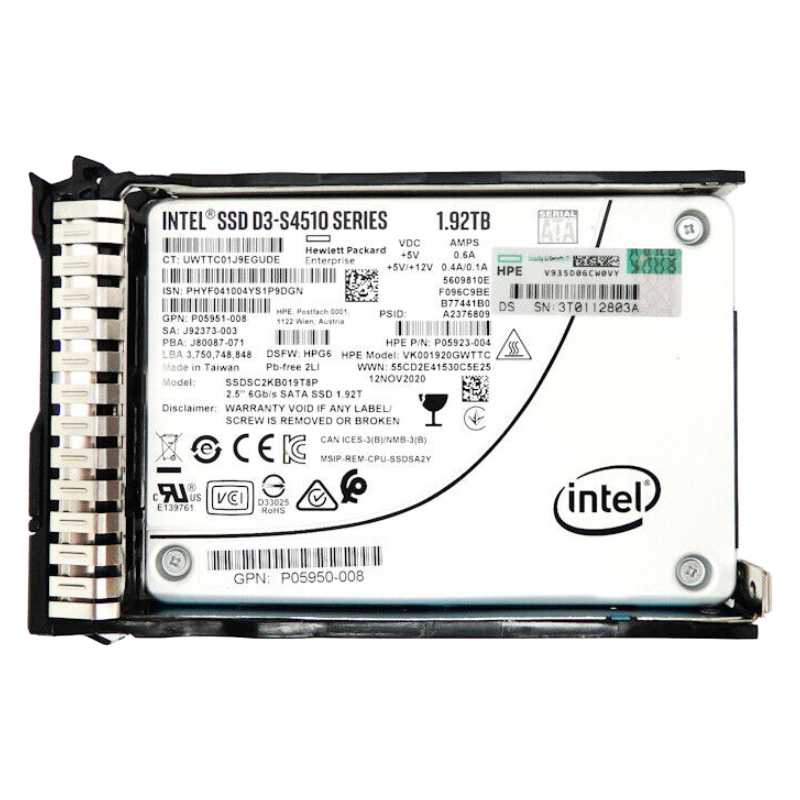
HPE MK000480GWUGF 480GB Solid State Drive SATA-6GBPS Mixed Use SFF. Factory-Sealed New in Original Box (FSB) with 3 Years Warranty
| SKU/MPN | Warranty | Price | Condition | You save |
|---|---|---|---|---|
| MK000480GWUGF | 1 Year Warranty | $617.00 | Factory-Sealed New in Original Box (FSB) | You save: $215.95 (26%) |
| MK000480GWUGF | 1 Year Warranty | $139.00 | Excellent Refurbished | You save: $48.65 (26%) |
This multi-vendor solid-state drive is engineered for enterprise-grade performance and reliability. Designed for HPE ProLiant Gen9 and Gen10 servers, it delivers consistent throughput and robust endurance for mixed-use applications.
The HPE MK000480GWUGF 480GB SATA 6Gbps Mixed Use SFF Solid State Drive sits in the enterprise-class SATA SSD category designed for data centers, edge servers, and storage arrays that require a balance of sustained throughput, durability, and predictable latency. This category description covers the product family characteristics, technical attributes, deployment scenarios, compatibility considerations, performance trade-offs, and buying guidance — all written to help IT procurement teams, system integrators, and informed buyers make confident choices when selecting HPE mixed-use SATA drives for small form factor (SFF) systems.
Drives in this category utilize the SATA 3.0 interface offering up to 6Gbps (600 MB/s theoretical) per link. The SFF (Small Form Factor) designation typically points to a 2.5-inch drive profile optimized for rackmount servers, storage enclosures, and blade servers that accept 2.5" drives. The SATA interface ensures broad compatibility with legacy and modern server platforms and simplifies upgrades in environments that do not support NVMe.
The term “mixed use” designates an endurance and performance balance between read-intensive and write-intensive workloads. Mixed-use SSDs are engineered to handle typical enterprise workloads where both sequential and random writes occur regularly — for example, transactional databases, virtualized environments, boot volumes, log files, and general-purpose storage pools. They typically offer higher TBW (Terabytes Written) and DWPD (Drive Writes Per Day) guarantees than read-optimized drives while remaining more cost-effective than high-endurance write-intensive SSDs.
Enterprise SATA SSDs like the HPE MK000480GWUGF include features to enhance reliability: power-loss protection (PLP), end-to-end data path protection, firmware-level error recovery, and advanced wear-leveling algorithms. Mean Time Between Failures (MTBF) ratings, enterprise-grade SMART attributes, and vendor-backed firmware update tools are common attributes that support predictable operations in production.
SATA 6Gbps drives are naturally bounded by the interface. Expect peak sequential read/write throughput to align close to the SATA ceiling under ideal conditions, though real-world sustained throughput depends on controller efficiency, NAND media, and workload characteristics. Random I/O performance (IOPS) is typically the more relevant metric for mixed workloads — look for strong 4K random read/write IOPS figures and consistent tail latency numbers when evaluating drives for virtualization or database use.
Enterprise deployments demand predictable latency. Mixed-use SATA SSDs are tuned to keep 99th-percentile latency low under mixed workloads. Lower and more stable latency translates to faster response times for transactional services and improved VM density per host. When comparing models, review vendor QoS metrics and independent benchmarking that measure sustained latency under mixed read/write ratios.
Virtual machines and hypervisor boot volumes
Application servers handling moderate transaction rates
Database log files and small-to-medium OLTP workloads
Read/write caching layers and tiered storage pools
Content delivery where read and write activity coexist
The NAND flash generation and controller silicon play a large role in endurance, performance, and cost. Higher-density TLC or QLC designs offer capacity at lower cost but trade off endurance and write performance compared to enterprise-grade SLC/MLC or newer enterprise TLC with enhanced endurance. Mixed-use drives frequently use enterprise-optimized TLC with robust over-provisioning and firmware algorithms for consistent performance.
Check the TBW (Terabytes Written) and DWPD (Drive Writes Per Day) numbers to ensure the drive meets your expected write workload over its warranty period. Mixed-use SSDs typically provide moderate TBW values suitable for daily write patterns common in virtualization and mixed transactional environments. Align your capacity planning and RAID strategies to accommodate the drive’s endurance to avoid premature replacement.
Operational power draw and thermal dissipation affect server chassis cooling and power budgeting. SFF drives are often used in dense server configurations; ensure chassis airflow and thermal design can maintain drive temperatures within vendor-specified ranges. Power-loss protection circuitry is a crucial enterprise feature — verify whether the drive includes capacitors or firmware mechanisms that protect in-flight data during sudden power events.
Robust firmware with a history of updates is vital. Look for vendor tools that facilitate firmware updates, SMART monitoring, and diagnostics. HPE-branded SSDs typically integrate with server management suites, providing alerts and drive health telemetry through the same infrastructure that monitors your servers, simplifying operational workflows.
SATA SSDs are broadly compatible, but confirm the specific HPE MK000480GWUGF model is supported in your target server or storage array. HPE often certifies drives for particular server models and enclosure backplanes; using certified parts can reduce the chance of firmware mismatches and ensure optimal integration with the platform’s RAID controllers and HBA firmware.
When deploying RAID, choose a controller with a proven track record for handling SSD workloads. Configure write-caching, stripe sizes, and rebuild policies to balance performance and data protection. For mixed-use SSDs, RAID levels that provide redundancy while allowing parallel writes across multiple drives (e.g., RAID10 for high IOPS) are common choices in latency-sensitive environments.
Ensure your server firmware and driver stack are compatible with the SSD firmware version — mismatches can cause degraded performance or device drops. Maintain a schedule for testing firmware upgrades in staging environments before wide deployment.
The mixed-use profile makes these drives ideal for virtualization hosts where many small I/O operations are interleaved with larger sequential transfers. VDI environments, which generate both random reads and writes, benefit from the drive’s balance of endurance and random I/O performance.
For small-to-medium OLTP databases, log volumes, and mixed read/write transaction stores, the 480GB capacity often fits as a boot volume or dedicated log device. Combining mixed-use drives with higher-endurance cache or journaling tiers can yield a cost-effective architecture.
Edge servers that need robust storage without the highest-cost NVMe devices find mixed-use SATA SSDs attractive for their reliability and broad compatibility. The SFF form factor supports compact edge appliances and ruggedized servers used in distributed sites.
Use mixed-use SATA drives as mid-tier storage in tiered architectures — faster than HDDs and more cost-effective than NVMe — or as read/write cache in front of larger capacity HDD arrays to accelerate mixed workloads.
Compared to read-intensive SATA SSDs, mixed-use models provide higher write endurance and better sustained write performance at a cost premium. Choose read-optimized models only when workloads are overwhelmingly read-heavy (e.g., content delivery or archival reads).
NVMe drives deliver higher IOPS, lower latency, and greater parallelism. However, NVMe comes at a higher price and may require platform support and different management tools. For systems constrained by SATA-only backplanes or when cost-per-GB and interface compatibility matter, SATA mixed-use is a compelling choice.
480GB fits into a small-to-medium capacity tier suitable for OS/boot, caching, and high-value small datasets. When scaling, calculate cost-per-IOPS and cost-per-TBW across competing models to determine the most efficient overall architecture for your needs.


 Contact Us
 Information
 Catalog
 Solid State Drives (SSD)
 Network Switches
 Hard Disk Drives
 HBA & Controllers
 PC & Servers
 PC & Server Memory
 CPU & Processors
 Network Routers
 Power Supplies
 Tape Drives & Libraries
 Network Devices
 Computer & Network Cables