(7% discount is applied at checkout)
Cart is empty
Your go-to destination for cutting-edge server products


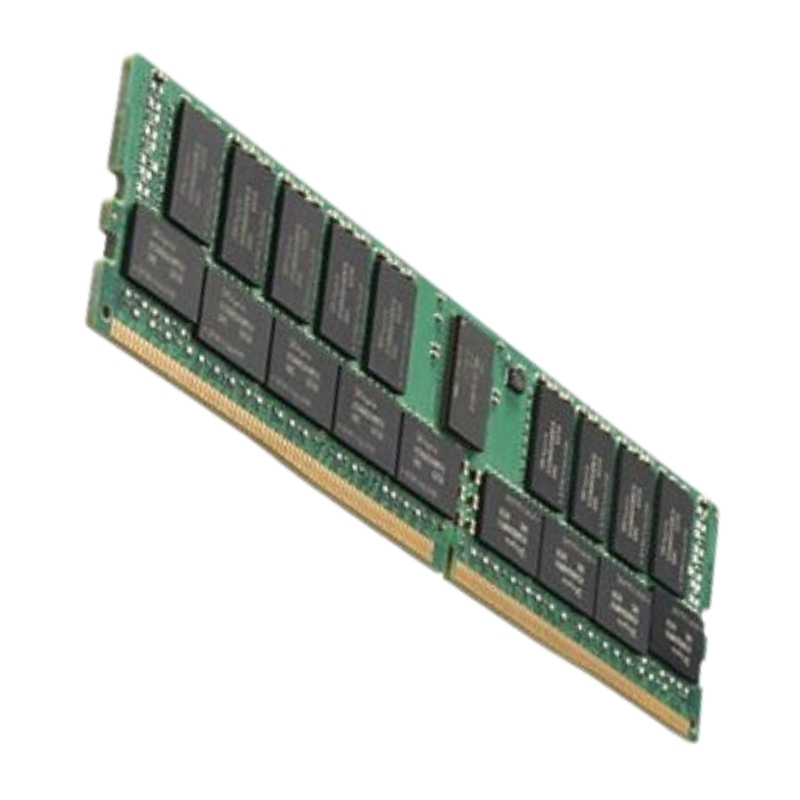
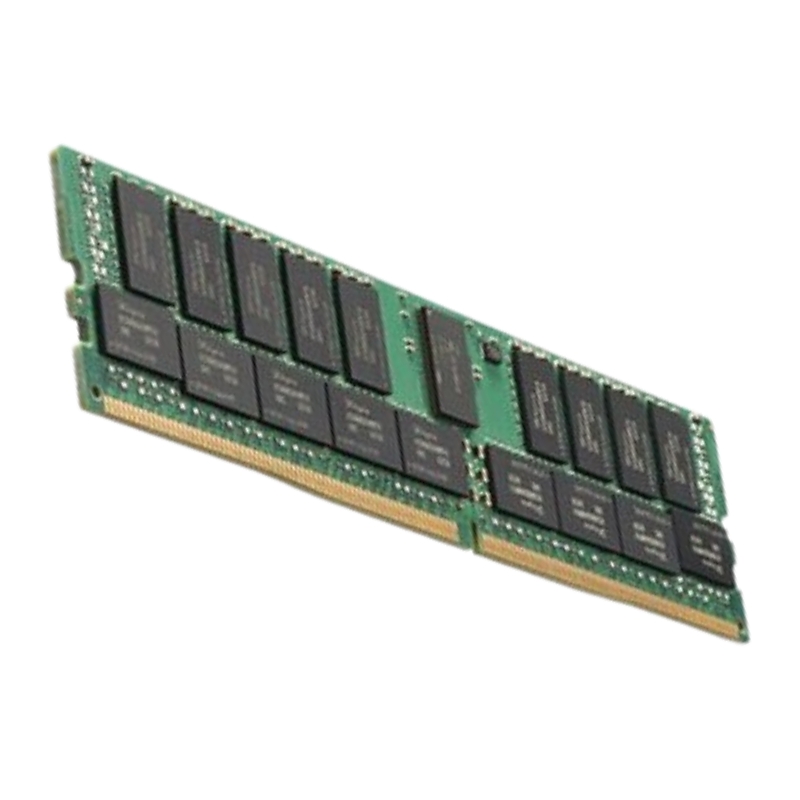
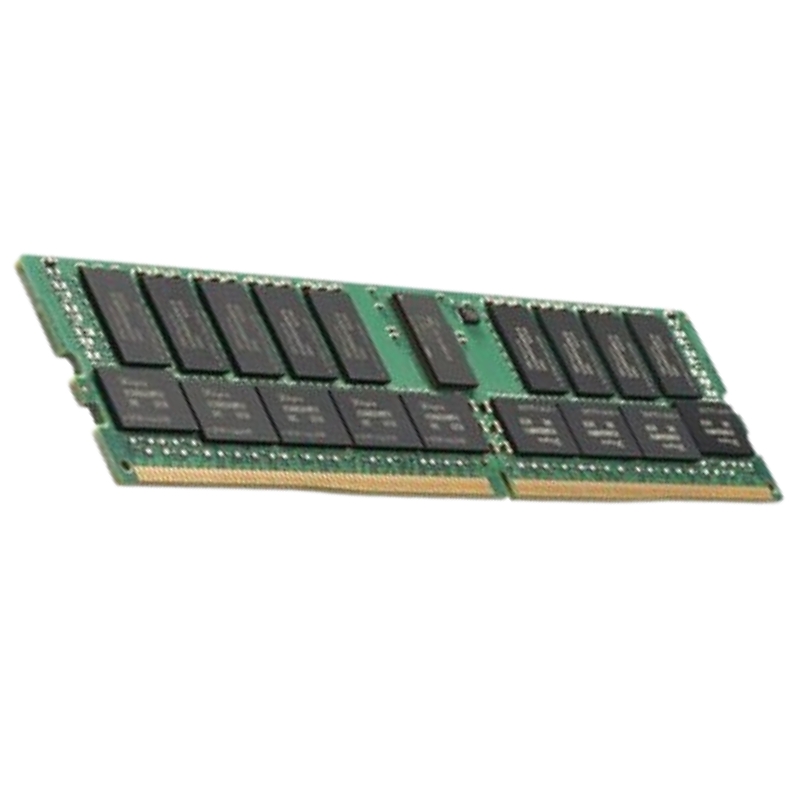
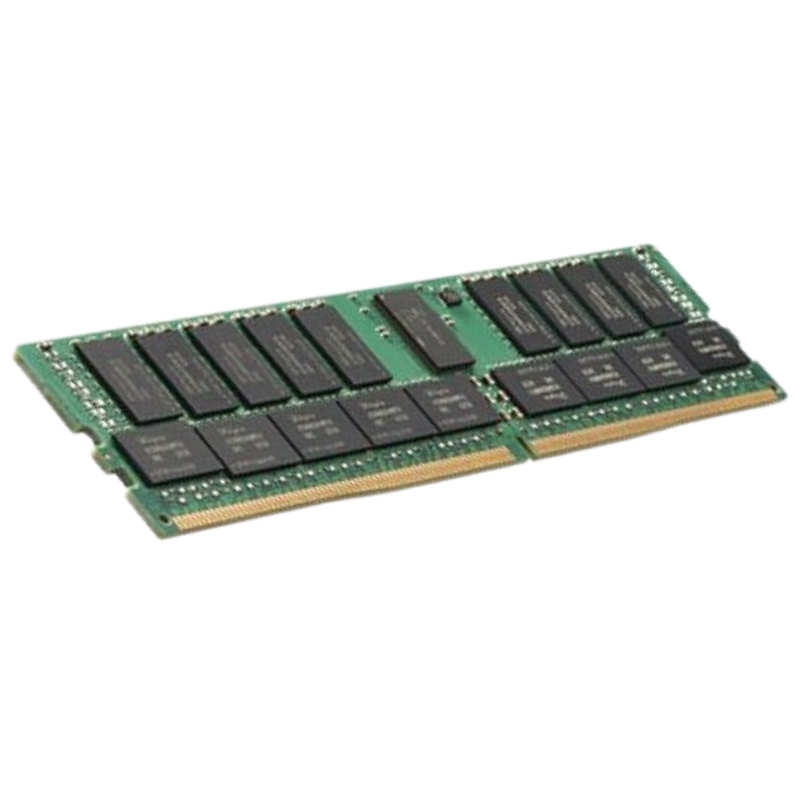
HPE 815100-B21 32GB DDR4 SDRAM 2666mhz Cl19 Ecc Registered Pc4-21300 Memory. New Sealed in Box (NIB) with 3 Years Warranty
| SKU/MPN | Warranty | Price | Condition | You save |
|---|---|---|---|---|
| 815100-B21 | 1 Year Warranty | $358.00 | New (System) Pull | You save: $125.30 (26%) |
| 815100-B21 | 1 Year Warranty | $576.00 | New Sealed in Box (NIB) | You save: $201.60 (26%) |
The HPE 815100-B21 32GB DDR4-2666 RDIMM is engineered to deliver high-speed performance, reliability, and efficiency for enterprise-grade servers. With ECC error correction, dual-rank architecture, and registered signal processing, this memory module ensures dependable operation for mission-critical workloads.
This HPE memory module is fully certified for a wide range of Gen10 servers and systems, ensuring seamless integration and optimized performance.
The HPE 815100-B21 represents the pinnacle of DDR4 memory technology, delivering exceptional performance with its 2666MHz operating frequency and PC4-21300 classification. This 32GB registered DIMM achieves a remarkable data transfer rate of 21,300 MB/s, representing a significant 25% performance improvement over standard 2133MHz DDR4 modules. The enhanced speed directly translates to reduced latency and increased throughput for memory-intensive applications, making it particularly suitable for modern data center workloads including real-time analytics, in-memory databases, and high-density virtualization environments.
Operating at CL19 (CAS Latency 19), the HPE 815100-B21 achieves an optimal balance between speed and responsiveness. The carefully engineered timing parameters ensure efficient data access cycles while maintaining stability at elevated frequencies. The memory module's advanced signal integrity features allow it to sustain these aggressive timing parameters even in fully populated server configurations, ensuring consistent performance across diverse workload patterns and environmental conditions.
The 2666MHz operating frequency represents one of the highest standardized speeds within the DDR4 specification, requiring precise electrical engineering and signal integrity management. The HPE 815100-B21 maintains the standard DDR4 operating voltage of 1.2V while delivering increased performance, demonstrating exceptional power efficiency compared to previous memory generations. The module implements advanced power saving features including temperature-compensated refresh and fine-grained power management states that dynamically adjust power consumption based on workload demands.
Leveraging DDR4's enhanced 16-bank architecture with 4 bank groups, the HPE 815100-B21 achieves superior memory access efficiency compared to previous generations. The bank group architecture allows simultaneous activation of different groups, significantly reducing bank conflict penalties and improving overall memory utilization. The 8n prefetch architecture with burst length of 8 ensures optimal data transfer efficiency, while the updated command structure supports more efficient background maintenance operations without impacting foreground performance.
The HPE 815100-B21 incorporates sophisticated Error Correcting Code (ECC) technology that provides single-bit error correction and double-bit error detection capabilities. This advanced error management extends beyond basic ECC functionality to include CRC (Cyclic Redundancy Check) for data bus protection and command/address parity checking. The comprehensive error protection ecosystem ensures data integrity throughout the entire memory access path, from the memory controller interface to the individual DRAM cells and back to the processor.
Implementing both patrol scrubbing and demand scrubbing technologies, this memory module continuously monitors and corrects soft errors before they can accumulate and cause system instability. Patrol scrubbing operates as a background process that systematically scans all memory locations, while demand scrubbing immediately corrects errors when they are accessed during normal operation. This dual-scrubbing approach provides comprehensive protection against both transient and persistent memory errors, significantly enhancing system reliability and reducing the probability of uncorrectable errors.
The HPE 815100-B21 features integrated thermal sensors that provide real-time temperature monitoring and reporting through the SPD (Serial Presence Detect) interface. These sensors enable the system to dynamically adjust cooling strategies based on actual memory module temperatures rather than estimated values. The thermal management system can trigger alerts through HPE's iLO management interface when temperatures approach operational limits, allowing proactive intervention before thermal throttling or potential damage occurs.
The HPE 815100-B21 is specifically engineered and validated for HPE ProLiant Gen10 and Gen10 Plus server platforms, including popular models such as DL380 Gen10, DL360 Gen10, ML350 Gen10, and Apollo systems. The memory module undergoes extensive platform-specific testing within HPE's validation laboratories to ensure seamless integration with the system's memory controllers, firmware, and management ecosystems. This comprehensive validation process guarantees optimal performance, reliability, and management capability when deployed in supported HPE server environments.
Specifically optimized for Intel Xeon Scalable processors (Skylake, Cascade Lake, and Cooper Lake generations), the HPE 815100-B21 leverages advanced memory controller features including support for Intel's Persistent Memory 200 series compatibility. The module's timing parameters and electrical characteristics are tuned to maximize performance with these processor families, ensuring full utilization of the memory bandwidth capabilities while maintaining signal integrity across fully populated memory channels.
Proper memory population is critical for achieving optimal performance with the HPE 815100-B21. Supported systems typically require installation in multiples per processor, with specific sequencing to ensure balanced memory access across all channels. For dual-processor configurations, memory should be distributed equally between processors, with matching configurations in corresponding slots. HPE provides detailed population guides for each server model, specifying the optimal configuration for various memory capacity requirements and performance objectives.
While the HPE 815100-B21 can operate alongside other compatible HPE memory modules in mixed configurations, optimal performance is achieved with homogeneous memory populations. In mixed-speed environments, all memory will operate at the speed of the slowest module. Similarly, mixed capacity configurations may impact performance due to interleaving limitations. For performance-critical applications, consistent memory configuration across all channels and processors is strongly recommended to ensure predictable performance characteristics.
The HPE 815100-B21's theoretical maximum bandwidth of 21,300 MB/s represents ideal conditions, with real-world performance typically achieving 85-92% of this maximum depending on workload characteristics and system configuration. Memory bandwidth-intensive applications such as scientific computing, financial modeling, and video processing benefit significantly from the increased data transfer rates. Benchmark testing demonstrates consistent performance advantages over lower-speed memory modules, particularly in applications with sequential memory access patterns and large working sets.
Different application types benefit variably from the increased memory bandwidth. Database workloads typically show 15-25% performance improvement compared to 2133MHz memory, while virtualization environments demonstrate 10-20% better performance for memory-intensive virtual machines. High-performance computing applications with large matrix operations and scientific simulations show the most significant benefits, with performance improvements of 25-35% in memory-bound scenarios. These performance gains translate directly to reduced processing times and improved throughput for business-critical applications.
The HPE 815100-B21 implements sophisticated power management capabilities including several active and idle power states. The module supports per-DRAM addressability and bank group power control, allowing unused portions of the memory to enter low-power states without affecting active regions. These power management features, combined with the inherent efficiency of the 1.2V operating voltage, result in significantly improved power efficiency compared to previous memory generations, contributing to reduced data center operating costs and improved PUE (Power Usage Effectiveness) metrics.
Modern in-memory database systems such as SAP HANA, Oracle Database In-Memory, and Microsoft SQL Server Hekaton achieve optimal performance with high-speed memory like the HPE 815100-B21. The 2666MHz operating frequency significantly reduces data access latency, enabling faster query processing and real-time analytics. The 32GB module capacity allows for substantial in-memory data sets, reducing dependency on slower storage subsystems and enabling businesses to process larger data volumes with lower response times.
Research institutions, engineering firms, and financial organizations running complex simulations, computational fluid dynamics, finite element analysis, and Monte Carlo simulations benefit tremendously from the increased memory bandwidth. These applications typically feature large working sets and memory access patterns that maximize the advantages of high-speed memory. The HPE 815100-B21's performance characteristics enable researchers and analysts to solve larger problems in less time, accelerating innovation and decision-making processes.
Virtualization platforms including VMware vSphere, Microsoft Hyper-V, and Red Hat Virtualization achieve superior performance with high-speed memory, particularly when running multiple virtual machines with diverse workload characteristics. The HPE 815100-B21 enables higher virtual machine density per host while maintaining consistent performance levels. The memory module's advanced reliability features ensure stable operation even under the variable workload patterns typical of consolidated virtual environments.
Modern containerized applications and microservices architectures often feature numerous concurrent processes with independent memory access patterns. The high bandwidth and low latency of the HPE 815100-B21 provide performance benefits for these fragmented workload types, enabling faster container startup times and improved application responsiveness. The memory module's capacity and speed are particularly beneficial for memory-intensive containerized applications such as in-memory caches, message brokers, and real-time stream processing platforms.
HPE employs a multi-stage validation process for the 815100-B21 memory modules, beginning with rigorous component selection from certified suppliers. Each DRAM component undergoes extensive testing and characterization before being approved for use in HPE memory products. The manufacturing process includes automated optical inspection, electrical testing, and thermal cycling to identify potential early-life failures. This comprehensive approach ensures consistent quality and reliability across all production batches.
Every HPE 815100-B21 memory module undergoes platform-specific compatibility testing with supported server models and configurations. This testing includes validation of performance characteristics, thermal behavior, management interface functionality, and interoperability with other system components. The compatibility validation extends to various firmware versions and operating systems, ensuring broad compatibility across different software environments and deployment scenarios.
The HPE 815100-B21 undergoes extensive accelerated life testing that simulates years of typical server operation within compressed timeframes. These tests include elevated temperature operation, thermal cycling, voltage margining, and extended pattern testing to identify potential failure mechanisms. The results of these tests inform design improvements and manufacturing process refinements that enhance the long-term reliability of the memory modules in production environments.
For larger deployments, the HPE 815100-B21 integrates fully with HPE OneView, providing centralized management and monitoring across the entire server infrastructure. OneView enables administrators to track memory health, performance, and configuration compliance across multiple systems from a single management console. The integration includes automated inventory tracking, firmware compliance monitoring, and centralized alert management for memory-related events.
The HPE 815100-B21 supports extensive diagnostic capabilities through HPE's suite of management tools. The UEFI System Utilities include memory testing functionality that can identify and isolate failing memory modules. For more comprehensive analysis, HPE provides specialized diagnostic software that can perform pattern testing, address range testing, and timing margin analysis to identify potential memory issues before they impact production workloads.
Advanced error logging capabilities capture detailed information about memory errors including error type, address, syndrome data, and environmental conditions at the time of the error. This information is stored in non-volatile logs that can be accessed through management interfaces and provided to HPE support for analysis. The comprehensive error logging enables root cause analysis of memory-related issues and facilitates targeted remediation actions.
While the HPE 815100-B21 is optimized for current-generation server platforms, its standard DDR4 architecture provides potential compatibility with selected future systems. Organizations planning technology migrations should consult HPE's compatibility matrices and technology transition guides to develop optimal memory reuse strategies. HPE's technology consulting services can assist with planning memory infrastructure evolution across server generations, maximizing return on investment while maintaining performance and compatibility.


 Contact Us
 Information
 Catalog
 Solid State Drives (SSD)
 Network Switches
 Hard Disk Drives
 HBA & Controllers
 PC & Servers
 PC & Server Memory
 CPU & Processors
 Network Routers
 Power Supplies
 Tape Drives & Libraries
 Network Devices
 Computer & Network Cables