(7% discount is applied at checkout)
Cart is empty
Your go-to destination for cutting-edge server products


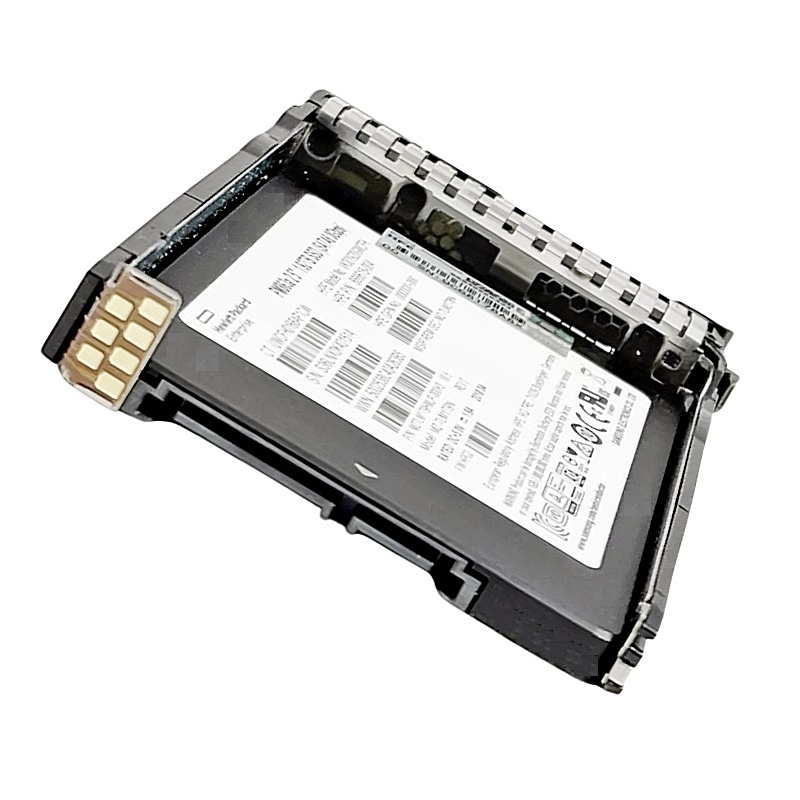
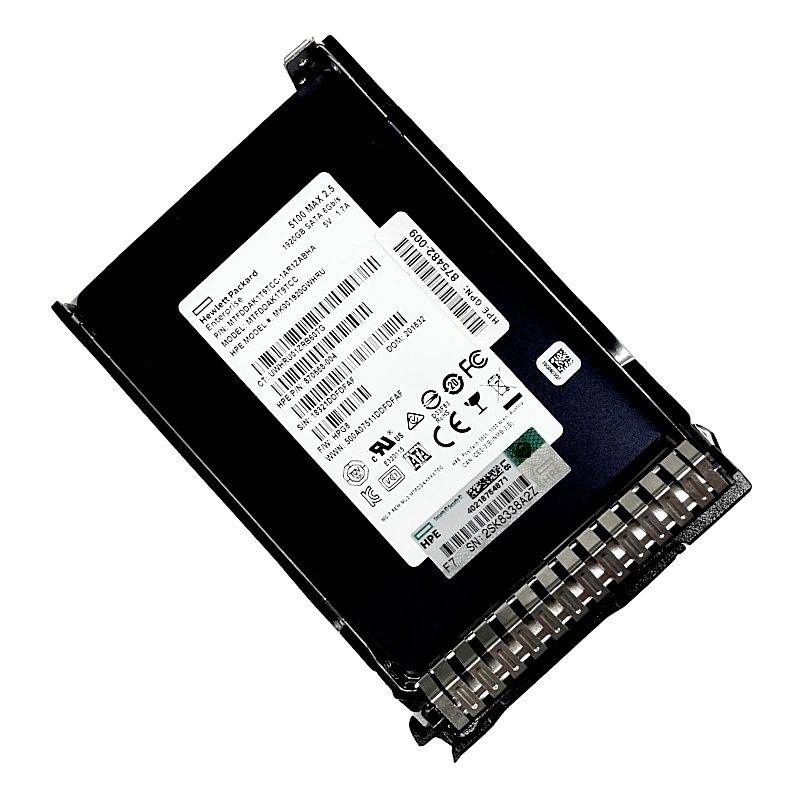
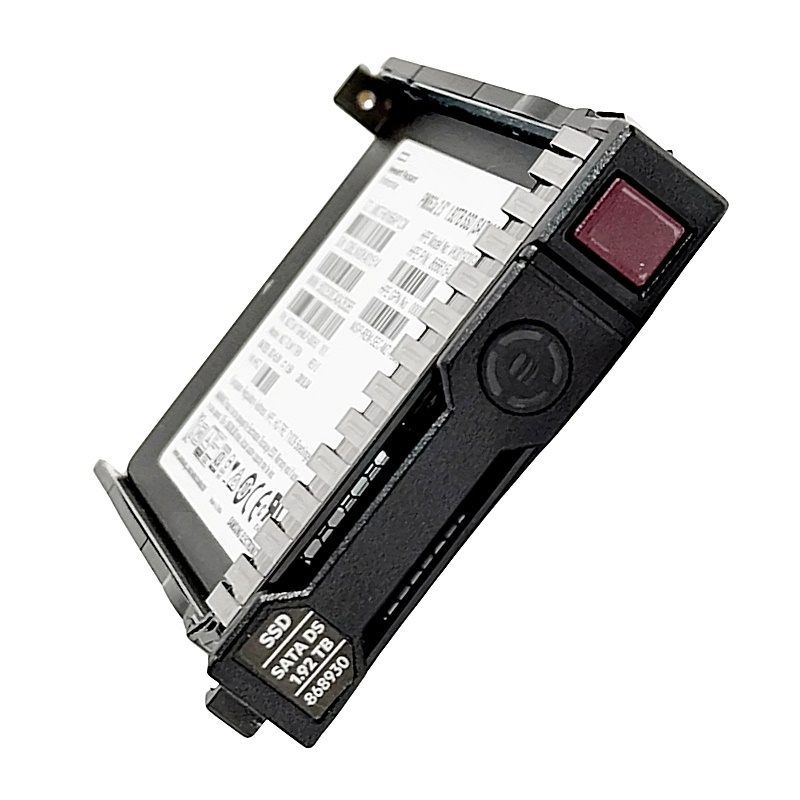
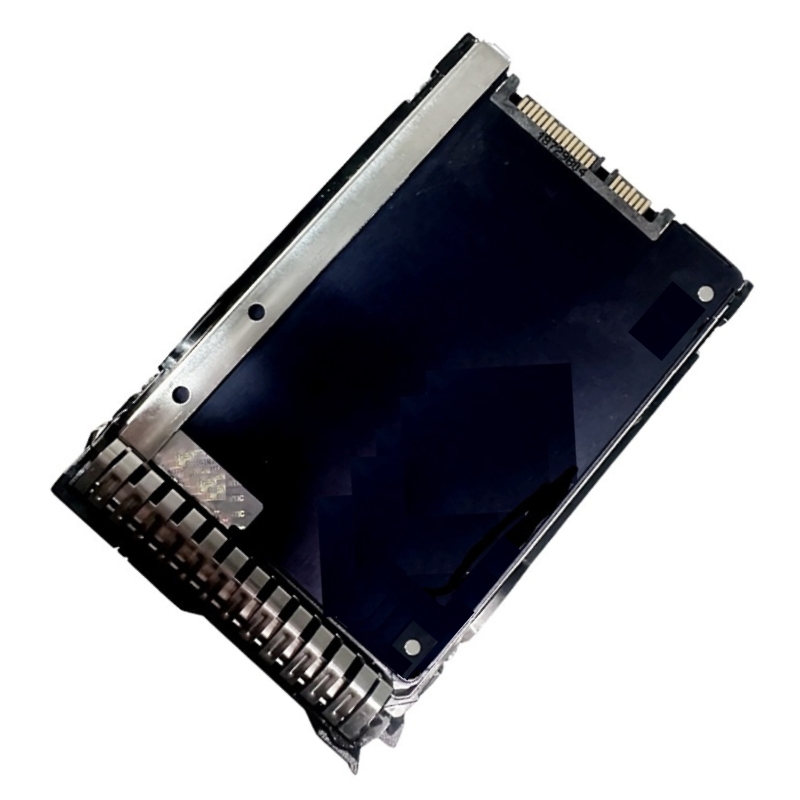
HPE 817085-001 1.92TB SSD SATA-6GBPS Read Intensive 3 SC Gen8. New Factory-Sealed Spare with 1 year replacement warranty
| SKU/MPN | Warranty | Price | Condition | You save |
|---|---|---|---|---|
| 817085-001 | 1 Year Warranty | $975.00 | New Factory-Sealed Spare | You save: $341.25 (26%) |
| 817085-001 | 1 Year Warranty | $450.00 | Excellent Refurbished | You save: $157.50 (26%) |
HPE 817085-001 1.92TB SSD SATA-6GBPS Read Intensive 3 SC Gen8 represents a focused category of enterprise-class solid state drives engineered for environments where read-dominant workloads must be delivered with consistent performance, reliability, and efficient capacity utilization. This category page explores the architectural intent, the practical applications, and the deployment considerations for drives labeled under this SKU and similar part numbers. The product designation itself offers immediate signals: 1.92TB capacity for substantial hot-storage needs, SATA 6Gbps interface for broad compatibility with legacy and modern platforms, a read intensive service class that prioritizes read throughput and endurance models tuned accordingly, and Gen8 compatibility suggesting firmware and physical design optimized for a particular generation of HPE servers and storage arrays. Collectively, these attributes make the category well suited for caching layers, content delivery nodes, database read replicas, analytics indexes, and virtual desktop infrastructure environments where read operations dominate and predictable latency matters.
The label HPE 817085-001 1.92TB SSD SATA-6GBPS Read Intensive 3 SC Gen8 is more than a marketing line; it encodes technical choices and usage expectations. The 1.92TB capacity signals high density in a single 2.5-inch or possible 3.5-inch form factor depending on the carrier used, enabling consolidation of frequently accessed data. SATA-6GBPS indicates the drive uses the Serial ATA revision that supports up to 6 gigabits per second on the physical link, making it natively compatible with a very wide range of HPE and third-party controllers. Read Intensive 3 denotes the service class: firmware and media management tuned to maximize read endurance and steady-state performance rather than extreme random write durability. SC Gen8 typically connects the drive to a specific server generation or validated storage array platform where tested interoperability and firmware alignment reduce integration risk. For buyers and systems architects, reading this string provides immediate guidance on where the drive fits in an overall storage strategy.
Within this category the design emphasis is on delivering consistent read throughput, low latency for random reads, and predictable behavior under sustained read workloads. While SATA is not the highest-bandwidth interface available today, SATA 6Gbps remains valuable for many enterprise workloads because it balances cost, wide controller compatibility, and reliable performance. Drives in this category typically implement firmware-level optimizations such as read caching, background garbage collection tuned to avoid interfering with foreground read latency, and thermal management to keep performance stable under sustained access. The read-intensive profile often means less aggressive write amplification mitigation strategies compared to mixed-use or write-optimized drives; this trade-off lowers cost per gigabyte and increases storage density for read-centric applications while still maintaining adequate write endurance for operating system updates, application patches, and moderate write traffic associated with indexing or logging.
Expect steady-state sequential read rates that comfortably utilize the SATA 6Gbps link in many scenarios, and random read latency tuned to provide responsive application behavior. The architecture favors minimizing jitter in response times and delivering consistent input/output operations per second for read-heavy patterns. In practical deployments this translates to faster query responses for read replicas, reduced time to serve static web assets, and improved responsiveness for end users accessing cached content. Systems integrating these drives will often see the most tangible benefits in read-dominant layers, where the SSD can supplant slower rotational media and drastically reduce access times across large working sets.
Gen8 validation implies that firmware, carrier, and electrical interfaces have been tested with HPE server families and supported storage controllers prevalent in the Gen8 generation. Using HPE-validated drives reduces the administrative burden of compatibility checks and simplifies procurement when building or refreshing Gen8 infrastructure. Integration benefits include automated health reporting via HPE management tools, firmware update paths that coordinate with server management stacks, and vendor support channels aware of the specific drive firmware and platform interactions. Administrators should ensure that system firmware and controller drivers are kept in recommended levels to maintain compatibility and take advantage of bug fixes or performance improvements released by the vendor.
Redundancy choices influence how quickly a failed drive can be rebuilt and how performance is affected during rebuild operations. Because SATA SSDs can deliver high throughput, rebuild processes can be swift compared to spinning media, but they still stress the system and potentially compete with foreground reads. Distributed approaches that parallelize rebuilds across nodes or employ background resiliency techniques can minimize performance hits. Architects should tune RAID stripe sizes, rebuild priority levels, and background scrub schedules to ensure that the drive's read profile is preserved while maintaining data protection. Incorporating predictive failure analytics and regular SMART monitoring helps schedule preemptive replacements and avoid urgent rebuilds during peak access windows.
Deploying drives from this category benefits from rigorous operational practices that include firmware management, SMART monitoring, and workload profiling. Firmware should be updated in controlled maintenance windows following vendor instructions to avoid mismatches and to capture performance and reliability improvements. Regular capture and analysis of SMART attributes and telemetry allow teams to detect wear patterns, power cycle counts, and reallocated sector trends. Workload profiling is essential: quantify the ratio of reads to writes, peak IOPS, and latency sensitivity for target applications. Aligning those metrics with the read-intensive design ensures that drives are used where they provide the most value. Implementing capacity thresholds and alerting for write volume will prevent inadvertent overuse that could shorten drive lifespan. When integrated with HPE management tools, administrators gain additional insights and simplified update paths that help keep drives healthy over their operational life.
Modern enterprise SSDs, including drives in this category, often include features that assist with data security and compliance requirements. These capabilities may include TCG Opal or similar self-encryption options, secure erase commands for rapid sanitization at decommission, and firmware-level protections to guard against data corruption. Enterprises handling regulated data should verify the available encryption modes, certificate handling, and any management workflows required to use encryption keys securely. Deprovisioning and secure disposal workflows must be documented to ensure compliance with data protection standards. The combination of hardware encryption and administrative policies helps reduce risk when drives are removed, repurposed, or retired.


 Contact Us
 Information
 Catalog
 Solid State Drives (SSD)
 Network Switches
 Hard Disk Drives
 HBA & Controllers
 PC & Servers
 PC & Server Memory
 CPU & Processors
 Network Routers
 Power Supplies
 Tape Drives & Libraries
 Network Devices
 Computer & Network Cables