(7% discount is applied at checkout)
Cart is empty
Your go-to destination for cutting-edge server products
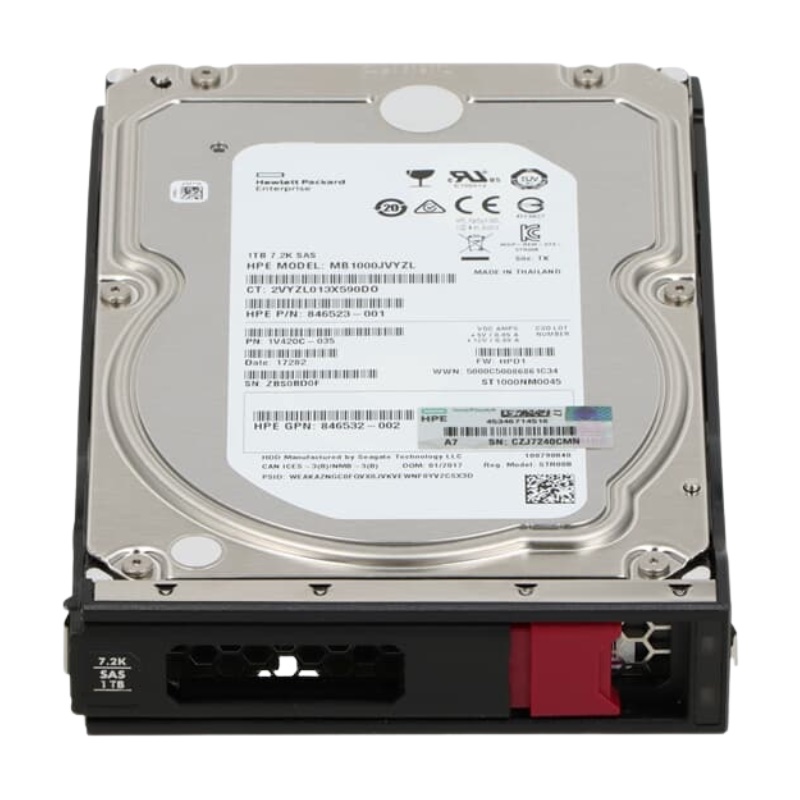


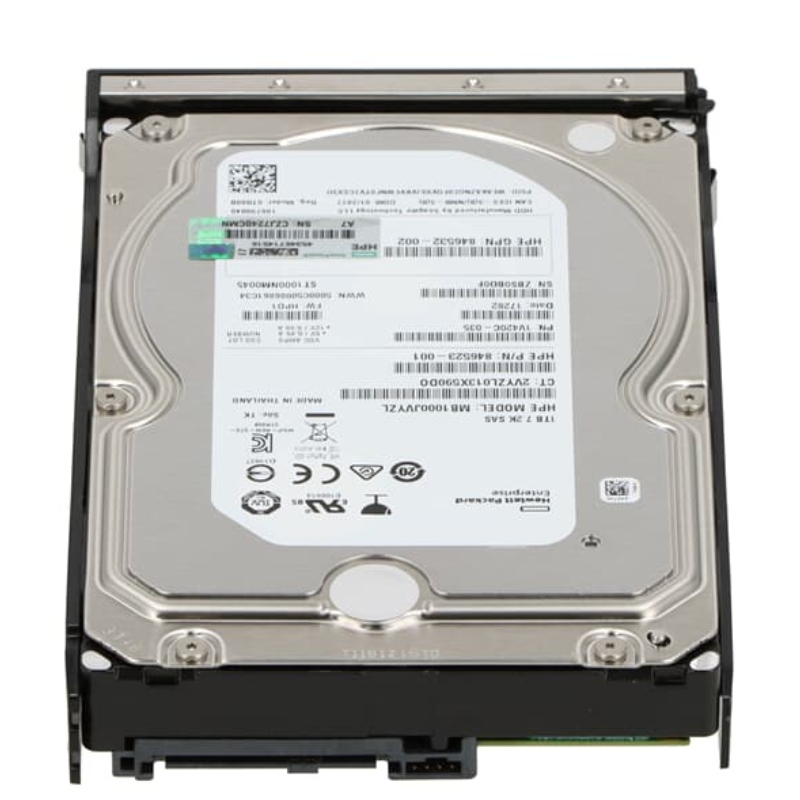
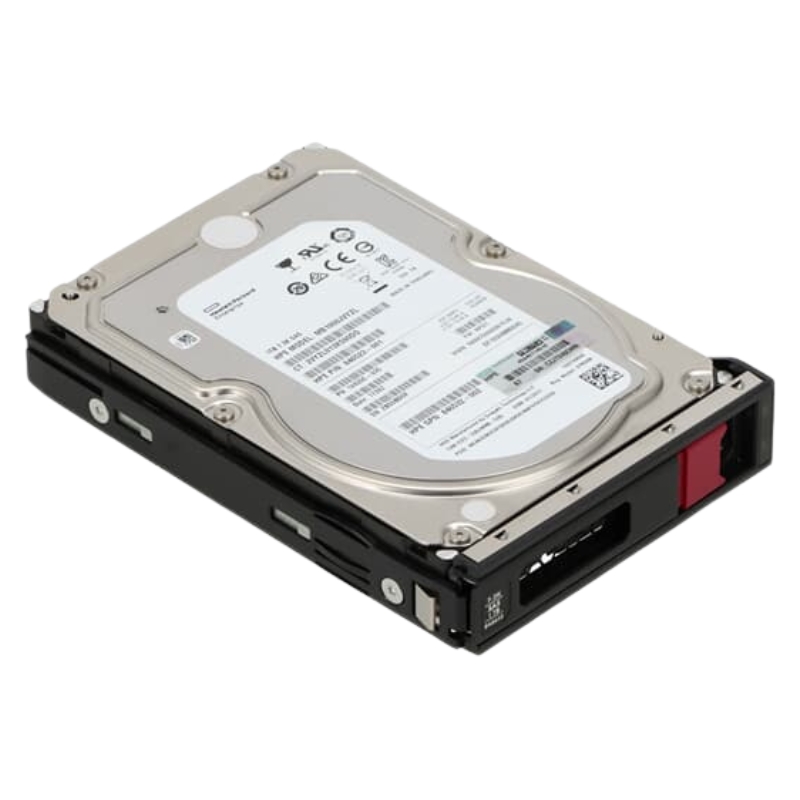
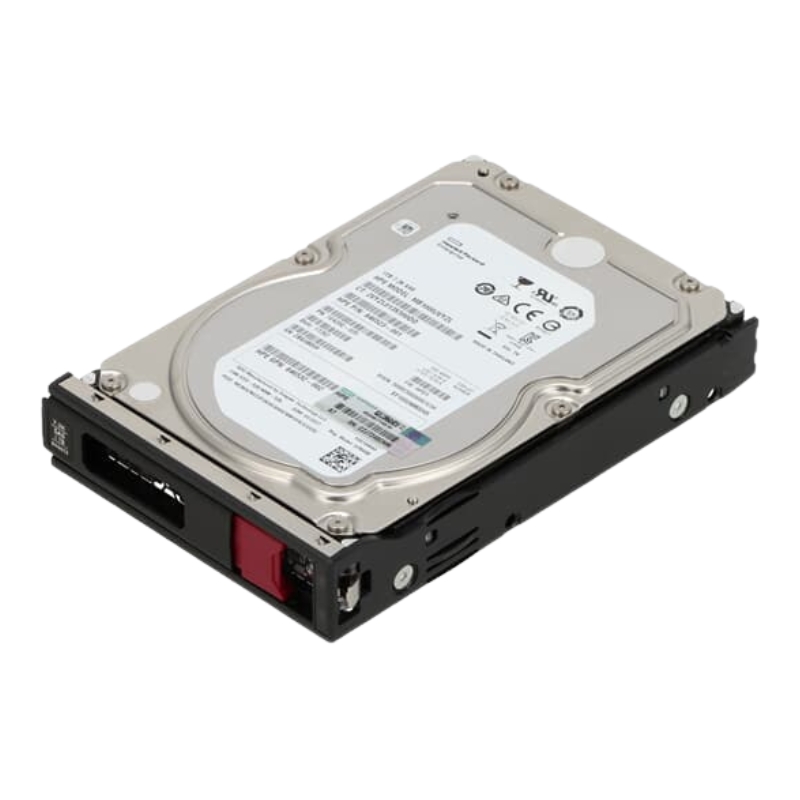
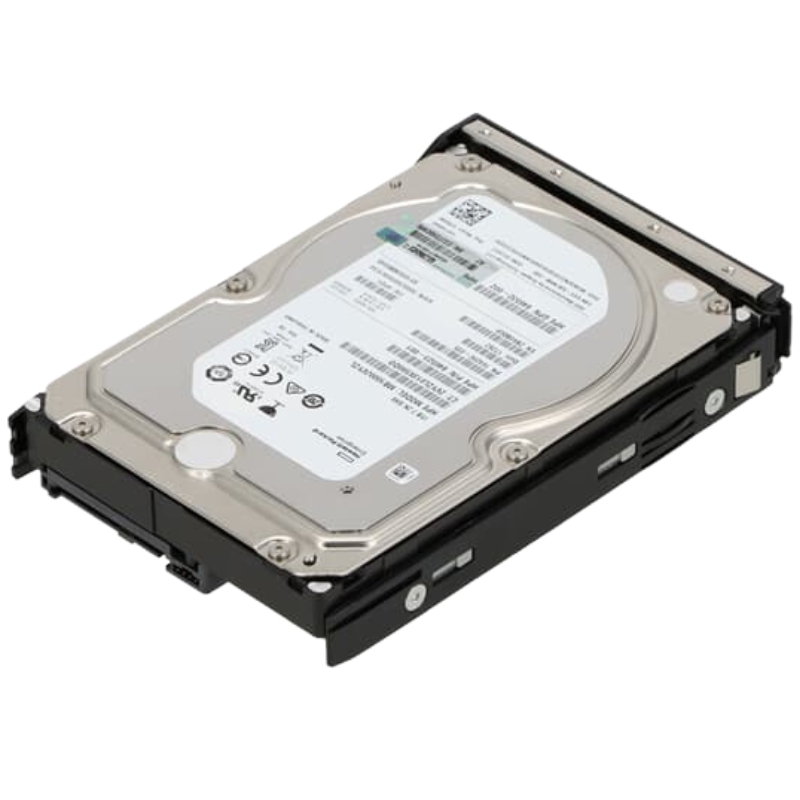
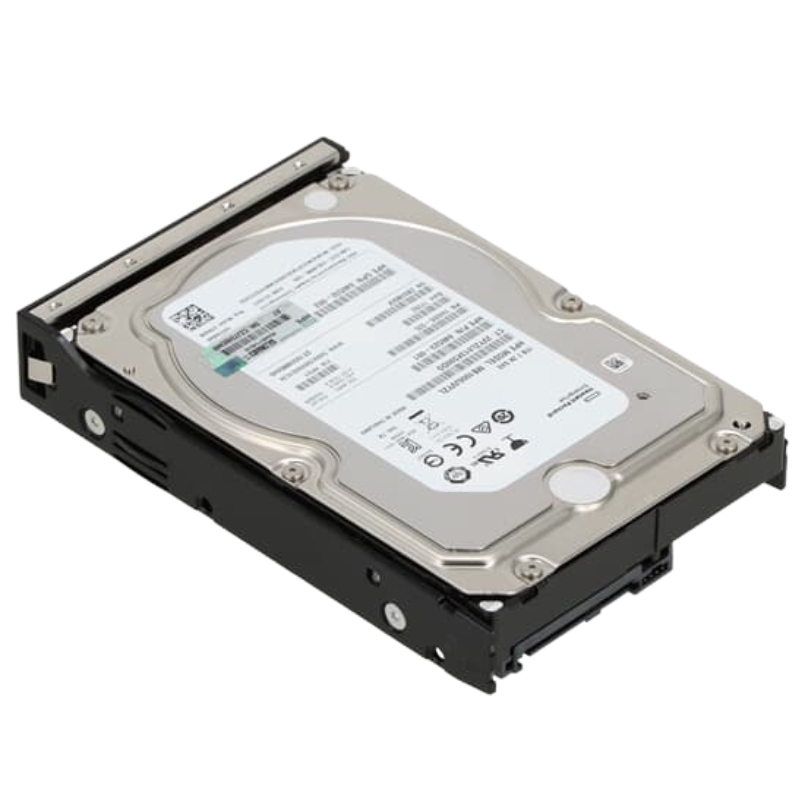
1TB 7.2K RPM SAS 12GBPS LFF Hard Drive HPE 846526-K21. Excellent Refurbished with 1 year replacement warranty
The HPE 846526-K21 is a high-reliability enterprise-grade storage solution designed for scalable server environments. This 1TB Midline Hard Disk Drive delivers consistent performance, strong data integrity, and long-term durability for data center workloads.
The HPE 846526-K21 1TB 7200RPM 3.5inch Large Form Factor SAS 12Gbps Midline Hard Drive category represents a specialized class of enterprise storage designed for dependable performance, long lifecycle stability, and optimized compatibility with Hewlett Packard Enterprise ProLiant server platforms. Built for data-intensive workloads that require consistent throughput rather than extreme low-latency flash performance, this storage category is engineered to balance cost efficiency, capacity scalability, and enterprise-grade reliability within data center infrastructures.
This category of hard drives is specifically optimized for deployment within HPE ProLiant Gen9 and Gen10 servers, ensuring full hardware, firmware, and backplane compatibility. The integration with these enterprise server generations ensures that administrators benefit from seamless recognition, simplified provisioning, and firmware alignment with system management tools such as HPE Smart Array controllers and HPE Integrated Lights-Out management ecosystems. The design focus is to eliminate compatibility uncertainties and enhance operational stability in mixed workload environments.
A defining characteristic of this storage category is the inclusion of digitally signed firmware. This security measure ensures that only authenticated and verified firmware can operate on the drive, protecting against unauthorized modifications, malware injection, or corrupted firmware updates. In enterprise environments where data integrity and system reliability are critical, digitally signed firmware strengthens compliance with internal IT security policies and external regulatory requirements.
The 1TB storage capacity in this category is positioned as a midline enterprise solution, delivering a balance between cost per gigabyte and operational efficiency. It is suitable for workloads that require stable storage for archival data, application hosting, virtual machine repositories, and enterprise file services. Rather than focusing on extreme performance tiers, this capacity segment emphasizes predictable endurance and sustained workload handling in continuous operation environments.
Operating at 7200 revolutions per minute, this hard drive category ensures steady sequential read and write performance suitable for large dataset transfers and routine enterprise workloads. The rotational speed is optimized to reduce mechanical stress while maintaining acceptable throughput for mid-tier enterprise applications, including backup operations, data replication tasks, and non-latency-sensitive database workloads.
The 3.5 inch large form factor design enables higher storage density per drive bay in compatible ProLiant server chassis. This physical configuration supports enterprise scalability by allowing administrators to maximize storage capacity within limited rack space. The structural design also enhances thermal dissipation efficiency, ensuring sustained performance during prolonged high-load operation.
This category incorporates a low profile carrier design that supports hot-plug functionality, allowing system administrators to replace or upgrade drives without powering down the server. This capability is essential in mission-critical environments where downtime must be minimized. The carrier system ensures secure physical mounting, stable electrical connection, and simplified maintenance workflows.
The Serial Attached SCSI 12Gbps interface provides a robust and scalable data transfer mechanism designed for enterprise environments. Unlike consumer-grade interfaces, SAS architecture supports dual-port connectivity, enabling redundancy and improved fault tolerance. This ensures continuous data access even in the event of partial path failure within storage networks.
With a 12 gigabits per second interface bandwidth, this category of drives delivers consistent data throughput suitable for enterprise applications requiring stable performance under concurrent workloads. The interface is engineered to reduce bottlenecks in multi-drive arrays, making it ideal for RAID configurations and distributed storage environments.
The SAS 12Gbps ecosystem ensures full compatibility with HPE Smart Array controllers, enabling seamless integration into RAID configurations such as RAID 0, RAID 1, RAID 5, RAID 6, and RAID 10. This compatibility allows enterprises to design storage architectures that prioritize redundancy, performance optimization, and fault tolerance depending on workload requirements.
Midline hard drives occupy a strategic position in enterprise storage hierarchy, sitting between entry-level archival storage and high-performance enterprise drives. This category is optimized for organizations that require dependable storage capacity without the higher cost associated with performance-focused SAS or SSD solutions. It is widely deployed in backup systems, cold data storage, and general-purpose enterprise applications.
The adaptability of this category allows it to serve multiple workload types, including file serving, content storage, virtualization support, and log management systems. Its design ensures that performance remains consistent even under moderate to heavy workloads, making it a versatile choice for data center administrators managing mixed application environments.
Enterprise midline drives are engineered for predictable lifecycle performance, enabling IT administrators to plan replacements and upgrades with greater accuracy. This predictability is essential in large-scale infrastructures where storage continuity is critical for business operations and service-level agreements.
Each drive in this category undergoes rigorous qualification testing to meet HPE enterprise standards. These tests evaluate performance consistency, thermal tolerance, vibration resistance, and long-term durability under continuous operation. This ensures that the drives perform reliably in demanding data center environments where uptime is a critical metric.
Advanced error recovery algorithms are implemented to minimize data loss and maintain system stability during unexpected read or write failures. These mechanisms work in conjunction with RAID controllers to ensure data integrity and reduce the risk of corruption in enterprise storage arrays.
Thermal stability is a key design factor in this category, ensuring that drives maintain optimal operating temperatures even in densely packed server environments. The engineering design supports consistent airflow patterns and heat dissipation, reducing the likelihood of thermal throttling or hardware degradation over time.
The performance profile of this category is optimized for sequential data operations, making it suitable for backup processing, media storage, and large-scale database exports. The combination of 7200RPM spindle speed and SAS 12Gbps interface ensures smooth data flow under sustained workloads.
While not designed for ultra-low latency applications, this category provides balanced random access performance suitable for general enterprise operations. It supports multitasking environments where multiple users or applications access stored data simultaneously.
When deployed in multi-drive configurations, these hard drives scale efficiently to support petabyte-level storage infrastructures. Their consistent performance profile ensures uniform behavior across arrays, simplifying system optimization and performance tuning.
The inclusion of digitally signed firmware ensures that each drive operates with validated code authorized by HPE. This security layer prevents unauthorized firmware modifications that could compromise system integrity or introduce vulnerabilities into enterprise environments.
Enterprise environments benefit from strict configuration control mechanisms that prevent unauthorized or accidental changes to drive firmware or operational parameters. This ensures consistency across storage deployments and reduces administrative risk.
The security architecture of this category aligns with enterprise compliance frameworks that require secure boot processes, firmware validation, and hardware-level authentication. This makes the drive suitable for regulated industries such as finance, healthcare, and government IT infrastructures.
This category is widely deployed in virtualization environments where multiple virtual machines rely on shared storage pools. Its capacity and stability make it suitable for hosting virtual machine images, system snapshots, and shared application data in private cloud infrastructures.
Enterprise backup solutions benefit from the predictable performance and large capacity of this drive category. It is commonly used in scheduled backup routines, incremental data replication systems, and disaster recovery storage nodes where data reliability is essential.
File servers and object storage platforms utilize this category to provide centralized data access for enterprise users. Its balance of performance and capacity ensures efficient handling of unstructured data, including documents, logs, multimedia files, and application datasets.
Energy efficiency is an important consideration in enterprise storage design. This category is engineered to provide optimized power consumption relative to capacity, helping reduce operational costs in large-scale deployments.
Organizations integrate this category into long-term storage strategies that prioritize predictable performance, cost efficiency, and scalable architecture. It serves as a foundational component in hybrid storage environments that combine SSD performance tiers with high-capacity SAS midline drives.


 Contact Us
 Information
 Catalog
 Solid State Drives (SSD)
 Network Switches
 Hard Disk Drives
 HBA & Controllers
 PC & Servers
 PC & Server Memory
 CPU & Processors
 Network Routers
 Power Supplies
 Tape Drives & Libraries
 Network Devices
 Computer & Network Cables