(7% discount is applied at checkout)
Cart is empty
Your go-to destination for cutting-edge server products
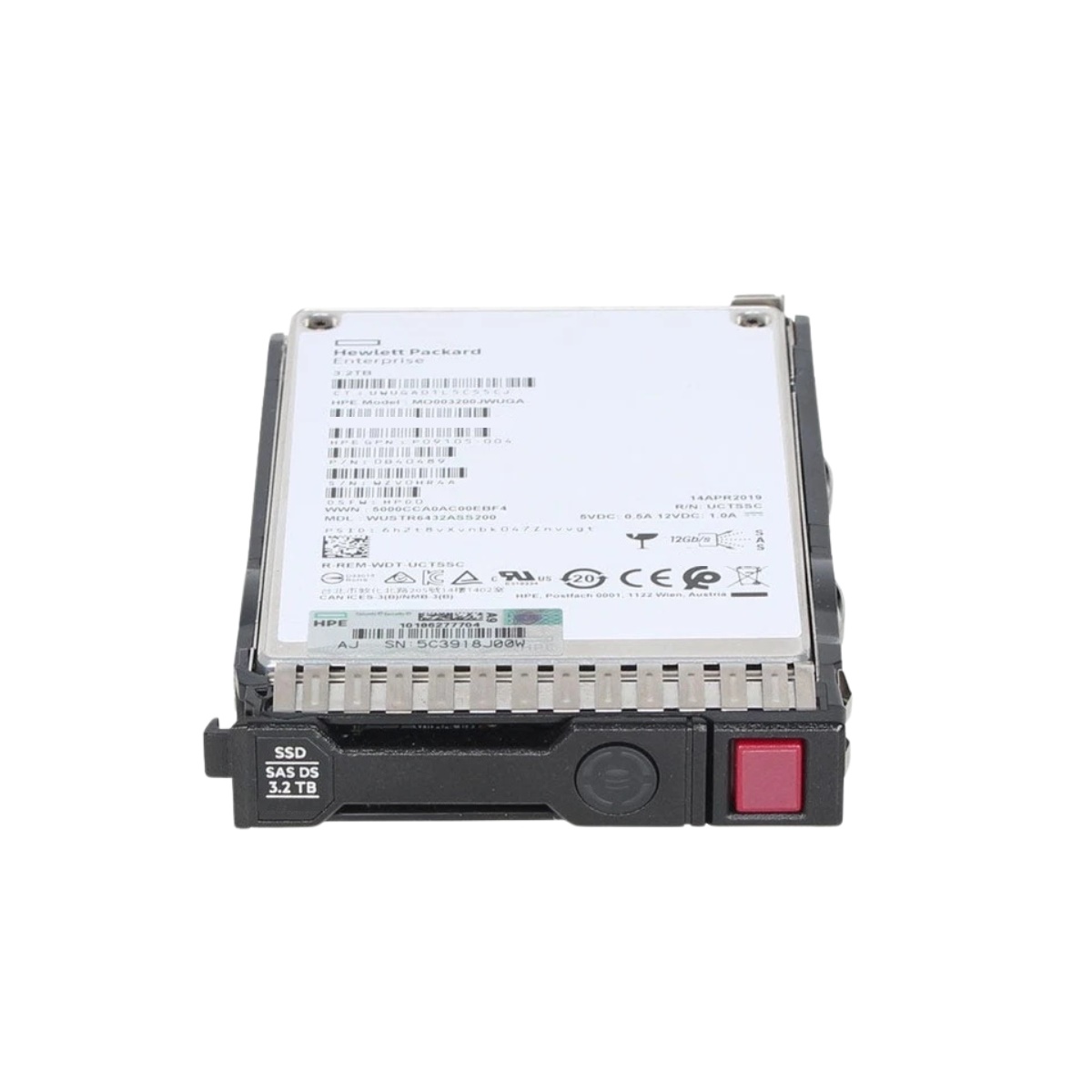


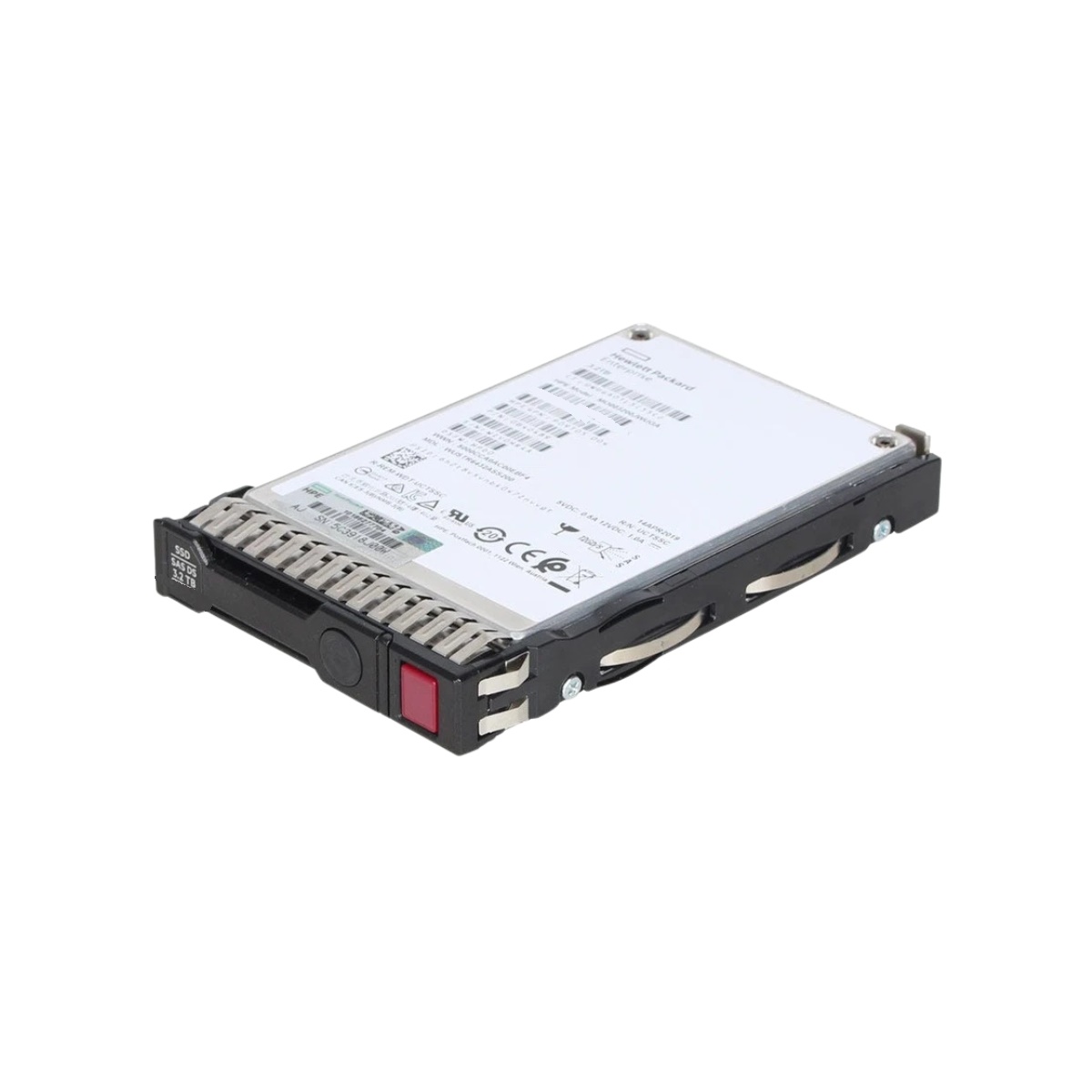
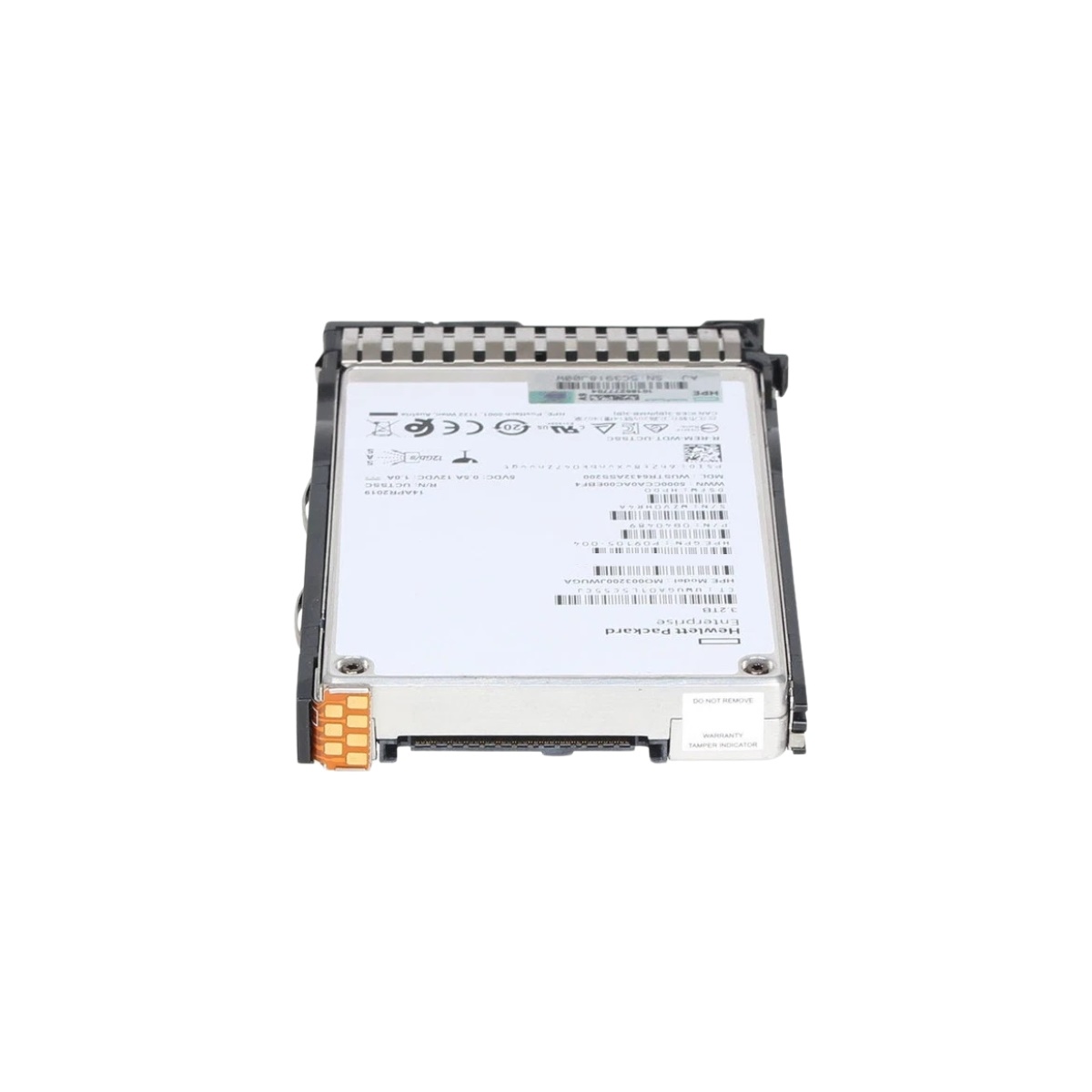
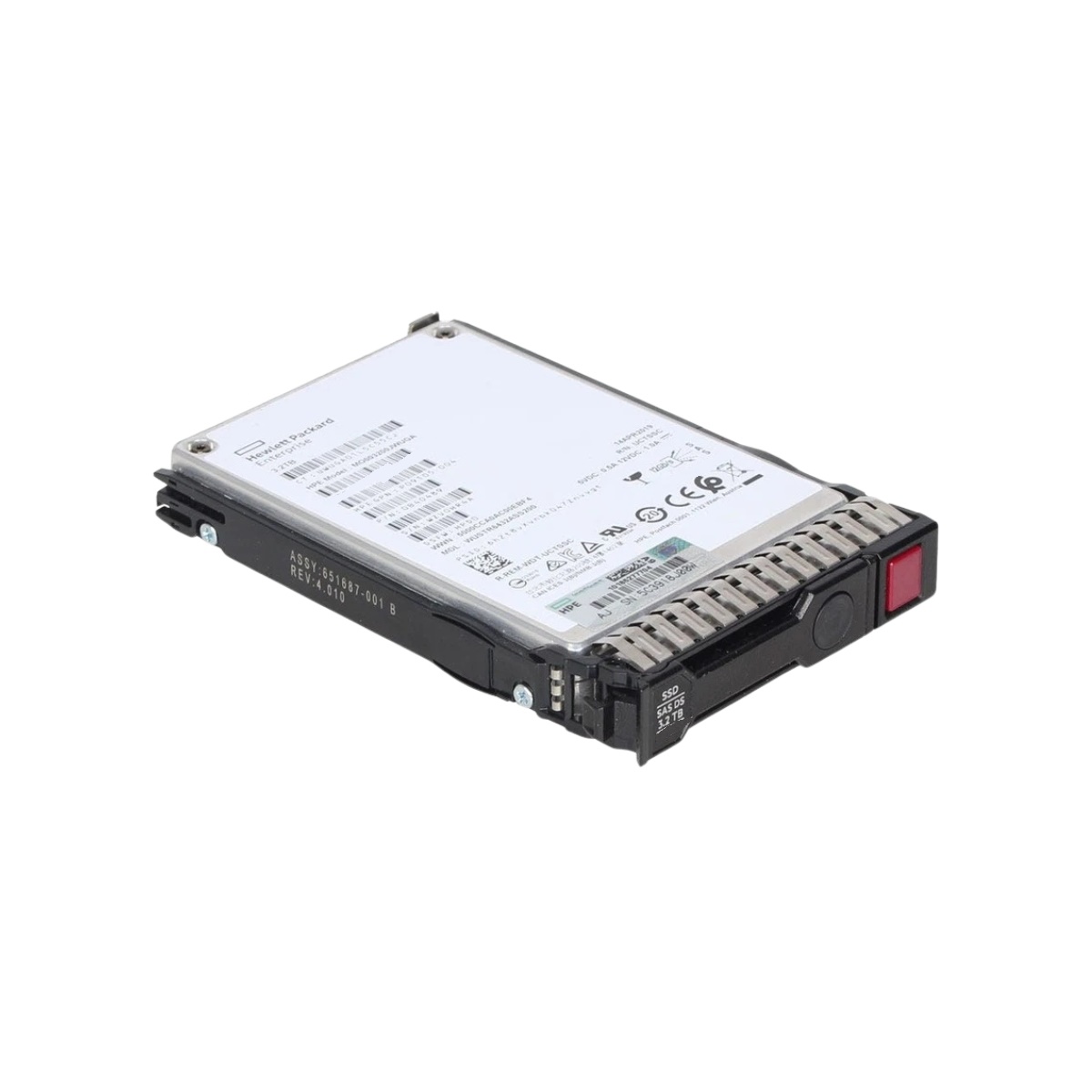
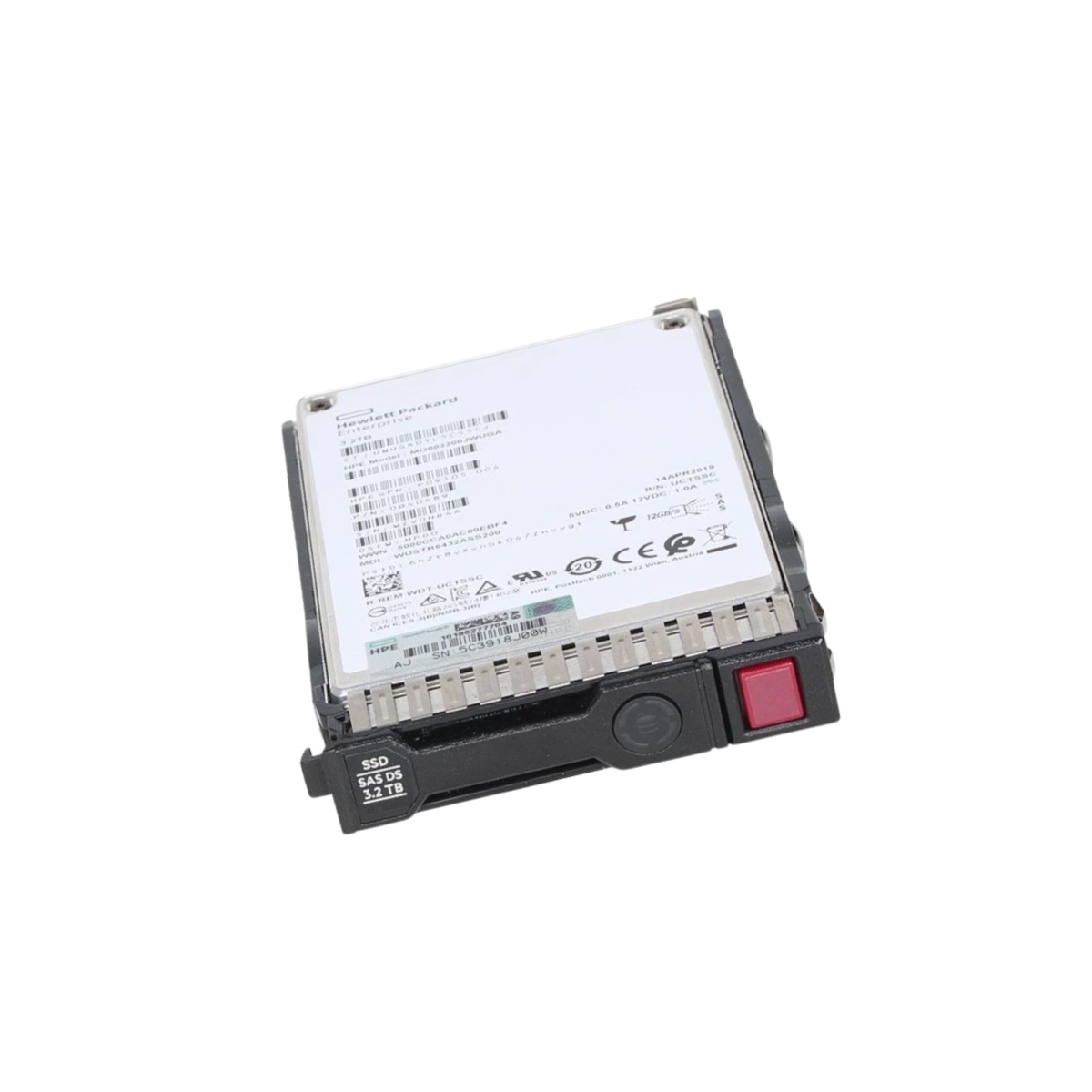
HPE 873367-B21 3.2TB SAS 12GBPS Mixed Use SFF Smart Carrier SSD. Factory-Sealed New in Original Box (FSB) with 3 years Warranty
| SKU/MPN | Warranty | Price | Condition | You save |
|---|---|---|---|---|
| 873367-B21 | 1 Year Warranty | $998.00 | Excellent Refurbished | You save: $349.30 (26%) |
| 873367-B21 | 1 Year Warranty | $2,573.00 | Factory-Sealed New in Original Box (FSB) | You save: $900.55 (26%) |
The HPE 873367-B21 3.2TB SAS-12GBPS Mixed-Use SFF SC Digitally Signed Firmware Solid State Drive for Proliant Servers represents a focused category of enterprise-class storage designed for modern data center workloads that demand consistent performance, robust security and predictable endurance. This category centers on drives engineered to operate within HPE ProLiant server ecosystems and storage enclosures, delivering 3.2 terabytes of usable solid state capacity in a small form factor package. Built for mixed-use workloads that combine frequent reads and substantive writes, these drives strike a practical balance between sustained throughput and write endurance, making them suitable for virtualization hosts, database tiers, caching layers and mixed transactional environments. The inclusion of digitally signed firmware underscores an emphasis on supply-chain integrity and operational safety, ensuring that firmware updates are authenticated and that the drive's internal codebase aligns with HPE's security and validation processes.
The small form factor (SFF) construction allows data centers to pack abundant capacity into blades and 1U/2U server chassis without sacrificing serviceability. Adapted to the physical and mechanical constraints of HPE ProLiant drive bays, the SFF profile reduces rack space consumption while offering front-accessible hot-swap capability for maintenance windows. For organizations pursuing density and operational simplicity, SFF mixed-use SSDs enable a high-capacity footprint across server racks, supporting larger virtual machine consolidation ratios or denser storage tiers in converged infrastructures. The engineering behind the SFF design in this category focuses on thermal management inside populated chassis, consistent connector alignment for SAS backplanes, and ruggedization to tolerate the vibration patterns typical of enterprise server environments.
This category leverages the SAS-12Gbps host interface to provide a reliable, backwards-compatible connection for enterprise controllers and HBAs. The SAS protocol is widely adopted in professional storage arrays and server environments because it balances performance with advanced enterprise features such as multipath support, dual-port resiliency and rigorous error detection. Drives in this category are intended to integrate with HPE storage controllers and firmware stacks, delivering a predictable operational across RAID configurations and software-defined storage layers. The SAS-12Gbps interface enables higher sequential throughput and improved queue depth handling compared to earlier 6Gbps generations, which becomes increasingly valuable as workloads scale in concurrency and mixed read/write intensity.
Mixed-use class drives are engineered to excel in environments that combine transactional databases, virtual desktops, containerized services and general-purpose file systems. Unlike purely read-optimized media or extreme endurance write-focused devices, mixed-use SSDs deliver a measured compromise: higher write endurance than read-centric drives while offering lower latencies and greater IOPS potential than spinning media. In practical deployment, that means application tiers that perform continuous small-block writes alongside steady read streams—such as web application backends, caching nodes, and virtual machine hosts—benefit from consistent response times and manageable maintenance cycles. This category is thus attractive to IT teams seeking to consolidate multiple workload types onto a single tier of storage without incurring the higher cost of ultra-high-end endurance drives.
Digitally signed firmware is a defining differentiator within this category and directly addresses modern security requirements for firmware authenticity and integrity. When firmware is cryptographically signed, it provides assurance that only validated and vendor-approved code is executed on the drive, reducing the attack surface for malicious firmware tampering and preventing accidental installation of incompatible updates. For organizations subject to regulatory oversight, procurement standards or rigorous change control, digitally signed firmware simplifies compliance documentation and audit trails. Operationally, signed firmware discourages the use of nonvalidated third-party firmware, streamlines vendor-driven updates and integrates with HPE’s lifecycle tooling so administrators can deploy validated firmware packages with confidence.
Performance in this category is defined less by a single peak number and more by predictable behavior under mixed workloads. Drives are characterized by low and consistent latencies, the ability to sustain moderate to high IOPS for multi-threaded applications, and robust sequential throughput for larger block transfers. In everyday operations, enterprise administrators will observe snappy database commits, reduced VM boot times, and quicker response for random read/write operations compared to traditional hard disk tiers. Because these drives are designed for mixed read/write mixes, they maintain healthy drive health profiles for longer durations than read-optimized SSDs when used for transactional systems. The category also emphasizes consistent quality of service across concurrent users and threads—an essential attribute for service providers and enterprises running multi-tenant or multi-application platforms.
One of the primary advantages of devices in this category is the deep compatibility with HPE ProLiant server families and HPE management ecosystems. Drives are typically validated for operation with HPE Smart Array controllers and common ProLiant backplanes, enabling plug-and-play replacement and firmware coherence across a fleet. The drives’ telemetry and signed firmware features further facilitate use with HPE systems management tools, enabling administrators to query drive health, schedule compliant firmware updates, and generate inventory reports from a single pane of glass. For teams running HPE OneView or HPE Integrated Lights-Out (iLO) alongside server provisioning workflows, the category provides hardware that adheres to HPE's interoperability matrices and simplifies support interactions when service tickets are raised.
Common deployment patterns for this category include primary storage for virtualization clusters where many virtual machines demand balanced read/write performance, mid-tier database servers requiring sustained transactional throughput, and caching tiers that accelerate colder HDD arrays by serving hot data from an SSD front line. The drive’s capacity and mixed-use profile also make it well-suited to converge multiple workloads into fewer physical servers—reducing capital expenditures and streamlining management. Another pattern sees these drives used in hyperconverged infrastructures as the performance tier behind software-defined storage controllers, where they provide low-latency responsiveness for distributed storage layers while preserving endurance for consistent write patterns.
Selecting a mixed-use SAS SSD like those in this category is a measured decision influenced by application profile, budget and management preferences. These drives are often preferable when systems require a blend of write resilience and read performance without the premium expenditure of highest-end endurance flash devices. They are ideal for environments where SAS compatibility is mandated by existing controller ecosystems, where management tools rely on SAS telemetry and where ProLiant-validated firmware is a requirement. Conversely, if workloads are almost entirely read-heavy or the deployment demands extremely high write cycles, organizations may choose read-optimized or ultra-endurance devices respectively; however, mixed-use SAS SSDs remain a highly flexible and broadly applicable option for most enterprise mid-tier workloads.
To extract the fullest value, administrators should integrate these drives into an overall storage strategy that leverages HPE management tools and follows vendor validation matrices. Keep firmware synchronized across fleets using only vendor-signed packages. Align RAID levels and cache policies with application I/O patterns to avoid unnecessary write amplification. Use telemetry dashboards to detect trend deviations in performance or endurance. Finally, document replacement and decommission processes to handle removed drives securely, ensuring data sanitization or secure disposal conforms with corporate governance and regulatory requirements.


 Contact Us
 Information
 Catalog
 Solid State Drives (SSD)
 Network Switches
 Hard Disk Drives
 HBA & Controllers
 PC & Servers
 PC & Server Memory
 CPU & Processors
 Network Routers
 Power Supplies
 Tape Drives & Libraries
 Network Devices
 Computer & Network Cables