(7% discount is applied at checkout)
Cart is empty
Your go-to destination for cutting-edge server products
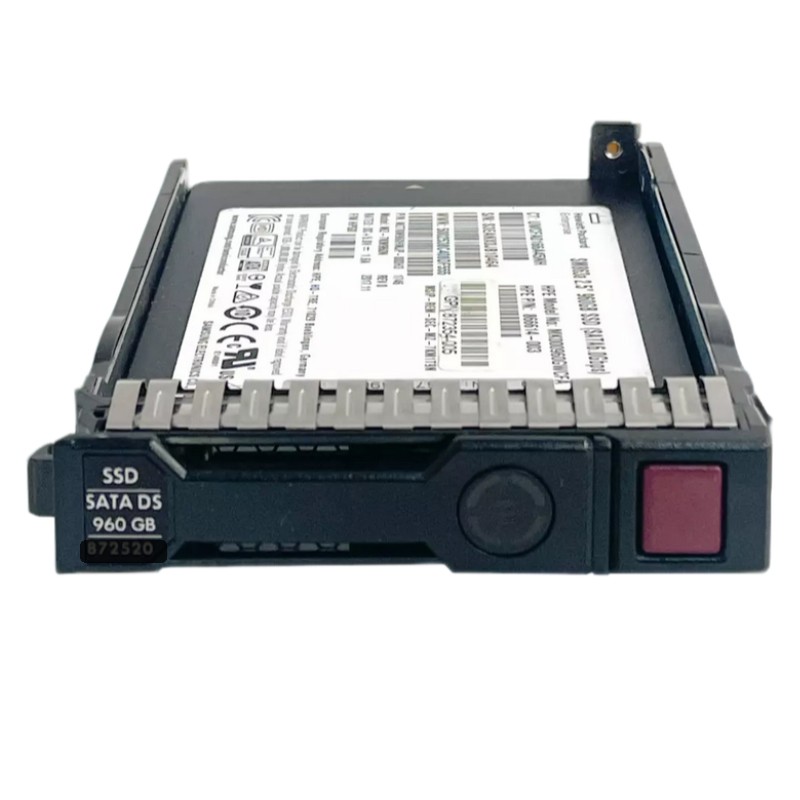


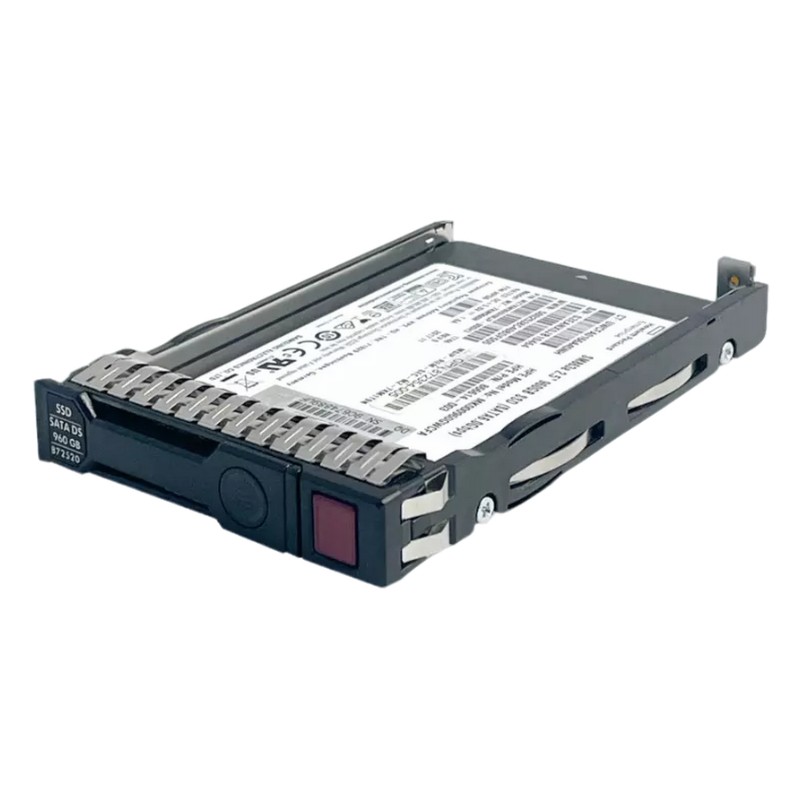
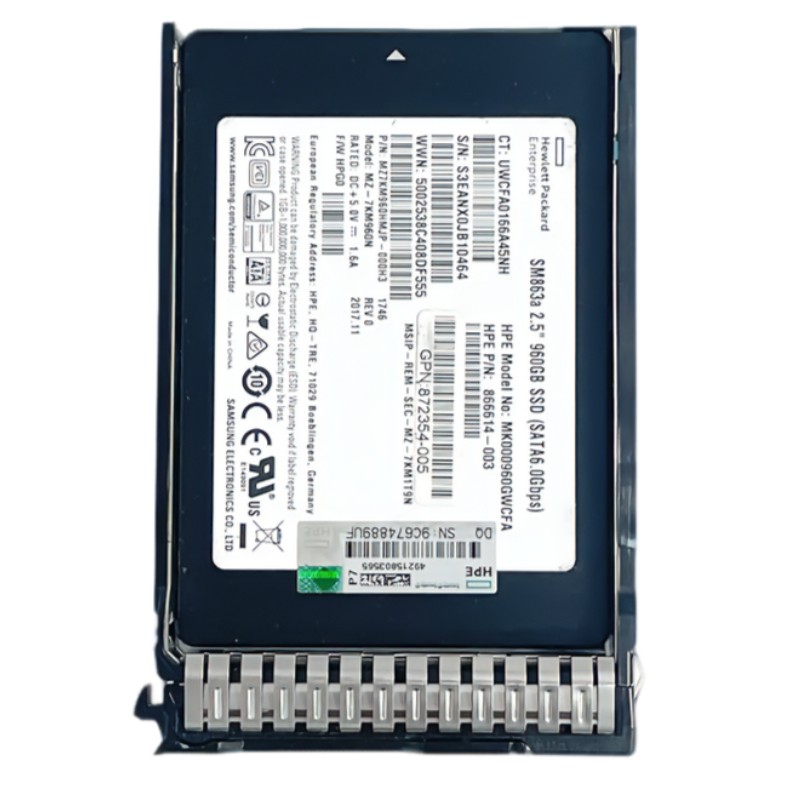
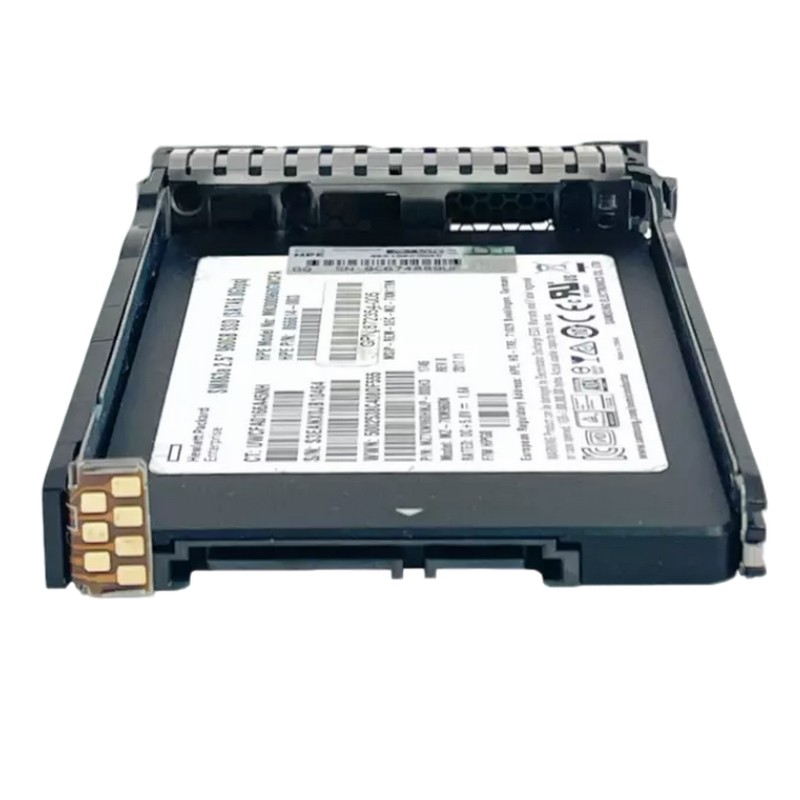
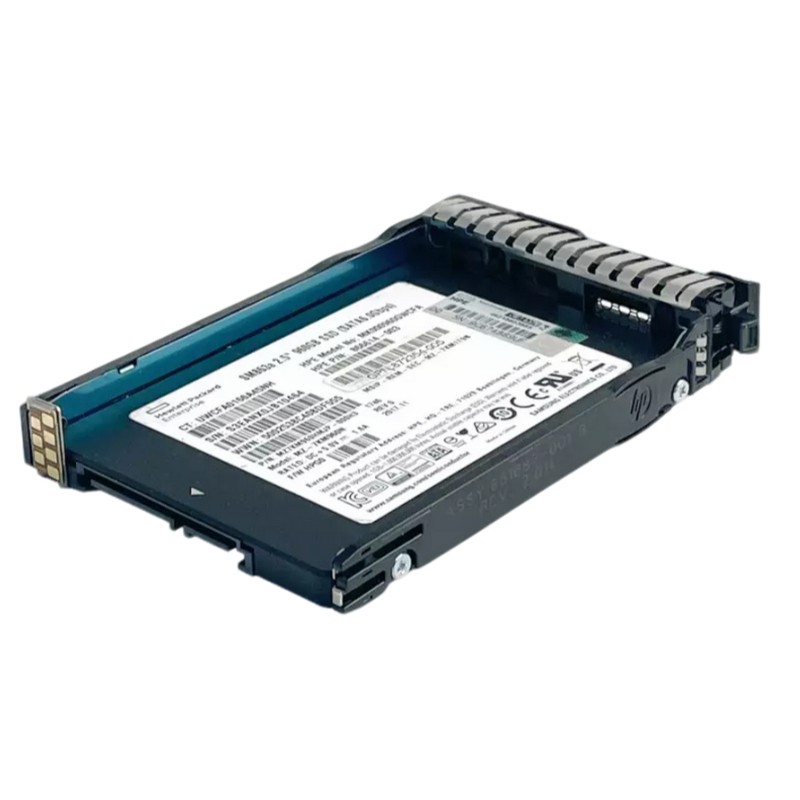
HPE 875500-B21 960GB SATA 6GBPS TLC Read Intensive SSD. New (System) Pull with 1 year replacement warranty
The HPE 875500-B21 960GB DS SATA-6GBPS Read Intensive M.2 2280 Server SSD anchors a category of compact, high-capacity storage designed for modern server environments that prioritize read-heavy performance, space efficiency, and predictable behavior under sustained workloads. This category centers on M.2 2280 form-factor solid state drives that use the well-established SATA 6Gbps interface, offering a familiar integration path for a broad range of motherboards and server platforms. The HPE 875500-B21 SKU specifically represents a class of enterprise-targeted, read-optimized flash that balances density, thermal management, and cost-efficiency for data center tasks such as content delivery, large-scale caching, operating system and hypervisor boot drives, and read-dominant database operations. Across this category, emphasis is placed on delivering consistent read throughput, low and stable latency, and efficient footprint utilization while preserving data integrity and easing deployment into rackmount and blade ecosystems.
The M.2 2280 physical standard is a primary reason many data centers and enterprise customers choose drives like the HPE 875500-B21. The “2280” sizing denotes a 22 mm width and 80 mm length, which strikes a pragmatic compromise between capacity potential and the small footprint required for dense server configurations. M.2 2280 SSDs fit into compact slots on server motherboards, mezzanine cards, and specialized M.2 adapter boards, enabling administrators to increase storage capacity without sacrificing drive bay density. For chassis designs where 2.5-inch drive bays are scarce or where hot-swap enclosures are not necessary, the M.2 2280 becomes the logical form factor for adding persistent storage to support OS images, hypervisor installations, caching layers, and read-focused datasets. Its low profile also reduces airflow blocking and thermal hotspots when compared to larger drive types, which helps server cooling strategies remain effective even in high-density deployments.
SATA 6Gbps remains a widely supported interface across server and storage platforms, and the HPE 875500-B21’s SATA connection delivers predictable compatibility with legacy and modern controllers alike. While NVMe and PCIe-based drives provide raw performance advantages, SATA-based M.2 2280 SSDs hold distinct value where platform compatibility, existing infrastructure, and firmware ecosystems favor SATA. The SATA 6Gbps interface supports robust command sets and error-handling features, enabling reliable integration with RAID controllers, software-defined storage stacks, and operating systems that expect the SATA device. For mixed fleets that include both SATA and NVMe devices, the HPE 875500-B21 category lets administrators standardize on a familiar interface for read-centric roles, simplifying procurement, testing, and lifecycle management while still benefiting from the low-latency characteristics of flash storage compared to spinning media.
Drives in this category, and the HPE 875500-B21 specifically, are engineered and positioned for read-intensive workload profiles. Read-intensive SSDs are tuned to deliver high sustained read throughput and consistent read IOPS while offering a reasonable write endurance profile appropriate for workloads where writes occur at a fraction of read activity. Typical use cases include web and content serving, index and search engines, analytics query acceleration, virtual desktop image distribution where many clients read the same base image, and multi-tenant caching layers. The characteristic workload of these environments is sustained reads, often in random or sequential patterns depending on application behavior, and this category of SSDs provides the steady-state performance and latency stability needed for predictable service-level objectives. By focusing on read efficiency rather than extreme write endurance, these drives strike a favorable cost-to-performance balance for large-scale deployments.
When evaluating the performance of a 960GB DS SATA 6Gbps M.2 2280 server SSD such as the HPE 875500-B21, it is important to consider the interplay between sequential throughput, random IOPS, latency under load, and performance consistency over time. In practice, read-optimized SSDs deliver strong sequential read bandwidth that accelerates large-file transfers and streaming reads, while random read IOPS capability translates to faster response times for database lookups, metadata operations, and small-block reads. Sustained performance across long runs is a crucial attribute for server use—these drives are designed to avoid significant performance degradation during extended read-heavy workloads. Thermal throttling characteristics and firmware-driven background tasks impact real-world throughput; the category emphasizes firmware maturity that balances garbage collection, wear leveling, and read performance to keep latency profiles tight and predictable for enterprise applications.
A 960GB capacity point, exemplified by the HPE 875500-B21, occupies a strategic position in the market: it is large enough to hold substantial datasets, multiple virtual machine images, or large application footprints, yet still small enough to fit into compact server designs without overspending on capacity that will remain underutilized. In dense server farms, selecting a 960GB M.2 SSD over multiple smaller drives can reduce component count, cable clutter, and points of failure. Administrators who prioritize density can deploy several M.2 SSDs across blade nodes or use a combination of onboard M.2 storage and external arrays to achieve a balanced architecture. The category supports flexible capacity scaling: multiple M.2 devices per host can be aggregated at the OS or hypervisor level to provide larger pools or mirrored configurations for redundancy, allowing infrastructure teams to tailor storage topologies to performance and availability targets.
Although SATA M.2 SSDs are compact, drives in this category are developed with enterprise-grade reliability considerations in mind. This includes wear-leveling algorithms to distribute program/erase cycles evenly across flash media, error-correcting code (ECC) to detect and correct bit errors, and firmware routines to manage background housekeeping without adversely impacting foreground read performance. Many enterprise SSDs also implement features that help protect data integrity during unexpected power loss or system events, and while the specific protections vary by vendor, the category emphasizes design choices that reduce the risk of corruption and support predictable recovery. Administrators should review vendor documentation for exact details on power-loss protections, monitored SMART attributes, and recommended end-of-life replacement practices, but generally the HPE 875500-B21 class of drives provides the robustness needed for continuous server operation in professional environments.
One of the core benefits of SATA-based M.2 SSDs in the enterprise category is broad compatibility with existing server platforms. The HPE 875500-B21 960GB DS SATA-6GBPS Read Intensive M.2 2280 Server SSD is designed to integrate smoothly with a wide variety of motherboards and server systems that provide M.2 slots wired for SATA, as well as through adapter modules that convert M.2 to standard SATA or mini-SAS interfaces. Systems that require BIOS or firmware-level support should be validated before large-scale rollouts, and administrators typically confirm firmware versions, controller compatibility, and any vendor-specific interoperability matrices. For HPE-owned infrastructures, drives bearing the HPE part number often benefit from firmware that aligns with HPE server firmware and management tools, simplifying trajectory management and monitoring when used alongside HPE iLO or system management suites. When integrating into third-party systems, compatibility checks remain prudent to ensure full functionality and predictable performance.
The category of read-optimized M.2 2280 SATA SSDs is especially well-suited to tasks where reads dominate and the compact form factor adds deployment flexibility. Content delivery networks and caching servers leverage the fast read response times to accelerate the serving of static assets, images, and media files. Virtualization hosts can use these drives to host frequently accessed VM images or container layers, reducing boot times and improving VM density per host. Indexing and search systems benefit from quick random reads for query acceleration, and analytics nodes can pull large datasets rapidly from local flash to reduce latency between processing cycles. In web-scale architectures, a hybrid approach often combines these M.2 devices with larger HDD arrays for archival capacity, using the SSDs as hot caches for read-heavy working sets. The category helps organizations design cost-effective tiers that match storage performance to application demand without overspecifying endurance or paying for features they do not need.
Architecting systems around M.2 2280 SATA SSDs requires thoughtful placement and redundancy planning. In hyperconverged or blade server environments, using onboard M.2 slots for OS and hypervisor boots while placing data volumes on separate SSDs or arrays reduces contention and simplifies recovery. For read-optimized roles, combining several M.2 SSDs into host-level pools can provide both capacity and aggregate throughput, but administrators should weigh the benefits of software RAID or volume management against the increased complexity of rebuilds if a device fails. In clustered file systems or distributed object stores, using M.2 SSDs as local hot caches while relying on networked storage arrays for persistence offers a balance between local performance and centralized management. Whatever the pattern, ensure that monitoring, backup, and firmware management are integral parts of the deployment lifecycle to maintain availability and predictability at scale.
Selecting between different M.2 SATA server SSDs involves tradeoffs among capacity options, endurance ratings, warranty terms, and vendor support. The HPE 875500-B21 960GB DS unit represents a capacity-optimized point for read-dominant usage, but other drives may offer higher endurance for mixed workloads or higher capacities for larger data sets.


 Contact Us
 Information
 Catalog
 Solid State Drives (SSD)
 Network Switches
 Hard Disk Drives
 HBA & Controllers
 PC & Servers
 PC & Server Memory
 CPU & Processors
 Network Routers
 Power Supplies
 Tape Drives & Libraries
 Network Devices
 Computer & Network Cables