(7% discount is applied at checkout)
Cart is empty
Your go-to destination for cutting-edge server products
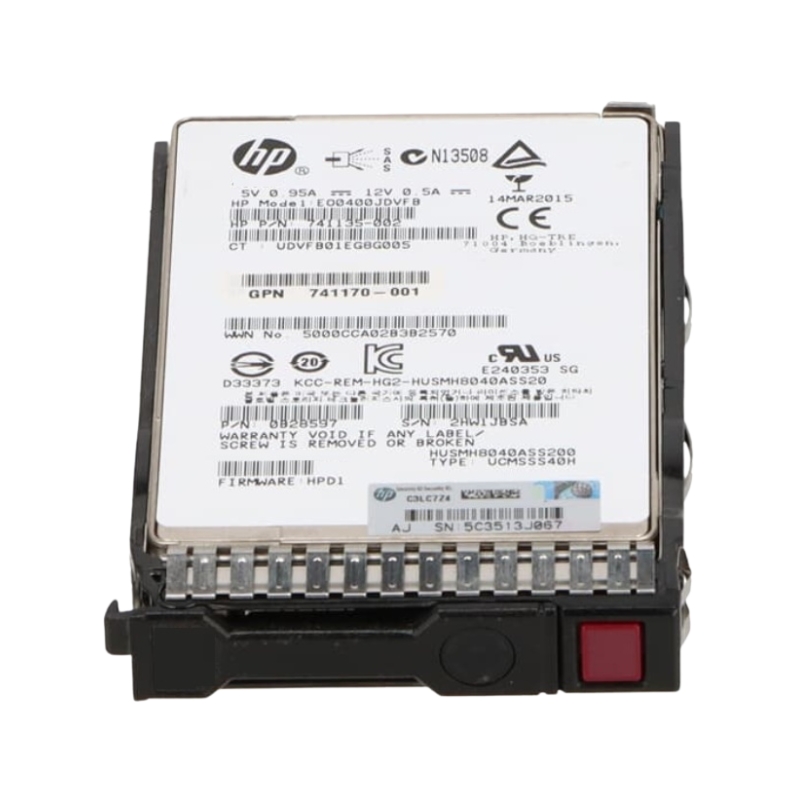


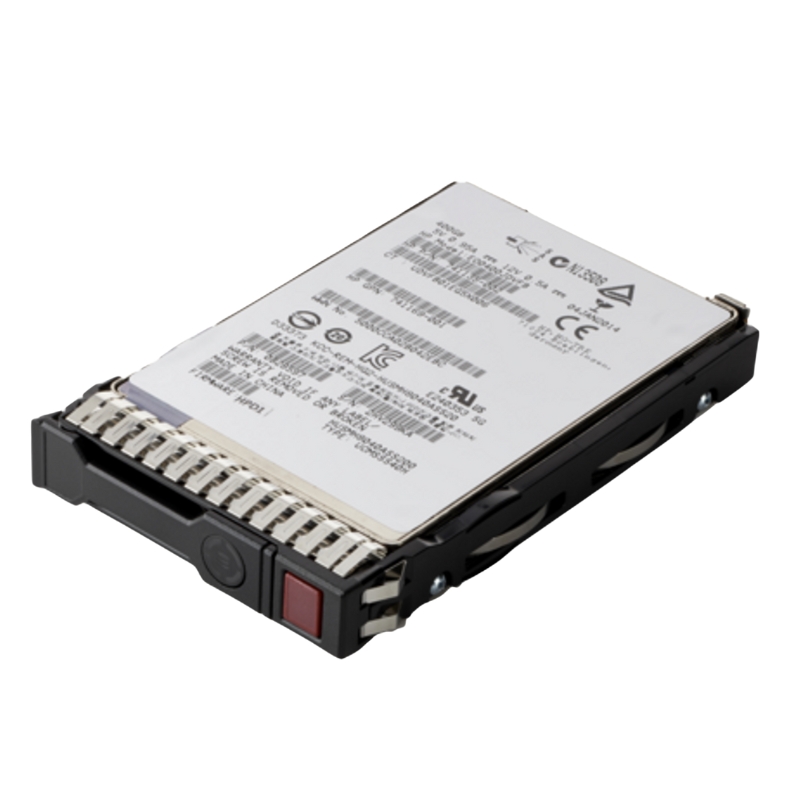
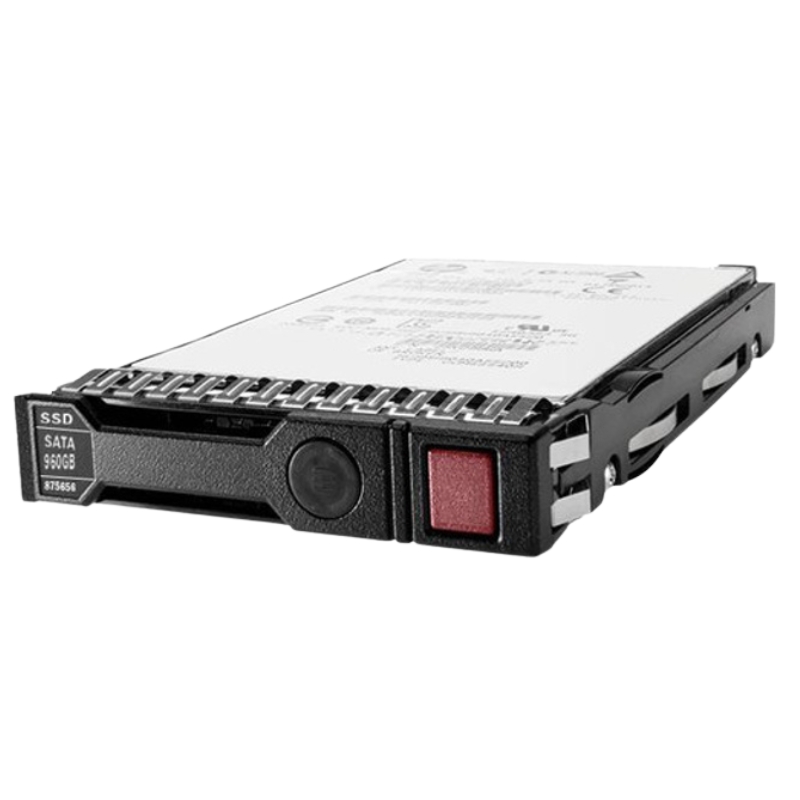
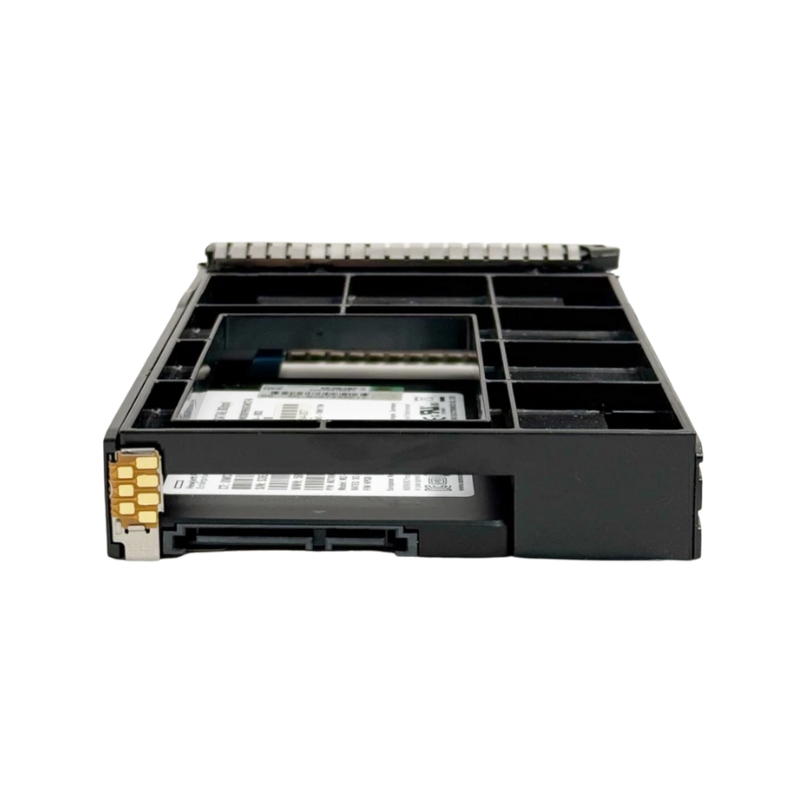
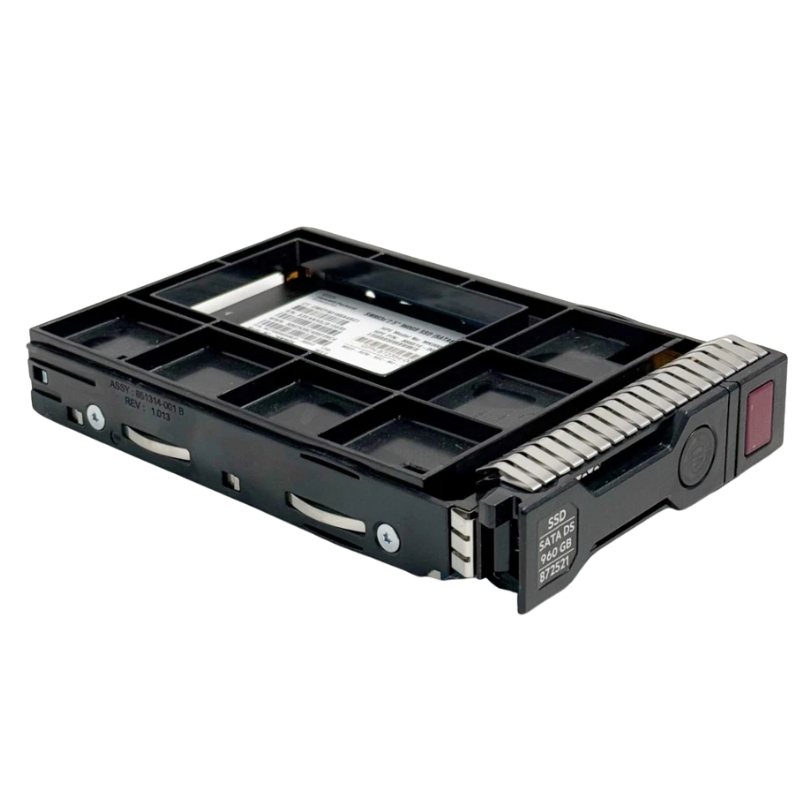
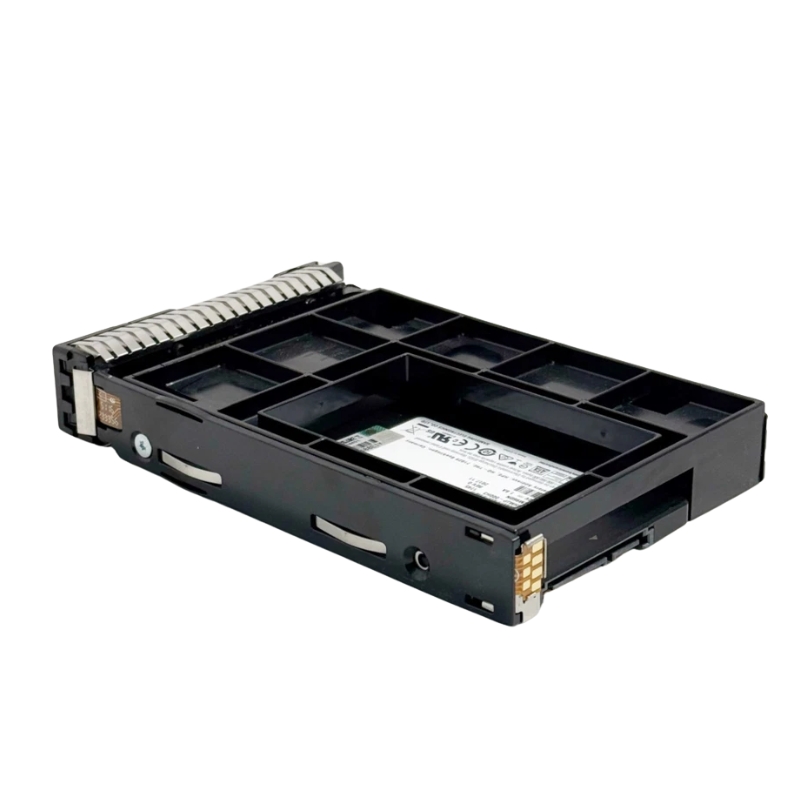
HPE P07928-B21 960GB SATA-6GBPS 3.5inch LFF Digitally Signed Firmware Smart Carrier Converter Mixed Use Solid State Drive. Factory-Sealed New in Original Box (FSB) with 3 Years Warranty
The HPE P07928-B21 is a high-performance solid-state drive engineered for enterprise environments, offering a blend of speed, reliability, and endurance. Optimized for mixed-use workloads, this 960GB SATA 6Gbps SSD comes with a Smart Carrier Converter for seamless integration into HPE ProLiant servers.
The HPE P07928-B21 960GB SATA-6Gbps 3.5-inch Large Form Factor (LFF) Digitally Signed Firmware Smart Carrier Converter Mixed Use Solid State Drive represents a versatile enterprise-grade storage solution designed to meet the performance and endurance requirements of mixed-use workloads. This category focuses on SSDs that provide a balanced combination of read and write performance, making them suitable for applications that demand consistent speed and reliability across a variety of operations. Mixed-use SSDs are optimized to handle environments where both frequent reads and writes occur, such as virtualization, database management, file serving, and content management systems. HPE’s implementation of digitally signed firmware ensures drive authenticity, compatibility, and security within HPE server and storage ecosystems.
This category of mixed-use SSDs utilizes the SATA 6Gbps interface, delivering solid throughput for enterprise workloads that require consistent performance. The 960GB capacity provides ample storage for applications that need a combination of high-speed access and significant capacity. The Large Form Factor (3.5-inch) design is often paired with Smart Carrier Converter technology, enabling seamless installation in server trays designed for LFF drives, while maintaining compatibility with Small Form Factor (SFF) server slots. The mixed-use SSD category balances endurance, performance, and cost-effectiveness, making it suitable for workloads that involve moderate to heavy read and write operations without the higher cost of write-intensive drives.
SSDs in this category are engineered for mixed-use workloads where neither read nor write operations dominate. HPE P07928-B21 provides optimized performance for environments that require both frequent data reads and writes, such as virtualization platforms, multi-user databases, and storage pools in hybrid IT infrastructures. Mixed-use drives offer a predictable balance of IOPS, throughput, and latency, ensuring consistent performance under variable workload patterns. By leveraging advanced NAND flash technology and enterprise-grade controllers, these SSDs maintain efficiency and reliability for a broad range of enterprise applications.
An essential feature of this SSD category is HPE’s digitally signed firmware, which guarantees firmware integrity, authenticates the drive, and ensures compatibility with HPE server and storage environments. This enhances security and reduces the risk of operational disruptions caused by unauthorized or corrupted firmware updates. Smart Carrier Converter technology provides flexibility in drive deployment, allowing 3.5-inch LFF SSDs to be mounted in server trays originally designed for SFF drives. The carrier includes LED indicators for drive status, hot-swap support, and full integration with HPE storage management tools, enabling administrators to monitor health, performance, and predictive failure analytics efficiently.
HPE mixed-use SSDs deliver consistent performance across a range of read and write operations. The SATA 6Gbps interface provides sufficient bandwidth for workloads that do not require extreme NVMe performance but still demand reliability and responsiveness. These drives exhibit low latency and predictable IOPS, which is essential for virtualized environments, online transaction processing (OLTP), and multi-user database applications. By balancing read and write efficiency, the mixed-use category ensures that storage performance remains stable under variable workloads, reducing the risk of bottlenecks and ensuring optimal application responsiveness.
Reliability is a key consideration in the mixed-use SSD category. HPE P07928-B21 is engineered with enterprise-grade NAND, error correction code (ECC), wear-leveling algorithms, and power-loss protection, ensuring that data integrity is maintained even during unexpected events. Mixed-use SSDs are rated for higher endurance than read-intensive drives but lower than write-intensive models, providing an optimal balance for applications that require both moderate read and write operations. These reliability features minimize downtime and support continuous availability, which is critical for enterprise workloads that cannot tolerate interruptions.
HPE P07928-B21 and similar mixed-use SSDs are fully integrated within HPE server and storage platforms, including ProLiant servers, Smart Array controllers, and HPE storage arrays. This tight integration ensures seamless deployment, monitoring, and management of the drives. Administrators can leverage HPE OneView, Smart Storage Administrator, and other HPE management tools to monitor drive health, track performance metrics, and receive predictive alerts. The category emphasizes the benefits of ecosystem integration, including simplified administration, reduced operational complexity, and optimized resource utilization across enterprise storage environments.
The 3.5-inch LFF form factor and Smart Carrier Converter technology provide scalability and deployment flexibility. Enterprises can deploy multiple mixed-use SSDs within server racks to achieve the desired storage capacity and performance density. This category allows organizations to optimize storage configurations for mixed workloads, enabling high-performance virtual machines, file systems, and database applications within a compact footprint. Scalable deployment ensures that storage infrastructure can grow with business demands without sacrificing performance or reliability.
Mixed-use SSDs are designed for power efficiency, reducing overall energy consumption while maintaining consistent performance. HPE P07928-B21 consumes less power than write-intensive drives while offering higher endurance than read-optimized models. Effective thermal management is critical for sustaining drive performance and prolonging lifespan, and the 3.5-inch LFF design, combined with the Smart Carrier Converter, ensures optimal airflow and heat dissipation within server chassis. This contributes to lower cooling requirements, reduced operational costs, and improved sustainability for enterprise storage environments.
Security is a critical aspect of enterprise SSD deployment. HPE P07928-B21 includes digitally signed firmware, which ensures drive authenticity and prevents the installation of unauthorized firmware. The category may also support self-encrypting drive (SED) capabilities, secure erase, and compliance with enterprise security standards. These features enable organizations to protect sensitive data, meet regulatory requirements, and maintain secure storage infrastructure across their IT environments. Integration with HPE management platforms allows centralized enforcement of security policies, simplifying compliance management.
Mixed-use SSDs like HPE P07928-B21 are ideal for environments that require a balanced combination of read and write performance. Common use cases include virtualization platforms, multi-user databases, file servers, caching layers, and mixed transactional workloads. The category ensures that applications experience predictable performance and low latency while benefiting from enterprise-grade reliability and integrated management. By focusing on mixed-use optimization, these SSDs provide cost-effective, high-performance storage for workloads that cannot be classified as purely read-intensive or write-intensive.
HPE mixed-use SSDs are designed for simplified maintenance and proactive monitoring. The Smart Carrier Converter allows for hot-swapping, enabling administrators to replace drives without downtime. Integration with HPE management tools supports health monitoring, predictive analytics, and firmware updates, allowing IT teams to manage the storage lifecycle efficiently. This category emphasizes minimizing operational disruptions while extending drive longevity and maximizing return on investment.
The HPE P07928-B21 mixed-use SSD category offers a strategic balance between read and write performance, enterprise reliability, and cost-effectiveness. These drives deliver consistent performance across variable workloads, ensuring low latency and predictable IOPS for virtualization, database, and file-serving applications. Smart Carrier Converter technology and digitally signed firmware enhance deployment flexibility, security, and integration within HPE server and storage ecosystems. Power-efficient design and thermal optimization contribute to sustainable operations and reduced total cost of ownership.
Enterprises can maximize the benefits of mixed-use SSDs by implementing workload-aware provisioning, tiered storage strategies, and efficient I/O distribution. Administrators can monitor drive metrics such as throughput, latency, and IOPS using HPE management platforms, enabling fine-tuned storage optimization. Balancing workloads across multiple drives ensures predictable performance and optimal utilization, minimizing the risk of bottlenecks and improving overall system responsiveness.


 Contact Us
 Information
 Catalog
 Solid State Drives (SSD)
 Network Switches
 Hard Disk Drives
 HBA & Controllers
 PC & Servers
 PC & Server Memory
 CPU & Processors
 Network Routers
 Power Supplies
 Tape Drives & Libraries
 Network Devices
 Computer & Network Cables