(7% discount is applied at checkout)
Cart is empty
Your go-to destination for cutting-edge server products
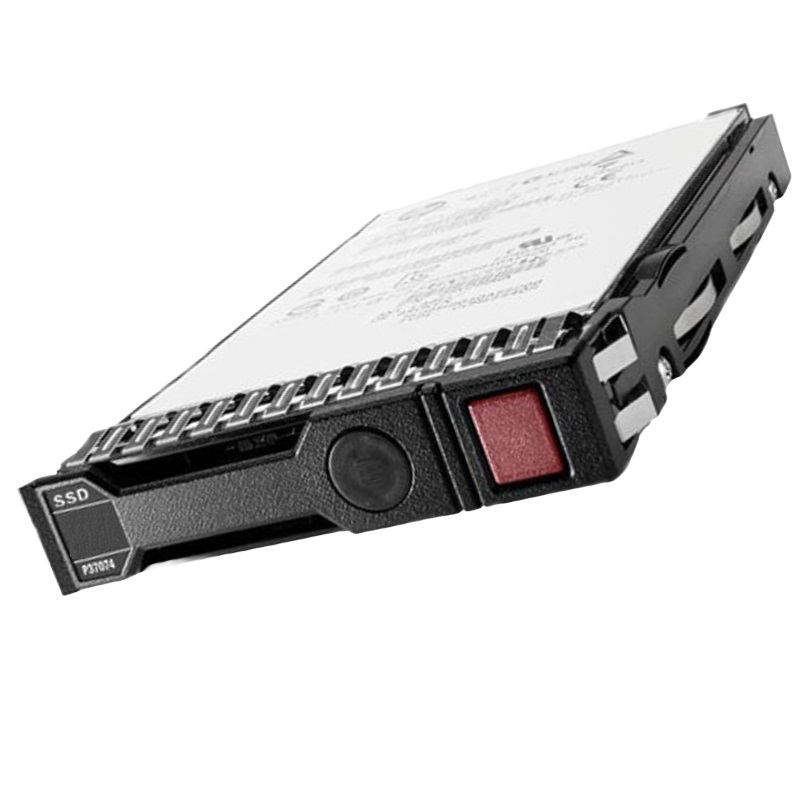


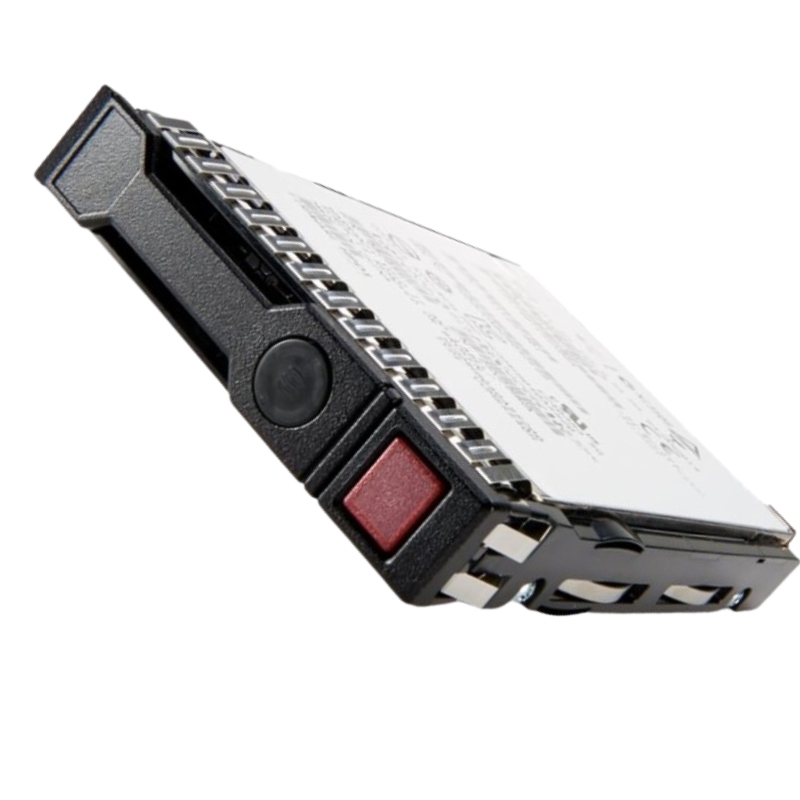
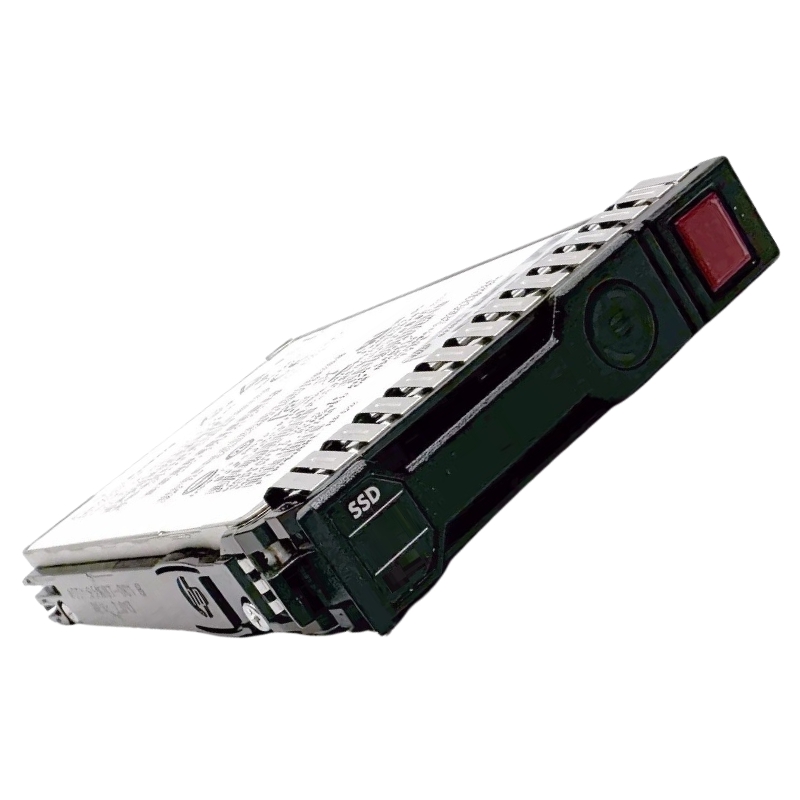
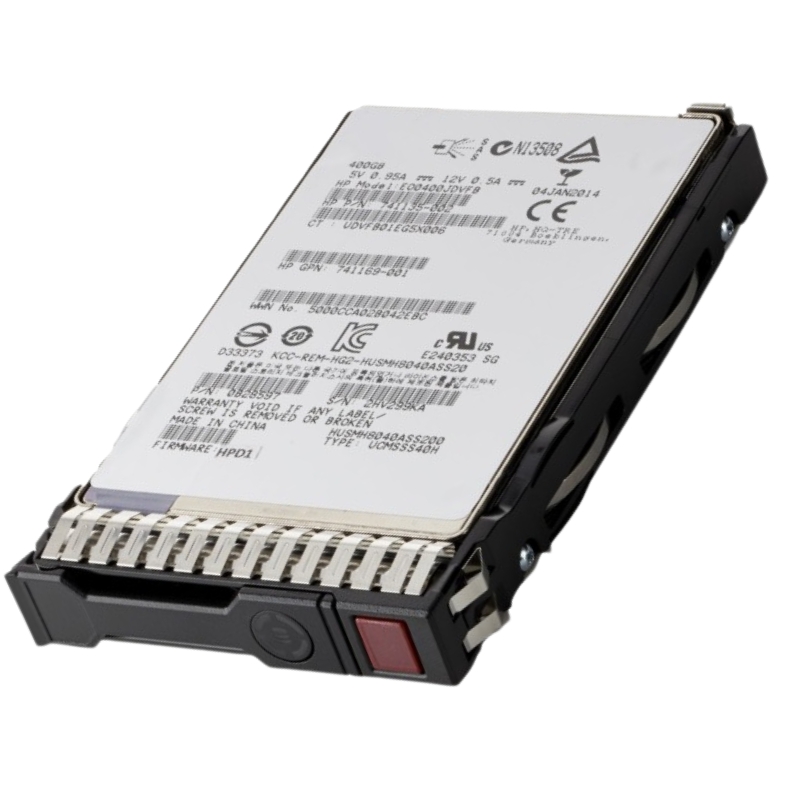
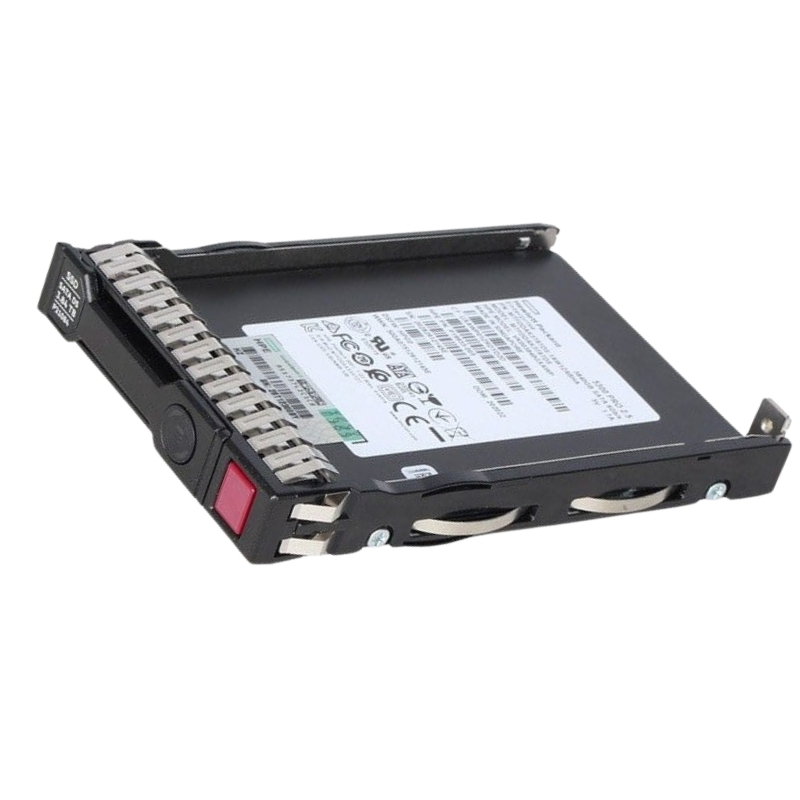
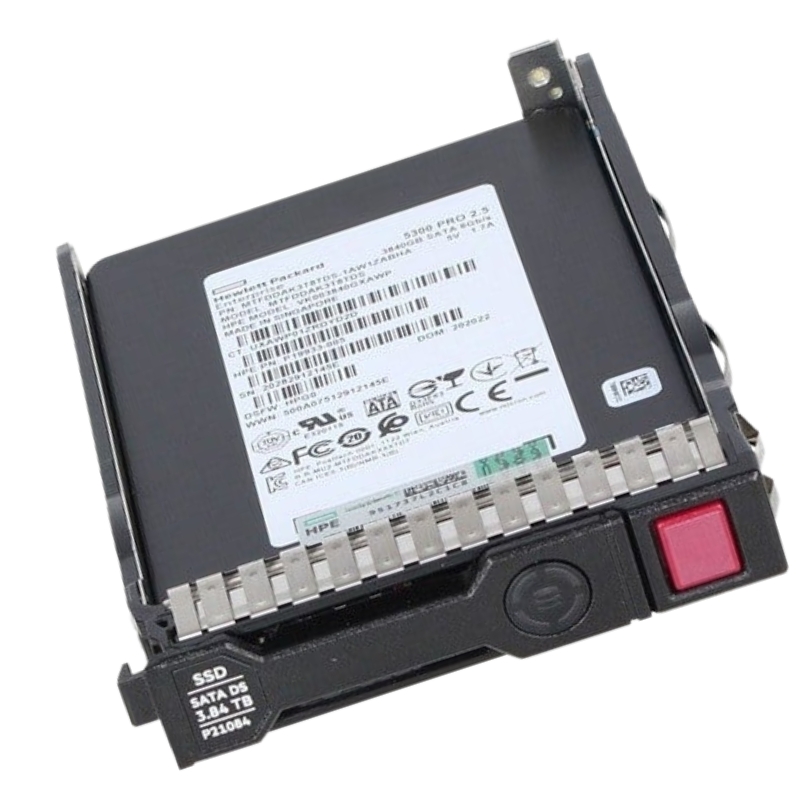
HPE P08575-001 3.84TB SATA 6GBPS Read Intensive Solid State Drive. Excellent Refurbished with 1 year replacement warranty
| SKU/MPN | Warranty | Price | Condition | You save |
|---|---|---|---|---|
| P08575-001 | 1 Year Warranty | $1,567.00 | Factory-Sealed New Retail in Original Box (FSB) | You save: $548.45 (26%) |
| P08575-001 | 1 Year Warranty | $1,091.00 | Excellent Refurbished | You save: $381.85 (26%) |
The HPE P08575-001 is a high-performance 3.84TB Solid State Drive (SSD) designed for read-intensive workloads. With a SATA 6Gbps interface, it offers enterprise-grade storage reliability and speed, making it ideal for data centers, cloud environments, and mission-critical applications.
The P08575‑001 HPE 3.84TB SATA 6Gbps Read‑Intensive SSD category encompasses enterprise‑grade storage devices engineered specifically for high-demand, read‑oriented workloads. In this category you will find solid state drives tailored to deliver exceptional read throughput, predictable latency, and durable performance in data centers, virtualization environments, cloud infrastructures, and other mission‑critical systems. These drives are optimized not for write‑heavy workflows but for scenarios where reading large datasets, caching operations, and rapid access to frequently requested information are essential. The purpose of this category is to group solutions that excel in read‑intensive usage models while still providing solid reliability, efficient thermal and power characteristics, and compatibility with server architectures that support SATA 6Gbps interfaces.
At the heart of each drive in this category lies a sophisticated controller that manages flash translation, wear leveling, error correction, and I/O scheduling, all tuned to favor read workloads. The controller firmware emphasizes strategies that reduce read amplification, maximize cache hit rates, and streamline background maintenance operations. The flash memory arrays often use multi‑level cell (MLC) technology, offering a balance between durability and capacity. Because the write workload is lighter in read‑intensive scenarios, the internal architecture can afford to allocate more resources to read caching, page mapping, and read path optimization.
The drives in this classification employ the SATA 6Gbps interface, a ubiquitous standard in enterprise server platforms. This interface provides backward compatibility with legacy systems while offering enough bandwidth to support high sequential and random read performance. The hot‑plug capability enables administrators to swap drives without powering down systems, minimizing downtime. The use of a single port is deliberate, as many read‑intensive systems are designed with modular redundancy and software layering above the storage level rather than dual‑port physical architectures. In addition, the slim 7 mm height and small form factor design make these drives fit into dense server racks or blade chassis without sacrificing airflow or cooling efficiency.
Within this category, drives are characterized by their high sequential read speeds, often reaching into the range of 500 MiB/s or more, even under sustained loads. The P08575‑001 class typically attains up to 525 MiB/s in sequential reads, allowing large file transfers, database scans, or content retrieval tasks to complete rapidly. The write bandwidth, while secondary, remains respectable; for many of these drives, sustained write performance might approach 480 MiB/s in favorable conditions. But the primary differentiator is read consistency over long durations, minimal variance in latency under load, and robust behavior under mixed-access patterns with a bias toward reads.
Random read throughput is a critical metric measured in Input/Output Operations per Second (IOPS). In the P08575‑001 category, drives are often qualified to deliver random read performance of approximately 69,000 IOPS, ensuring that small, scattered read requests across large datasets are handled efficiently. Random write performance, while naturally lower, is tuned to maintain responsiveness under bursts, often delivering around 28,000 IOPS without jeopardizing drive longevity. The design philosophy accepts that write amplification, garbage collection overhead, and wear leveling can be deferred or scheduled more aggressively because write request volumes are relatively modest in the target workload profiles.
In virtualized desktop deployments, a substantial portion of the storage workload consists of repeated reads for OS boot images, application binaries, and shared assets. The P08575‑001 category excels here by delivering fast, predictable read access, reducing latency as multiple virtual machines access the same blocks simultaneously. As a caching tier, these SSDs serve as a read accelerator in hybrid storage architectures, absorbing the bulk of repetitive read traffic and reducing load on slower HDD or capacity SSD layers. They maintain steady performance even during read surges by efficiently servicing cache hits and minimizing bottlenecks.
Although the write volumes in read‑intensive deployments are lower, endurance remains a design consideration. The drives within this category are rated for sufficient _Drive Writes per Day_ (DWPD) or total terabytes written over their lifetime under expected write patterns. Their firmware implements wear leveling, bad block management, and background scrubbing tailored to minimize write disturbances. Because garbage collection and block reclamation are less stressed in read‑biased environments, the drives can defer these operations to low‑IO conditions, reducing performance disruption and extending effective service life.
Operating efficiency is critical in dense server racks. The compact 7 mm SFF form factor helps maintain airflow. The controllers in the P08575‑001 class dynamically scale power states based on activity, dropping into lower power or idle modes when appropriate. Additionally, drive monitoring features expose SMART attributes, temperature sensors, and diagnostic logs. Preventative alerts can trigger ahead of failure by tracking parameters such as reallocated sectors, uncorrectable error counts, and wear leveling statistics. This visibility enables administrators to proactively manage drive health and schedule replacements before catastrophic failures.
Compatibility with server ecosystems is a vital part of the category. These SSDs operate in host environments that support SATA 6Gbps connectivity and often integrate with vendor management tools from HPE. Firmware updates may be supplied by HPE to resolve bugs, improve stability, or fine‑tune performance in specific workloads. Proper integration with operating system drivers and RAID controllers (if used) ensures optimal performance and reliability. System architects should validate firmware compatibility, back up data before flashing, and test new firmware in staging environments.
Within the P08575‑001 category, different capacities may exist (though the 3.84TB variant is often the flagship). Smaller capacity drives may deliver slightly higher random performance or endurance per gigabyte because fewer die channels are used. However, the 3.84TB model offers superior large‑scale data access and economy of scale in density. In read‑intensive contexts, the allocation of read cache, controller parallelism, and internal queue depths favor higher capacity units more than in write‑oriented categories. Thus the 3.84TB version frequently provides the best tradeoff for enterprise deployments seeking predictable read throughput at scale.
Although the P08575‑001 category is tuned for read dominance, real systems rarely issue purely read workloads. Mixed workloads impose occasional writes for metadata, logging, or control structures. In these scenarios, the drives are tested for how gracefully they degrade performance. The best drives in this category maintain strong read performance even in the face of intermittent writes, avoiding long latency spikes or throughput collapse. When compared side by side, models that cushion write interference to read operations tend to provide better real‑world usability in mixed environments.
For many enterprise applications, especially database and real‑time query systems, tail latency is critical. The P08575‑001 category includes models engineered to keep read latency consistent under load rather than merely optimizing average throughput. Some drives offer priority queues or quality‑of‑service (QoS) controls in firmware that let administrators limit more aggressive operations for background maintenance or defer them to idle times, thereby preserving read performance for latency‑sensitive workloads.
Choosing a drive in this class involves analyzing application I/O patterns, dataset sizes, and growth expectations. Architects should align the number of drives and total capacity to ensure read load per drive remains within healthy margins. Coupling these SSDs with slower archival layers or read‑cache tiers can reduce the per‑drive burden. Some systems may use these drives as front‑end accelerators for large but infrequently updated datasets, offloading less critical data to more capacious, higher latency media.
Given the critical nature of environments using this category, redundancy schemes such as RAID, mirroring, or erasure coding are often employed. The drive’s design should support robust failure recovery, rebuild capability, and data integrity checks without compromising read performance. Administrators should allocate hot spares and consider overprovisioning so that background tasks do not encroach on peak read performance windows.
Before deployment, drives in this category must undergo benchmarking under real or simulated workloads. Tests should include large sequential reads, random read mixes, cache warmup behavior, latency under load, and resilience during background tasks. Validation against worst‑case query behavior and failure scenarios helps ensure that drive performance meets expectations under full production stress. Integration tests across firmware, host drivers, and RAID controllers are indispensable to avoid bottlenecks or misconfigurations.
Thermal envelope and vibration tolerance are nontrivial in dense server racks. The 7 mm SFF design helps minimize height constraints. But integrators should confirm that cooling along drive bays is adequate and that airflow is not impeded by adjacent modules. Vibration and shock resilience must align with enclosure specifications, and power supply margins should allow for peak activity without voltage droop. These factors become more critical as the number of drives per chassis increases.
Because these drives often interact with multiple layers—controller firmware, operating system drivers, RAID firmware, server management interfaces—compatibility across those layers is essential. Discrepancies may lead to dropped commands, suboptimal scheduling, or performance regressions. It is advisable to manage firmware versions centrally and coordinate validation cycles across the platform stack. Upgrading firmware should be done carefully, ideally in maintenance windows, after thorough testing in a nonproduction staging environment.
Modern controllers in this category are evolving with smarter read prefetching, adaptive caching, and learning algorithms that detect common access patterns. Over time, they progressively tailor read paths so that repeated hot blocks are cold‑cached efficiently while colder data resides deeper in memory. The ability to offload read paths to onboard DRAM or SRAM accelerators helps further reduce latency. These advances reinforce the role of the P08575‑001 class in high‑performance read workloads.
While the category traditionally uses MLC for optimal endurance under read pressure, newer variants may incorporate advanced cell technologies that maintain reliability while increasing gigabyte-per-dollar efficiency. This may permit even higher capacities in the same form factor, enabling larger data sets to be stored in faster tiers without sacrificing performance. The P08575‑001 category is poised to benefit from such enhancements, scaling both capacity and throughput.
The read‑intensive SSD category increasingly integrates with software‑defined storage platforms, AI inference pipelines, and distributed caching frameworks. These environments depend heavily on rapid data fetching and low latency response. The P08575‑001 class provides the underlying storage substrate for models, index shards, and hot data partitions. As software layers become more sophisticated, the SSD layer must adapt with dynamic caching orchestration and telemetry-informed scheduling to sustain performance.


 Contact Us
 Information
 Catalog
 Solid State Drives (SSD)
 Network Switches
 Hard Disk Drives
 HBA & Controllers
 PC & Servers
 PC & Server Memory
 CPU & Processors
 Network Routers
 Power Supplies
 Tape Drives & Libraries
 Network Devices
 Computer & Network Cables