(7% discount is applied at checkout)
Cart is empty
Your go-to destination for cutting-edge server products
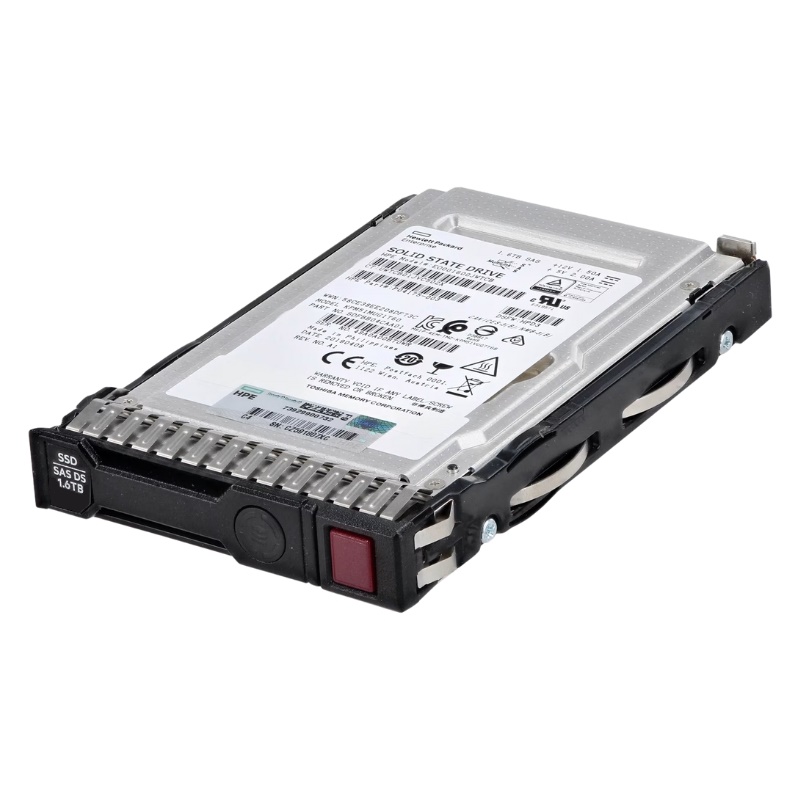


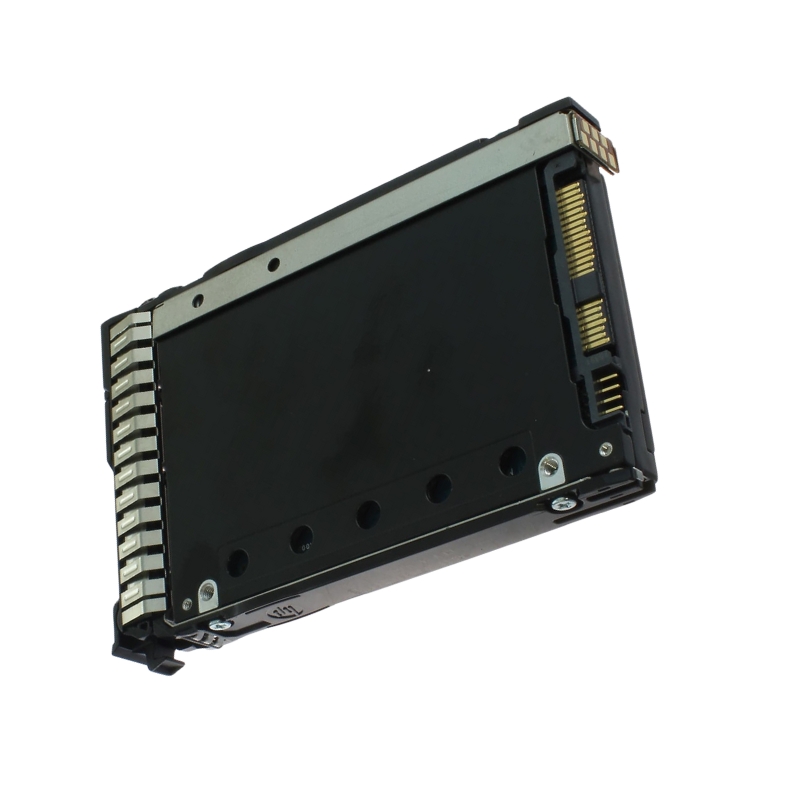
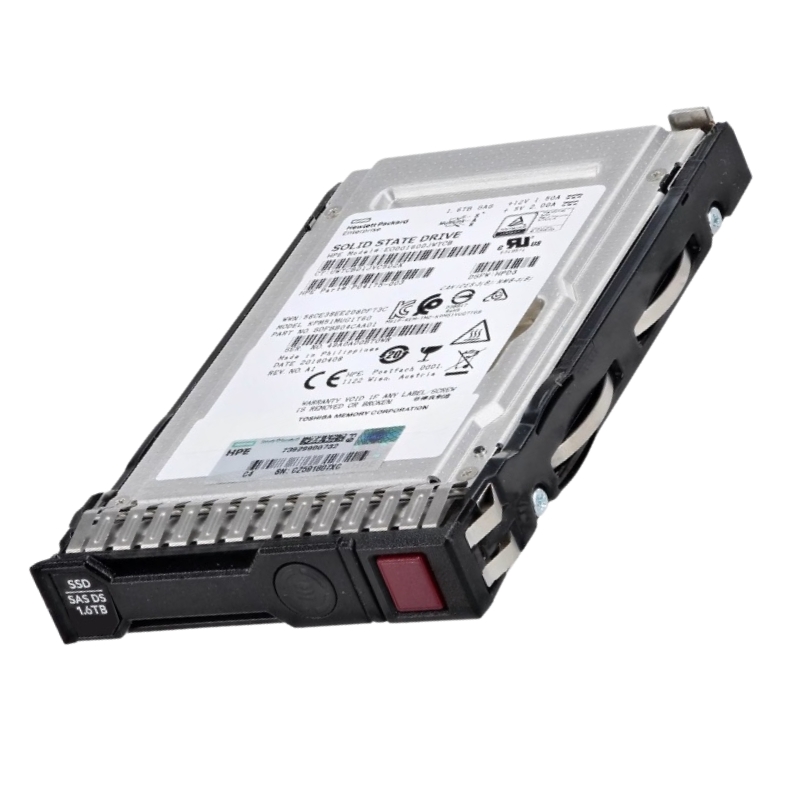
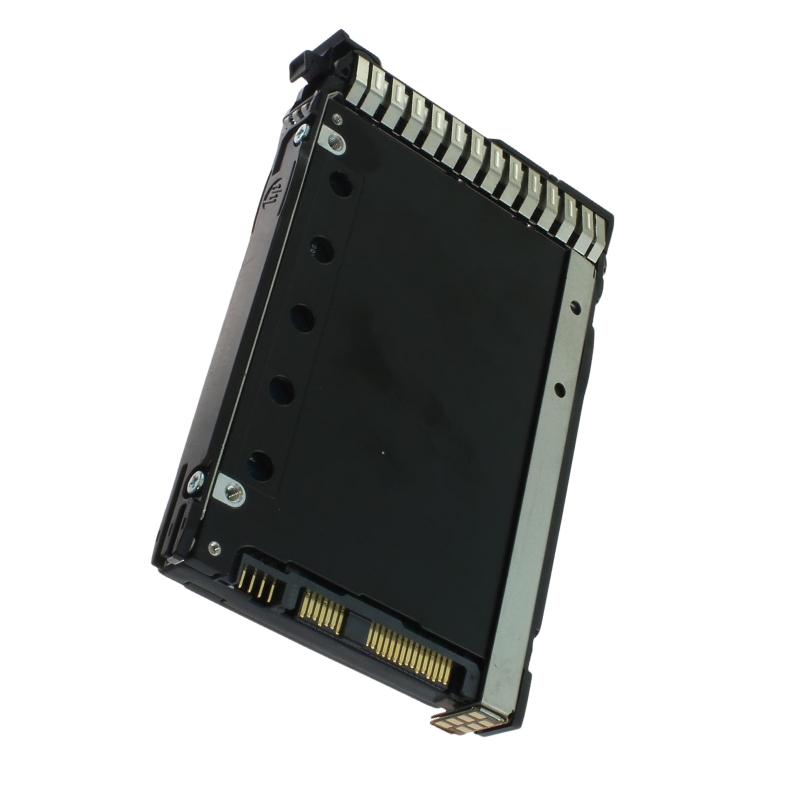
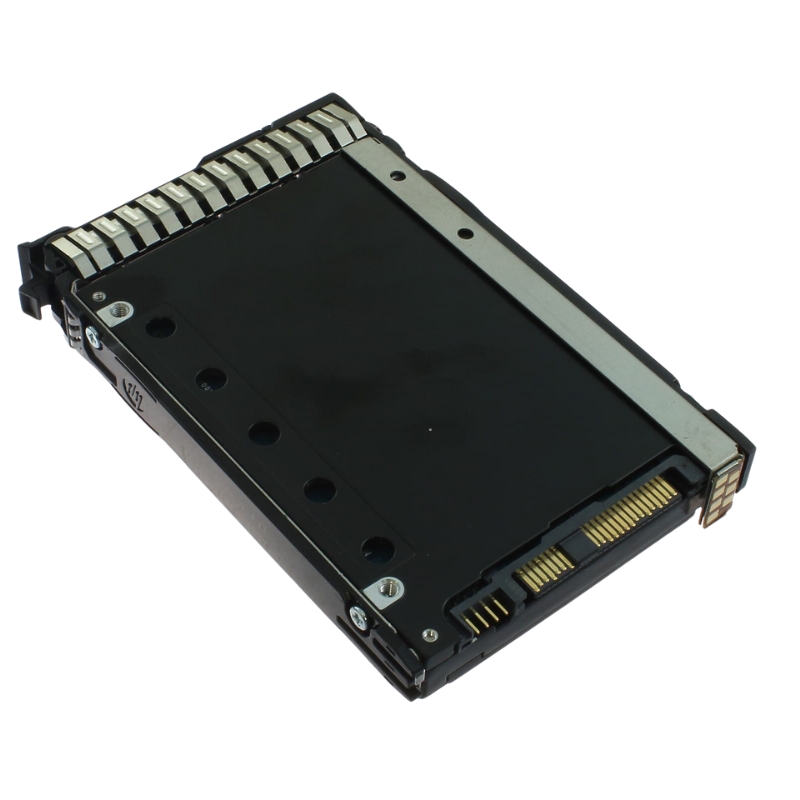
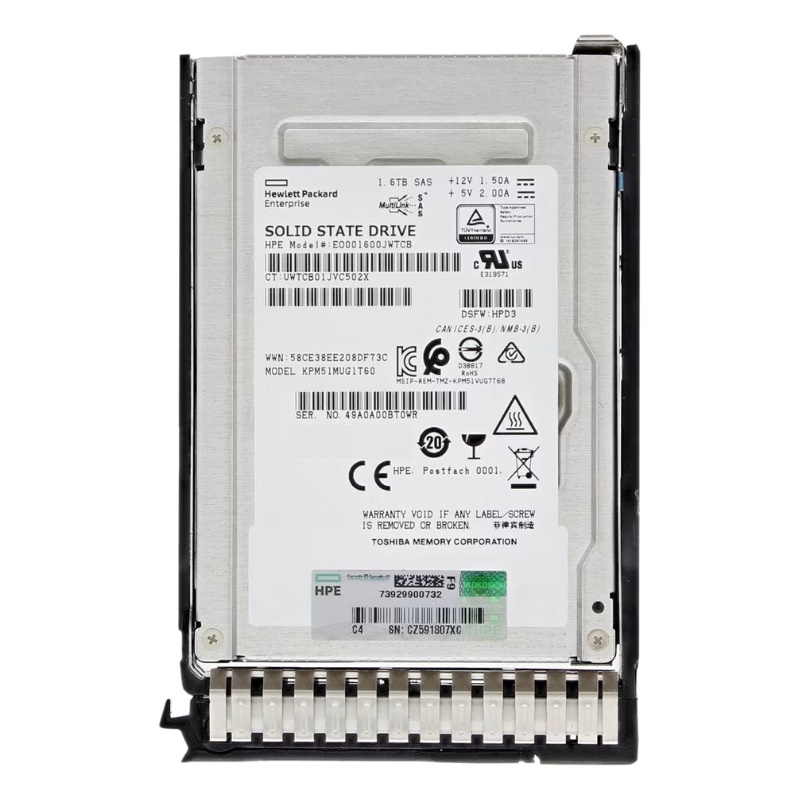
HPE P41559-001 1.6TB Solid State Drive SAS 12GBPS SFF TLC Hot Swap Mixed Use. Factory-Sealed New in Original Box (FSB) With 3 Years Warranty
| SKU/MPN | Warranty | Price | Condition | You save |
|---|---|---|---|---|
| P41559-001 | 1 Year Warranty | $294.00 | Excellent Refurbished | You save: $102.90 (26%) |
| P41559-001 | 1 Year Warranty | $898.00 | Factory-Sealed New in Original Box (FSB) | You save: $314.30 (26%) |
Upgrade your server storage with the HPE P41559-001 1.6TB Mixed-Use Solid State Drive. Designed for high-performance applications, this 2.5-inch SAS SSD delivers reliable and fast data access with hot-swap capability, making it ideal for enterprise environments.
The HPE P41559-001 leverages the Serial Attached SCSI (SAS) interface, specifically the 12 gigabits per second (12Gbps) generation, which represents a significant advancement in enterprise storage connectivity. This dual-ported interface provides full-duplex communication, meaning data can be sent and received simultaneously on dedicated pathways, effectively doubling the potential bandwidth compared to half-duplex interfaces like SATA. The 12Gbps SAS standard delivers a substantial performance uplift over the previous 6Gbps generation, enabling this drive to achieve remarkable sequential read and write speeds that are crucial for I/O-intensive applications. The inherent reliability features of SAS, including robust error recovery controls, end-to-end data integrity verification, and dual-port redundancy, make it the de facto standard for mission-critical server and storage array environments where downtime is not an option.
This drive conforms to the Small Form Factor (SFF) 2.5-inch specification, a ubiquitous standard in modern enterprise infrastructure. The compact dimensions allow for significantly higher storage density within server racks and storage enclosures compared to legacy 3.5-inch drives. For instance, a single 2U server chassis can typically accommodate up to twenty-four 2.5-inch drives, maximizing terabyte-per-rack-unit efficiency. Furthermore, the smaller physical size contributes to improved system airflow and thermal management, a critical consideration for maintaining optimal performance and longevity of solid-state media. The SFF specification also standardizes the mounting points and connector placement, ensuring broad compatibility with HPE ProLiant, HPE Apollo, and HPE Synergy server platforms, as well as HPE MSA and HPE 3PAR storage systems.
The "Hot Swap" designation is a cornerstone feature for enterprise-grade storage. It signifies that the HPE P41559-001 can be safely removed and replaced while the host server or storage array remains powered on and operational. This capability is fundamental to maintaining service level agreements (SLAs) and achieving "five nines" (99.999%) of availability. In practice, hot-swap functionality allows system administrators to perform drive replacements, upgrades, or expansions without scheduling costly downtime windows or disrupting critical business services. This feature is seamlessly integrated with HPE's hardware and software ecosystem, including the HPE Smart Array controllers and HPE iLO management, which can gracefully handle the logical removal and re-introduction of a drive from a RAID array.
Enterprise workloads are broadly categorized into Read-Intensive, Write-Intensive, and Mixed-Use, based on the ratio of read to write operations. The HPE P41559-001 is engineered specifically as a Mixed-Use drive, meaning it is optimized to handle a balanced, unpredictable mix of both read and write commands. This is in stark contrast to Read-Intensive SSDs, which are designed for workloads like databases or virtual desktops where data is frequently accessed but seldom modified, and Write-Intensive SSDs, which are built for logging, data caching, or video editing where data ingestion is constant. Mixed-Use drives strike a careful balance between performance, endurance, and cost, making them the most versatile and widely deployed SSDs in general-purpose servers and storage.
The endurance of an SSD is quantified by its Terabytes Written (TBW) rating and its Drive Writes Per Day (DWPD) specification. For the 1.6TB P41559-001, the DWPD rating is a key metric that defines its Mixed-Use character. A typical Mixed-Use drive like this one might offer a DWPD of 3-5 over its 5-year warranty period. This means you can completely write the entire 1.6TB capacity between 3 and 5 times every single day for five years without exceeding the drive's write endurance limits. This level of durability is achieved through a combination of high-quality TLC NAND, advanced wear-leveling algorithms, over-provisioning (reserving extra NAND capacity for the controller to manage writes and garbage collection), and robust error correction code (ECC).
Over-provisioning (OP) is a critical technique used by SSD controllers. While the drive is marketed as a 1.6TB unit, the physical NAND flash capacity is actually larger. This extra, unadvertised space is not accessible to the user but is used by the drive's firmware for tasks like garbage collection, wear leveling, and bad block management. By having this spare area, the controller can more efficiently manage write operations, reducing write amplification and significantly extending the lifespan and sustaining the performance of the drive under heavy, mixed workloads.
The HPE P41559-001 utilizes Triple-Level Cell (TLC) NAND flash memory. In a TLC chip, each memory cell stores 3 bits of data. This is a step up in density from Multi-Level Cell (MLC, 2 bits per cell) and Single-Level Cell (SLC, 1 bit per cell). While SLC offers the highest performance and endurance, its cost per gigabyte is prohibitive for most capacity-oriented applications. TLC NAND represents the modern sweet spot, offering a compelling balance of cost, capacity, and—when coupled with a sophisticated controller and robust firmware—sufficient performance and endurance for enterprise Mixed-Use scenarios.
It is crucial to distinguish between the TLC NAND used in this HPE drive and the TLC found in consumer-grade SSDs. Enterprise TLC, often referred to as eTLC, is sourced from higher-grade silicon wafers, undergoes more rigorous testing and binning, and is designed to operate at higher temperatures and with greater data retention. Furthermore, enterprise drives implement far more aggressive over-provisioning and advanced error correction technologies like LDPC (Low-Density Parity Check) to compensate for the inherently lower endurance of TLC compared to SLC or MLC, ensuring they meet the rigorous demands of 24/7 data center operation.
While exact specifications should be verified from the official HPE QuickSpecs, a drive of this caliber—a 12Gbps SAS, Mixed-Use TLC model—typically delivers exceptional performance. Expect sequential read speeds potentially exceeding 1,000 MB/s and sequential write speeds in a similar high range. More importantly for server workloads, random 4K read/write IOPS (Input/Output Operations Per Second) are where these drives truly shine, often reaching into the hundreds of thousands. This high IOPS performance is what drastically reduces latency for applications like database transaction processing, virtual machine boot storms, and collaborative file sharing.
As a genuine HPE drive, the P41559-001 is pre-loaded with HPE-specific firmware that is rigorously tested and optimized for HPE server and storage hardware. This deep integration ensures seamless compatibility with HPE Smart Array controllers, which can leverage the drive's performance for advanced RAID configurations (RAID 1, 5, 6, 10, etc.). The firmware includes features tuned for HPE's hardware environment, ensuring optimal performance, predictive health monitoring, and streamlined firmware updates through HPE tools like the Service Pack for ProLiant (SPP) or the HPE OneView management platform.
The drive is fully manageable through HPE Smart Storage Administrator (SSA), a tool that provides a comprehensive view of storage health and configuration. More importantly, it supports HPE's predictive analytics capabilities. By continuously monitoring a vast array of drive telemetry data—including media wear, read/write error rates, and temperature history—the system can identify drives that are likely to fail in the future. This enables proactive replacement, often before any data is lost or performance is degraded, which is a foundational element of HPE's predictive maintenance and support services like HPE InfoSight for infrastructure.
A critical feature of any enterprise SSD is protection against unexpected power loss. The HPE P41559-001 incorporates robust power loss protection circuits, typically consisting of onboard capacitors. In the event of a sudden power failure, these capacitors provide enough temporary power for the drive's controller to complete any in-progress writes and flush the contents of its volatile cache (DRAM) to the non-volatile NAND flash. This prevents data corruption and ensures data-at-rest integrity, a non-negotiable requirement for transactional systems and data consistency.
Enterprise drives are built for relentless operation. The HPE P41559-001 boasts an exceptionally high Mean Time Between Failures (MTBF) rating, often in the range of 2.5 million hours. This theoretical value, derived from extensive reliability testing, translates to a very low Annualized Failure Rate (AFR), providing IT managers with confidence in the long-term reliability of their storage infrastructure and helping to predict total cost of ownership (TCO).
This drive is backed by HPE's standard limited warranty, typically covering three years of support and replacement. This warranty is often enhanced when paired with HPE Proactive Care or other HPE support services, which provide proactive monitoring, faster response times, and expert technical assistance. Using a genuine HPE drive ensures that the entire system, from server to storage, is supported as a single, validated solution, eliminating potential compatibility finger-pointing in the event of an issue.


 Contact Us
 Information
 Catalog
 Solid State Drives (SSD)
 Network Switches
 Hard Disk Drives
 HBA & Controllers
 PC & Servers
 PC & Server Memory
 CPU & Processors
 Network Routers
 Power Supplies
 Tape Drives & Libraries
 Network Devices
 Computer & Network Cables