(7% discount is applied at checkout)
Cart is empty
Your go-to destination for cutting-edge server products
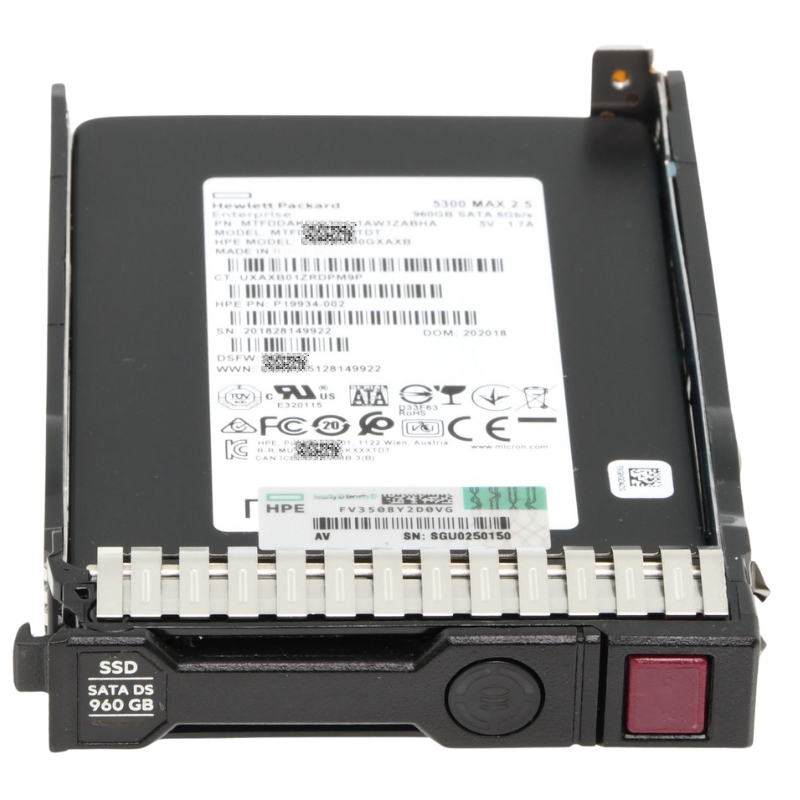


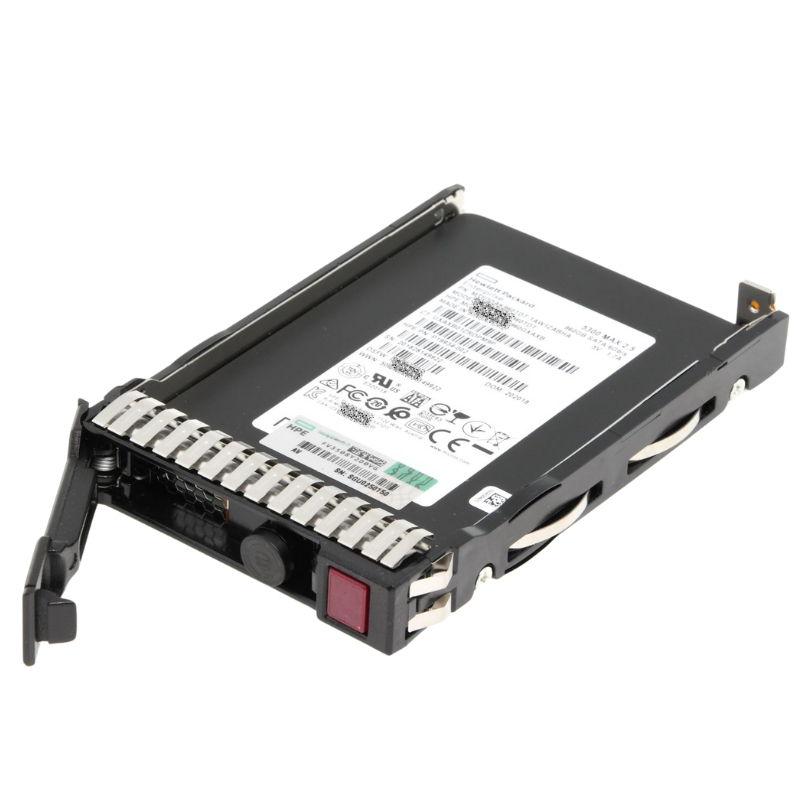
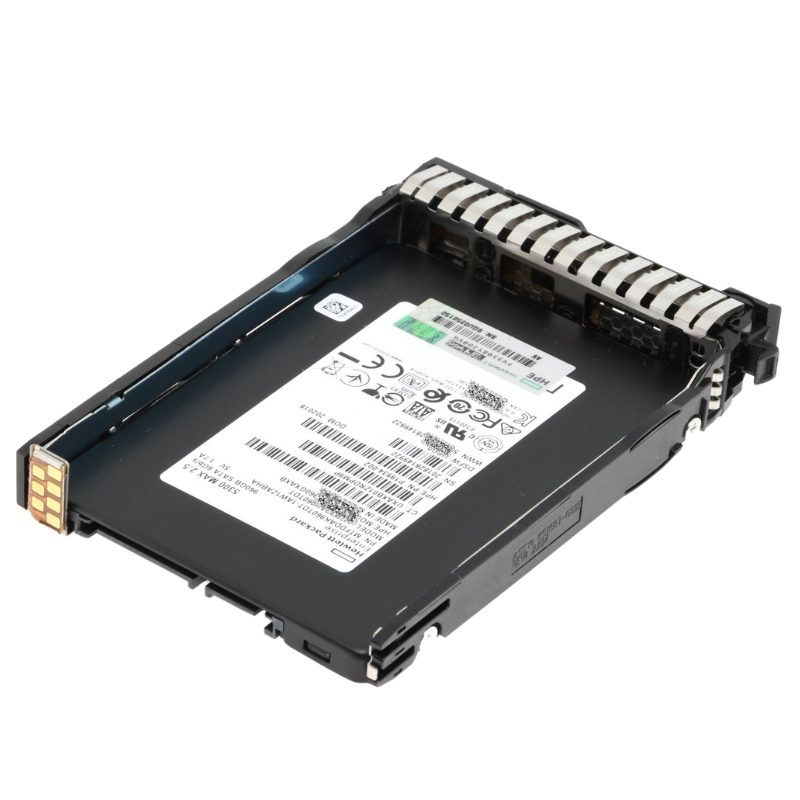
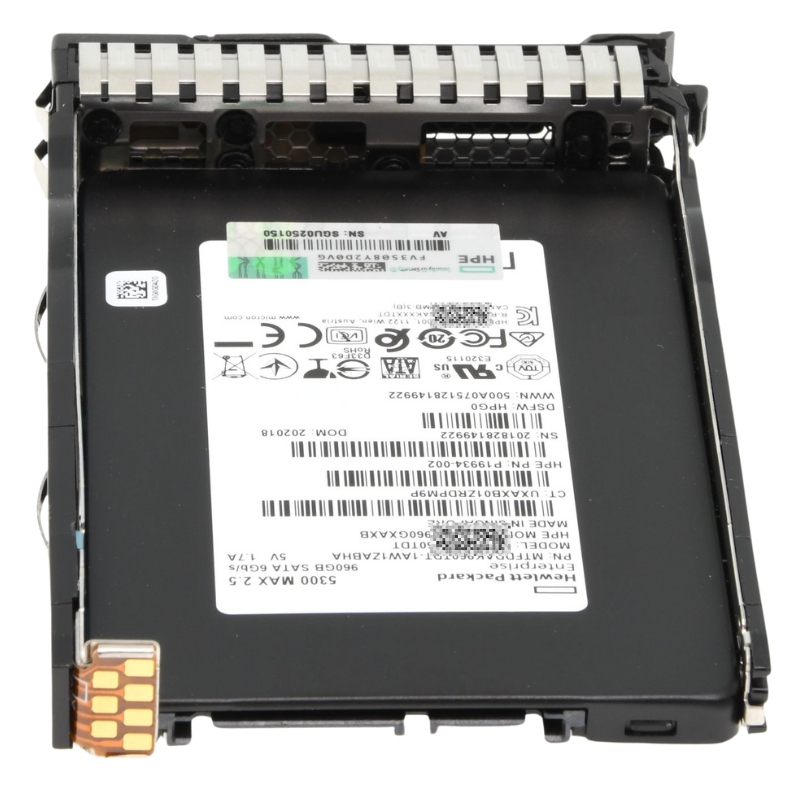
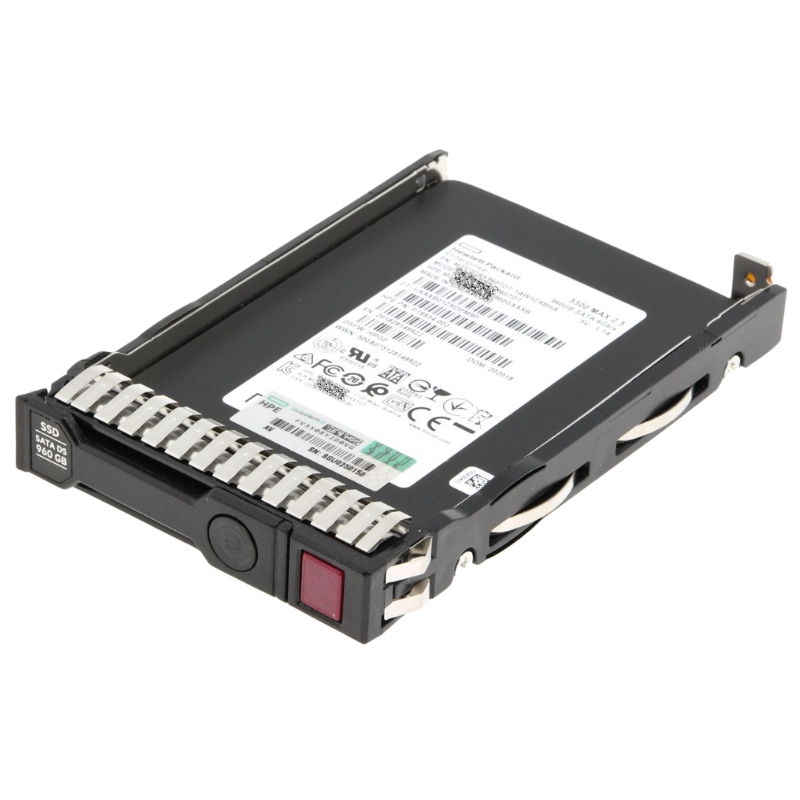
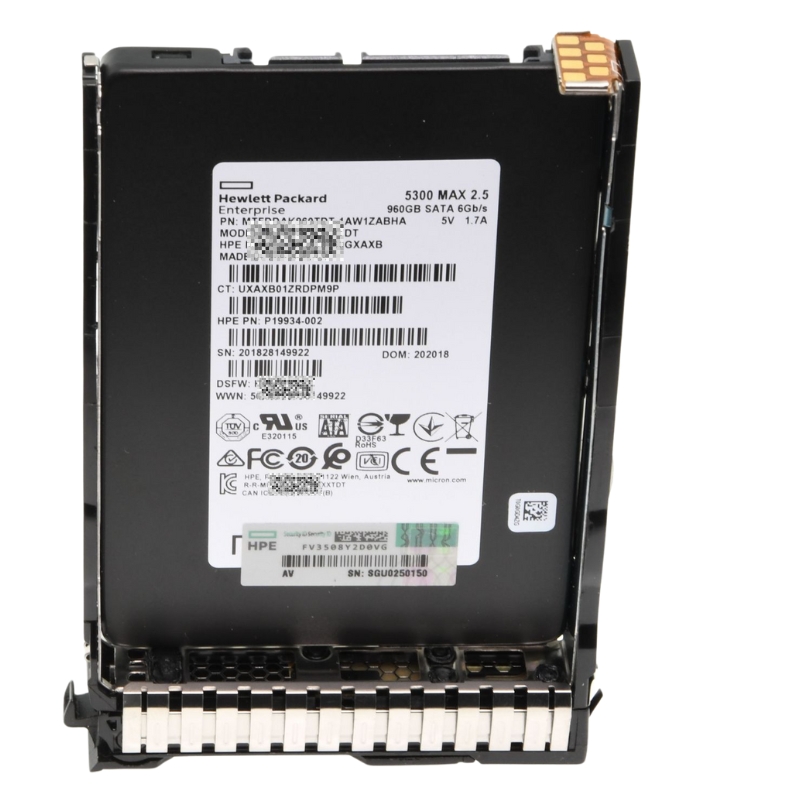
HPE P44008-X21 960GB DS SATA 6GBPS Basic Carrier Read Intensive SSD. Factory-Sealed New in Original Box (FSB) with 3 Years Warranty
HPE P44008-X21 960GB DS SATA 6GBPS Basic Carrier Read Intensive SSD occupies a focused niche in enterprise storage: high-reliability, read-optimized solid state storage for legacy and modern server platforms that require SATA connectivity at 6Gb/s. Designed to bridge the needs of data centers that prioritize consistent read throughput and low-latency random read performance, this category emphasizes predictability, long mean time between failures, and compatibility with established HPE server ecosystems and storage arrays. The term “Basic Carrier” indicates a form-factor and carrier assembly that streamlines insertion into HPE hot-swap bays and simplifies fleet-level replacements, while the 960GB capacity point is tuned for dense read-caching, content delivery, virtual desktop infrastructure boot pools, and metadata stores.
Driving wide compatibility, the P44008-X21 SATA 6Gb/s interface ensures the SSD category integrates with a vast installed base of server and storage controllers. The standardized interface provides predictable electrical and protocol characteristics, allowing system architects to deploy these drives in mixed environments without the need for NVMe-capable backplanes or significant reconfiguration. This stability is an important selling point for organizations migrating incrementally to flash while retaining legacy infrastructure investments.
Read Intensive classification communicates an endurance and workload optimization tradeoff: firmware and flash management are tuned for heavy read workloads with moderate write tolerance. This category is ideal for workloads where reads significantly outnumber writes, such as large-scale web serving, content delivery networks (CDNs), boot volumes for virtual machines, and analytics query caches. Platform buyers should plan for drive-level write management policies and may pair these SSDs with higher-endurance write-optimized devices where write-heavy layers exist.
The P44008-X21 960GB, these SSDs balance usable capacity and performance density. The capacity point is attractive for tiered storage designs where multiple read tiers are required, and where administrators want compact, high-I/O-per-rack solutions. When planning capacity pools, account for over-provisioning and RAID overhead; the advertised capacity represents the raw formatted point, while effective usable capacity will vary based on filesystem choices and redundancy configurations.
Performance in this category centers on strong sequential and random read metrics at low queue depths—a common characteristic for read-intensive enterprise SSDs. The result is snappy access for small I/O transactions and efficient streaming for large sequential datasets. Systems optimized for read latency will noticeably benefit from these devices, especially when previously limited by spinning media. Predictable peak and sustained read throughput make capacity planning less volatile and simplify quality-of-service (QoS) guarantees within virtualized or multi-tenant environments.
Although write performance is not the primary design goal, the SSDs still implement background garbage collection and wear-leveling algorithms that maintain long-term consistency. Write amplification and internal housekeeping are tuned to minimize long-running stalls, but administrators should expect write bursts to be absorbed more effectively when a write buffer tier (DRAM or NVMe cache) is present upstream. Drive firmware will typically include intelligent throttling to protect data integrity during sustained write scenarios.
Latency stability across varying workloads is a core selling point. Consistent low latency for reads reduces jitter for latency-sensitive applications, such as database index lookups, metadata services, and authentication systems. The stability derives from firmware queuing strategies and optimized NAND management for read-oriented patterns.
This category prioritizes enterprise-grade reliability metrics such as mean time between failures (MTBF), bit error rate (BER) tolerances, and sustained performance under mixed loads. Drives in this category are engineered with tight component tolerances and undergo rigorous validation programs to meet data center expectations. For organizations that require high availability, these SSDs integrate into redundancy schemes and ORMs (operations readiness manuals) that outline replacement and recovery procedures.
Data protection features, including power-loss protection mechanisms and robust firmware FTL (flash translation layer) consistency checks, help preserve in-flight data. While specific implementations vary by model, the category emphasizes minimizing the risk of partial writes and metadata corruption during unexpected power events. Administrators should verify vendor datasheets for details on capacitive protection, store-and-forward buffers, and persistent mapping tables.
The “Basic Carrier” designation indicates a carrier assembly compatible with HPE P44008-X21 server trays and hot-swap sleds, easing physical serviceability and ensuring consistent mechanical alignment with server backplanes. The carrier provides the interface between the SATA connector and deployment environment, simplifying logistics for IT teams performing large-scale rollouts or replacements. Compatibility matrices should be reviewed to confirm fitment across blade, rack, and tower models.
Hot-swap capability is intrinsic to this drive category, enabling drive replacement without system downtime in appropriate server configurations. This feature supports high-availability operational models and reduces maintenance windows. IT teams should adopt standardized procedures for hot-swap operations, including guided rebuild sequencing and RAID controller best practices to avoid unnecessary rebuild penalties.
These SSDs are designed to work seamlessly with HPE P44008-X21 SAS/SATA controllers. When integrating into heterogeneous environments, validate firmware interoperability and confirm that controller firmware versions are within supported ranges. Server BIOS/UEFI settings relating to AHCI vs RAID mode, and to secure boot or signed firmware checks, may require adjustments during deployment.
While not all drives in this category include self-encrypting drive (SED) features by default, many enterprise models support encryption options either via firmware or by leveraging controller-based encryption. For environments with strict compliance needs, such as financial services or healthcare, ensure that encryption standards meet regulatory frameworks and that key management practices align with organizational policies.
Secure firmware practices—such as digitally signed updates and secure-boot integration—reduce the risk of malicious firmware modification. Procurement policies should favor devices that support secure update mechanisms and that expose verifiable cryptographic signatures for firmware packages. This is particularly important in multi-tenant and regulated deployments.
One immediate use case is as a read cache layer in hybrid storage arrays, where spinning disks provide bulk capacity and the SSDs accelerate frequently read data. This pattern reduces application response times and improves throughput without wholesale migration of cold data to flash. Storage managers often tune cache policies to pin hot objects on SSD pools for maximum efficiency.
VDI boot storms create intense read loads as multiple desktops boot simultaneously. SSDs in this category excel at handling the bursty, read-dominated workload characteristic of boot pools. Deploying these drives in boot clusters reduces login times and improves user experience during peak boot windows.
Read replicas and analytics caches that are consulted frequently but updated less often benefit from read-optimized SSDs. The category supports faster query response, lower index retrieval times, and improved concurrency for large numbers of small read requests. When used alongside write-optimized tiers, this approach creates a balanced storage architecture that matches workload characteristics to device strengths.
Capacity planning requires aligning usable storage with application growth models. The 960GB density supports dense, rack-level flash deployments that reduce rack space and power usage compared with equivalent spinning disk tiers. When modeling total cost of ownership (TCO), include factors such as power consumption, cooling, spare inventory, and administrative overhead for firmware and lifecycle management.
Scaling out with additional SSDs in this category supports predictable performance increases while maintaining linear management models. Tiering architectures can combine these read-intensive SSDs with higher-endurance NVMe devices for write-heavy workloads and with high-capacity HDDs for cold storage, enabling cost-effective multilayer storage strategies that maximize performance per dollar.
Decision-makers should weigh the capital expense of purchasing enterprise SSDs against operational gains such as reduced query times, lower energy bills, and faster maintenance cycles. Read-optimized drives often deliver a compelling ROI when they replace multiple layers of caching and reduce the need for over-provisioned server compute to mask storage latency.


 Contact Us
 Information
 Catalog
 Solid State Drives (SSD)
 Network Switches
 Hard Disk Drives
 HBA & Controllers
 PC & Servers
 PC & Server Memory
 CPU & Processors
 Network Routers
 Power Supplies
 Tape Drives & Libraries
 Network Devices
 Computer & Network Cables