(7% discount is applied at checkout)
Cart is empty
Your go-to destination for cutting-edge server products
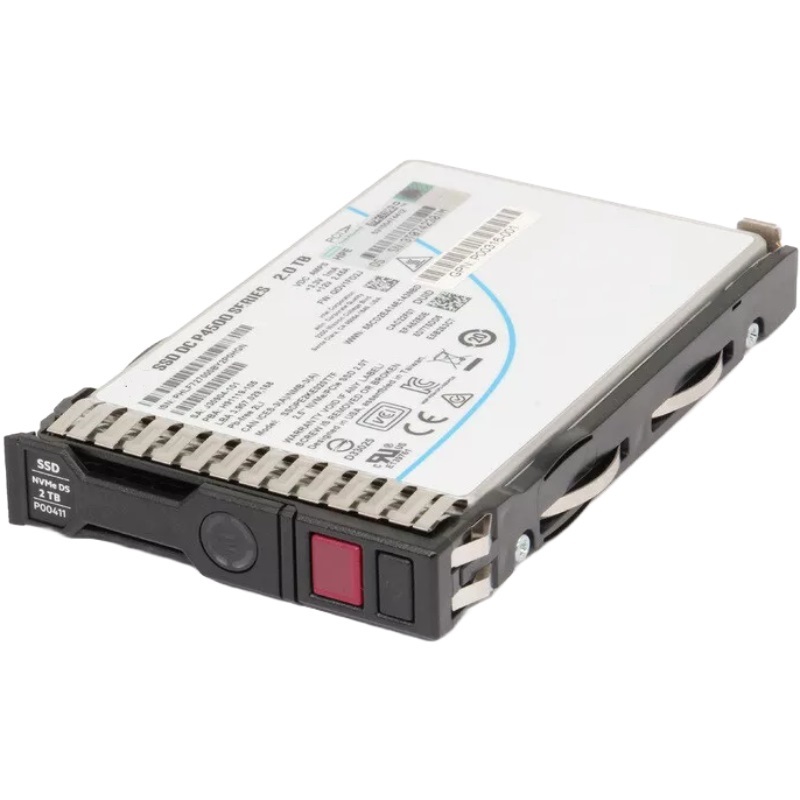


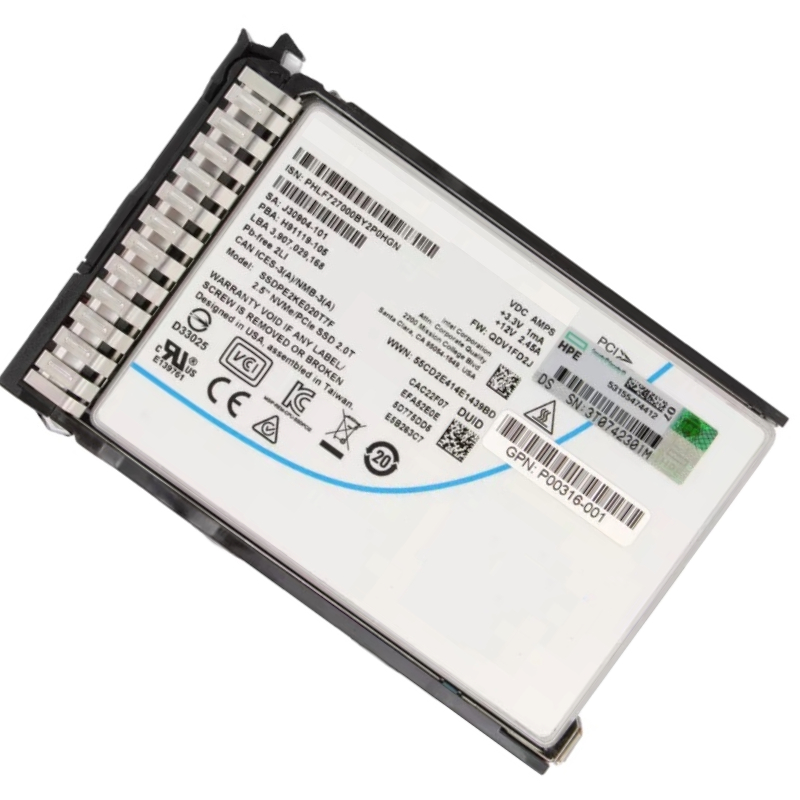
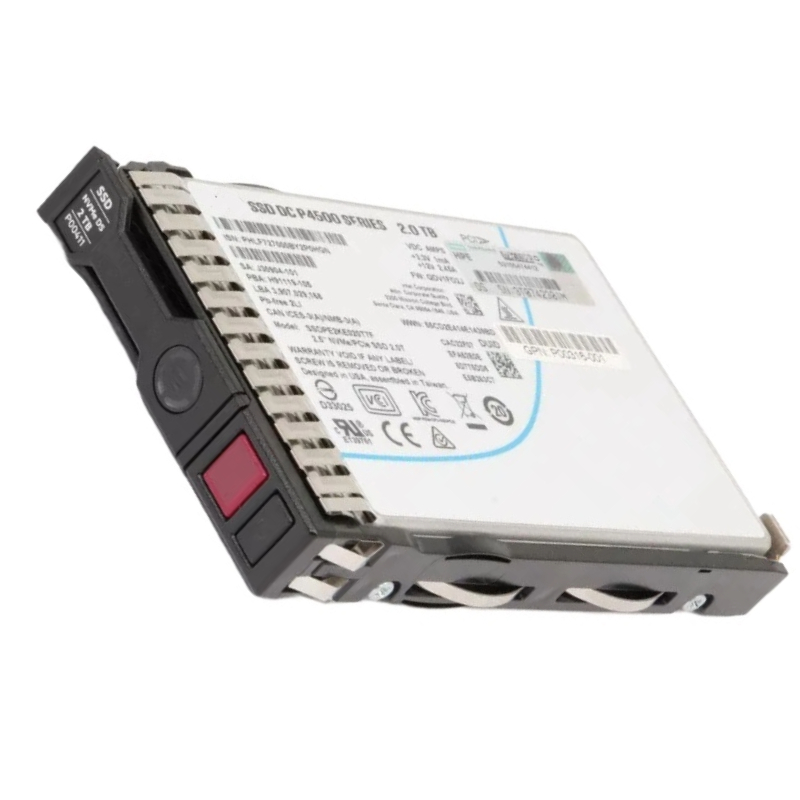
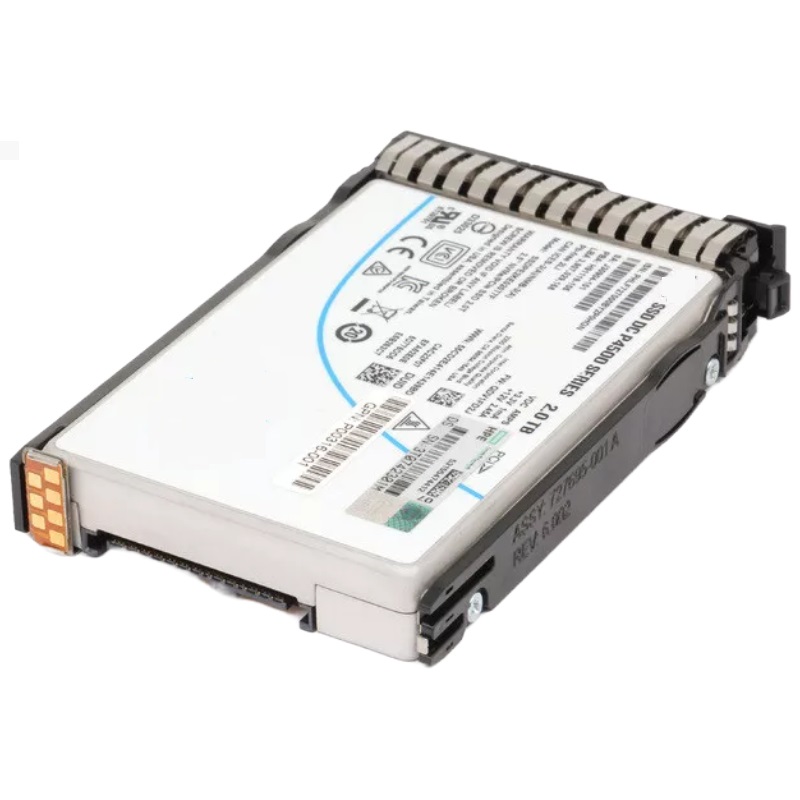
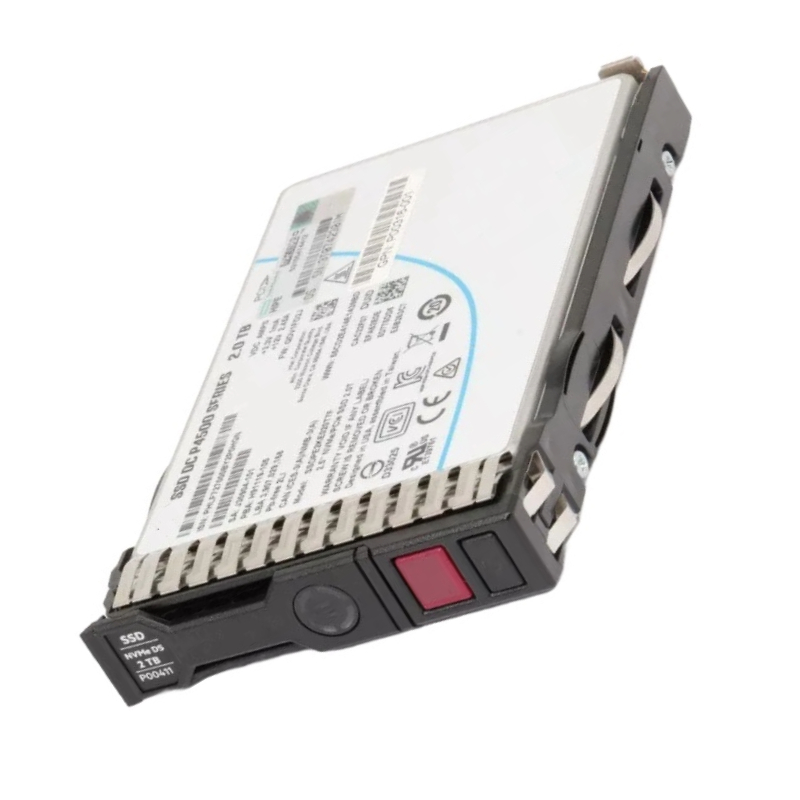
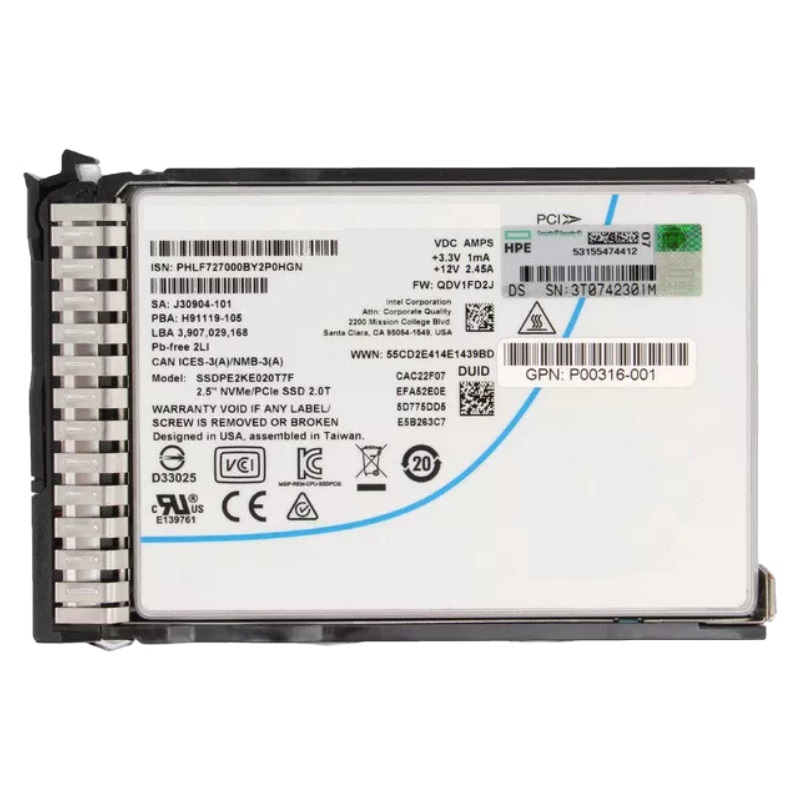
HPE P45631-001 2TB PCI-E 3.0 X4 NVMe Digitally Signed Firmware SFF Internal Hot Swap SSD. Factory-Sealed New in Original Box (FSB) With 3 Years Warranty
HPE P45631-001 2TB PCI-E 3.0 x4 NVMe Digitally Signed Firmware SFF Internal Hot Swap SSD represents a high-performance enterprise storage category designed specifically for modern data centers, hyperconverged infrastructures, and mission-critical server deployments. This category centers on small form factor (SFF) NVMe drives that deliver the low latency and high throughput expected from NVMe protocols while adding enterprise features such as digitally signed firmware, hot-swap capability, and vendor-backed compatibility with HPE server platforms. Buyers searching for reliable, secure, and dense primary storage for compute nodes, database servers, and virtualization hosts will find this category tailored to production use, with particular emphasis on manageability, integrity, and predictable behavior at scale.
Enterprise NVMe SFF internal hot-swap SSDs like the HPE P45631-001 are characterized by a consistent set of attributes: PCI-E 3.0 x4 interface for full NVMe bandwidth on legacy PCIe lanes, 2TB capacity as a common mid-to-high tier offering, digitally signed firmware to prevent unauthorized modifications, and a small form factor that fits existing server hot-swap bays. These drives are engineered to provide a balance of performance and endurance suitable for read-intensive and mixed-workload scenarios where latency, predictability, and data integrity are critical. The inclusion of digital firmware signing is a standout security feature that prevents tampering and ensures firmware authenticity across fleet updates.
NVMe over PCI-E 3.0 x4 unlocks multiple lanes of low-latency I/O compared with legacy SATA or SAS interfaces. Drives in this category leverage the NVMe command set to reduce protocol overhead, enabling higher IOPS per watt and more efficient parallelism with modern CPUs. For applications such as OLTP databases, virtualization, container orchestration, and real-time analytics, the responsiveness of NVMe SFF drives significantly shortens query response times and improves VM density per host. Performance benefits are realized not only in raw throughput but in lower and more consistent tail latencies, which are essential for SLA-driven workloads.
Digitally signed firmware is a critical differentiator for enterprise SSDs. This category emphasizes drives that include cryptographic verification of firmware packages, ensuring that only authenticated firmware can be installed or executed. Such a safeguard reduces risk from supply-chain attacks, rogue firmware updates, or malware that attempts to alter storage behavior. Data center operators and security teams prioritize digitally signed firmware because it simplifies compliance auditing and strengthens an organization’s security posture by providing verifiable firmware provenance for each SSD in the fleet.
Small form factor design and hot-swap capability are hallmarks of this category. The P45631-001 SFF designation ensures compatibility with 2.5-inch server bays and contemporary drive carriers used in HPE ProLiant and similar systems. Hot-swap support means drives can be replaced, upgraded, or removed without powering down the server, enabling higher availability and simplified maintenance workflows. In practice, this reduces downtime for firmware upgrades or capacity expansions and aligns with modern operations practices where rolling maintenance and continuous uptime are required.
Products in the HPE P45631-001 category are typically validated against specific server models and firmware stacks by the vendor. This validation reduces integration risk for enterprises purchasing at scale because drives are tested for mechanical fit, thermal behavior, and firmware interoperability with server management tools such as HPE Integrated Lights Out (iLO) and HPE SmartArray controllers when applicable. Vendor integration also often includes driver and firmware bundles, deployment scripts, and documented procedures for lifecycle management at the rack or cluster level.
NVMe SFF internal hot-swap SSDs with digitally signed firmware fit a broad range of enterprise workloads. Primary use cases include database servers (both SQL and NoSQL), virtual desktop infrastructure (VDI), high-performance computing (HPC) metadata and scratch spaces, and caching or tiering layers in hybrid storage architectures. The P45631-001 2TB capacity point balances cost against usable capacity for many application footprints, making it a popular choice for boot, caching, and primary data volumes within dense server nodes. Additionally, containerized environments and microservices benefit from the performance consistency and density these drives enable, especially where storage I/O is a bottleneck for throughput or latency.
Typical deployment patterns for this category include clustered database nodes using fast local storage for transaction logs and active data sets, hyperconverged infrastructure (HCI) where NVMe drives serve as the fast tier for distributed storage fabrics, and scale-out application servers where localized low-latency SSDs reduce network I/O and improve overall application responsiveness. In many architectures these drives are paired with larger, higher-capacity drives for archival tiers, creating a multi-tier storage strategy that optimizes cost and performance.
From an operational perspective, selecting SSDs in this category should involve considerations of endurance, write amplification under the intended workload, thermal design in the server chassis, and firmware update strategy. Drives with digitally signed firmware may require vendor-approved update packages and processes; ensuring those processes are integrated into change management is important to avoid unintended service impacts. Capacity planning should account for overprovisioning requirements and potential performance degradation as drives approach full capacity, and administrators should validate the compatibility of drive carriers and sleds to maintain proper airflow and cooling.
Reliability and endurance metrics are central to enterprise SSD purchasing decisions. While specific endurance ratings (such as DWPD or TBW) vary by model and NAND type, drives in this category are typically engineered to meet enterprise class endurance targets suitable for read-intensive to mixed workloads. Buyers should request manufacturer specifications for workload ratings and warranty terms; HPE-validated drives tend to come with enterprise warranties and access to vendor support channels for replacement and RMA services. The presence of digitally signed firmware further enhances long-term reliability by providing controlled, auditable firmware update mechanisms.
Choosing the 2TB capacity within this category should follow a capacity planning exercise that evaluates performance per TB, expected growth rates, and workload I/O patterns. Because NVMe delivers strong performance at smaller queue depths, capacity choices often trade off between maximizing per-drive usable storage and maintaining sufficient spare area for sustained performance and longevity. Architects commonly combine multiple 2TB drives in RAID or software-defined erasure configurations to achieve target performance and redundancy levels while balancing per-drive endurance limitations.
Thermal management is important for high-performance NVMe SSDs installed in dense server arrays. The P45631-001 SFF hot-swap design must coexist with chassis fans, drive carrier thermal pads, and airflow baffles to ensure drives run within recommended temperature ranges. Excessive heat can accelerate NAND wear and increase error rates; therefore, it is critical to plan rack airflow and to monitor drive operating temperatures with telemetry tools. Power efficiency is another consideration—NVMe drives can consume more power under heavy sustained workloads compared with passive SATA devices, but the performance per watt is usually superior when measured against IOPS or latency delivered.
Security features in this SSD category extend beyond digitally signed firmware. Many enterprise SSDs offer support for hardware-accelerated encryption, secure erase functions, and integration with system-level security frameworks. For regulated industries—financial services, healthcare, government—having drives with signed firmware and robust security features simplifies compliance with data protection standards and internal policies. Additionally, auditable firmware provenance assists organizations during security assessments and incident investigations by providing traceability for a drive’s firmware lifecycle.


 Contact Us
 Information
 Catalog
 Solid State Drives (SSD)
 Network Switches
 Hard Disk Drives
 HBA & Controllers
 PC & Servers
 PC & Server Memory
 CPU & Processors
 Network Routers
 Power Supplies
 Tape Drives & Libraries
 Network Devices
 Computer & Network Cables