(7% discount is applied at checkout)
Cart is empty
Your go-to destination for cutting-edge server products


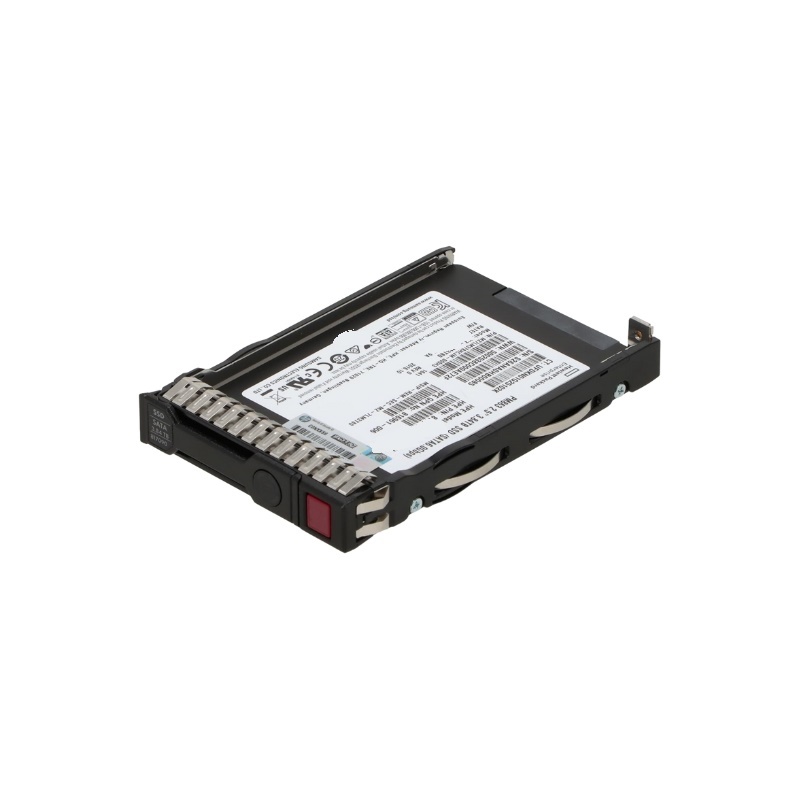
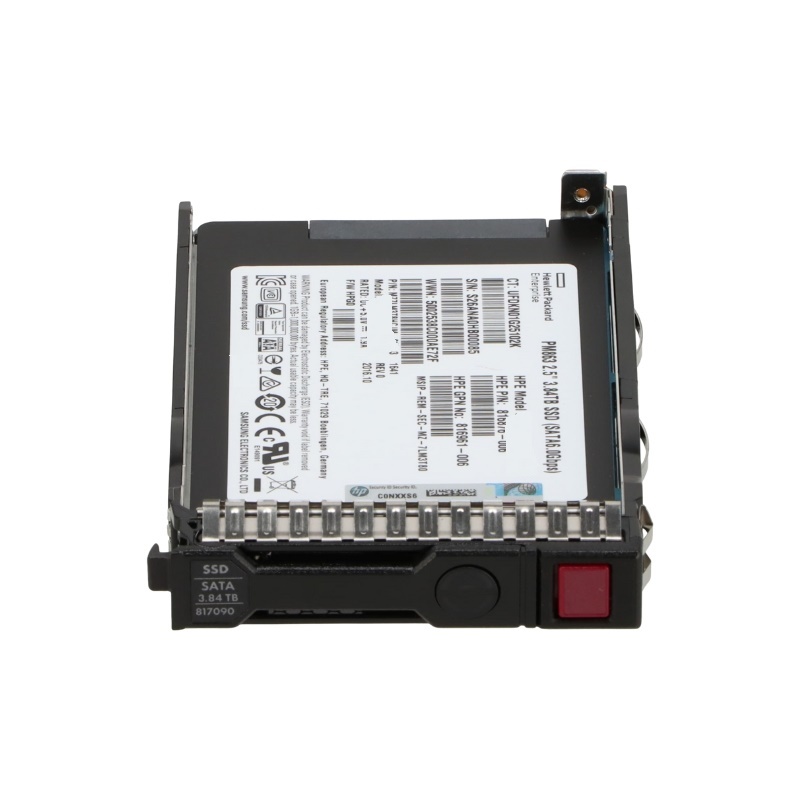
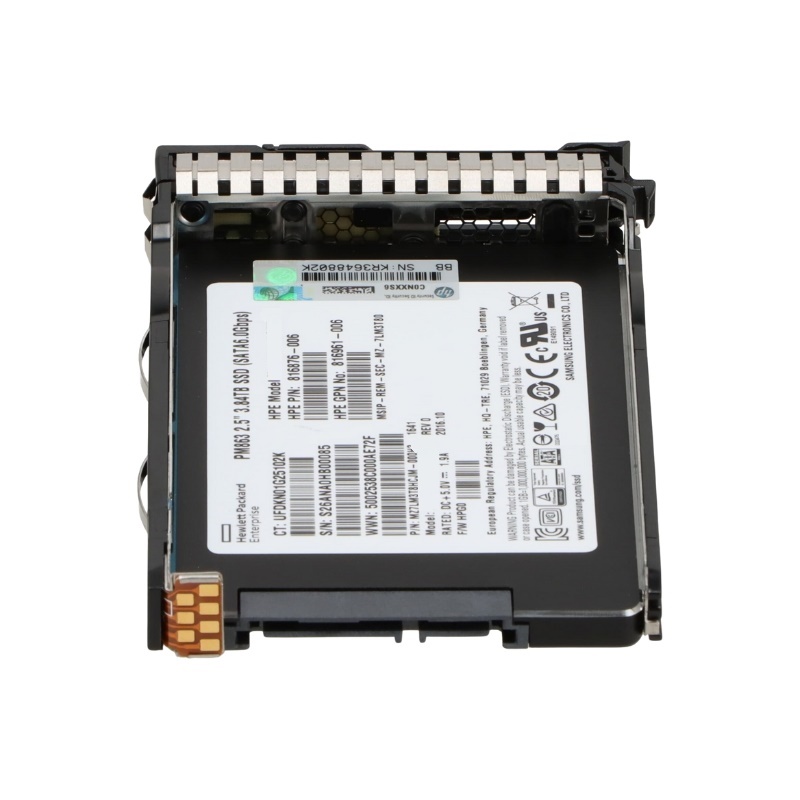
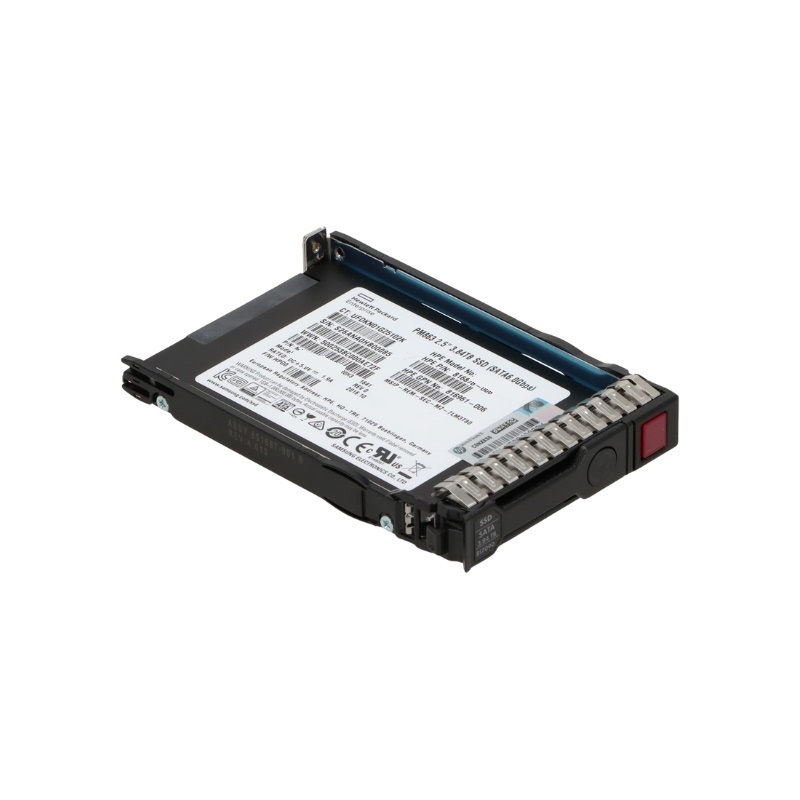
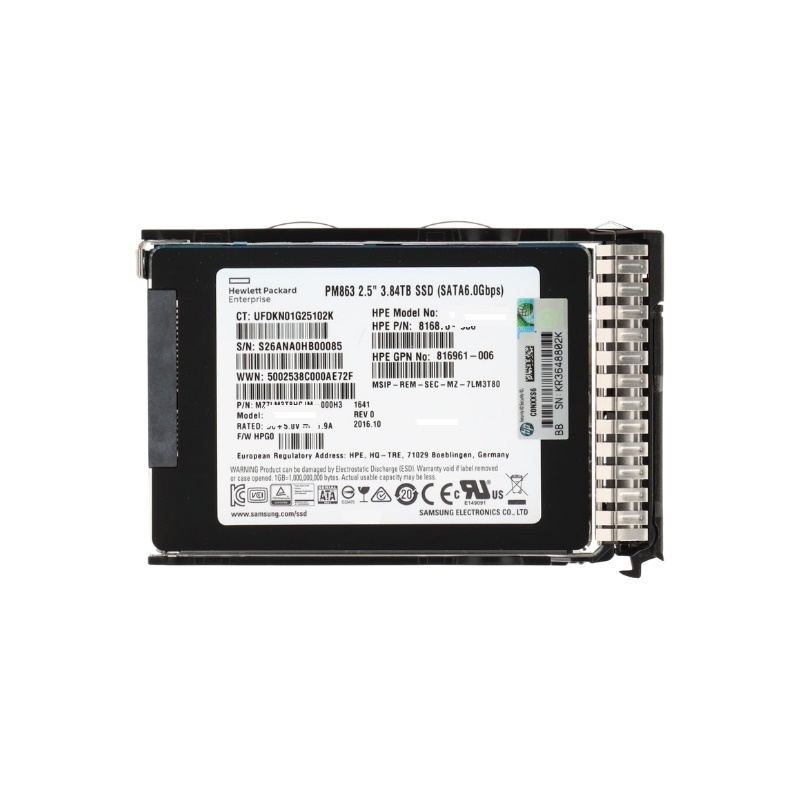
HPE P47492-001 3.84TB SATA 6GBPS SSD SFF Bc S4620 Hot Swap Mixed Use. Excellent Refurbished with 1-Year Replacement Warranty
Discover the HPE P47492-001 3.84TB SATA 6Gbps Solid-State Drive, engineered for mixed-use workloads and hot-swap compatibility. Ideal for data centers and server environments requiring speed, reliability, and scalability.
The category represented by the HPE P47492-001 3.84TB SATA 6Gb/s SSD SFF BC S4620 (Mixed-Use) is a high-capacity enterprise solid-state drive designed for demanding mixed-use workloads in server and data-centre environments. This category spans enterprise 2.5-inch SFF (small form factor) SATA SSDs with a 6 Gb/s interface that support hot-swap drive bays (Basic Carrier, BC) in HPE ProLiant and similar servers. The “Mixed Use” classification means this SSD is optimized for a balanced mix of read and write operations — more intensive than read-heavy drives, but less so than write-intensive flash drives — making it an excellent fit for virtualization, databases, boot volumes, and general business-critical workloads. Information from reliable specifications confirms a device type of solid-state drive, capacity 3.84 TB, interface SATA 6 Gb/s and form factor 2.5″ SFF. :contentReference[oaicite:1]{index=1}
This drive category features a 2.5-inch SFF (Small Form Factor) design making it compatible with typical server hot-swap bays in enterprise chassis. The “Basic Carrier (BC)” designation implies the drive comes mounted in a carrier or tray compatible with HPE server sleds and hot-plug infrastructure. The interface is SATA at 6 Gb/s (commonly described as SATA III or SATA 600), allowing for broad compatibility with legacy and current enterprise systems. According to the product listing for P47492-001, this drive offers a device type of solid-state drive – hot-swap, with a 2.5″ SFF form factor and SATA 6 Gb/s interface. :contentReference[oaicite:2]{index=2}
The 3.84 TB capacity places this SSD at the higher end of enterprise SATA SSD offerings in the mixed-use segment, enabling storage administrators to consolidate more data and reduce drive count within server racks. The mixed-use workload classification means the drive is engineered for environments where there is a significant amount of both read and write activity, such as virtualized server instances, general database applications, caching layers, and boot or application volumes. Unlike read-intensive or archive-oriented SSDs, mixed-use drives deliver a balance of endurance and cost efficiency. The S4620 series specification by Solidigm (formerly Intel) confirms mid-endurance SATA drives available up to 3.84 TB for data centre use designed to boost IOPS per TB over legacy HDDs. :contentReference[oaicite:4]{index=4}
The performance profile of this category typically achieves high sequential read and write speeds relative to spinning-media drives, though constrained by the SATA 6 Gb/s interface. For example, the underlying S4620 series offers sequential rates up to approximately 550 MB/s read and 510 MB/s write in some capacities. :contentReference[oaicite:5]{index=5} While the exact numbers for the P47492-001 may vary, the typical profile applies: enterprise-class latencies, high random I/O capabilities, and durability metrics (such as endurance and MTBF) that support mission-critical operation. The mixed-use class balances endurance (i.e., drive writes over lifetime) and cost, making this SSD appropriate for data-centre workloads that demand performance but not the ultra-high endurance of write-intensive flash or NVMe drives. According to the listing, the P47492-001 is marketed as offering reliable and efficient storage for read- and write-intensive workloads with an external transfer rate of 600 MB/s (which may refer to sequential throughput) and is compatible with Gen10 Plus and Gen11 HPE servers. :contentReference[oaicite:6]{index=6}
One of the defining features of this category is its strong alignment with HPE ProLiant server ecosystems. The P47492-001 listing explicitly cites compatibility with HPE Gen10 Plus and Gen11 servers including DL and ML series. :contentReference[oaicite:7]{index=7} The Basic Carrier form factor allows the SSD to be hot-swapped in typical server drive bays without powering down systems, enabling high availability and maintenance flexibility. The SATA interface ensures broad compatibility with a wide range of enterprise platforms, including older chassis that may not yet support NVMe, thereby providing a migration path or performance upgrade without wholesale infrastructure change. Furthermore, the listing identifies the P47492-001 as an HPE spare part number and emphasizes genuine HPE serial numbers and firmware, which reinforces its enterprise-ready nature and compatibility assurance. :contentReference[oaicite:8]{index=8}
In practical deployment, this category of SSD is suited for environments requiring increased performance over traditional HDDs, but where the cost or interface constraints of NVMe may not be justified. For example, boot volumes, mix-workload virtual machines, file services, general databases, caching layers, and enterprise servers that need capacity and reliability combined. The 3.84 TB capacity means a single drive can host substantial amounts of data and reduce total drive count, simplifying management and lowering power/cooling overhead compared with many smaller drives. The SATA 6Gb/s interface ensures compatibility and predictable performance under enterprise loads, while the hot-swap Basic Carrier design ensures availability and serviceability in rack servers. Because this category is tailored to “mixed use” rather than extreme write-intensive operations, it offers a balance of endurance, cost, and performance that is ideal for many business-critical applications that are not purely write saturated but still demanding. In short, this SSD category addresses the “sweet spot” in enterprise storage: high capacity, reliable performance, broad compatibility, and moderate endurance suitable for mixed workloads.
The primary benefits of this category reflect cost-effectiveness, compatibility, and performance uplift vs spinning media. By adopting a 3.84 TB mixed-use SATA SSD in 2.5″ SFF with Basic Carrier, organizations can reduce the number of drives in a server chassis, lower power consumption, minimise cooling requirements and simplify management. The hot-swap carrier means that drives can be serviced without system downtime, a key factor for enterprise availability. Moreover, the SATA 6Gb/s interface allows the SSD to fit seamlessly into existing enterprise server bays, controllers and RAID configurations without requiring newer NVMe infrastructures, thus protecting prior investments. Since the underlying NAND technology (for example the S4620 series) uses modern 3D TLC NAND, the endurance and reliability have substantially improved relative to older SATA SSDs and HDDs, meaning the mixed-use class is now more robust and sustainable for enterprise use. Finally, the high capacity combined with solid performance (IOPS, sequential throughput, latency) means administrators can consolidate workloads onto fewer drives, freeing rack space and simplifying data centre architecture.
When selecting an SSD from this category, such as the P47492-001, there are several considerations to keep in mind. Interface bandwidth: although SATA 6Gb/s is broadly compatible and cost-effective, it is slower than NVMe or SAS 12/24 Gb/s solutions, so sequential speeds and peak I/O will be lower. If workloads are extremely write-intensive (for example heavy logging or analytics), a higher endurance or NVMe solution may be more appropriate. Endurance and workload classification: the “mixed-use” label indicates moderate endurance relative to write-intensive SSDs, so confirm the drive’s TBW (terabytes written) or DWPD (drive writes per day) rating and ensure it aligns with your workload profile. Additionally, form factor and carrier compatibility must match your server chassis: 2.5″ SFF Basic Carrier drive bays are common in HPE ProLiant servers, but you should verify slot and tray compatibility, as well as firmware and raid controller support. Finally, although this category addresses cost-effective enterprise SSDs, the premium enterprise branding and capacity mean cost per TB may still be higher than consumer or mainstream SATA SSDs; however, the reliability, warranty, firmware support, and verified server compatibility make the category worthwhile in enterprise deployments.
While this category delivers substantial benefits today, it also plays a role in future-proofing enterprise storage infrastructure. The 3.84 TB capacity meets growing data demands, enabling headroom for increased workload density or consolidation. Although the SATA interface is not the fastest possible, it remains ubiquitous and ensures compatibility with many current and legacy server designs — a key advantage when upgrading without revamping the whole infrastructure. For organisations planning incremental upgrades, this category represents a solid stepping stone: move from HDD to enterprise mixed-use SSD, preserve drive bays and carriers, and maintain hot-swap capability and server integration. Later on, when NVMe or SAS upgrades become warranted, the environment is already storage-optimized and mature. Selecting a drive like the P47492-001 therefore aligns with a multi-phase storage strategy: immediate performance and reliability gains, with compatibility and capacity to cover medium-term future workloads.
In summary, the category of enterprise 2.5″ SFF Basic Carrier SATA SSDs designated for mixed-use workloads (such as the P47492-001) combines high capacity, broad compatibility, serviceability, and a balance of performance and endurance. These drives serve as an excellent choice for virtualised servers, database volumes, general file services, boot volumes and mixed workload enterprise environments. Their form factor and interface ensure smooth integration into existing HPE server fleets, and their endurance and reliability make them suitable for business-critical deployments. The cost per TB is optimized relative to higher-end NVMe or write-intensive flash solutions, making this category both performance and cost-efficient. For organisations wanting to improve infrastructure performance without full-scale redesign, this category offers a compelling upgrade path and a strong long-term investment in server storage architecture.


 Contact Us
 Information
 Catalog
 Solid State Drives (SSD)
 Network Switches
 Hard Disk Drives
 HBA & Controllers
 PC & Servers
 PC & Server Memory
 CPU & Processors
 Network Routers
 Power Supplies
 Tape Drives & Libraries
 Network Devices
 Computer & Network Cables