(7% discount is applied at checkout)
Cart is empty
Your go-to destination for cutting-edge server products
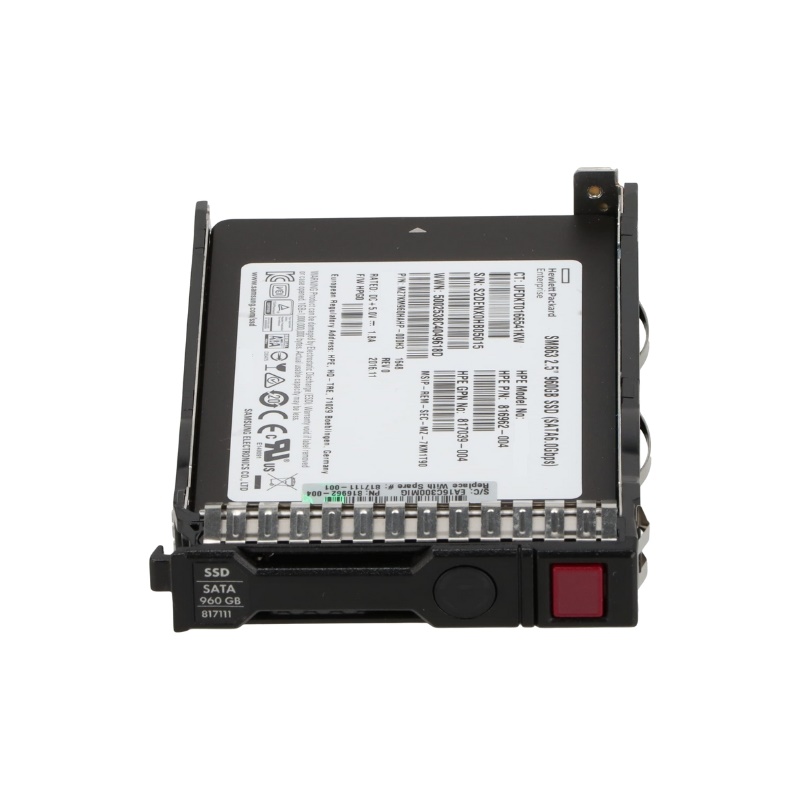


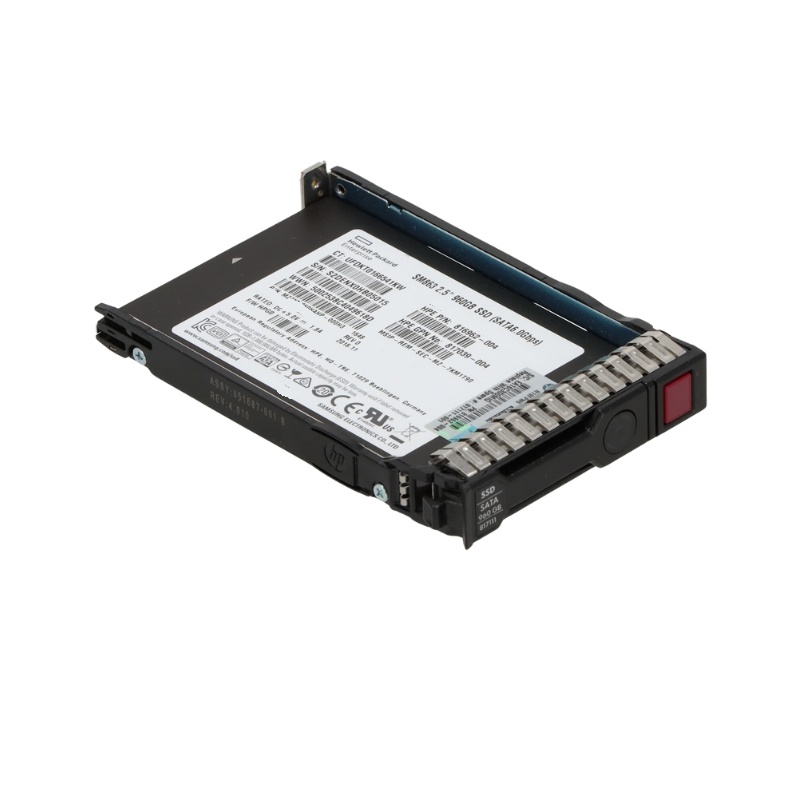
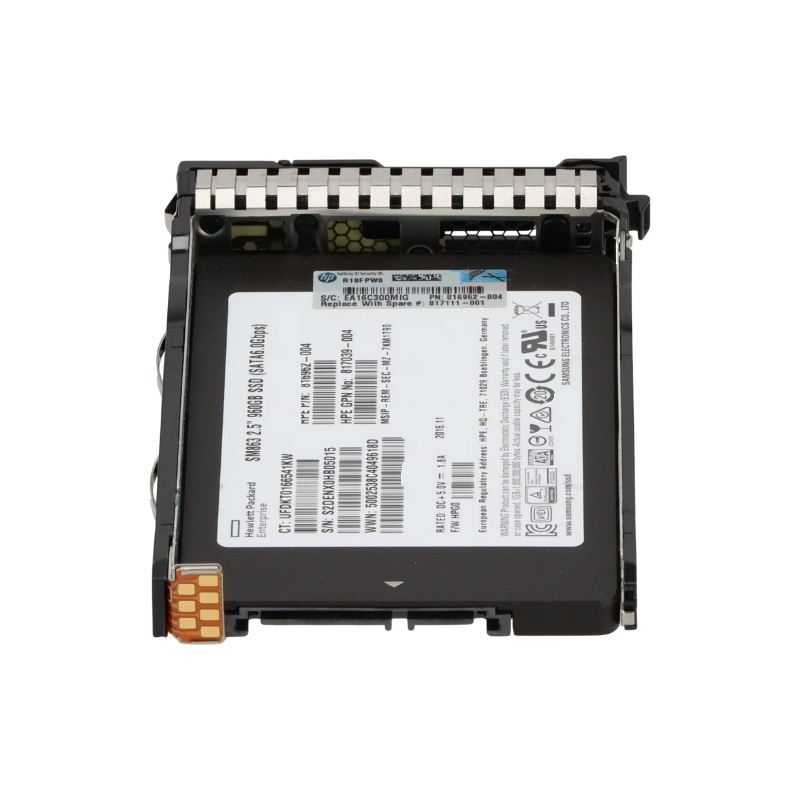
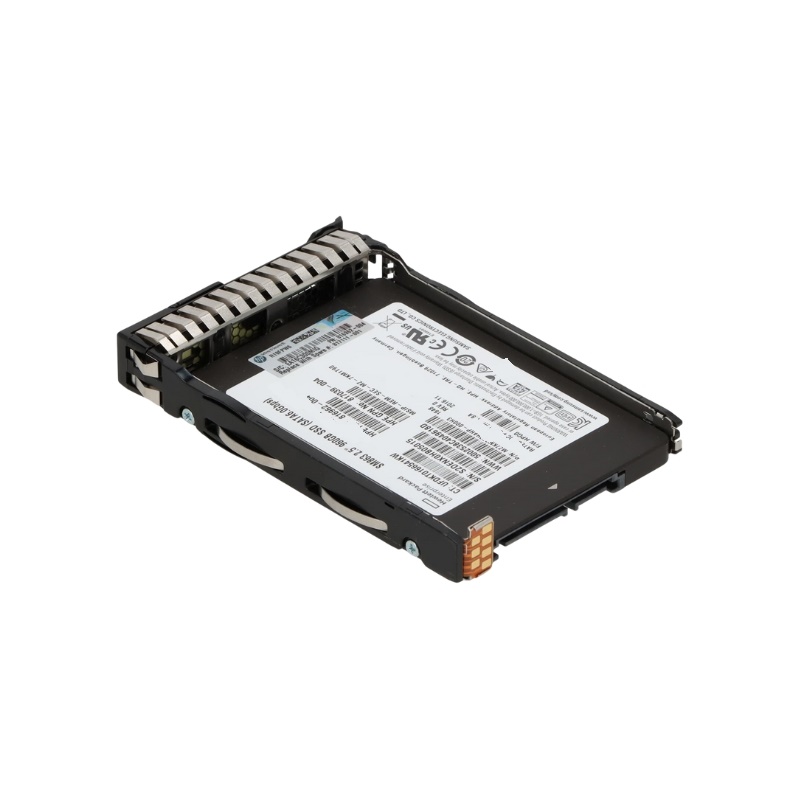
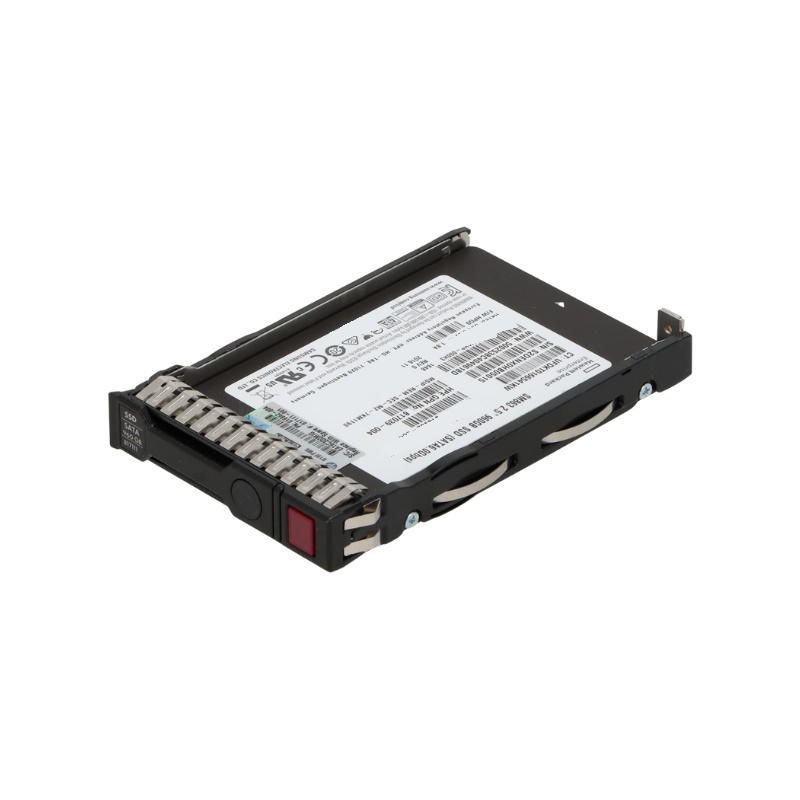
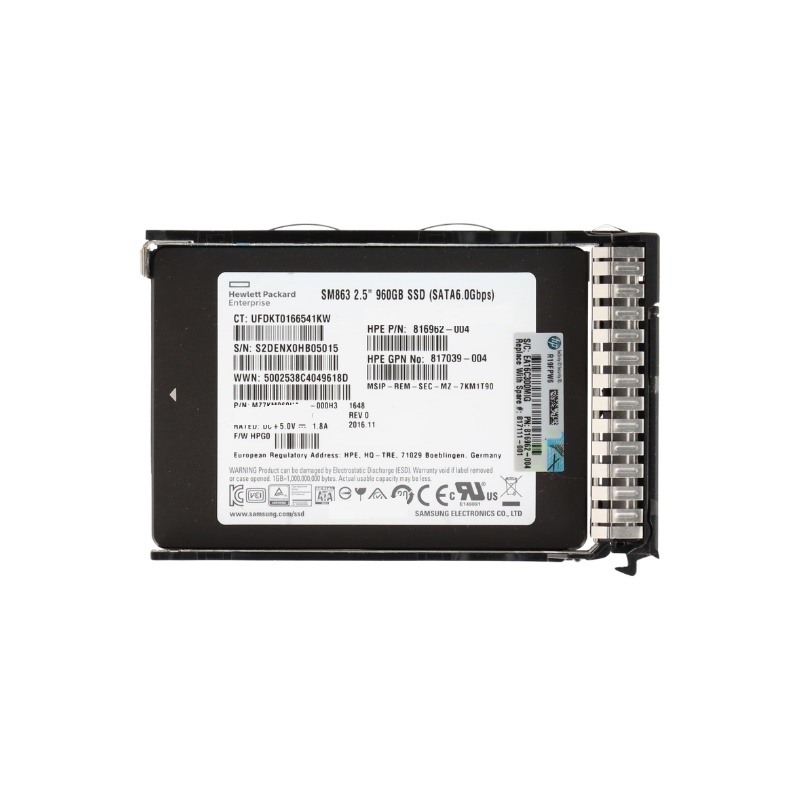
HPE P47808-B21 960GB SSD SATA 6GBPS Read Intensive LFF LPC. Factory-Sealed New in Original Box (FSB) with 3 Years Warranty
The HPE P47808-B21 960GB SSD SATA 6GBPS Read Intensive LFF LPC is engineered for enterprise environments that demand consistent, low-latency read performance at scale. Built as a Large Form Factor (LFF) 3.5-inch hot-swap drive with a SATA 6 Gb/s interface, this drive targets read-intensive workloads found in web serving, content delivery, metadata stores, caching layers and other applications where high read IOPS and predictable response times are the priority. The product is offered as a multi-vendor, digitally signed firmware SSD and typically ships with HPE warranty support that aligns with enterprise procurement expectations.
The P47808-B21 is specified to operate over a 6 Gb/s SATA interface and delivers strong random read performance, with published peak random read IOPS figures and sequential throughput that make it an excellent match for index, lookup and cache workloads. Typical enterprise figures reported for this family include maximum random read numbers in the tens of thousands of IOPS and random write capability sufficient to support background writes, metadata updates and moderate write bursts. Drive endurance and DWPD (drive writes per day) are tuned for read-heavy duty cycles, giving procurement teams a predictable endurance model to plan with. These characteristics allow system architects to place the drive in read-centric tiers of a hybrid storage strategy, while relying on faster, higher-endurance NVMe layers for write-intensive hot data.
With a nominal capacity of 960GB, the P47808-B21 provides enough usable flash to support substantial working sets while keeping unit cost and rack-space requirements reasonable. The 960GB capacity is attractive for applications such as database read replicas, large-scale caching appliances and content serving nodes where a moderately large footprint of read-optimized flash yields real-world latency reductions and bandwidth improvements compared with spinning media. In mixed infrastructure stacks the drive often sits behind caching layers or in RAID sets where higher read throughput and lower latency translate directly into improved application responsiveness and reduced CPU wait times.
Published vendor figures for this SSD class show maximum random read IOPS values that support thousands of concurrent small-block read requests, and sequential throughput numbers that are sufficient for streaming or bulk read tasks. In practical terms this means faster page serving, reduced database query latency for read-heavy queries, and improved responsiveness for analytics engines that perform repeated read scans. When integrated into well-designed storage pools or RAID configurations, the P47808-B21 can help reduce I/O contention and enable predictable latency under moderate concurrency. When planning deployments, engineers should align RAID stripe sizes, controller cache settings and OS-level queue tuning to the drive’s strengths—optimizing for small random reads and avoiding configurations that would disproportionately stress write endurance.
The LFF (Large Form Factor) 3.5-inch package with Low Profile Converter (LPC) design makes the P47808-B21 compatible with server bays that expect 3.5" carriers while internally using denser SSD module technology. This allows data center operators to adopt solid state media while maintaining physical compatibility with chassis designed for larger drives. For procurement and installation, this reduces mechanical retrofit work and enables quicker rollouts: the drive behaves like a standard hot-plug 3.5" unit to the server backplane but delivers SSD-level performance. When planning upgrades, verify sled and caddy compatibility with your ProLiant or compatible server generation and confirm the server firmware is current for digitally signed SSD firmware recognition where applicable.
System administrators integrating P47808-B21 drives should take a holistic approach to configuration. Update server firmware and RAID controller drivers to the latest approved revisions to ensure optimal drive negotiation and error handling. Configure OS-level IO schedulers and mount options to favor low-latency read operations and to avoid unnecessary write amplification. When used in RAID arrays, choose RAID levels and stripe sizes that balance rebuild time, fault tolerance and read performance; remember that read-intensive drives can accelerate rebuild reads but the rebuild process itself should be monitored to avoid temporary performance degradation. Finally, include these drives in your monitoring and telemetry for SMART attributes and endurance reporting so that capacity planning and replacement cycles can be automated or scheduled in advance.
Reliability is a core consideration for enterprise SSDs and the P47808-B21 is supplied with digitally signed firmware and HPE’s approach to firmware validation for ProLiant systems. Digitally signed firmware reduces the risk of unauthorized or unvalidated firmware being installed on drives and helps maintain a consistent, supported software and firmware stack across the fleet. HPE and authorized resellers typically offer a warranty (commonly three years for drives in this family), and replacement support that aligns with enterprise SLAs. For long-term operations, combine vendor warranty coverage with proactive SMART monitoring and periodic firmware reviews to maintain security and performance posture.
Enterprises should adopt best practices for firmware lifecycle management with SSDs: only apply firmware updates signed by the vendor, validate updates in a staging environment, and coordinate updates with change control windows. Digitally signed firmware on HPE-branded or HPE-qualified SSDs helps streamline this process by ensuring firmware authenticity. In regulated environments consider additional policies for cryptographic verification of updates and maintaining an auditable trail of firmware change events. If encryption or self-encrypting drive (SED) capabilities are required, verify the specific SKU and firmware options as some multi-vendor SSD lines offer optional SED variants or separate part numbers for encrypted drives.
Modern data centers commonly use tiered storage architectures where data is placed across media types to match cost with performance requirements. The P47808-B21 is a natural fit for a read-optimized tier layered above high-capacity HDD tiers and below extreme-performance NVMe tiers. In such a hybrid architecture, frequently accessed read datasets and caching indexes reside on read-intensive SSDs, while archival and cold data remain on high-density spinning media. This tiering approach reduces overall cost while significantly improving read latency and throughput for the portion of data that matters most to application performance. Intelligent data placement software, automated tiering policies and monitoring are recommended to maximize value from this configuration.
Because the P47808-B21 is read-optimized, endurance metrics (such as DWPD) are lower than high-endurance write-focused SSDs. That is intentional and suitable for its target workload profile. When designing storage pools, factor this into capacity and spare pool calculations: ensure spares are available for rapid replacement, balance rebuild impact across nodes to prevent hot spots, and plan NDAs and warranty coverage to coincide with expected lifecycle milestones. Maintaining an inventory of compatible spare drives and automating replacement procedures helps minimize human error and speeds recovery from drive failures.


 Contact Us
 Information
 Catalog
 Solid State Drives (SSD)
 Network Switches
 Hard Disk Drives
 HBA & Controllers
 PC & Servers
 PC & Server Memory
 CPU & Processors
 Network Routers
 Power Supplies
 Tape Drives & Libraries
 Network Devices
 Computer & Network Cables