(7% discount is applied at checkout)
Cart is empty
Your go-to destination for cutting-edge server products
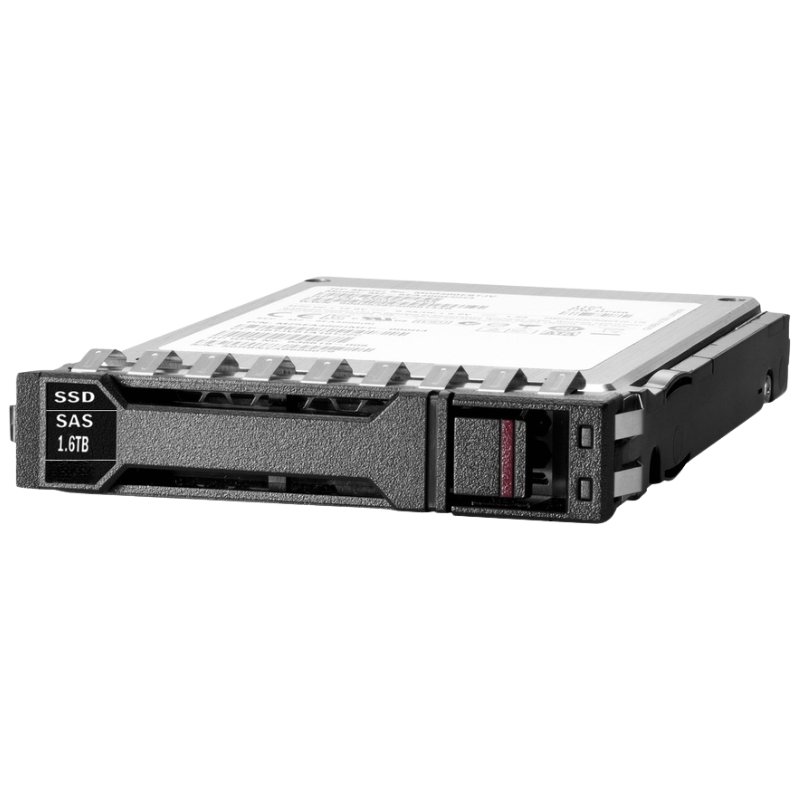


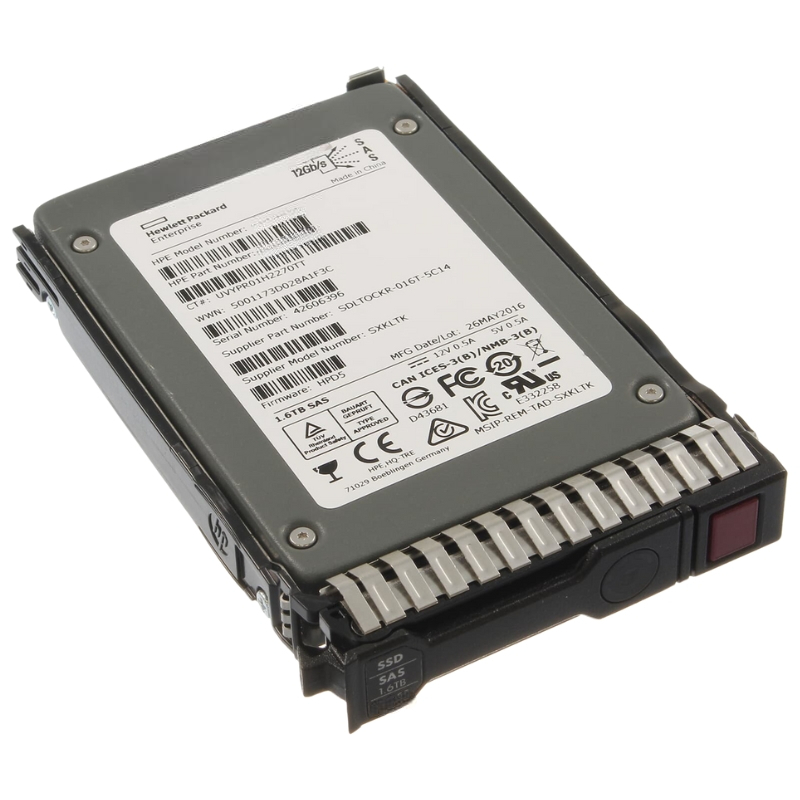
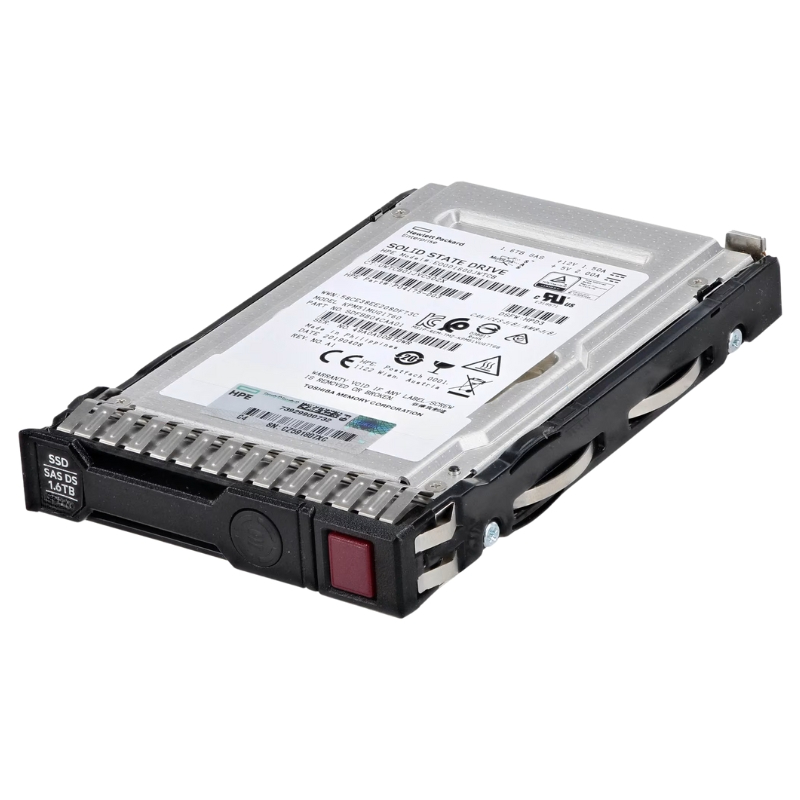
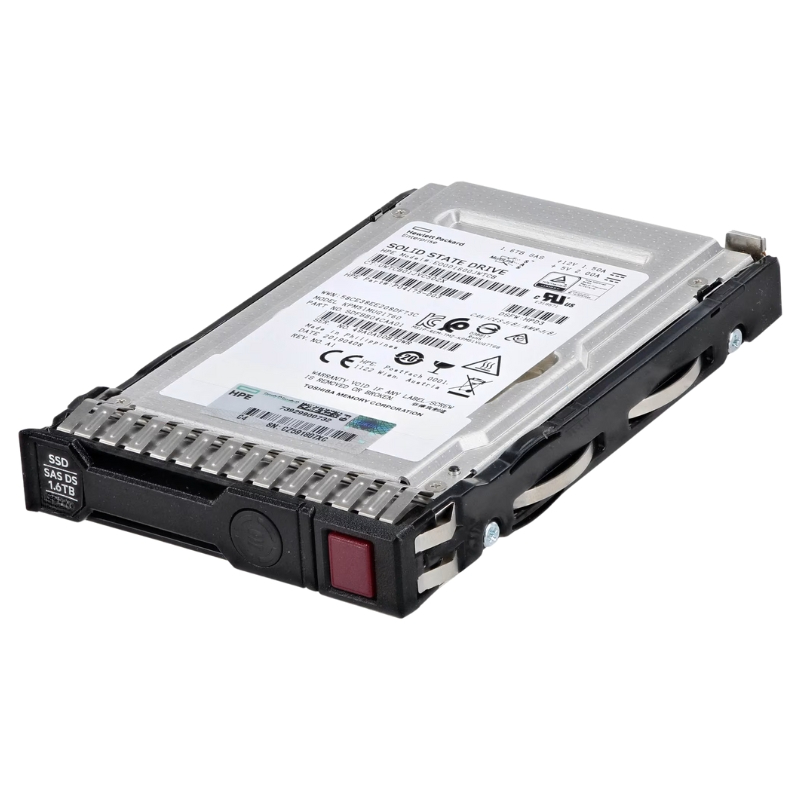
HPE P49031-X21 1.92TB DS SAS-24GBPS SFF Read Intensive G10+ SSD. Factory-Sealed New in Original Box (FSB) with 3 Years Warranty
The HPE P49031-X21 1.92TB DS SAS-24GBPS SFF Read Intensive G10+ SSD represents a high-performance, enterprise-grade solid state drive engineered for read-heavy data center workloads. Designed to fit HPE ProLiant and HPE storage systems that support the DS (Data Storage) form factor, this model emphasizes low latency, high IOPS, and reliable sustained read throughput while balancing endurance and cost. This category description covers the drive’s technical traits, deployment scenarios, performance expectations, compatibility considerations, best-practice installation and monitoring tips, procurement and lifecycle guidance, and frequently asked questions — all written to help e-commerce category pages convert with informative, search-optimized content.
The P49031-X21 relies on the Serial Attached SCSI (SAS) interface at 24Gbps (SAS-4) enabling dual-port access, which allows enterprise servers and storage controllers to communicate with the drive through multiple paths for redundancy and multipath I/O. SAS provides predictable performance under heavy multi-threaded loads and better error recovery features than consumer SATA interfaces. The dual-port SAS design is particularly beneficial in SAN environments or server-direct-attached RAID backplanes where path failover is essential.
Internally this SSD is built around an enterprise-grade SSD controller tuned for read-intensive workloads. The controller implements advanced wear-leveling algorithms, multi-plane NAND operations, and strong error correction (ECC) to extend device reliability. Firmware for read-intensive drives is optimized to improve read caching, background garbage collection scheduling, and to reduce write amplification — delivering a balance between capacity and endurance ideal for large-scale read-dominant applications.
As a 2.5” SFF drive, the drive supports high-density server and array configurations. Typical enterprise SSDs in this class are optimized for efficient thermal dissipation inside hot-swap drive bays and may include thermal throttling thresholds to prevent overheating under sustained heavy loads. Power consumption in idle and active states is lower than equivalent HDDs and many legacy enterprise SSDs — an important consideration for dense racks and power-sensitive deployments.
The P49031-X21 excels in read IOPS (Input/Output Operations Per Second), delivering consistent low-latency responses for random and sequential read patterns. In typical enterprise benchmarks the drive demonstrates significant improvements over rotational media for 4K random reads and sustained large-block sequential reads, making it ideal for database index lookups, analytics queries, and virtualization boot/storage acceleration.
Sustained throughput (MB/s) for sequential workloads is high, and Quality of Service (QoS) mechanisms in enterprise controllers help maintain predictable delivery under mixed I/O. This is critical for environments that require consistent response times — e.g., OLTP databases, metadata servers, and caching tiers in distributed storage systems.
Being a read-intensive designation, the drive’s endurance rating (expressed in Drive Writes Per Day or TBW) is tuned toward providing a long reliable life for read-dominant workloads. While TBW is lower than mixed-use or write-intensive SSDs, expected lifecycle aligns with the use cases it targets — read-heavy applications with periodic writes such as log shipping, content delivery systems, and analytics. For write-heavy environments, consider mixed-use or write-intensive alternatives within the HPE SSD portfolio.
Database read acceleration: Use the P49031-X21 for index and read cache layers to accelerate OLAP and OLTP read queries.
Virtual desktop infrastructure (VDI): Accelerate boot storms and read-heavy VDI workloads with low-latency disk activity.
Content delivery and caching: Ideal as a caching tier to deliver frequently accessed content faster than spinning disks.
Metadata and search indexing: High random read IOPS make this drive suitable for metadata stores, search indexing nodes, and catalog databases.
Hybrid arrays: Deploy as read-tier drives in hybrid HDD/SSD arrays to improve overall application responsiveness.
This drive is validated for HPE Gen10+ server and storage families that support DS — ensuring firmware compatibility, drive health reporting via HPE iLO or storage management consoles, and compatibility with HPE RAID controllers. When planning deployments, confirm the target chassis and controller firmware revisions to avoid incompatibilities that can affect drive visibility or performance.
Compatibility should be checked against HPE published Interoperability Matrices. Common platforms for which the P49031-X21 is intended include HPE ProLiant DL and ML series servers with SAS backplanes and select HPE storage arrays that accept SFF DS drives. Always verify part numbers (SPNs) and firmware bundles for specific systems before purchase.
Supported OS and hypervisors typically include mainstream enterprise operating systems (RHEL, SLES, Windows Server) and virtualization layers (VMware ESXi, Microsoft Hyper-V, KVM). Ensure your OS/device driver stack supports SAS-4 speeds and multipath drivers to fully utilize the drive’s dual-port SAS capability.
For RAID deployments, pair read-intensive SSDs with appropriate RAID levels (RAID 1/10/5/6 depending on performance vs. redundancy needs) and use controllers that support SSD-friendly RAID features like global hot spares and SSD-aware rebuild optimizations. While read-intensive SSDs are reliable for read-dominant workloads, consider RAID parity write amplification effects when using RAID 5/6 in write-heavy configurations.
Many HPE SSD SKUs offer self-encrypting drive (SED) capabilities compliant with TCG standards. Hardware encryption offloads encryption tasks from the host and protects data-at-rest without impacting performance. When security is critical, deploy SED variants and integrate with enterprise key management systems to lock drives and ensure data remains protected in case of physical theft.
Secure erase functions supported by enterprise SSDs and HPE management tools allow cryptographic erasure or secure erase operations that comply with organizational data sanitization policies. Use certified procedures and tools when retiring drives or repurposing hardware to avoid data leakage.


 Contact Us
 Information
 Catalog
 Solid State Drives (SSD)
 Network Switches
 Hard Disk Drives
 HBA & Controllers
 PC & Servers
 PC & Server Memory
 CPU & Processors
 Network Routers
 Power Supplies
 Tape Drives & Libraries
 Network Devices
 Computer & Network Cables