(7% discount is applied at checkout)
Cart is empty
Your go-to destination for cutting-edge server products
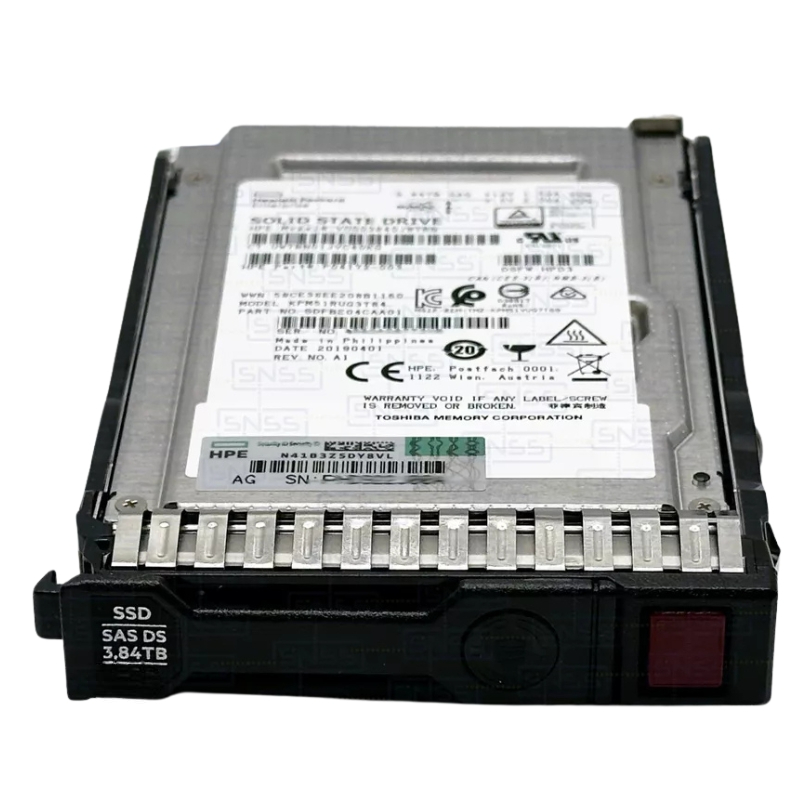


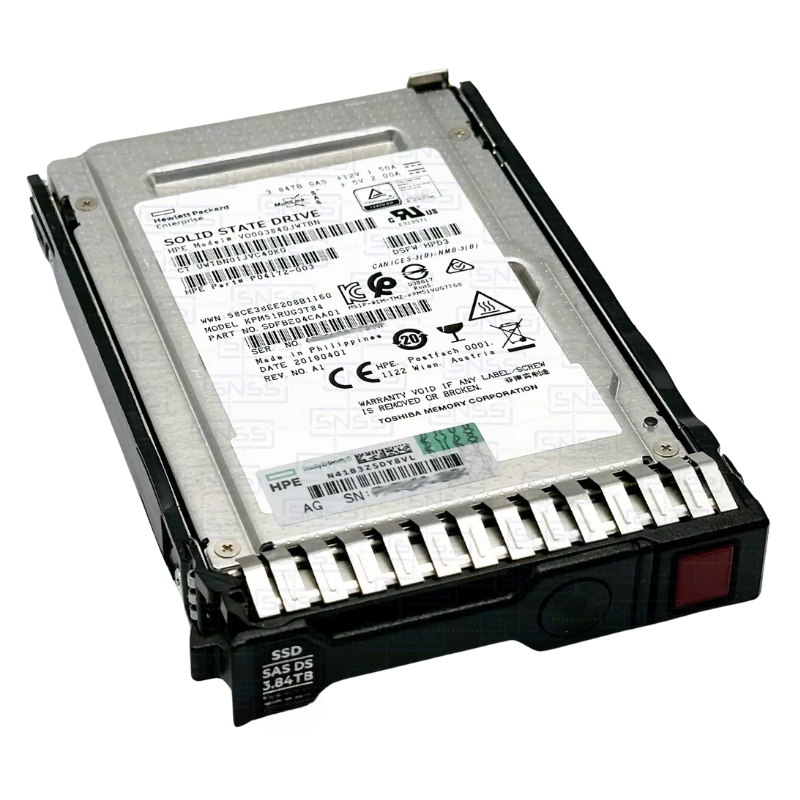
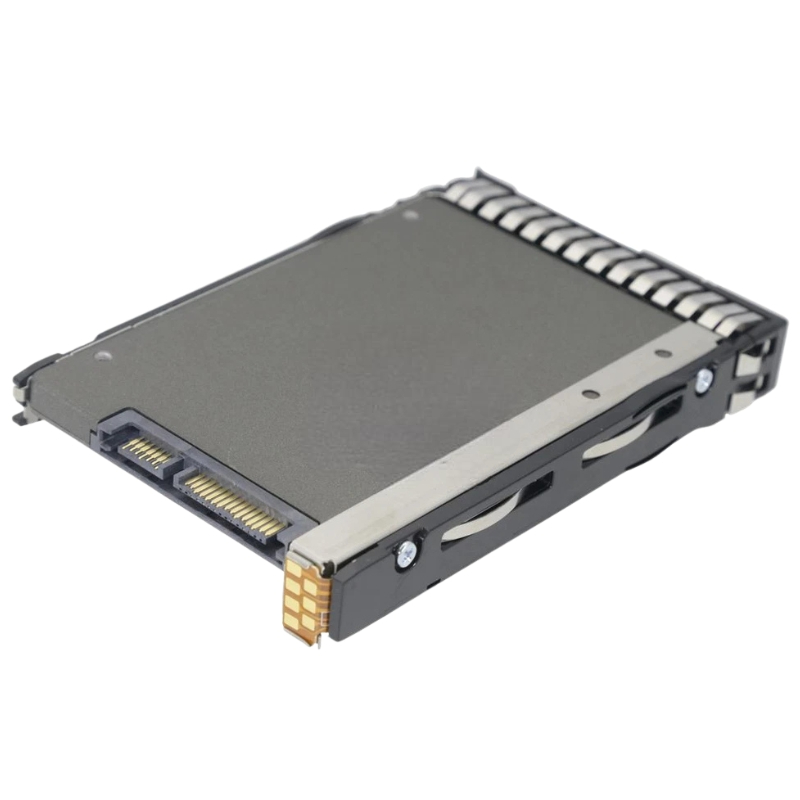
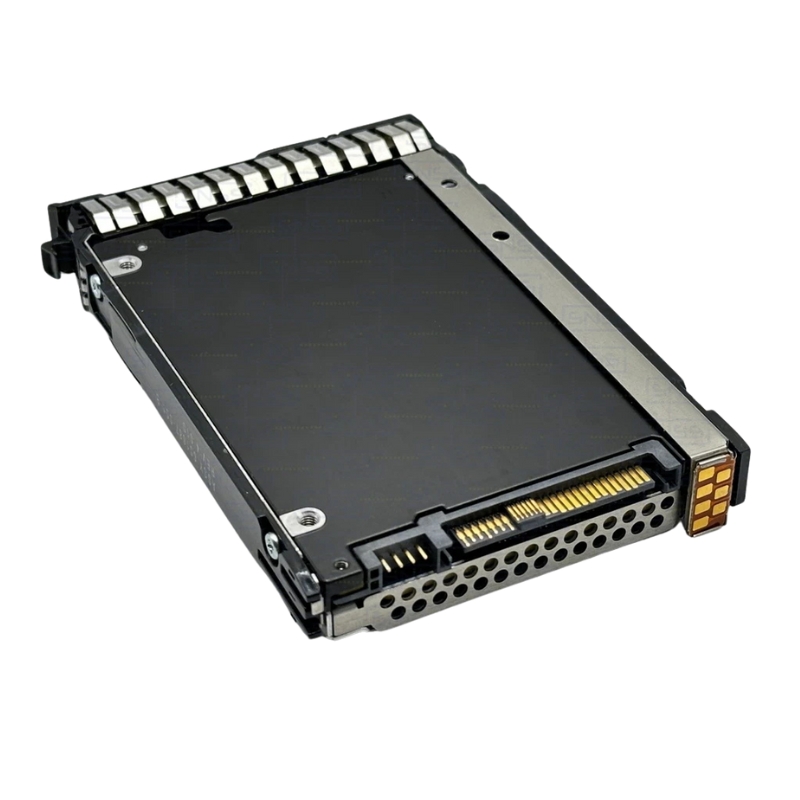
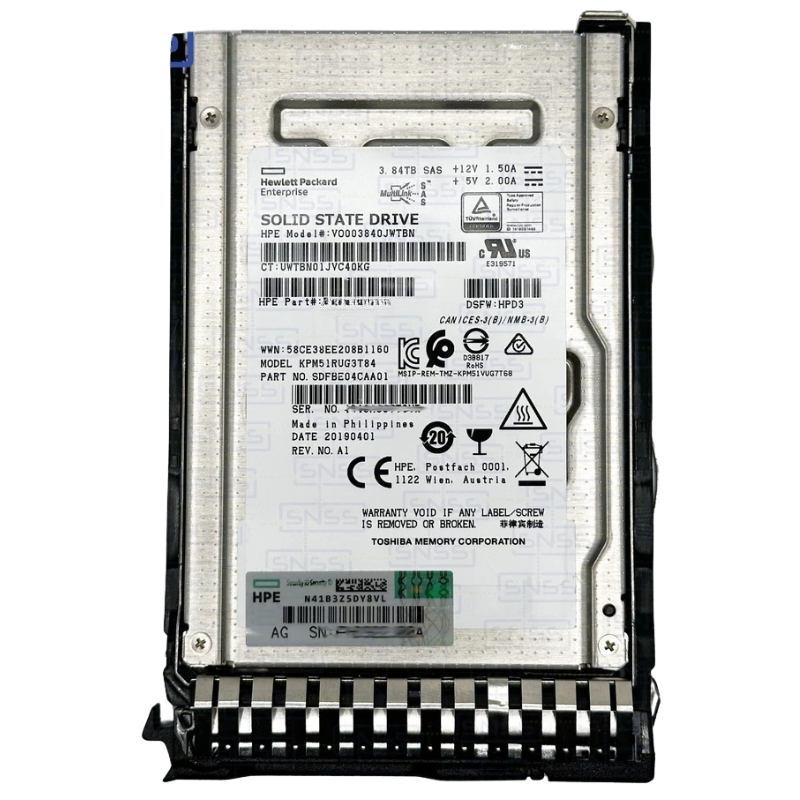
HPE P49035-B21 3.84 TB SAS 24GBPS SSD Read Intensive, Small Form Factor. Factory-Sealed New in Original Box (FSB) with 3 Years Warranty.
The HPE 3.84TB SAS 24G Read Intensive Solid State Drive is engineered for enterprise-grade performance, reliability, and scalability. Designed for Gen10 Plus servers, this SSD delivers exceptional speed, endurance, and efficiency for data-intensive workloads.
The HPE P49035-B21 3.84 TB SAS 24Gbps Read Intensive Small Form Factor (SFF) SSD sits squarely in the enterprise read-optimized storage category, engineered for data center workloads where high sustained read throughput, consistent latency, and strong endurance characteristics for read-heavy applications matter most. This category addresses IT teams, storage architects, and procurement managers looking for a dependable mid-capacity SSD optimized for heavy read operations in servers, storage arrays, hyperconverged infrastructure (HCI), and mission-critical read-dominant databases.
The SFF (2.5") profile balances density and cooling efficiency, making the drives ideal for rack-mounted servers and storage enclosures. The compact footprint supports high drive counts per chassis while allowing cooling channels and airflow to remain predictable—critical for enterprise deployments.
Using the SAS (Serial Attached SCSI) 24Gb/s interface, this drive provides reliable multipath connectivity, enterprise-class error handling, and compatibility with server and storage systems designed for SAS—delivering robust performance and integration advantages over SATA in many enterprise environments.
Performance for the HPE P49035-B21 class typically emphasizes read IOPS, sustained sequential read throughput, and stable latency under mixed but read-dominant loads. Key performance characteristics to highlight:
Read-intensive SSDs are tuned for high random and sequential read throughput. Expect optimized firmware behavior that favors read caching, prioritizes read readahead and scheduling, and offers predictable latency for front-line application access.
For enterprise deployments, consistent tail latency (e.g., 99.9th percentile) is as crucial as median throughput. Drives in this category are validated for sustained predictable response times under the target workload profiles to meet SLAs for interactive and analytic applications.
A 3.84 TB capacity is a mid-to-large offering for many read-dominant deployments, allowing consolidation of frequently accessed datasets onto fewer drives. While endurance metrics (TBW or DWPD) are tuned lower than write-intensive enterprise SSDs, read-intensive drives still provide adequate write endurance for system volumes, cache workloads, and workloads with lower write amplification.
Endurance for read-intensive SSDs is expressed to match expected write patterns in their class. The drive firmware and flash selection are engineered to deliver multi-year service life under enterprise read-dominant conditions, making them a cost-efficient long-term choice when prioritized for read throughput.
The SAS interface supports broad compatibility with enterprise-class HPE servers, third-party servers, and storage arrays that accept 2.5" SAS drives. Multipath and hot-swap support are standard for SAS-enabled backplanes, enabling non-disruptive replacements and redundancy configurations.
HPE drives are typically delivered with tested firmware versions and are accompanied by HPE's compatibility matrices and support advisories. This ensures that firmware behavior aligns with platform expectations (for example RAID controller interactions, drive-carrier mappings, and managed firmware updates via vendor tools).
Choosing this class of SSD means balancing performance, capacity, cost, and endurance for targeted workloads. Key design considerations include RAID/RAID-like configurations, tiering strategies, and cache vs. capacity allocation:
Read-optimized SSDs are excellent candidates for read cache tiers or hot tiers in multi-tier storage designs. They can sit above high-capacity HDD tiers, offering quick access to frequently-read datasets while reducing overall latency for database and analytics servers.
When configuring RAID arrays, consider RAID level tradeoffs: RAID 10 offers superior performance and rebuilt speed but reduces usable capacity; RAID 6/RAID 5 increases usable capacity at the expense of rebuild complexity. The SAS interface and enterprise drive reliability work well with modern RAID controllers that offer background reconstruction and prioritization for protecting read-dominant datasets.
Maintaining hot-spares or a spare drive pool for rapid replacement improves availability. Since read-optimized SSDs often rebuild faster than HDDs, rebuild windows are shorter but still warrant careful planning to minimize exposure during failures.
To extract maximum value from the HPE P49035-B21 class, follow operational guidelines focused on monitoring, firmware management, and workload alignment:
Leverage S.M.A.R.T. counters, drive health telemetry, and vendor management tools to track metrics such as reallocated sectors, wear-leveling percentages, erase counts, and drive temperature. Integrating telemetry into centralized monitoring and alerting enables proactive replacement scheduling.
Proper chassis airflow and thermal throttling thresholds are important for consistent SSD performance. Overheating can trigger throttling which impacts latency and throughput; ensure drive bays and backplanes maintain recommended operating temperatures.
Security features and compliance considerations are an increasing priority for enterprise SSD adoption. This category addresses data protection through drive-level capabilities and integration into broader security policies:
Where required by policy, use drives with built-in encryption (self-encrypting drive, SED) or host-side encryption. Confirm support for secure-erase primitives and verification methods aligned with regulatory compliance requirements such as data sanitization standards.
Ensure storage management tools preserve logs of firmware updates, sanitization operations, and ownership changes to support audit trails for security and compliance reviews.
When evaluating this category, compare against write-optimized SSDs, NVMe offerings, and high-capacity SATA/SAS drives. Each option maps to different priorities:
Write-optimized drives typically have higher DWPD (Drive Writes Per Day) or TBW ratings and use different flash and firmware tuning to support heavy write workloads. For read-dominant applications the HPE P49035-B21 class offers cost-per-GB advantages without unnecessary write endurance capability.
NVMe provides significantly lower protocol overhead and higher bandwidth/IOPS potential. However, SAS 24Gbps SFF SSDs remain relevant where existing SAS infrastructure, multipath requirements, or vendor platform support make SAS the pragmatic choice. NVMe may be preferable where ultra-low latency and maximum parallelism are required and where server and storage fabrics have been updated to NVMe-oF or NVMe direct-attached models.
HDDs still provide better $/GB for cold storage, but SSDs dramatically outperform HDDs for random reads and small I/O operations—essential for OS volumes, boot drives, random-read databases, and caching tiers.
SAS SFF drives are commonly installed in hot-swap carriers and backplanes. Follow chassis procedures for hot-swap operations, ensure the drive carrier is properly seated, and allow the host or RAID controller to recognize the drive and initiate any background initialization procedures.
Storage controller settings, queue depth, cache policies, and scheduler parameters can influence performance. For read-intensive SSDs, optimizing the controller for lower write buffering and enabling features beneficial to read patterns (e.g., read-ahead) will improve user-visible performance.


 Contact Us
 Information
 Catalog
 Solid State Drives (SSD)
 Network Switches
 Hard Disk Drives
 HBA & Controllers
 PC & Servers
 PC & Server Memory
 CPU & Processors
 Network Routers
 Power Supplies
 Tape Drives & Libraries
 Network Devices
 Computer & Network Cables