(7% discount is applied at checkout)
Cart is empty
Your go-to destination for cutting-edge server products
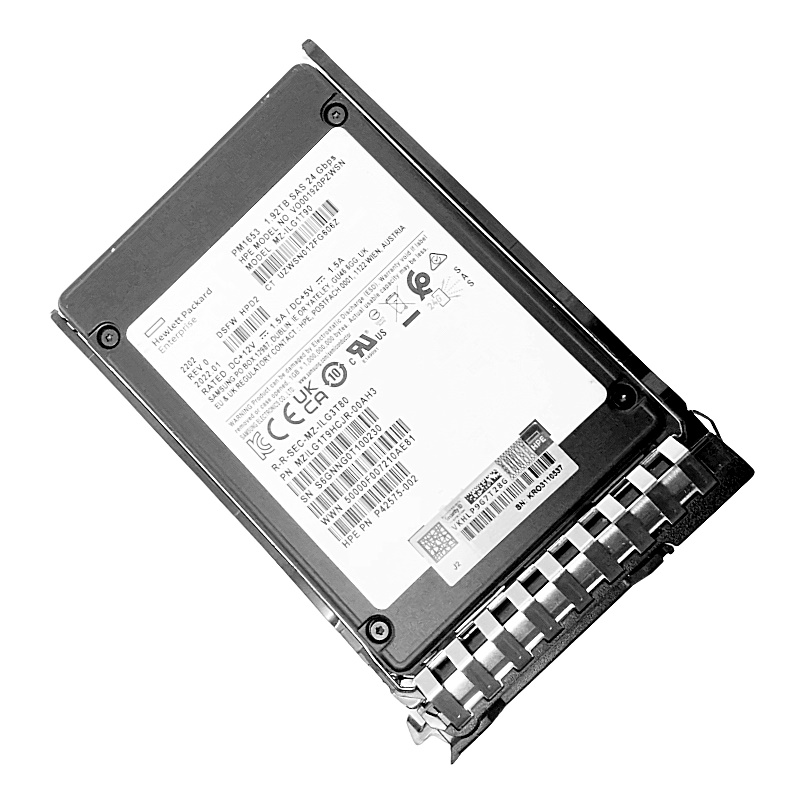


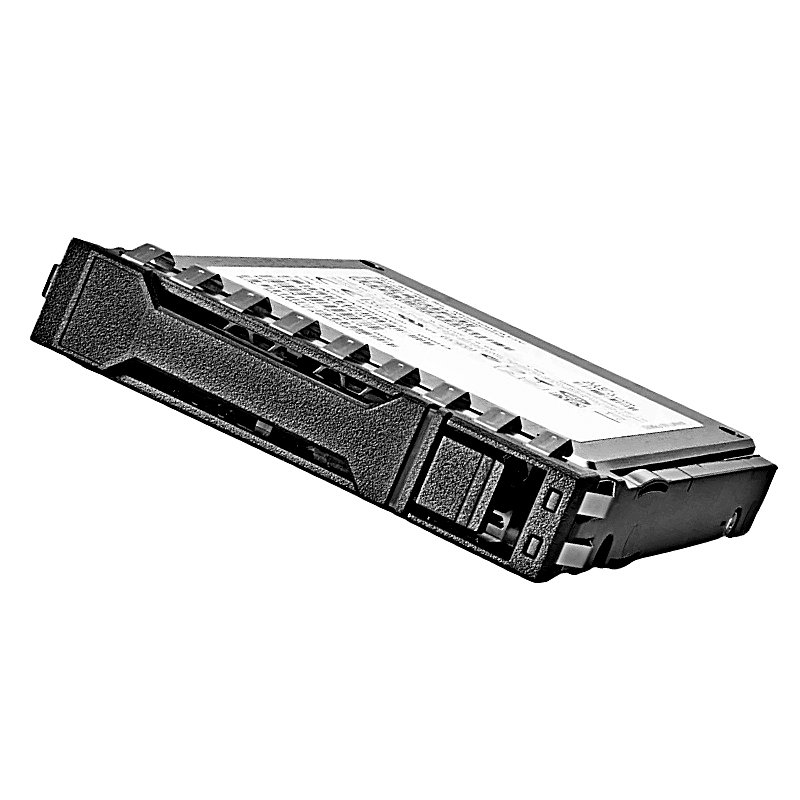
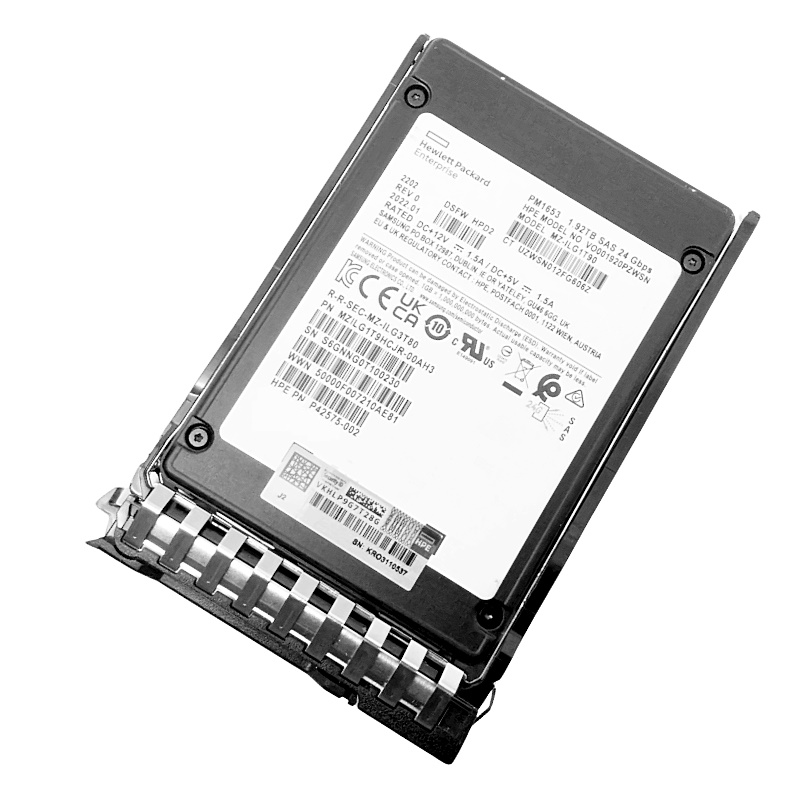
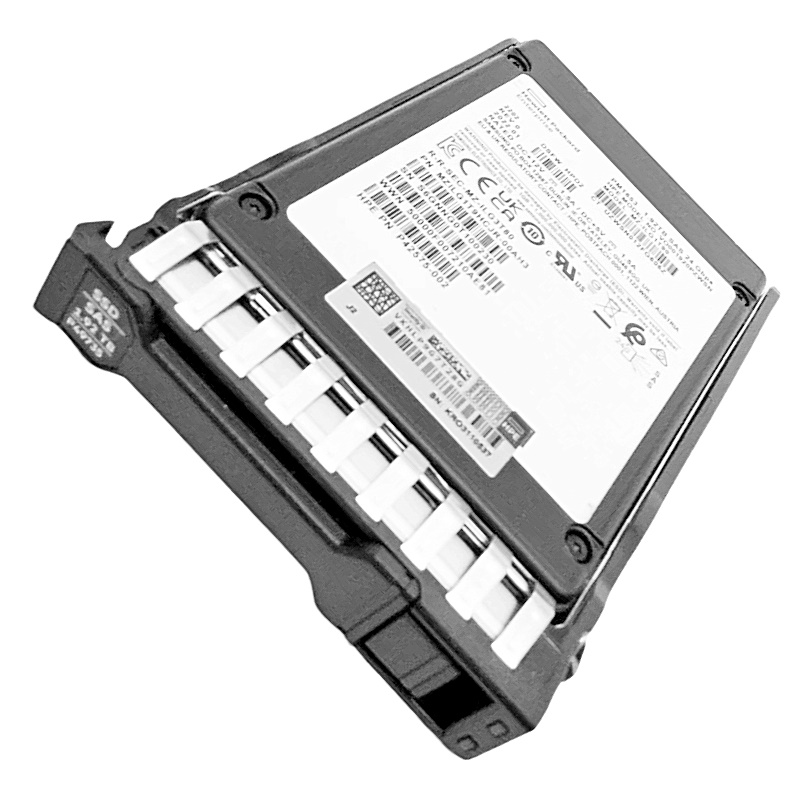
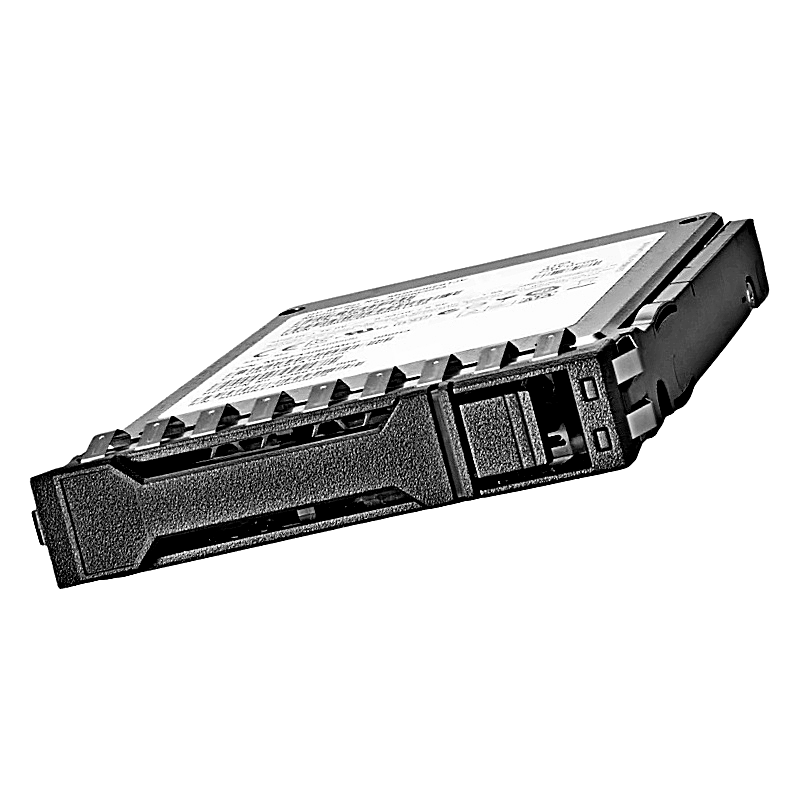
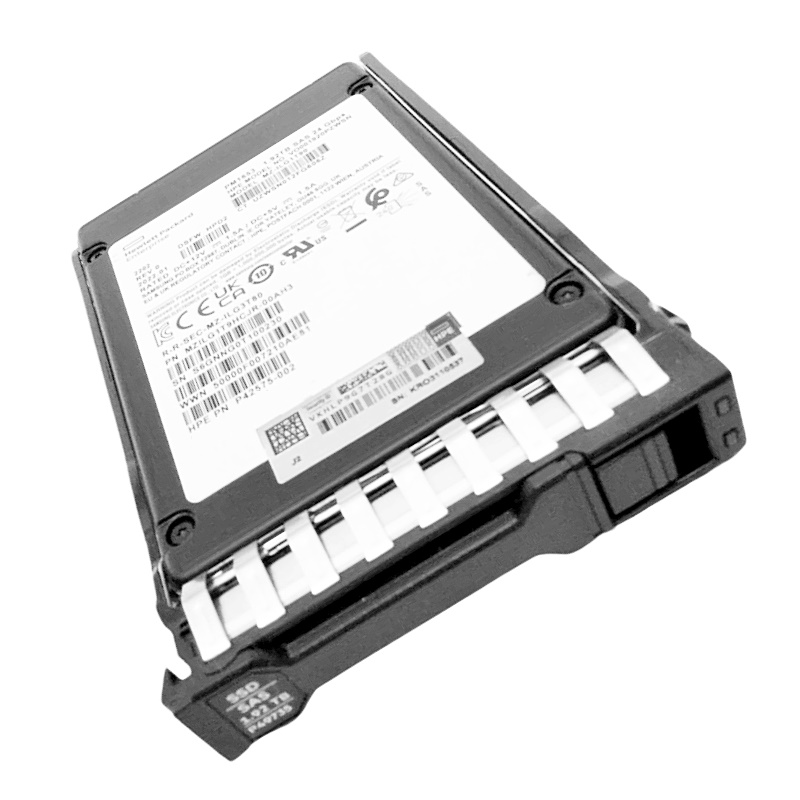
HPE P49291-B21 24 GBPS 1.92 TB SSD SAS Read Intensive Sff SC Hot Plug Digitally Signed Firmware. Factory-Sealed New in Original Box (FSB) with 3 Years Warranty
Product Overview of HPE P49291-B21 1.92TB SAS 24GBPS SSD
The HPE P49291-B21 1.92 TB SAS 24 Gbps Read Intensive 2.5-inch SFF SC Hot-Plug Solid State Drive is engineered for enterprise workloads. Featuring digitally signed firmware and a secure tray, it is optimized for HPE ProLiant Gen10 and Gen10 Plus servers. This high-performance SSD ensures reliability, scalability, and efficiency for data-driven environments.
This SSD is purpose-built for seamless integration with HPE ProLiant Gen10 and Gen10 Plus servers. Its hot-plug capability and Smart Carrier tray ensure quick deployment and simplified maintenance.
The HPE P49291-B21 represents the pinnacle of Serial-Attached SCSI (SAS) solid-state drive technology, specifically engineered for demanding enterprise environments where reliability, performance, and data integrity are non-negotiable. As a 24GBPS SAS drive, it sits at the forefront of the SAS interface evolution, delivering significantly higher throughput compared to previous 12GBPS and 6GBPS generations. This drive embodies HPE's commitment to providing storage solutions that meet the rigorous requirements of modern data centers, cloud infrastructure, and enterprise applications.
SAS technology has long been the preferred choice for enterprise storage due to its superior reliability features, enhanced error recovery capabilities, and full-duplex operation. Unlike consumer-grade SATA interfaces, SAS is designed from the ground up for mission-critical environments where drive failure is not an option. The dual-port capability inherent to SAS architecture provides redundant paths to the storage device, ensuring continuous operation even in the event of a controller failure—a critical feature for high-availability systems.
While NVMe has gained significant attention for its ultra-low latency, SAS remains highly relevant in enterprise environments, particularly for applications requiring consistent performance under heavy workloads, advanced data protection features, and compatibility with existing SAN infrastructure. The HPE P49291-B21 leverages the maturity and robustness of the SAS ecosystem while delivering performance that bridges the gap between traditional SAS and emerging NVMe technologies.
The 1.92TB capacity point represents a strategic balance between storage density, performance characteristics, and endurance. This "sweet spot" capacity is ideal for a wide range of applications from boot drives to primary storage for virtual machines. The Small Form Factor (SFF) 2.5-inch design enables high storage density in server bays, allowing organizations to maximize their storage per rack unit. The hot-plug capability ensures that drives can be replaced or added without system downtime, a crucial feature for maintaining 24/7 operations.
As a Read-Intensive SSD, the P49291-B21 utilizes high-quality TLC (Triple-Level Cell) or similar NAND flash technology optimized for read-dominated workloads. This configuration provides an excellent balance between cost, capacity, and endurance for applications where write operations represent a smaller percentage of total I/O. The drive includes sophisticated wear-leveling algorithms, bad block management, and over-provisioning to extend lifespan and maintain consistent performance throughout its operational life.
The 24GBPS SAS interface enables unprecedented data transfer rates, effectively eliminating storage bottlenecks in all but the most demanding applications. With sequential read speeds typically exceeding 1,800 MB/s and write speeds around 1,000 MB/s, this drive can handle intensive data access patterns with ease. Random performance, often more important in enterprise environments, delivers high IOPS (Input/Output Operations Per Second) figures that ensure responsive application performance even under heavy concurrent load.
Beyond raw throughput, the P49291-B21 excels in providing consistent low latency and excellent Quality of Service (QoS) metrics. Enterprise applications, particularly databases and virtualization platforms, are highly sensitive to storage latency variations. This drive maintains predictable response times through advanced controller architecture, DRAM cache implementation, and sophisticated I/O scheduling algorithms that prioritize critical operations while maintaining overall system responsiveness.
Read-intensive solid-state drives are specifically engineered for workloads where read operations substantially outnumber write operations—typically in ratios of 80/20 or higher. This design philosophy recognizes that not all enterprise workloads require the extreme write endurance of mixed-use or write-intensive drives, allowing for cost optimization without compromising performance for read-dominant scenarios.
The HPE P49291-B21 excels in numerous read-heavy environments including database reporting systems, where large datasets are frequently queried but updated less frequently; web content delivery and caching servers that serve static or semi-static content; virtual desktop infrastructure (VDI) boot images, where multiple users boot from master images; and data analytics platforms that perform extensive read operations on large datasets.
While optimized for read operations, the P49291-B21 still provides substantial write endurance, typically measured in Drive Writes Per Day (DWPD) over the warranty period. For a 1.92TB read-intensive drive, this generally translates to approximately 0.5-1 DWPD, meaning the entire drive capacity can be written between half and once per day for the duration of the warranty period. Advanced flash management techniques including intelligent write amplification reduction and garbage collection optimization ensure that this endurance is achieved without performance degradation.
Digital firmware signing works through cryptographic verification where each firmware update is signed with HPE's private key. The drive's bootloader contains HPE's public key and verifies the digital signature before allowing any firmware installation. This process creates a chain of trust that prevents unauthorized modification of drive firmware, protecting against malware that targets storage devices and ensuring that the drive operates only with validated, tested firmware versions.
The P49291-B21 is specifically validated for use with HPE ProLiant, Apollo, and Synergy server platforms, ensuring optimal performance and reliability when deployed in these environments. The drive undergoes extensive compatibility testing with HPE Smart Array, HPE HBA, and HPE NVMe controllers, eliminating the guesswork from storage configuration. This ecosystem approach ensures that customers receive a validated, supported solution rather than a collection of disparate components.
When deployed in supported HPE servers, the P49291-B21 contributes to the HPE Infosight ecosystem, which leverages artificial intelligence and predictive analytics to identify potential issues before they impact operations. Infosight can analyze drive telemetry data to predict performance degradation or potential failures, enabling proactive maintenance and maximizing system uptime. This cloud-based analytics platform represents a significant advantage in managing storage at scale.
HPE's Smart Storage architecture provides enhanced management capabilities including health monitoring, performance metrics, and predictive failure analysis. The P49291-B21 integrates seamlessly with these systems, providing detailed S.M.A.R.T. attributes that go beyond basic health monitoring to include parameters specific to NAND flash wear, error rates, and performance characteristics. This visibility enables storage administrators to make informed decisions about capacity planning, performance tuning, and proactive maintenance.
The P49291-B21 is engineered for continuous operation in 24/7 environments, with typical MTBF (Mean Time Between Failures) ratings exceeding 2 million hours. This exceptional reliability is achieved through robust component selection, thorough testing, and advanced error correction technologies. The drive incorporates power-loss protection mechanisms that ensure data integrity during unexpected power events, completing writes in progress and preserving cache contents through reserved power capacity.
Beyond standard ECC (Error Correcting Code) capabilities, modern SAS SSDs employ sophisticated LDPC (Low-Density Parity Check) error correction that can handle increasingly common errors as NAND flash cells wear over time. This advanced error correction works in conjunction with end-to-end data path protection that validates data integrity from the host interface through the DRAM cache to the NAND flash media, ensuring that data corruption is detected and corrected throughout the entire data path.
As a genuine HPE storage component, the P49291-B21 is backed by HPE's comprehensive service and support offerings. This includes technical support, firmware updates, and replacement services through HPE's global support network. The drive is covered by HPE's typical 3-year limited warranty, with options to extend coverage through HPE Care Pack services. This support infrastructure provides peace of mind for mission-critical deployments where rapid resolution of hardware issues is essential.
In database environments, particularly read-heavy operations such as reporting, business intelligence, and analytics, the P49291-B21 delivers exceptional performance. The consistent low latency ensures predictable query response times, while the high random read IOPS capability enables efficient handling of index scans and table lookups. For database logging volumes where write performance is more critical, consideration of mixed-use drives might be appropriate, but for primary data storage in read-dominated database workloads, this drive represents an optimal balance of performance and cost.
Virtualized environments present unique storage challenges with mixed I/O patterns from multiple virtual machines. The P49291-B21 handles these workloads effectively, particularly in scenarios where primary VM storage is separated from logging or other write-intensive operations. The drive's quality of service features help prevent "noisy neighbor" scenarios where one VM's storage activity negatively impacts others. For hyper-converged infrastructure, the drive provides excellent performance for both VM storage and computational storage tasks.
Understanding where the P49291-B21 fits within HPE's broader SSD portfolio helps in making informed storage decisions. Compared to Value Endurance drives, it offers higher performance and endurance for more demanding read workloads. Against Mixed Use drives, it provides better cost efficiency for read-dominated applications while maintaining enterprise reliability. When compared to Write Intensive models, it sacrifices some write endurance and performance for improved cost-effectiveness in appropriate workloads.
The decision between SAS and SATA interfaces involves important considerations beyond simple cost analysis. While SATA SSDs may offer lower acquisition cost, SAS provides significant advantages in performance consistency, dual-port redundancy, enhanced error recovery, and greater maximum queue depth. For applications where downtime is costly or performance predictability is critical, the additional investment in SAS technology typically delivers substantial operational value.
Enterprise storage decisions increasingly focus on rather than simple acquisition cost. The P49291-B21 contributes to favorable through several mechanisms: reduced power consumption compared to traditional hard drives, decreased physical space requirements, lower cooling costs, reduced administrative overhead through reliability and management features, and minimized downtime through predictive analytics and hot-swap capabilities. When these factors are considered alongside performance benefits, the value proposition becomes compelling for appropriate workloads.
To maximize the performance and lifespan of the P49291-B21, several configuration best practices should be followed. These include ensuring proper airflow for cooling, as sustained high temperatures can impact NAND flash endurance; implementing appropriate RAID configurations based on performance and availability requirements; aligning partition structures with erase block boundaries; and utilizing HPE's management tools to monitor health metrics and plan proactive maintenance.
Proactive monitoring extends beyond basic health indicators to include performance trending, wear level analysis, and error rate tracking. HPE's system management tools provide comprehensive visibility into these metrics, enabling administrators to identify potential issues before they impact operations. Regular firmware updates, applied during maintenance windows, ensure that the drive benefits from performance enhancements and reliability improvements developed throughout its product lifecycle.
When deploying the P49291-B21 in storage arrays or server configurations, consideration should be given to future scalability requirements. The 1.92TB capacity provides substantial storage in a single drive, but understanding workload growth patterns helps determine appropriate initial deployment sizes and expansion plans. Mixed configurations combining read-intensive, mixed-use, and write-intensive drives can optimize both performance and cost for complex applications with varied I/O patterns.


 Contact Us
 Information
 Catalog
 Solid State Drives (SSD)
 Network Switches
 Hard Disk Drives
 HBA & Controllers
 PC & Servers
 PC & Server Memory
 CPU & Processors
 Network Routers
 Power Supplies
 Tape Drives & Libraries
 Network Devices
 Computer & Network Cables