(7% discount is applied at checkout)
Cart is empty
Your go-to destination for cutting-edge server products
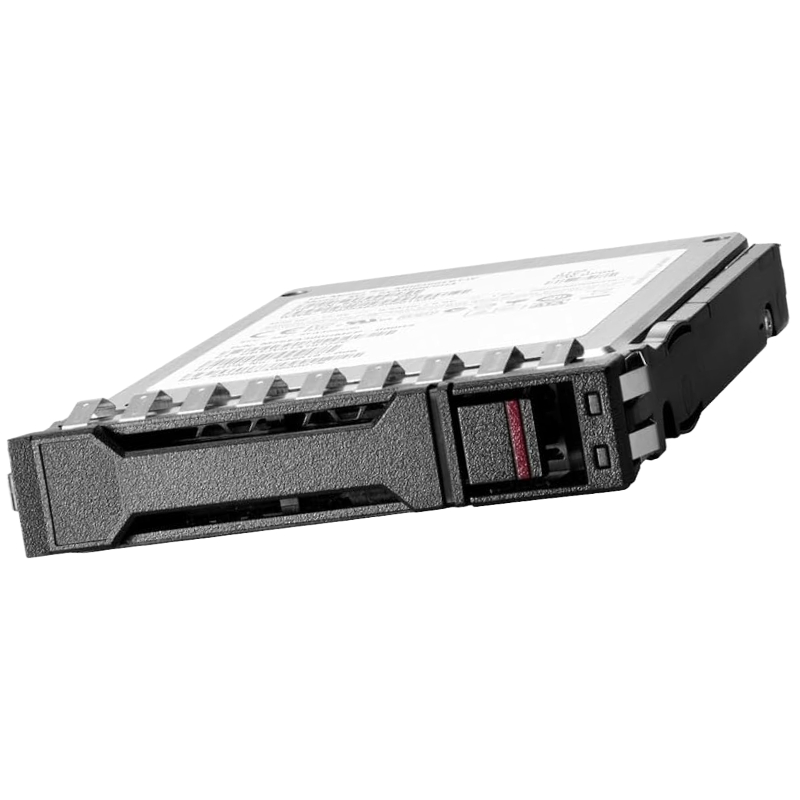


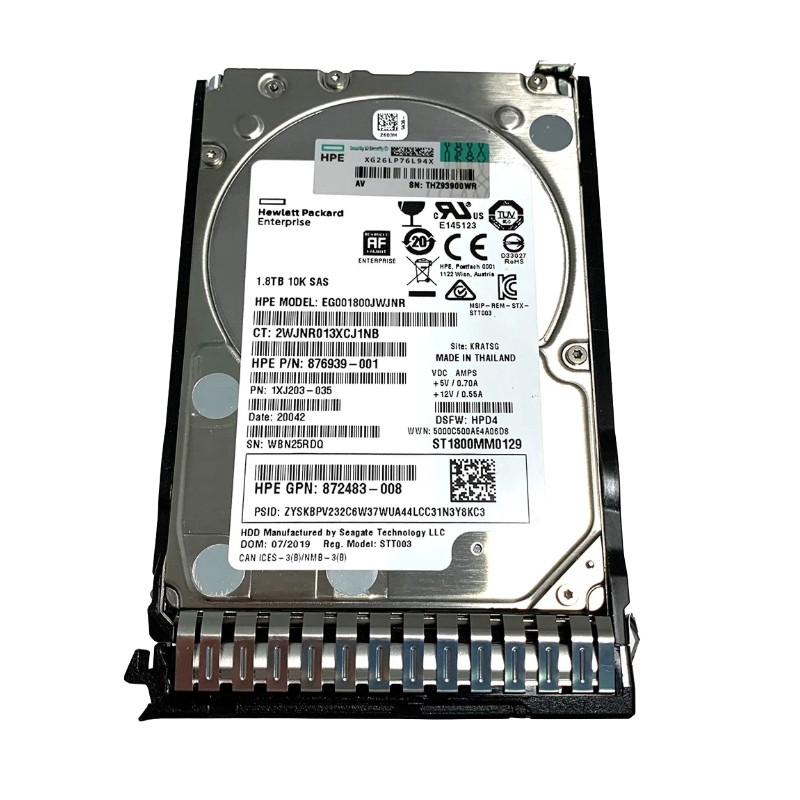
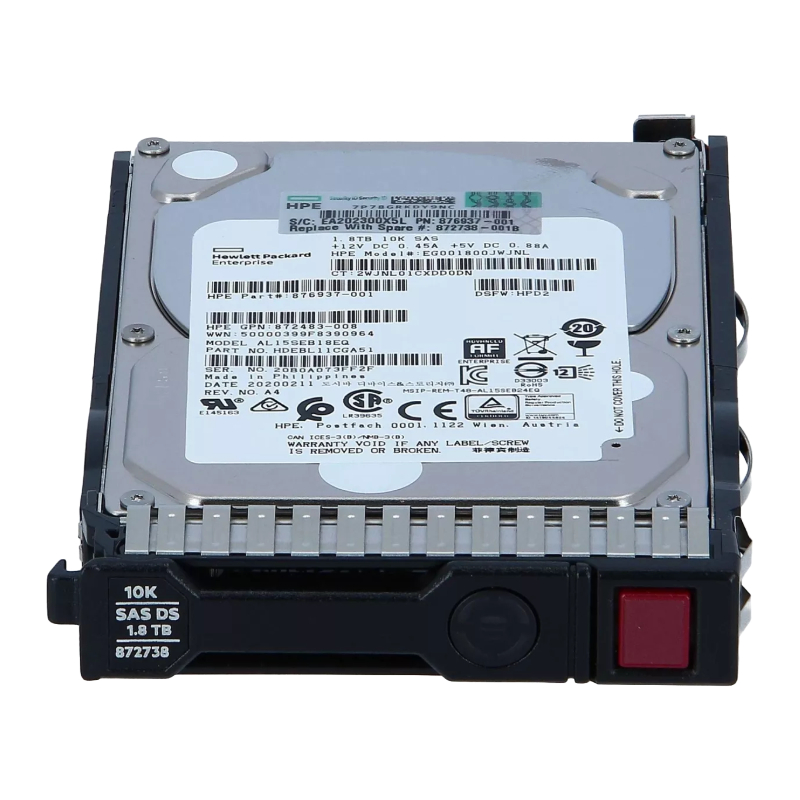
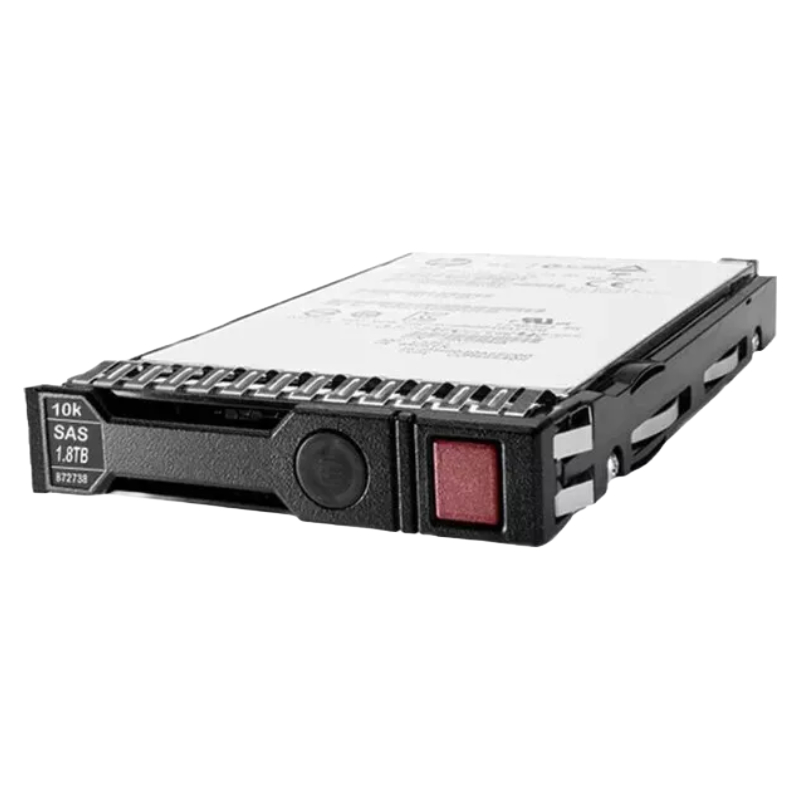
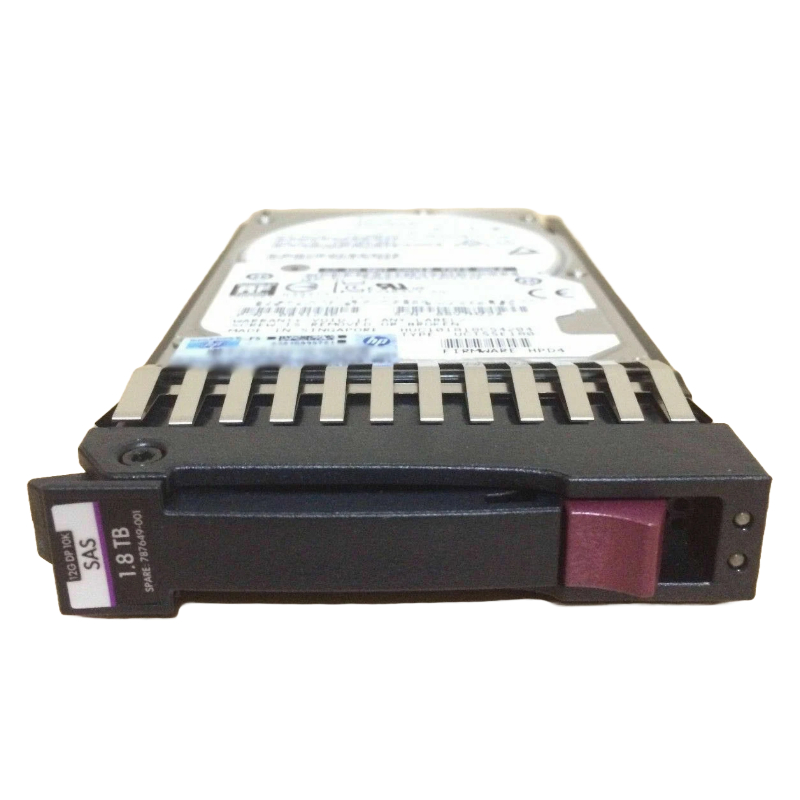
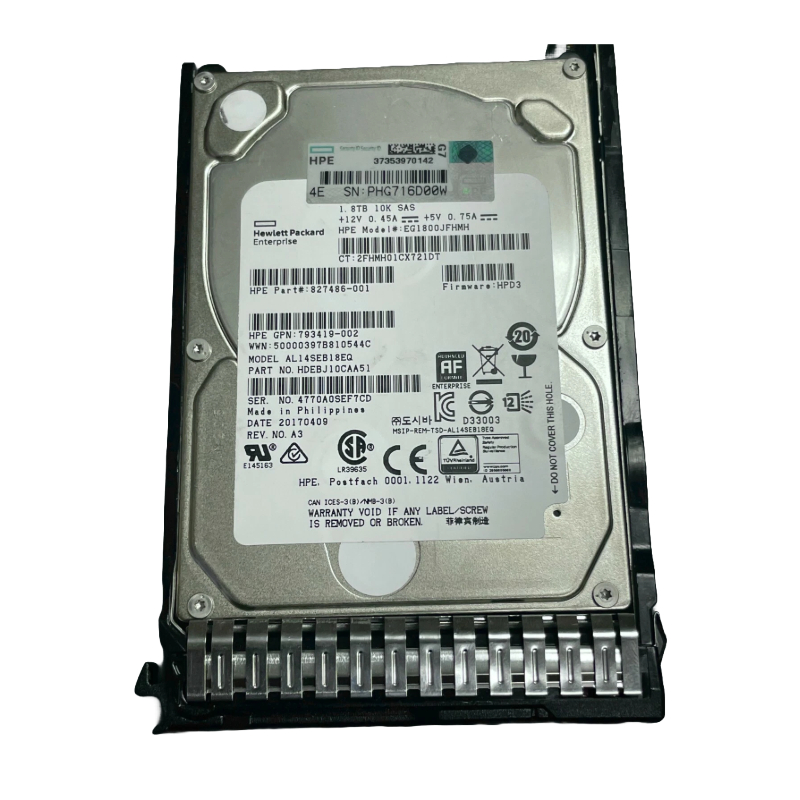
HPE P53562-B21 1.8TB 10K RPM SAS 12GBPS SFF BC Hot Swap Mission Critical Hard Disk Drive With Tray. Factory-Sealed New in Original Box (FSB) with 3 Years Warranty
The HPE P53562-B21 is a mission-critical enterprise-grade hard disk designed for demanding server environments that require reliability, speed, and continuous uptime. Built with advanced SAS 12Gbps architecture, this drive ensures stable performance for data-intensive workloads and enterprise storage systems.
Interface and Connectivity
Outline of HPE P53562-B21 1.8TB 10K SAS 12G SFF Hard Drive
The enterprise storage category represented by the HPE P53562-B21 1.8TB 10K SAS 12G SFF 512e MC BC Hot Swap Hard Drive belongs to a highly specialized segment of data center infrastructure focused on high-reliability, high-performance rotational storage systems designed for mission-critical workloads. This category is defined by tightly engineered compatibility with enterprise servers, optimized firmware integration, and strict adherence to data integrity standards required in virtualization, database hosting, and transactional computing environments. The drive is positioned within the enterprise SAS HDD ecosystem where performance consistency, endurance, and predictable latency are more important than raw capacity scaling alone.
Enterprise SAS hard drives such as the HPE P53562-B21 are built to support continuous workloads in environments where downtime is not acceptable. These drives operate within storage arrays, blade servers, and rack-mounted systems that handle large-scale workloads including cloud services, enterprise resource planning systems, and high-availability virtualization clusters. The SAS interface introduces dual-port connectivity, enabling redundant data paths and improved fault tolerance. This makes the category particularly valuable in clustered systems where uninterrupted access to data is essential for maintaining service-level agreements.
The 10,000 RPM rotational speed defines a key performance tier within enterprise HDD categories. Drives operating at this speed deliver significantly reduced seek times compared to 7.2K RPM nearline drives, enabling faster random read and write operations. This makes them suitable for workloads that demand balanced input/output performance rather than purely sequential throughput. In database environments, where random access patterns dominate, this rotational speed class provides a stable compromise between cost efficiency and latency optimization.
Latency reduction in 10K SAS drives is achieved through a combination of spindle speed, advanced caching algorithms, and optimized actuator mechanics. The mechanical positioning system within the drive is engineered to minimize head movement delays, ensuring that frequently accessed data blocks are retrieved quickly. In transactional systems such as online banking platforms or ERP applications, this reduction in latency directly contributes to system responsiveness and end-user experience stability.
The SAS 12Gb/s interface integrated into the HPE P53562-B21 drive represents a high-bandwidth enterprise communication protocol designed for scalable storage networks. SAS, or Serial Attached SCSI, provides full-duplex communication channels, enabling simultaneous read and write operations without the contention limitations seen in older parallel architectures. The 12Gb/s signaling rate significantly increases data transfer efficiency, allowing the drive to maintain high throughput even under heavy concurrent access conditions.
One of the defining characteristics of SAS enterprise drives is dual-port functionality. This allows the drive to connect to two independent storage controllers simultaneously, creating redundant data pathways. In the event of a controller failure or path disruption, the system can instantly reroute data traffic through the secondary channel without interrupting operations. This architecture is critical in high-availability clusters and disaster recovery configurations.
At the 12Gb/s transmission level, signal integrity becomes a critical engineering consideration. The drive utilizes advanced error correction techniques and robust encoding schemes to ensure data consistency across high-speed channels. Electromagnetic interference mitigation and controlled impedance pathways are integrated into the design to preserve signal clarity across backplane connections within dense server environments.
Enterprise SAS drives incorporate sophisticated error detection and correction frameworks that operate at multiple layers of the data path. These include cyclic redundancy checks, sector-level verification, and firmware-based correction algorithms that proactively identify and resolve inconsistencies. This ensures that data integrity remains uncompromised even under sustained high-load conditions typical of enterprise deployments.
The Small Form Factor design of the HPE P53562-B21 enables high-density storage configurations within limited physical rack space. SFF drives are typically 2.5 inches in size, allowing server chassis to accommodate a significantly higher number of drives compared to larger form factors. This is particularly important in modern data centers where space efficiency directly impacts operational cost and scalability planning.
SFF drives generate less thermal output per unit compared to larger enterprise HDDs, enabling more efficient cooling strategies in high-density server enclosures. Effective thermal management ensures that performance stability is maintained even under continuous 24/7 workloads. The drive’s internal components are engineered to operate within strict temperature tolerances, reducing the risk of thermal-induced performance degradation.
Server manufacturers design airflow pathways specifically to accommodate SFF drive arrays. The compact nature of these drives allows for optimized front-to-back airflow, ensuring consistent cooling across all installed units. This airflow consistency plays a critical role in extending drive lifespan and maintaining predictable performance curves under sustained load conditions.
In high-density deployments, vibration becomes a significant factor affecting drive stability. Enterprise SFF drives incorporate vibration sensors and compensation algorithms that adjust head positioning in real time to mitigate the effects of mechanical resonance. This ensures consistent read and write accuracy even when multiple drives operate simultaneously within the same enclosure.
The 1.8TB capacity class represents a balanced storage tier designed for performance-oriented enterprise applications. Rather than focusing solely on maximum storage density, this category prioritizes a combination of capacity and high-speed access performance. It is commonly deployed in environments where active datasets require frequent updates and real-time access.
Drives in the 1.8TB SAS 10K category are widely used in database clusters and virtualization platforms. These environments benefit from the predictable latency and consistent throughput characteristics offered by rotational enterprise storage. Virtual machine hosting environments rely on this class of drive to maintain stable I/O performance across multiple simultaneous workloads.
Enterprise storage architectures often employ tiered storage strategies where 10K SAS drives serve as a middle layer between high-speed SSDs and high-capacity nearline HDDs. This positioning allows organizations to optimize cost efficiency while maintaining adequate performance for frequently accessed datasets that do not require ultra-low latency SSD storage.
Within storage lifecycle management frameworks, 1.8TB SAS drives function as active data repositories for mid-term storage retention. Data is frequently accessed, modified, and processed at this tier before being migrated to archival storage systems or elevated to faster storage tiers based on usage patterns and policy-driven automation.
The 512e sector format used in the HPE P53562-B21 drive refers to 512-byte emulation on advanced format drives that physically use larger sector sizes internally. This ensures compatibility with legacy operating systems and applications while benefiting from improved storage efficiency at the physical layer. The hybrid formatting approach allows seamless integration into existing enterprise infrastructures without requiring major system modifications.
512e formatting ensures that older software stacks and operating systems can continue to operate without modification while still benefiting from modern drive technologies. This is particularly important in enterprise environments where system upgrades are gradual and full infrastructure replacement is not always feasible.
Proper alignment of data structures within 512e drives is critical to maintaining optimal performance. Misalignment can lead to additional read-modify-write cycles, which negatively impact throughput. Enterprise storage controllers are typically designed to manage alignment automatically, ensuring efficient utilization of the drive’s internal architecture.
Hot swap functionality is a defining feature of enterprise-class drives such as the HPE P53562-B21. This capability allows drives to be inserted or removed from a live system without requiring shutdown or interruption of service. This is essential for maintaining uptime in data centers where continuous availability is a critical operational requirement.
Hot swap support enables administrators to perform maintenance tasks, replacements, and upgrades without disrupting system operation. This reduces downtime and allows for seamless scaling or repair operations in production environments. Combined with RAID configurations, hot swap functionality ensures that data redundancy remains intact during hardware servicing.
Enterprise servers utilize specialized backplanes that support hot swap functionality by isolating electrical and data connections during drive insertion or removal. These backplanes ensure safe engagement and disengagement of drives without causing electrical instability or data corruption.
When a drive is detected to be failing or has already failed, system monitoring tools trigger alerts that allow administrators to initiate replacement procedures. Hot swap capability ensures that the faulty drive can be physically replaced while the system continues operating on redundant data paths, preserving data availability throughout the process.
The HPE P53562-B21 drive is optimized for integration within HPE server ecosystems, ensuring compatibility with firmware management tools, storage controllers, and system diagnostics platforms. This integration enhances reliability and simplifies deployment in enterprise environments that rely on standardized infrastructure components.
HPE storage ecosystems often incorporate predictive failure analysis systems that monitor drive health metrics in real time. These systems evaluate parameters such as read error rates, spin-up time, and temperature fluctuations to predict potential failures before they occur, allowing proactive maintenance actions.
Enterprise drives are integrated with centralized storage management platforms that provide visibility into performance metrics, capacity utilization, and system health. These platforms enable administrators to optimize workload distribution and ensure consistent performance across storage arrays.
Reliability is a core defining characteristic of enterprise SAS drives. The HPE P53562-B21 is engineered with durability in mind, incorporating robust mechanical components designed to withstand continuous operation in demanding environments. The drive undergoes extensive validation testing to ensure compliance with enterprise reliability standards.
Enterprise drives are designed with high mean time between failure ratings, reflecting their ability to operate continuously for extended periods. This reliability metric is critical in environments where drive failure can lead to significant operational disruption or data loss risks.
Mechanical resilience is achieved through reinforced actuator assemblies and stabilized spindle systems that reduce sensitivity to external shock and vibration. This ensures that the drive maintains operational stability even in environments with high-density hardware configurations.
The HPE P53562-B21 drive is commonly deployed in enterprise data centers supporting workloads such as virtualization, cloud infrastructure, and large-scale database systems. Its balanced performance profile allows it to serve effectively in environments where consistent I/O performance is required across multiple simultaneous applications.
In virtualization environments, these drives serve as backend storage for virtual machine images, snapshots, and active runtime data. The consistent latency profile ensures smooth operation of virtualized workloads without performance bottlenecks during peak usage periods.
Cloud service providers utilize enterprise SAS drives in storage clusters that support multi-tenant environments. These drives contribute to scalable storage architectures that balance performance and cost efficiency across distributed systems.
High availability clusters rely on redundant storage configurations that incorporate multiple SAS drives to ensure continuous data access even in the event of hardware failure. The hot swap capability and dual-port SAS architecture make this drive category particularly suitable for such deployments.
The long-term operational value of enterprise SAS drives lies in their ability to deliver consistent performance over extended lifecycles. The HPE P53562-B21 is designed to maintain stable performance metrics across years of continuous operation, making it a cost-effective choice for enterprise storage infrastructure when evaluated on total cost of ownership rather than initial acquisition cost alone.
Unlike consumer-grade drives, enterprise SAS drives are designed to maintain consistent performance even after prolonged usage. Advanced wear-leveling strategies and firmware optimizations ensure that performance degradation is minimized throughout the drive’s operational lifespan.
Predictability is a key advantage of enterprise storage systems. The HPE P53562-B21 maintains consistent throughput and latency characteristics under sustained workloads, ensuring that applications depending on stable I/O performance can operate without unexpected fluctuations.


 Contact Us
 Information
 Catalog
 Solid State Drives (SSD)
 Network Switches
 Hard Disk Drives
 HBA & Controllers
 PC & Servers
 PC & Server Memory
 CPU & Processors
 Network Routers
 Power Supplies
 Tape Drives & Libraries
 Network Devices
 Computer & Network Cables