(7% discount is applied at checkout)
Cart is empty
Your go-to destination for cutting-edge server products
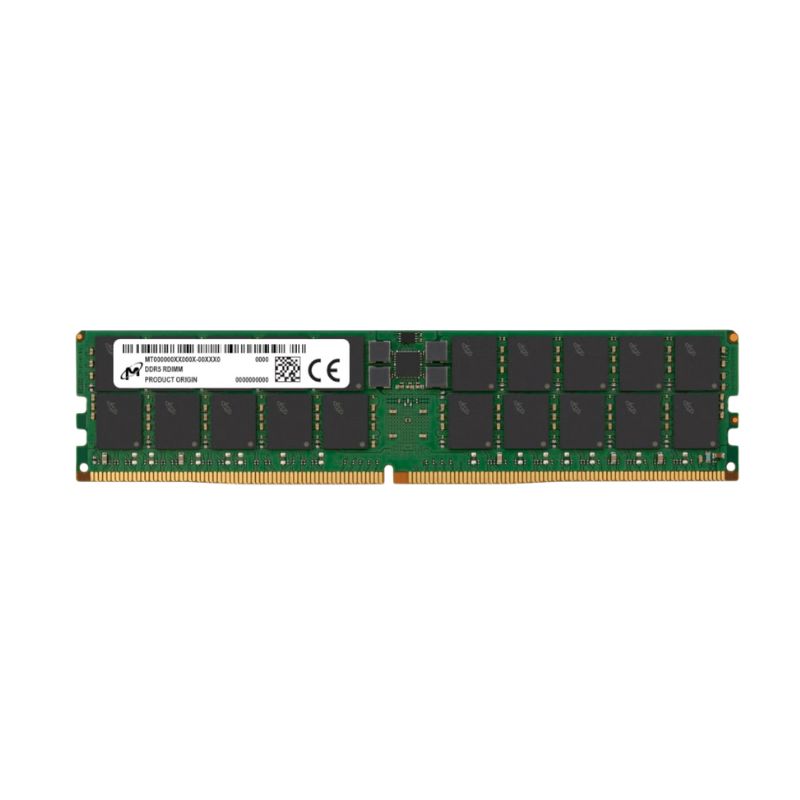


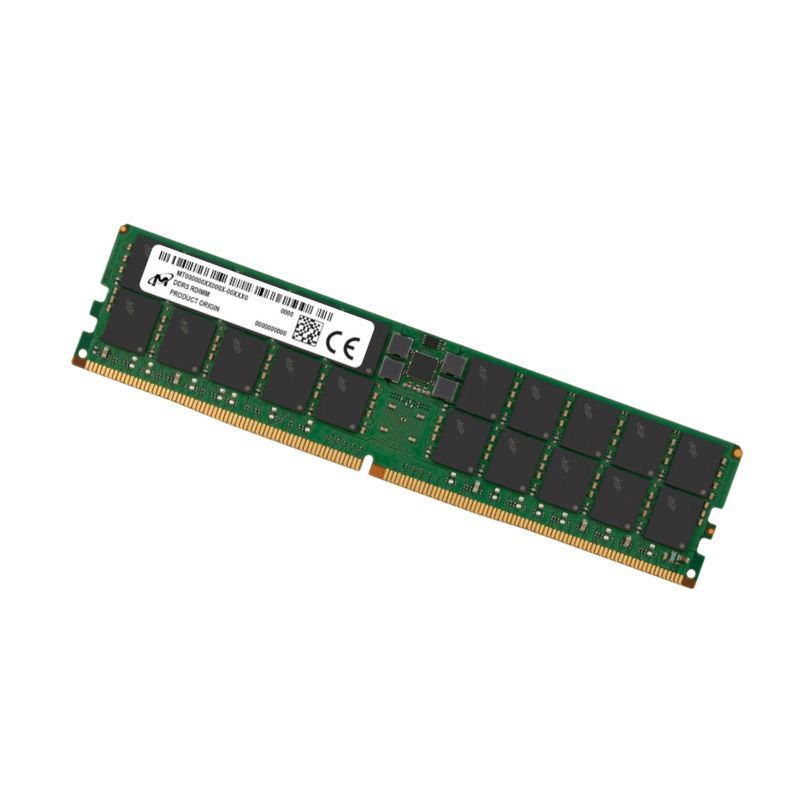
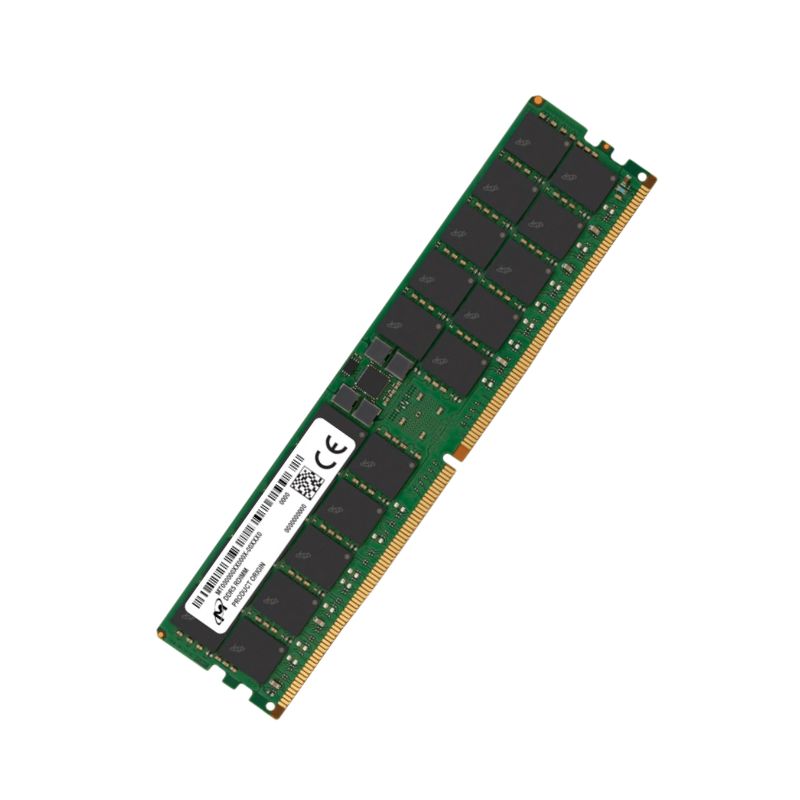
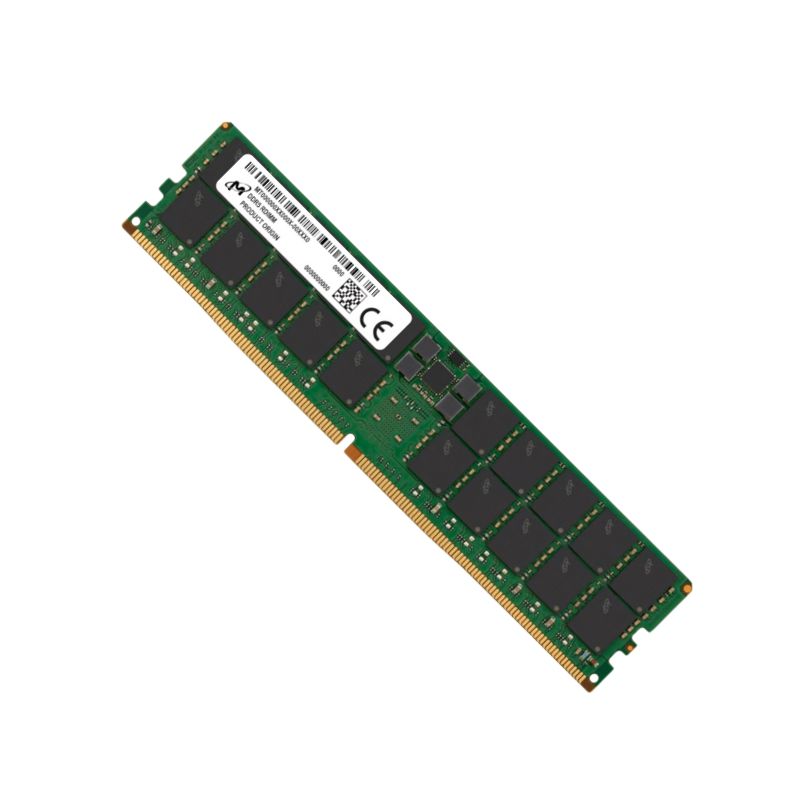
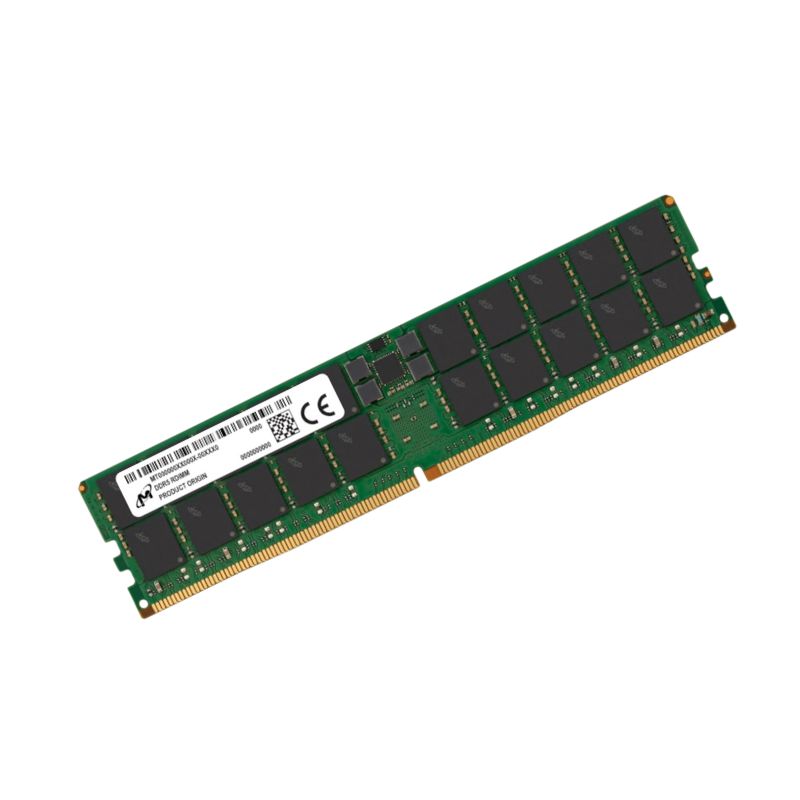
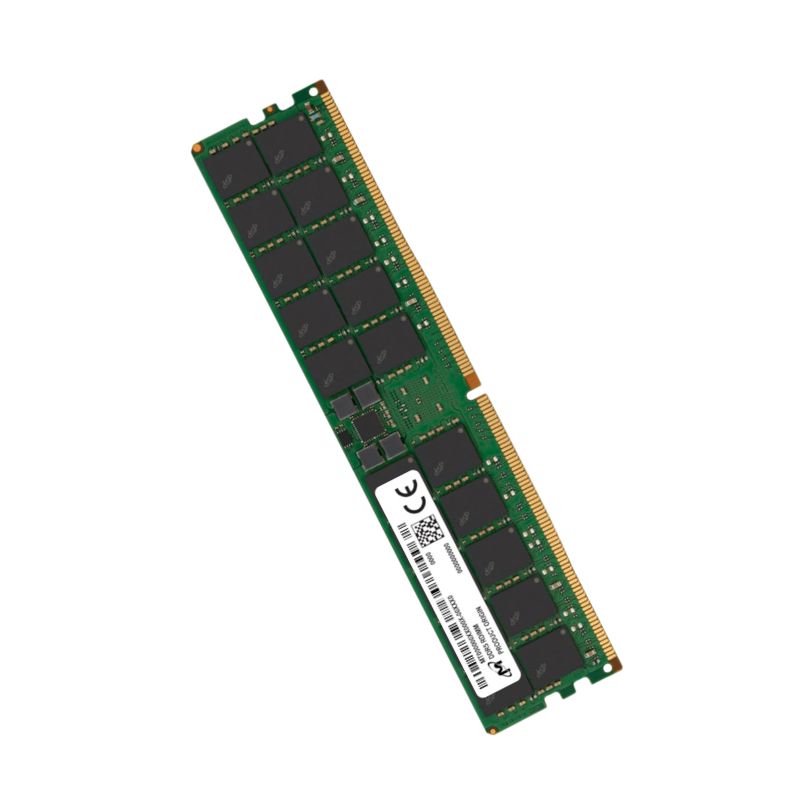
Micron MTC40F204WS1RC56BR 96GB DDR5 5600MHz PC5-44800 DIMM SDRAM Cl46 288-Pin Registered Memory Module. New Sealed in Box (NIB) with 3 Year Warranty
The Micron MTC40F204WS1RC56BR 96GB DDR5 5600MHz Registered DIMM is designed to deliver outstanding speed, efficiency, and system stability for modern server and workstation platforms. Built with advanced DDR5 SDRAM architecture, this high-capacity memory module supports demanding workloads such as virtualization, data analytics, and enterprise applications.
The Micron MTC40F204WS1RC56BR 96GB DDR5 5600MHz PC5-44800 DIMM SDRAM Registered Memory Module represents a high-performance, enterprise-grade memory solution engineered for modern server architectures, virtualization environments, and data-intensive computing workloads. Classified within the DDR5 SDRAM Registered memory category, this memory module combines cutting-edge technology with robust reliability and scalability, delivering essential memory resources for businesses, research institutions, cloud infrastructures, and high-performance computing clusters. With a substantial 96GB capacity and 5600MHz speed grade, it stands as a premium choice for systems that demand exceptional bandwidth and stability under continuous operation.
The DDR5 family ushers in a new era of memory performance and efficiency, building on advancements that address the increasing demands of data-centric applications. Unlike its DDR4 predecessors, the DDR5 architecture introduces innovative designs such as on-die error correction (ECC) support, enhanced power distribution through on-DIMM power management ICs, and wider internal banks that optimize data transfer rates and reduce latency. The Micron MTC40F204WS1RC56BR memory module embodies these advancements, leveraging DDR5’s intrinsic benefits to deliver 5600MHz operation and a PC5-44800 theoretical bandwidth specification that significantly accelerates data throughput across multi-core processors.
One of the notable modernizations in DDR5 technology is the subdivision of each memory DIMM into dual 32-bit subchannels. This improvement increases efficiency by enabling parallel data streams that reduce latency and improve overall system responsiveness. For enterprise workloads that execute multiple threads concurrently, this architecture offers clear advantages by maintaining sustained data flows between memory and CPUs, making the Micron 96GB DDR5 Registered memory particularly effective in environments with heavy concurrency demands.
DDR5 introduces on-die ECC which works at the physical memory chip level to detect and correct single-bit errors, thereby enhancing reliability even before module-level ECC functions intervene. When combined with the DIMM’s registered ECC features, this layered error correction strategy ensures exceptional data integrity. In mission-critical systems where data accuracy is essential, such as database servers, financial computing, and scientific research clusters, this heightened reliability is indispensable.
The “Registered” designation in the Micron MTC40F204WS1RC56BR indicates the presence of a register between the memory controller and the DRAM modules. This register buffers and stabilizes electrical signals, enabling the use of higher memory capacities and multiple modules per channel without sacrificing signal integrity. Registered DIMMs are a cornerstone in server memory configurations, allowing infrastructures to scale memory capacity while preserving stability, especially in systems requiring multiple banks of memory for balanced operation.
In enterprise servers and high-density computing configurations, the use of RDIMM memory is essential for maintaining balanced timing margins, reduced electrical load, and overall system resilience. Systems equipped with high numbers of memory modules, as is typical in virtualization hosts or database servers, benefit from the buffering that registers provide. Without this buffering, memory signal degradation could occur as more modules are added, leading to potential errors or system instability. The Micron 96GB DDR5 RDIMM addresses these challenges directly, offering reliable, scalable memory that supports sustained, high-volume workloads.
A 96GB capacity per module places this memory module in a category suited for high-demand computing scenarios. When deployed across multiple DIMM slots, systems can reach terabytes of memory capacity, empowering virtualization hosts to run dozens of virtual machines simultaneously, data analytics platforms to process massive datasets in memory, and mission-critical applications to maintain high throughput without resource contention.
Virtualization architectures, whether implemented through VMware vSphere, Microsoft Hyper-V, or open source hypervisors like KVM, rely heavily on memory resources. The ability to assign large memory footprints to virtual machines without exhausting physical resources enables higher consolidation ratios and more efficient use of server hardware. The 96GB DDR5 modules allow administrators to allocate generous memory amounts to each virtual instance while retaining sufficient headroom for dynamic memory management and workload spikes.
For relational and NoSQL database systems such as Oracle, SQL Server, PostgreSQL, MongoDB, and SAP HANA, memory capacity translates directly into the ability to store large tables, cache queries, and minimize disk I/O. The high capacity DDR5 modules facilitate database operations that rely on in-memory computations and large buffer caches, reducing latency and accelerating data-intensive processing. When paired with the high bandwidth of DDR5 technology, servers equipped with these modules can handle complex transactional loads and advanced analytics with improved performance.
Operating at a frequency of 5600MHz, the Micron DDR5 memory module delivers significant bandwidth improvements over earlier memory standards. This high frequency enhances data transfer rates between memory and processor caches, enabling faster execution of memory-bound tasks. Workloads such as scientific simulations, machine learning data preprocessing, financial risk modeling, and real-time analytics all benefit from the increased throughput that DDR5 5600MHz modules provide.
High memory bandwidth reduces the time processors spend waiting for data, improving overall system efficiency. In multi-threaded applications that perform large sequential or random memory accesses, improved memory frequency can lower latency and improve instructions per cycle. As data volumes continue to grow in enterprise workloads, memory bandwidth becomes a critical performance factor, and DDR5’s enhancements over DDR4 translate into tangible improvements for system throughput.
Despite its elevated performance, DDR5 technology incorporates improvements aimed at energy efficiency. Memory modules leveraging DDR5 operate at lower voltages compared to DDR4 counterparts while delivering higher data rates. Additionally, on-DIMM power management integrated circuits regulate voltage more precisely, reducing power waste and thermal output. These optimizations are especially valuable in large server deployments where energy and cooling costs represent a significant portion of operational budgets. The Micron 96GB DDR5 RDIMM thus offers a balance of performance and efficiency that supports sustained data center operation.
The Micron MTC40F204WS1RC56BR module is designed for compatibility with modern server platforms that support DDR5 Registered memory. Leading server manufacturers such as Dell, HPE, Lenovo, and Supermicro validate DDR5 memory across their product lines, ensuring that modules like this one integrate seamlessly into enterprise hardware ecosystems. Supported processors include the latest generations of Intel Xeon and AMD EPYC CPUs, both of which benefit from DDR5’s increased memory bandwidth and capacity support.
Proper system BIOS configuration ensures that the registered memory modules operate at their rated speeds and timings. Server firmware often includes optimized memory profiles that enable automatic tuning of clock speeds, voltage levels, and latency settings to match the specified characteristics of installed memory. When deploying the Micron 96GB DDR5 module, administrators should verify that system BIOS levels are up to date and configured for DDR5 operation to achieve optimal performance.
Modern server workloads extend beyond traditional client-server applications to include large-scale virtualization, container orchestration, artificial intelligence, and edge computing. Memory resources are central to each of these domains. For container platforms such as Kubernetes, high memory capacity enables more pods and services to run concurrently. For machine learning workflows, system memory supports data preprocessing and coordination between host CPUs and specialized accelerators like GPUs or FPGAs. Across these scenarios, the 96GB DDR5 RDIMM provides a solid foundation for scaling compute clusters efficiently.
Reliability remains a core consideration for enterprise memory. The inclusion of Registered ECC support means that the memory module can detect and correct errors that might otherwise lead to system instability or data corruption. In servers that operate around the clock, such as web servers, cloud Compute nodes, and mission-critical application hosts, RAS features ensure that transient errors do not escalate into failures that disrupt services or compromise data integrity.
Error correction mechanisms provide peace of mind for IT administrators and infrastructure architects. Single-bit errors, which can occur due to electrical interference or cosmic ray interactions, are corrected on the fly within the module. Multi-bit errors trigger system alerts, allowing administrators to take corrective action before system integrity is significantly impacted. This layered approach to reliability helps enterprises maintain high service levels and avoid unplanned downtime.
Advanced server systems often include tools and firmware capable of monitoring memory health metrics over time. This can include tracking error rates, voltage irregularities, and thermal patterns. Predictive failure analysis uses this data to identify components that may be approaching end of life or exhibiting unusual patterns, enabling proactive replacement before failures occur. Memory modules equipped with RAS support integrate with these monitoring tools to provide comprehensive insights into system health.
The Micron MTC40F204WS1RC56BR 96GB DDR5 5600MHz Registered memory module addresses a wide array of enterprise use cases. From virtualization and cloud computing to big data analytics and real-time transaction processing, this module delivers the memory resources necessary for demanding workloads. Industries such as finance, healthcare, telecommunications, research, and government computing trust high-capacity, high-performance memory to maintain critical operations and deliver responsive services to end users.
Cloud service providers operate shared infrastructure across multiple tenants, each with unique performance requirements and peak usage patterns. Memory capacity and bandwidth become differentiating factors in delivering consistent service levels. The 96GB DDR5 RDIMM allows cloud hosts to provision generous memory allocations without exhausting physical resources, enabling efficient multi-tenant isolation and dynamic resource scaling.
Organizations leveraging big data platforms such as Hadoop, Spark, and distributed analytics engines depend on in-memory processing to accelerate data exploration and insight generation. High capacity DDR5 memory supports large datasets held in memory, reducing reliance on slower disk or networked storage. Real-time analytics scenarios benefit from this high-speed memory infrastructure, enabling businesses to respond quickly to changing conditions and glean timely insights from their data.
Micron is recognized globally for producing memory solutions that meet stringent quality, performance, and compatibility standards. Enterprise memory modules such as the MTC40F204WS1RC56BR undergo extensive validation cycles, including environmental stress testing, interoperability checks, and long-duration stability evaluations. These rigorous processes ensure consistent performance in diverse operating conditions and across various server platforms.
Enterprises require memory solutions that not only meet current needs but also provide longevity and future compatibility. Micron’s memory portfolio is designed with lifecycle considerations in mind, ensuring that modules remain supported across multiple server generations. This future-ready approach helps organizations maintain consistent configurations over time, reducing complexity in hardware refresh cycles and simplifying inventory management.
Comprehensive technical documentation, firmware release notes, and compatibility matrices are available to guide system integrators and administrators through deployment and configuration. Micron’s dedication to support extends beyond product delivery, offering resources that empower IT professionals to optimize memory performance and ensure reliability across server landscapes.
Deploying the Micron MTC40F204WS1RC56BR 96GB DDR5 5600MHz PC5-44800 Registered memory module requires careful planning and adherence to server platform guidelines. Proper slot population, BIOS configuration, and thermal management are essential for achieving the rated performance and stability. Systems designed with balanced memory channels, sufficient cooling, and updated firmware will maximize the potential of these advanced memory modules. As workloads continue to grow more complex and data centric, the role of high-capacity, high-speed memory in powering modern enterprise applications becomes increasingly vital.


 Contact Us
 Information
 Catalog
 Solid State Drives (SSD)
 Network Switches
 Hard Disk Drives
 HBA & Controllers
 PC & Servers
 PC & Server Memory
 CPU & Processors
 Network Routers
 Power Supplies
 Tape Drives & Libraries
 Network Devices
 Computer & Network Cables