
(7% discount is applied at checkout)
Cart is empty
Your go-to destination for cutting-edge server products
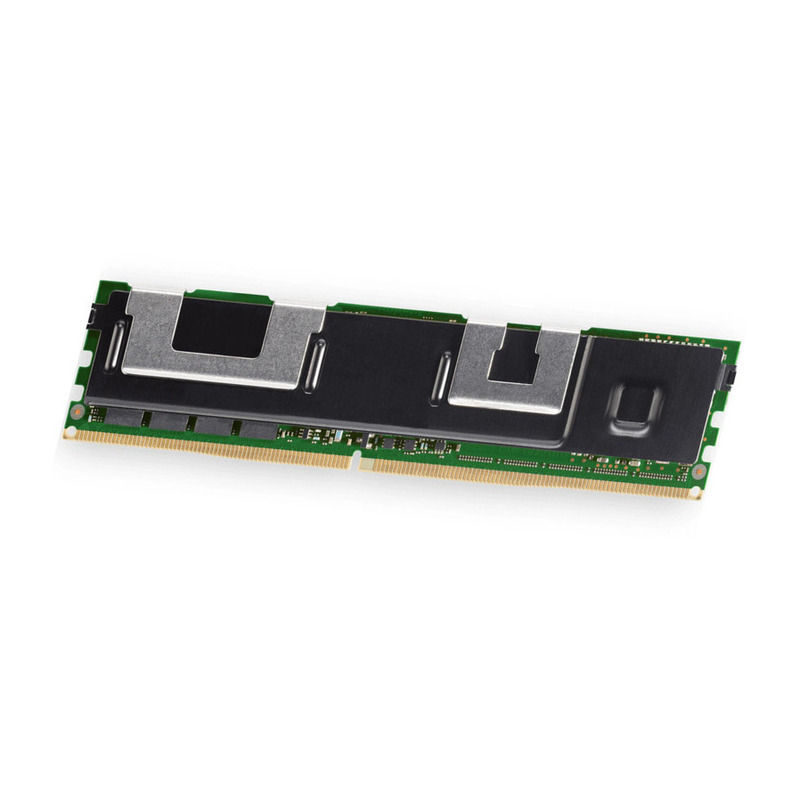
Micron MTA18ASF4G72AZ-3G2R 32GB 3200MHz PC4-25600 ECC Reg DDR4 SDRAM 288-Pin RAM. New Sealed in Box (NIB) with 3 Year Warranty
The Micron MTA18ASF4G72AZ-3G2R is a high-performance 32GB DDR4 SDRAM UDIMM memory module, engineered for modern computing environments requiring reliability, speed, and efficiency. Designed with ECC (Error-Correcting Code) and registered signal processing, this memory module ensures superior data integrity and consistent performance across demanding workloads.
The Micron MTA18ASF4G72AZ-3G2R is a high-performance 32GB DDR4 SDRAM module designed for server and workstation environments where reliability and speed are crucial. With a frequency of 3200MHz and a PC4-25600 data rate, this RAM provides optimal bandwidth for memory-intensive applications, large datasets, and multitasking workloads. Engineered with Error-Correcting Code (ECC) and registered (buffered) architecture, this module ensures data integrity and system stability even under heavy computational demands.
A 32GB DDR4 ECC Registered memory module offers a balance between capacity and performance, enabling system architects to design memory configurations that scale efficiently without excessive DIMM counts. Higher-capacity modules reduce the total number of installed DIMMs, improving airflow, lowering power consumption, and simplifying maintenance while maintaining optimal memory bandwidth.In virtualization environments, 32GB modules allow administrators to allocate sufficient memory resources to multiple virtual machines without contention. This capacity also supports in-memory databases, large caching layers, and advanced analytics workloads that benefit from fast, low-latency access to substantial memory pools.
High-Speed 3200MHz Performance
Operating at 3200MHz (PC4-25600), the Micron MTA18ASF4G72AZ-3G2R ensures rapid data transfer rates suitable for high-performance servers and workstations. This high clock frequency allows applications to access memory with minimal latency, improving responsiveness and processing speed.
The PC4-25600 specification indicates a theoretical bandwidth of up to 25.6GB/s per module. This level of throughput is essential for handling large datasets, parallel processing tasks, and continuous read/write operations typical in enterprise computing. Memory modules within this category are designed to maintain stable bandwidth delivery under continuous load, making them ideal for high-demand server environments.
Dual Rank Configuration Benefits
Dual-rank memory configurations improve overall memory throughput by allowing the memory controller to interleave access across multiple ranks. This design can enhance performance in multi-threaded workloads and memory-intensive applications. The dual-rank layout contributes to better utilization of the memory bus, especially in systems designed to maximize parallel processing efficiency.In enterprise-class systems, dual-rank RDIMMs provide a performance advantage without sacrificing reliability, making them a popular choice for balanced system configurations.
ECC is a crucial feature for server memory. This technology detects and corrects single-bit memory errors, significantly reducing the risk of data corruption and system crashes. For mission-critical operations, ECC memory provides a dependable layer of protection that non-ECC modules cannot match.
Registered DIMMs buffer command and address signals, reducing electrical load on the memory controller. This design allows systems to support more memory modules per channel, increasing total memory capacity while maintaining stability. RDIMM technology is particularly beneficial in multi-socket server platforms where scalability and reliability are essential.
CAS latency (CL22) represents a balanced timing configuration optimized for stability and compatibility in enterprise systems. While lower latency is often associated with consumer performance tuning, server environments prioritize predictable behavior, compatibility, and thermal efficiency. CL22 timings ensure reliable operation at 3200MHz across a wide range of supported platforms.This timing profile supports sustained workloads without introducing excessive power draw or thermal stress, contributing to long-term system reliability and reduced operational costs.
Compatibility and Standards Compliance
The Micron MTA18ASF4G72AZ-3G2R complies with JEDEC DDR4 standards, ensuring broad compatibility with a wide range of server motherboards and enterprise systems. It supports DDR4 features such as low voltage operation and improved thermal efficiency compared to DDR3 alternatives.
Investing in high-capacity DDR4 ECC Registered memory supports scalable system designs that can adapt to growing workload demands. By enabling higher memory densities per channel, organizations can extend the usable lifespan of existing hardware platforms.Scalability is essential for evolving enterprise environments where data growth and application complexity continue to increase.


 Contact Us
 Information
 Catalog
 Solid State Drives (SSD)
 Network Switches
 Hard Disk Drives
 HBA & Controllers
 PC & Servers
 PC & Server Memory
 CPU & Processors
 Network Routers
 Power Supplies
 Tape Drives & Libraries
 Network Devices
 Computer & Network Cables