(7% discount is applied at checkout)
Cart is empty
Your go-to destination for cutting-edge server products
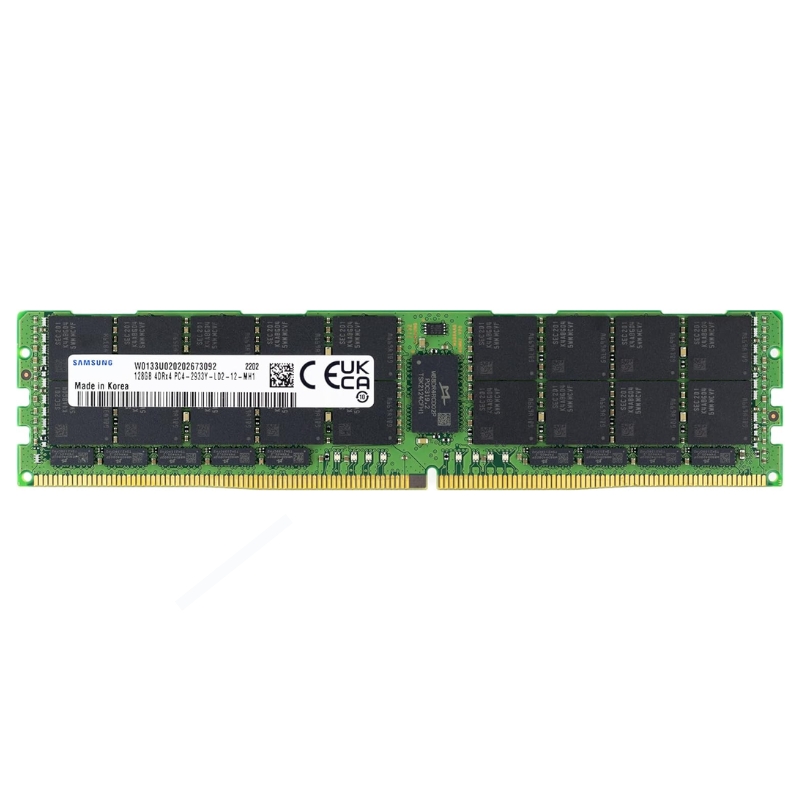


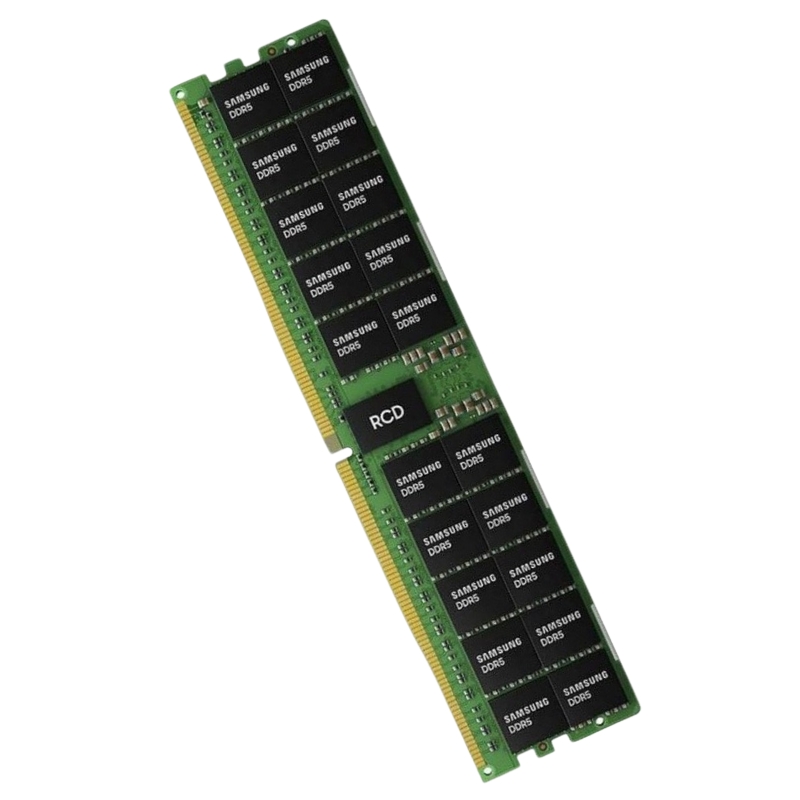
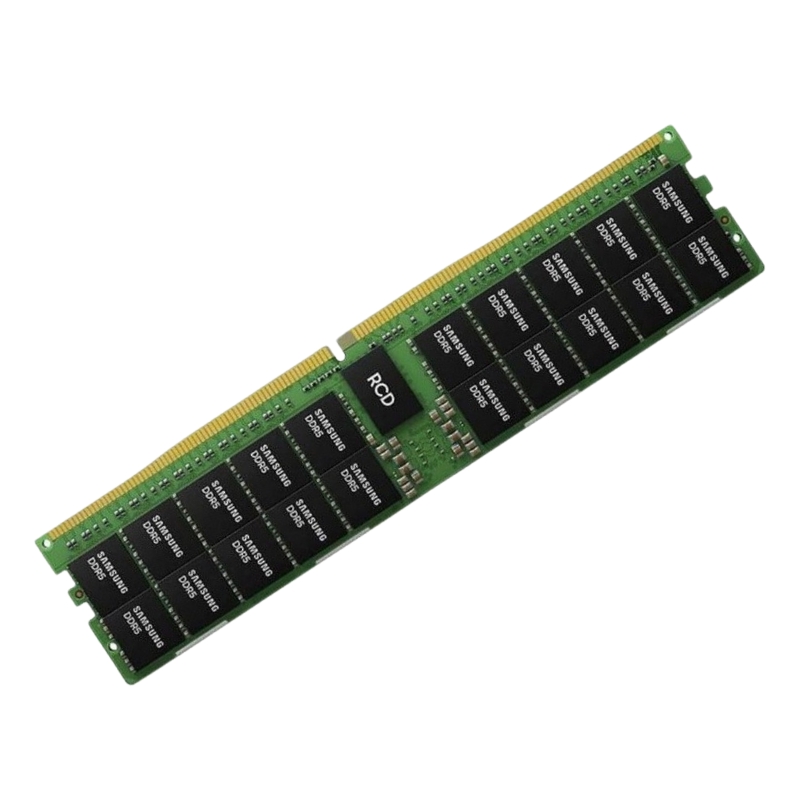
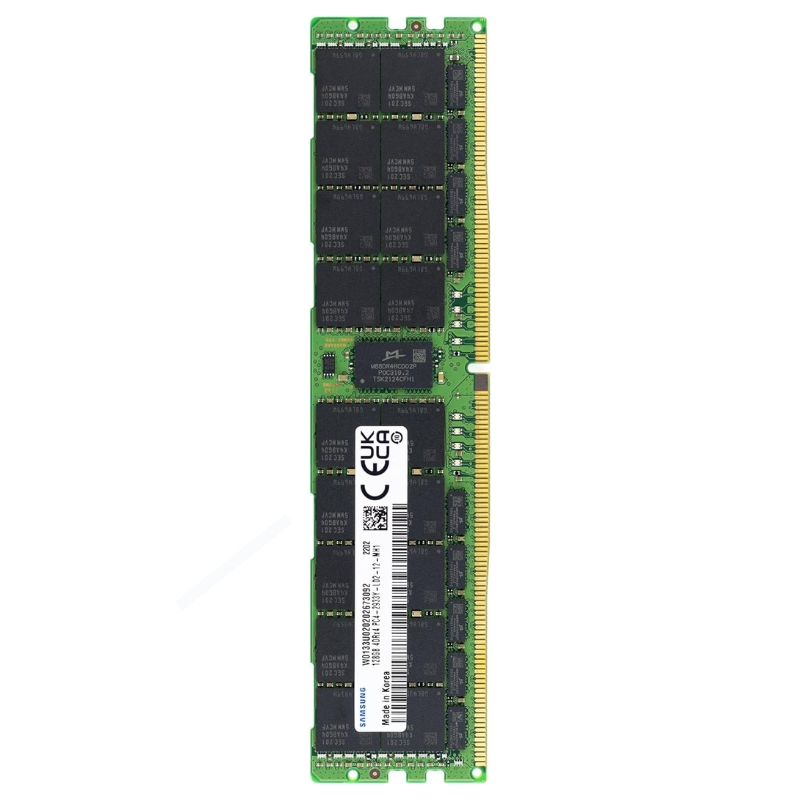
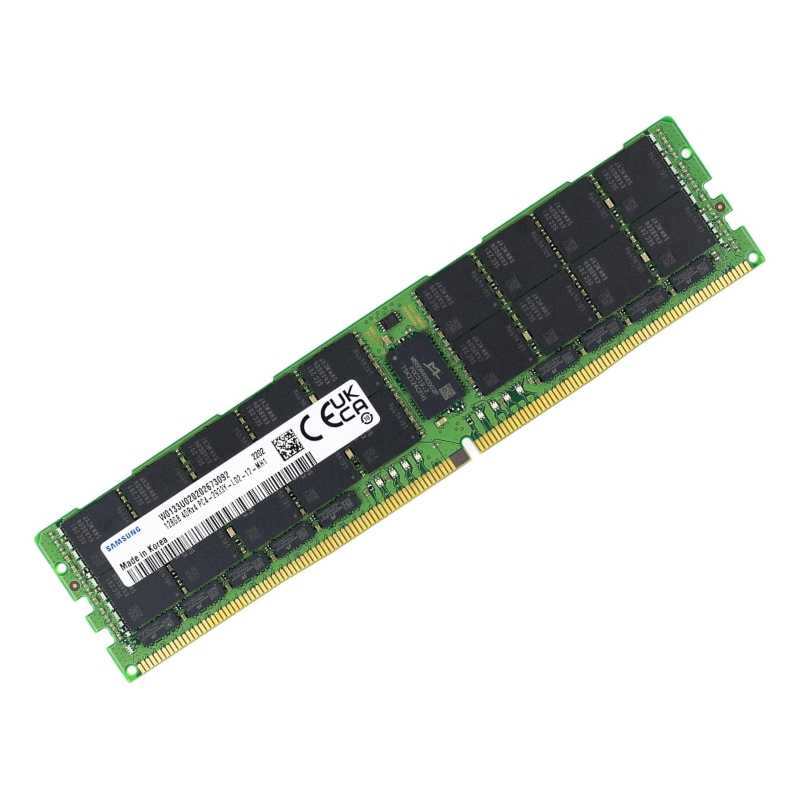
Samsung M393AAG40M3B-CYF 128GB 1X128GB 2933MHZ PC4-23400 Cl24 Ecc Registered Quad Rank X4 1.2v DDR4 SDRAM 288-Pin. New Sealed in Box (NIB) with 3 Years Warranty
| SKU/MPN | Warranty | Price | Condition | You save |
|---|---|---|---|---|
| M393AAG40M3B-CYF | 1 Year Warranty | $960.00 | New (System) Pull | You save: $336.00 (26%) |
| M393AAG40M3B-CYF | 1 Year Warranty | $1,377.00 | New Sealed in Box (NIB) | You save: $481.95 (26%) |
The Samsung M393AAG40M3B-CYF is a high-performance 128GB DDR4 memory module engineered explicitly for server and data center environments. This component is a critical building block for systems requiring exceptional reliability, massive data throughput, and unwavering stability under continuous loads. As a Quad Rank, ECC Registered RDIMM, it represents the pinnacle of memory technology for enterprise-grade servers.
The Samsung M393AAG40M3B-CYF is a 128GB DDR4 Registered RDIMM engineered specifically for enterprise-grade servers and data center applications. This module represents the pinnacle of high-density, high-reliability memory technology, designed to deliver robust performance, exceptional stability, and maximum data integrity in demanding 24/7 operational environments. It is a critical component for servers handling large-scale virtualization, in-memory databases, high-performance computing (HPC), and intensive enterprise resource planning (ERP) workloads.
At its core, this module is defined by a precise set of technical parameters that dictate its compatibility and performance envelope. Understanding these specifications is essential for proper system integration and optimal server configuration.
This module provides a substantial 128GB (Gigabytes) of memory in a single 1x128GB stick. This high-density design is paramount for modern servers, as it allows system builders to achieve massive total memory capacities (e.g., 1TB, 2TB, or more per CPU socket) with fewer physical DIMM slots. This reduces power consumption per gigabyte, simplifies inventory, and maximizes the capacity potential of dual-processor and multi-processor server platforms.
The module operates at a data rate of 2933 Megatransfers per second (MT/s), often marketed as 2933MHz. This is expressed in its industry-standard name as PC4-23400. The "PC4" denotes DDR4, and the "23400" refers to the theoretical peak bandwidth in megabytes per second (MB/s)—approximately 23,400 MB/s for this single module. This speed ensures rapid data access for CPU cores, reducing latency and improving overall system throughput for memory-sensitive applications.
The module features a CAS Latency timing of CL24. While higher-speed memory often comes with higher CAS latencies, the overall performance is a balance of speed and timings. In the server and data center context, where absolute stability and data integrity are prioritized over nanoseconds of latency, this CL24 timing at 2933MT/s offers an excellent balance of bandwidth and responsive access for enterprise workloads.
The M393AAG40M3B-CYF incorporates specialized architectural features that distinguish it from standard desktop memory (UDIMMs) and make it suitable for mission-critical systems.
This is an ECC Registered RDIMM. ECC (Error-Correcting Code) is a non-negotiable feature for servers. It detects and corrects single-bit memory errors on-the-fly and detects multi-bit errors, preventing data corruption, silent data errors, and potential system crashes. This drastically improves system reliability and uptime. The Registered (or "Buffered") component includes a register on the DIMM that buffers the address and command signals between the memory controller and the DRAM chips. This reduces the electrical load on the controller, enabling support for much higher module densities and more DIMMs per memory channel without signal degradation, which is essential for populating a server with multiple high-capacity sticks.
The module is designated as Quad Rank (QR). A "rank" is a set of DRAM chips that are accessed simultaneously by the memory controller. A quad-rank module presents four independent sets of chips to the controller. This design allows for the high 128GB capacity. It is important for system compatibility, as server motherboards have specific guidelines for the number and type (rank) of DIMMs that can be installed per channel while maintaining optimal speeds.
The x4 designation refers to the data width of the individual DRAM chips used on the module. "x4" chips have a 4-bit I/O interface. Using x4 chips with ECC enables advanced SDDC (Single Device Data Correction), also known as Chipkill protection. This ECC enhancement can correct errors from the complete failure of a single DRAM chip, a far more robust level of fault tolerance than standard ECC. This is a key feature for maximum system resilience in data centers.
The module's physical design ensures compatibility and reliable operation within standardized server environments.
The module uses the standard 288-pin RDIMM form factor, ensuring it fits into DDR4 server memory slots. It operates at a low 1.2V, which is the standard voltage for DDR4 memory. This reduced voltage (compared to DDR3's 1.5V) contributes to lower power consumption and reduced heat output at the rack level, a critical consideration for data center power and cooling budgets.
As a DDR4 SDRAM (Synchronous Dynamic Random-Access Memory) module, it synchronizes itself with the CPU's bus speed for efficient operation. Its designation as a Memory Module for Server underscores its intended use-case. It is validated and optimized for compatibility with major server platforms from OEMs like Dell EMC (PowerEdge), HPE (Proliant), Lenovo (ThinkSystem), Cisco (UCS), and Supermicro, as well as with data center-grade motherboards supporting Intel Xeon Scalable (e.g., Cascade Lake, Ice Lake) or AMD EPYC processors.
The exceptional density and reliability of this module make it ideal for specific high-end server applications.
For servers running VMware vSphere, Microsoft Hyper-V, or other hypervisors, physical memory is a primary limiting factor for the number of virtual machines (VMs) that can be hosted. Deploying 128GB modules allows a single server to host hundreds of VMs, improving consolidation ratios and optimizing hardware utilization and management.
Technologies like SAP HANA, Oracle Database In-Memory, and Microsoft SQL Server In-Memory OLTP require massive, fast, and extremely reliable RAM to hold entire databases in memory for instant processing. The 128GB capacity, high bandwidth, and Chipkill-level ECC of this module are fundamental for such deployments.
Clusters used for scientific simulations, financial modeling learning training often process enormous datasets. Large, fast memory pools per server node are necessary to minimize data fetching latency and keep powerful CPUs (and often, attached GPUs) fed with data, making this module a key building block.
Large-scale enterprise applications from vendors like SAP, Oracle, and Salesforce often run on server infrastructures that require high memory capacity for user concurrency, complex transactions, and real-time reporting. This memory module helps ensure smooth and responsive performance for mission-critical business operations.
When integrating the Samsung M393AAG40M3B-CYF, several critical factors must be verified to ensure a successful deployment.
Not all servers that support DDR4 will automatically support 128GB RDIMMs, especially at 2933MT/s. It is imperative to consult the server manufacturer's memory qualification list (QVL) or system configuration guide for the specific model (e.g., Dell PowerEdge R750, HPE ProLiant DL380 Gen10 Plus) to confirm that this exact part number (M393AAG40M3B-CYF) and density are tested and supported. BIOS must often be updated to the latest version to enable support for newer, high-density modules.
Server memory architectures have strict rules regarding DIMM population order (slots labeled A1, A2, B1, B2, etc.) and the mixing of different DIMM ranks and sizes per channel. Installing quad-rank DIMMs like this one may affect the maximum speed achievable when populating all slots. For example, a system with two DIMMs per channel might run at 2933MT/s, but with all slots populated, the speed may step down to 2666MT/s to maintain signal integrity.


 Contact Us
 Information
 Catalog
 Solid State Drives (SSD)
 Network Switches
 Hard Disk Drives
 HBA & Controllers
 PC & Servers
 PC & Server Memory
 CPU & Processors
 Network Routers
 Power Supplies
 Tape Drives & Libraries
 Network Devices
 Computer & Network Cables