(7% discount is applied at checkout)
Cart is empty
Your go-to destination for cutting-edge server products
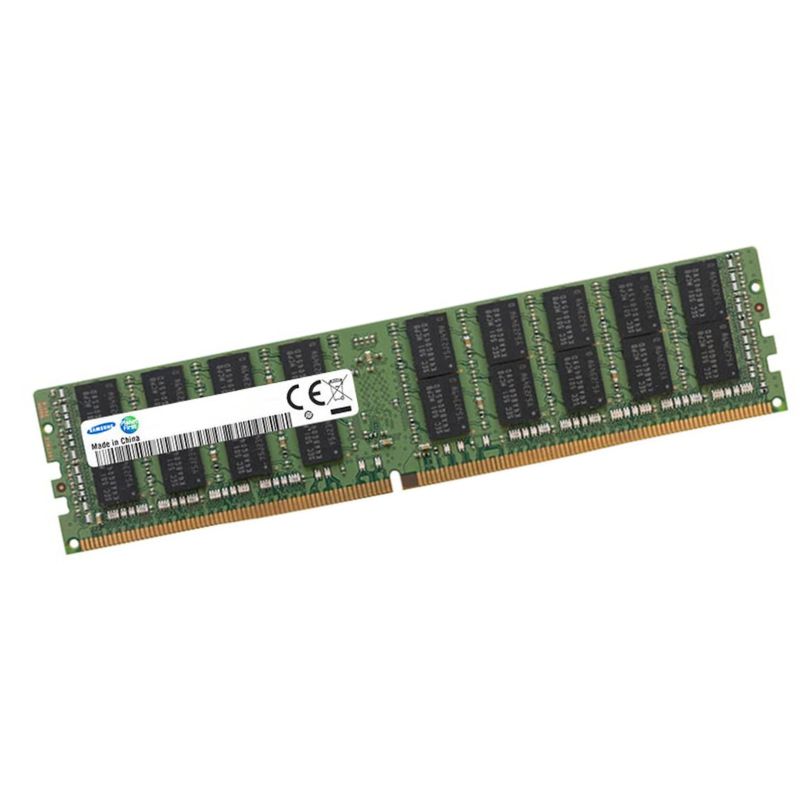


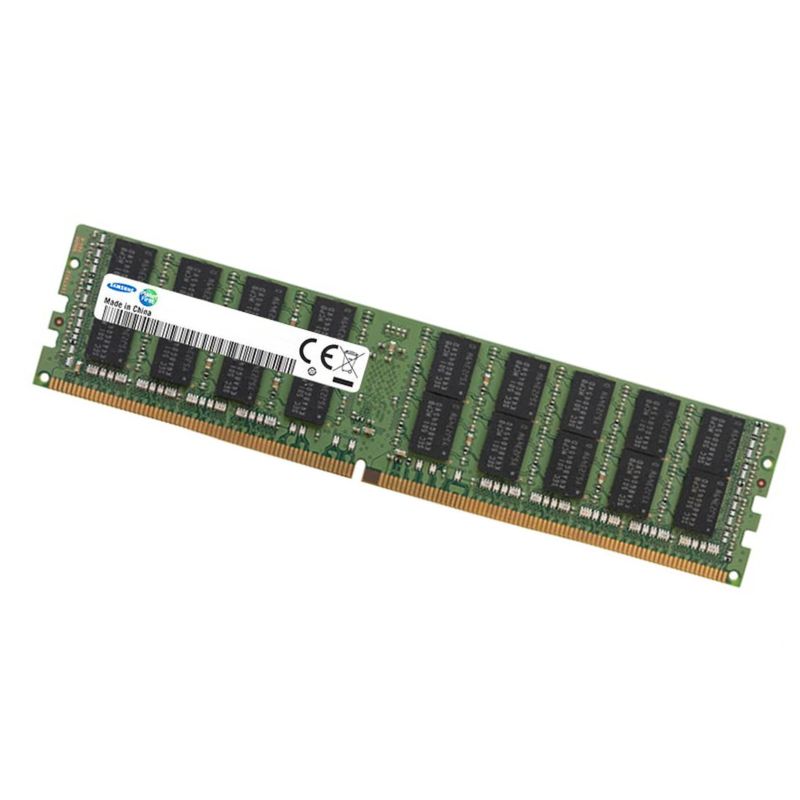
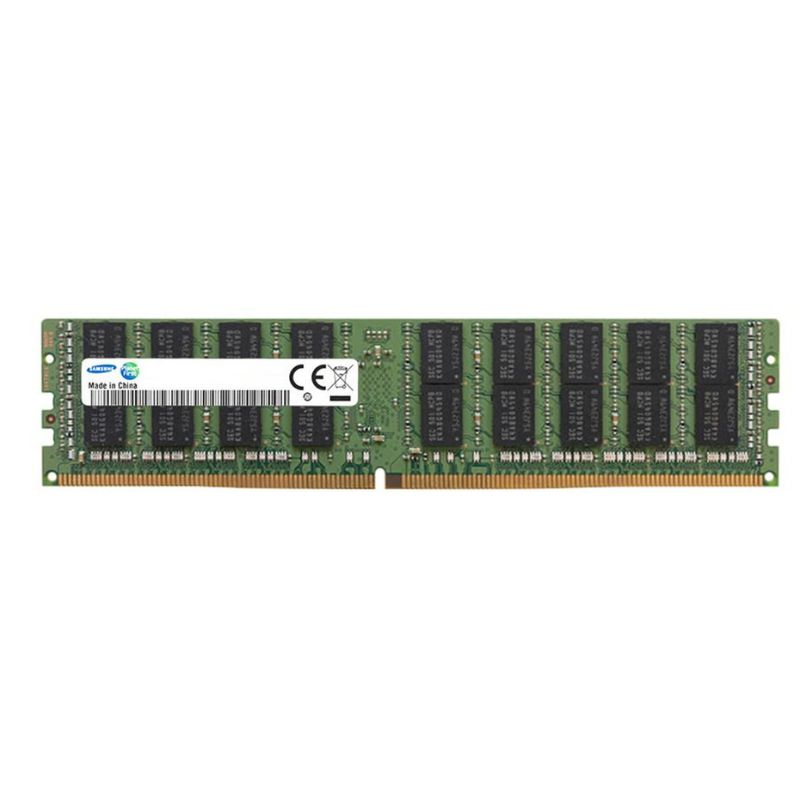
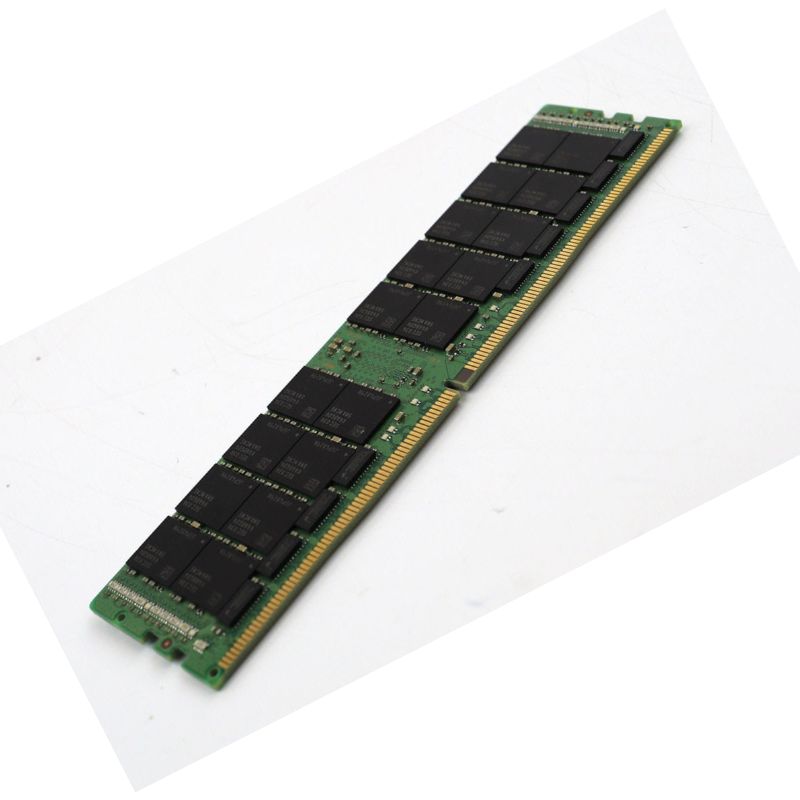
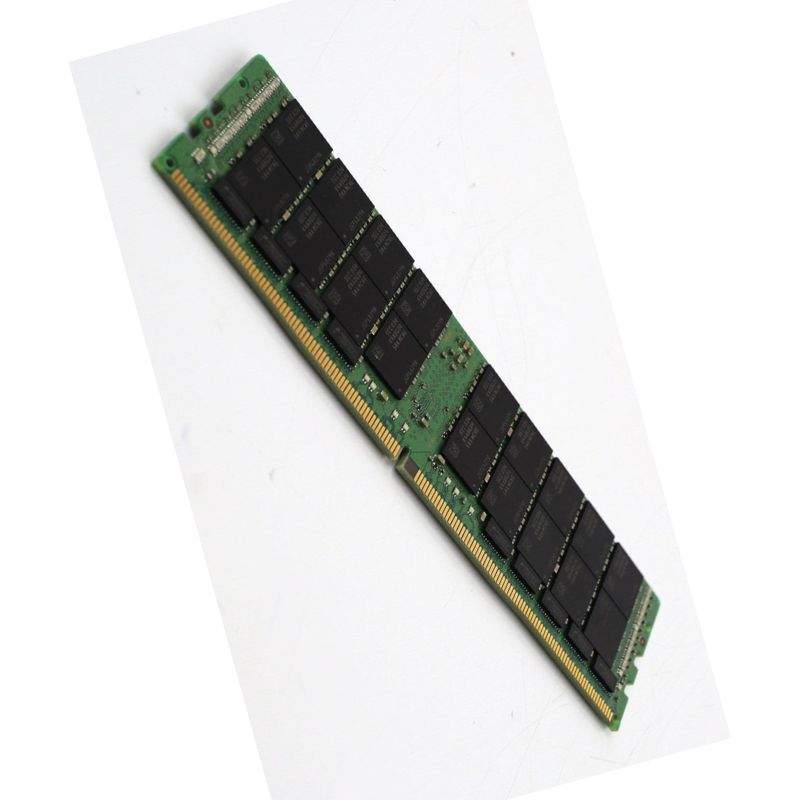
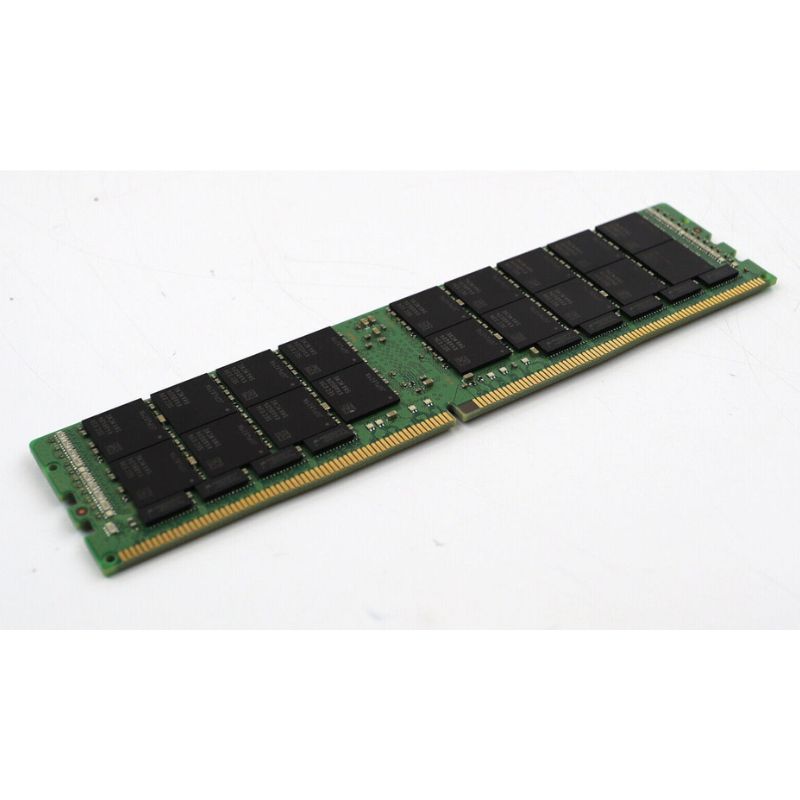
Samsung M386AAK40B40-CUC50 2400MHz Pc4-19200 Cl19 Ecc Registered Octal Rank X4 1.2v DDR4 SDRAM 288-pin Lrdimm Memory Module for Server (1x128GB). New (System) Pull with 1 year replacement warranty
Upgrade enterprise workloads with the Samsung M386AAK40B40-CUC50, a high-capacity 128GB DDR4 SDRAM module engineered for reliability, speed, and efficiency in data center and workstation environments.
The Samsung M386AAK40B40-CUC50 128GB DDR4 LRDIMM memory module belongs to the enterprise-class registered memory category designed for data center servers, cloud infrastructure, and mission-critical computing environments. This category focuses on delivering extremely high capacity per module, consistent electrical signaling, and advanced error correction to support modern server processors and dense memory configurations. DDR4 LRDIMM technology addresses scalability limitations found in unbuffered and standard registered modules by reducing the electrical load on the memory controller, allowing higher capacities and improved stability across multi-DIMM server platforms.
Within this category, 128GB DDR4 LRDIMMs represent a premium tier optimized for virtualization, in-memory databases, artificial intelligence training, high-performance computing, and large-scale analytics. The Samsung M386AAK40B40-CUC50 is engineered to operate at 2400MHz with PC4-19200 bandwidth, offering a balanced combination of capacity, speed, and reliability. This positioning makes it a preferred option for enterprises looking to expand memory footprints without compromising signal integrity or system uptime.
The architecture of the Samsung M386AAK40B40-CUC50 is based on an octal-rank x4 configuration, a critical characteristic within the high-density DDR4 LRDIMM category. Octal-rank memory enables the module to house a significantly larger number of DRAM chips, which directly contributes to its 128GB capacity. This rank organization works in conjunction with load-reduction buffering to minimize electrical stress on the memory controller, even when multiple modules are populated across all memory channels.
The x4 DRAM layout enhances fault tolerance by distributing data across more memory devices. In enterprise environments, this design increases resilience against single-chip failures and supports advanced error detection and correction mechanisms. The Samsung M386AAK40B40-CUC50 leverages this architecture to maintain data integrity while supporting heavy transactional workloads, making it a core component in the broader DDR4 LRDIMM memory category.
Load-Reduced DIMM technology distinguishes this memory category from conventional registered modules. By placing a buffer between the memory controller and the DRAM chips, LRDIMMs significantly reduce the electrical load presented to the CPU. The Samsung M386AAK40B40-CUC50 utilizes this buffering to allow servers to populate more memory modules per channel without encountering stability issues or frequency drops.
This category advantage is particularly relevant in multi-socket server platforms where memory scalability directly affects application performance. LRDIMM buffering ensures that signal timing remains consistent across large memory configurations, enabling servers to reach maximum supported capacities while maintaining the rated 2400MHz speed. As a result, the Samsung M386AAK40B40-CUC50 fits seamlessly into enterprise systems designed for memory-intensive operations.
Maintaining signal integrity is a defining requirement for high-capacity memory modules. The Samsung M386AAK40B40-CUC50 is manufactured with precision PCB layouts and carefully controlled trace lengths to support stable high-speed data transmission. This attention to design reduces crosstalk and electromagnetic interference, which are common challenges in dense memory configurations.
Thermal performance is also central to this category. High-density DRAM generates heat under sustained workloads, and the module’s construction is optimized for efficient heat dissipation within standard server airflow designs. This ensures reliable operation in continuously running environments such as data centers and private cloud infrastructures.
Operating at 2400MHz, the Samsung M386AAK40B40-CUC50 delivers PC4-19200 bandwidth, positioning it within a performance tier that balances throughput and latency for enterprise workloads. This frequency provides sufficient memory bandwidth to support multi-core processors and parallel applications without introducing excessive power consumption.
The CL19 latency specification aligns with industry standards for high-capacity DDR4 LRDIMM modules. In the broader category context, this latency level ensures predictable memory access times, which is critical for transactional databases, virtualization platforms, and large-scale application hosting. Consistent performance under load is a hallmark of this memory category, and the Samsung module exemplifies this expectation.
Modern server CPUs rely heavily on memory bandwidth to feed multiple cores efficiently. The Samsung M386AAK40B40-CUC50 supports this demand by delivering stable throughput across all populated channels. In dual-socket and quad-socket systems, this contributes to balanced performance scaling as additional cores are utilized.
The DDR4 architecture within this category supports advanced memory interleaving and channel utilization, allowing workloads to distribute memory access evenly. This reduces bottlenecks and ensures that compute-intensive applications benefit fully from available processing resources.
In enterprise computing, latency consistency often matters more than raw speed. The Samsung M386AAK40B40-CUC50 is designed to maintain stable response times even during peak utilization. This characteristic is especially valuable in environments where predictable performance is required for service-level agreements and real-time analytics.
The CL19 specification, combined with load-reduced buffering, minimizes latency fluctuations caused by electrical loading or signal degradation. This reinforces the reliability of the DDR4 LRDIMM category for business-critical applications.
ECC functionality is a foundational requirement for enterprise memory categories, and the Samsung M386AAK40B40-CUC50 fully implements advanced error correction capabilities. ECC Registered memory detects and corrects single-bit errors while identifying multi-bit errors, preventing data corruption that could compromise system stability.
In high-capacity configurations, the probability of memory errors increases simply due to the number of cells involved. ECC technology mitigates this risk, making the DDR4 LRDIMM category essential for applications handling sensitive data, financial transactions, and large datasets. Samsung’s implementation emphasizes reliability and long-term operational stability.
The registered design of this module adds an additional layer of control over command and address signals. By buffering these signals, the Samsung M386AAK40B40-CUC50 reduces timing errors and enhances overall system reliability. This design is particularly beneficial in servers with many DIMMs installed per channel.
Within the broader category, registered memory ensures compatibility with enterprise-grade CPUs and chipsets that are optimized for buffered memory. This compatibility simplifies system integration and reduces the likelihood of configuration-related issues.
Data centers and enterprise servers often operate continuously for extended periods. The Samsung M386AAK40B40-CUC50 is validated for such conditions, supporting sustained workloads without degradation in performance or reliability. This aligns with the expectations of the DDR4 LRDIMM category, which prioritizes uptime and fault tolerance.
The combination of ECC, registered buffering, and load reduction creates a robust memory solution capable of supporting mission-critical systems where downtime is unacceptable.
The Samsung M386AAK40B40-CUC50 is designed for compatibility with a wide range of enterprise server platforms that support DDR4 LRDIMM memory. Its 288-pin form factor adheres to industry standards, ensuring physical and electrical compatibility with modern server motherboards.
This category of memory is commonly deployed in rack servers, blade systems, and high-density computing nodes. The module’s specifications align with server BIOS and firmware requirements, facilitating straightforward deployment and scaling within existing infrastructures.
DDR4 LRDIMM modules such as the Samsung M386AAK40B40-CUC50 are optimized for server processors that support load-reduced memory configurations. These processors benefit from the reduced electrical load and increased capacity, enabling higher memory density per socket.
The memory category supports advanced chipset features such as memory mirroring, sparing, and interleaving. These capabilities further enhance system resilience and performance, particularly in enterprise deployments.
One of the defining advantages of the DDR4 LRDIMM category is scalability. The Samsung M386AAK40B40-CUC50 allows servers to reach extremely high total memory capacities when multiple modules are installed. This scalability is essential for virtualization hosts and in-memory applications that require vast addressable memory spaces.
By maintaining stable operation at 2400MHz across fully populated systems, this module supports consistent performance as memory configurations expand.
Operating at 1.2 volts, the Samsung M386AAK40B40-CUC50 reflects the power efficiency improvements introduced with DDR4 technology. Lower operating voltage reduces overall power consumption and heat generation, which is critical in large-scale data center environments.
Within the DDR4 LRDIMM category, power efficiency directly translates into reduced cooling requirements and operational costs. Samsung’s design emphasizes efficient power delivery without sacrificing performance or reliability.
High-density memory deployments can significantly influence a data center’s energy profile. The Samsung M386AAK40B40-CUC50 contributes to energy efficiency by enabling higher capacity per module, reducing the total number of DIMMs required to achieve target memory sizes.
This consolidation lowers power draw and simplifies thermal management, aligning with enterprise goals for sustainable and cost-effective infrastructure.
Thermal stability is closely tied to voltage efficiency. By operating at 1.2 volts, the module minimizes heat output while sustaining full performance. This characteristic supports long-term reliability and reduces the risk of thermal throttling in densely populated servers.
The Samsung M386AAK40B40-CUC50 is well suited for a variety of enterprise use cases that demand large memory capacities and reliable performance. Virtualization platforms benefit from the ability to allocate more memory per virtual machine, improving consolidation ratios and resource utilization.
In-memory databases leverage the 128GB capacity to store large datasets directly in RAM, reducing latency and accelerating query performance. This aligns with the strengths of the DDR4 LRDIMM category, which is designed to support memory-intensive workloads.
High-performance computing applications often require substantial memory bandwidth and capacity to process complex simulations and analytical models. The Samsung M386AAK40B40-CUC50 supports these requirements by providing stable throughput and large addressable memory space.
Analytics workloads, including big data processing and machine learning, benefit from the ability to keep datasets in memory, reducing reliance on slower storage tiers.
Enterprise applications such as ERP systems, customer relationship management platforms, and large-scale web services rely on memory reliability and scalability. The Samsung M386AAK40B40-CUC50 supports these applications by delivering consistent performance in multi-user environments.
Cloud infrastructure providers also leverage DDR4 LRDIMM memory to maximize tenant density and ensure predictable performance across shared resources.


 Contact Us
 Information
 Catalog
 Solid State Drives (SSD)
 Network Switches
 Hard Disk Drives
 HBA & Controllers
 PC & Servers
 PC & Server Memory
 CPU & Processors
 Network Routers
 Power Supplies
 Tape Drives & Libraries
 Network Devices
 Computer & Network Cables