(7% discount is applied at checkout)
Cart is empty
Your go-to destination for cutting-edge server products


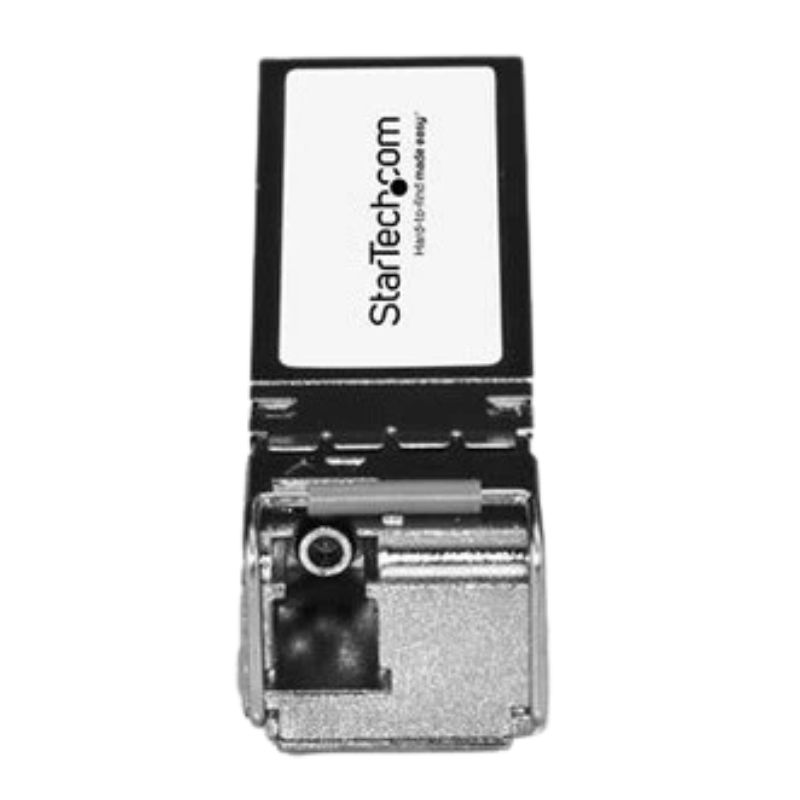
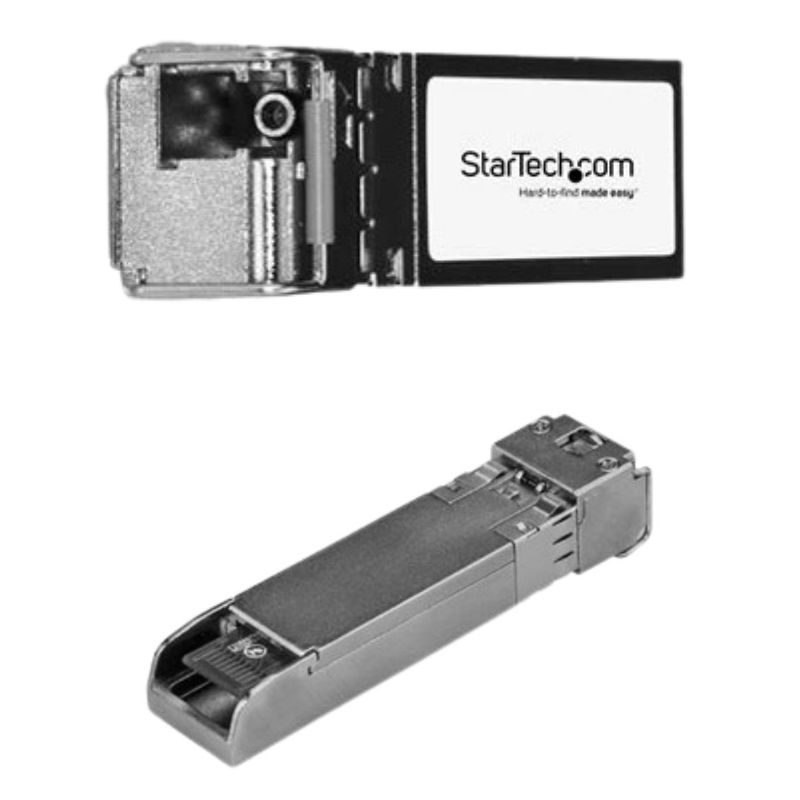
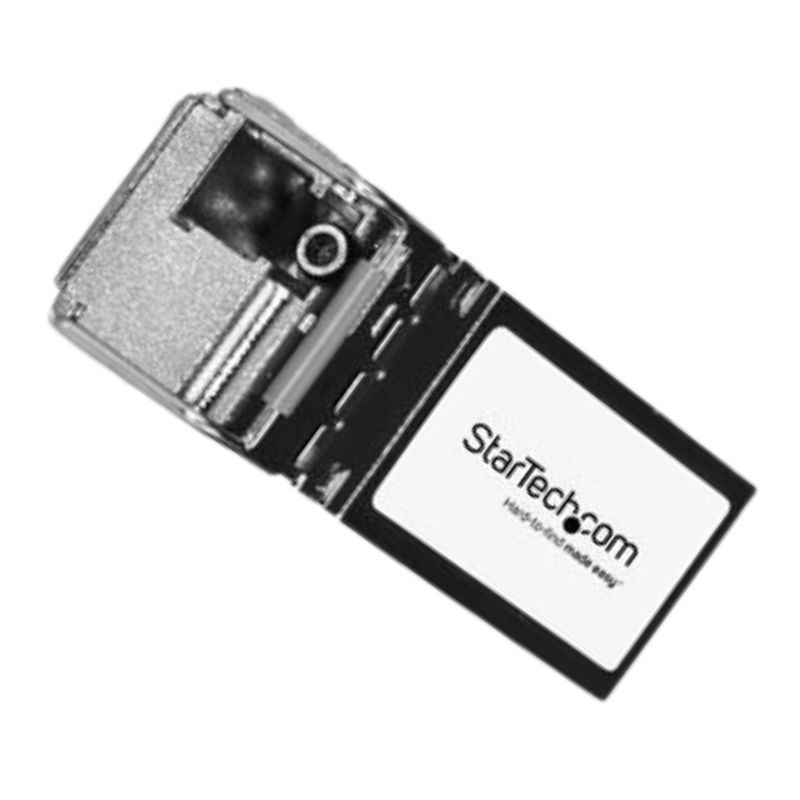
Startech SFP-10G-BX20D-I-ST 10 Gigabit Transceiver. Factory-Sealed New in Original Box (FSB) with 3-Years Warranty
The Startech SFP-10G-BX20D-I-ST 10 Gigabit Transceiver is a high-performance optical networking module engineered to deliver reliable 10 Gigabit Ethernet connectivity across long-distance fiber infrastructures. Designed for enterprise networks, telecommunications environments, industrial deployments, and high-bandwidth applications, this transceiver supports dependable data transmission while maintaining excellent signal quality.
Built with industrial-grade durability and optimized for demanding conditions, this SFP+ transceiver enables efficient communication over single mode fiber while reducing cabling complexity through bidirectional transmission technology.
The Startech SFP-10G-BX20D-I-ST 10 Gigabit Transceiver category represents a specialized class of optical networking modules engineered for long-distance, high-bandwidth data transmission across fiber infrastructure. Designed to support enterprise networking environments, this category serves organizations that require reliable connectivity, efficient bandwidth utilization, and scalable deployment models while maintaining compatibility with modern switching and routing platforms.
Single-fiber bidirectional communication technology continues to reshape network deployment strategies by enabling simultaneous transmission and reception over one optical strand. The Startech SFP-10G-BX20D-I-ST transceiver segment addresses this demand by reducing fiber consumption while maintaining full duplex 10 Gigabit Ethernet performance for mission-critical environments.
Optical transceivers act as communication interfaces between networking hardware and fiber cabling systems. Their primary function is to convert electrical signals generated by switches, routers, servers, and storage equipment into optical signals capable of long-distance transmission.
The Startech SFP-10G-BX20D-I-ST category focuses on supporting advanced Ethernet applications requiring stable throughput, reduced latency, and enhanced signal integrity. These modules are commonly integrated into data centers, metropolitan area networks, cloud infrastructures, educational institutions, and enterprise backbone deployments.
Unlike conventional copper networking technologies, optical modules support greater transmission distances while minimizing electromagnetic interference and preserving signal quality.
10 Gigabit Ethernet has become an essential standard for organizations experiencing increased data requirements driven by virtualization, video workloads, storage replication, cloud services, and modern application architectures.
Transceivers in this category enable sustained high-speed throughput while maintaining interoperability with qualified networking hardware. They help eliminate congestion points and support infrastructure modernization without requiring extensive physical redesign.
Bidirectional optical communication introduces a method where transmitting and receiving operations occur across a single fiber strand. Rather than dedicating separate fibers for each direction of traffic, wavelength division techniques enable both communication paths to coexist simultaneously.
This architecture provides operational flexibility and lowers infrastructure requirements in environments where fiber availability is limited or installation costs are substantial.
The Startech SFP-10G-BX20D-I-ST category supports this communication model to maximize network efficiency while preserving expected Ethernet performance standards.
Network administrators increasingly adopt bidirectional optical modules because they simplify cabling architecture and reduce deployment complexity.
Single-fiber implementation supports better utilization of existing infrastructure while minimizing cable congestion within racks, conduits, and telecommunications rooms.
Organizations can often postpone additional fiber investments by deploying compatible bidirectional modules across existing pathways.
Efficient optical transmission depends on coordinated wavelength allocation between communication endpoints. Bidirectional modules utilize complementary transmission and reception wavelengths that prevent interference and enable stable data exchange.
This approach ensures simultaneous operation without compromising throughput or introducing unnecessary packet loss during peak traffic conditions.
The small form-factor pluggable plus design allows networking teams to maximize port density while minimizing physical footprint. Compact module dimensions support modern switch designs that emphasize scalability and rack efficiency.
Hot-swappable functionality enables replacement and expansion procedures without complete equipment shutdown, reducing operational interruptions.
Signal consistency becomes increasingly important as bandwidth requirements grow. Modules in this category are designed to maintain optical stability throughout sustained transmission cycles.
High-speed optical conversion supports enterprise-grade communication reliability for latency-sensitive applications and distributed workloads.
Long-range optical capability remains a defining characteristic of this category. Extended reach supports inter-building connections, campus deployments, metropolitan extensions, and remote network aggregation.
Distance optimization reduces dependency on intermediate signal regeneration equipment and contributes to simplified infrastructure planning.
Network compatibility remains a major consideration during optical deployment. The Startech SFP-10G-BX20D-I-ST category is frequently selected to support environments requiring operational consistency across multiple infrastructure generations.
Interoperability helps organizations preserve existing investments while introducing higher-speed communication capabilities.
Modern switching platforms rely heavily on modular optical connectivity. Integrating compatible transceivers enables organizations to expand network reach without replacing primary routing and switching assets.
Modular deployment supports staged infrastructure upgrades aligned with business growth objectives.
Data-intensive workloads demand dependable connectivity between servers and storage resources.
Optical transceivers in this category facilitate efficient communication supporting virtualization, storage replication, backup environments, and distributed computing architectures.
Data centers require predictable performance and scalable communication pathways. The Startech SFP-10G-BX20D-I-ST category supports these objectives through efficient optical connectivity that accommodates increasing application demand.
High-density environments benefit from reduced cabling complexity and improved airflow resulting from optimized fiber utilization.
Virtualization platforms generate significant east-west traffic across servers and storage clusters.
High-speed optical interconnection supports rapid workload movement and responsive resource allocation strategies.
Educational institutions and corporate campuses frequently require long-distance connectivity between buildings.
Single-fiber bidirectional deployment helps maximize existing fiber resources while delivering enterprise-class throughput.
Industrial environments often demand robust communication infrastructure capable of supporting operational continuity.
Optical networking reduces susceptibility to electrical interference and supports stable communication across manufacturing and production ecosystems.
Service providers continuously seek efficient bandwidth expansion techniques.
Optical transceiver categories designed for long-distance deployment contribute to scalable transport architectures while improving infrastructure utilization.
Business growth frequently introduces increased traffic volumes and evolving application requirements.
The Startech SFP-10G-BX20D-I-ST category enables organizations to scale optical capacity incrementally while preserving operational continuity.
Incremental expansion minimizes capital expenditure and supports strategic infrastructure planning.
Many organizations adopt phased modernization approaches that retain portions of existing infrastructure while introducing higher-capacity communication layers.
Optical transceiver deployment supports these transitions by delivering adaptable connectivity across evolving environments.
Optimized fiber utilization, simplified management, and reduced physical complexity contribute to improved operational efficiency over extended deployment cycles.
Organizations increasingly prioritize solutions capable of supporting both current requirements and future expansion initiatives.
High-performance networking environments require efficient traffic handling capabilities.
Optical modules in this category support sustained throughput while helping reduce bottlenecks across critical communication paths.
Single-fiber operation can reduce physical cable requirements, streamline routing paths, and simplify documentation processes.
Simplified infrastructure often leads to improved maintenance efficiency and reduced administrative overhead.
Network resilience remains essential for business continuity.
Reliable optical communication contributes to improved service availability across applications requiring uninterrupted connectivity.
Enterprises implementing advanced digital transformation initiatives continue to rely on scalable transceiver technologies to support expanding operational demands.
As network traffic continues expanding, efficient use of physical infrastructure becomes increasingly important.
Bidirectional optical communication aligns with long-term industry priorities focused on maximizing bandwidth without proportionally increasing cabling investments.
Emerging infrastructure strategies increasingly integrate automation, analytics, and software-defined management frameworks.
Reliable optical connectivity serves as the foundation supporting these evolving operational models.
The Startech SFP-10G-BX20D-I-ST 10 Gigabit Transceiver category continues to represent a practical solution for organizations seeking long-distance optical communication, scalable architecture planning, efficient fiber utilization, and dependable high-speed networking performance across enterprise and carrier-grade environments.


 Contact Us
 Information
 Catalog
 Solid State Drives (SSD)
 Network Switches
 Hard Disk Drives
 HBA & Controllers
 PC & Servers
 PC & Server Memory
 CPU & Processors
 Network Routers
 Power Supplies
 Tape Drives & Libraries
 Network Devices
 Computer & Network Cables