(7% discount is applied at checkout)
Cart is empty
Your go-to destination for cutting-edge server products


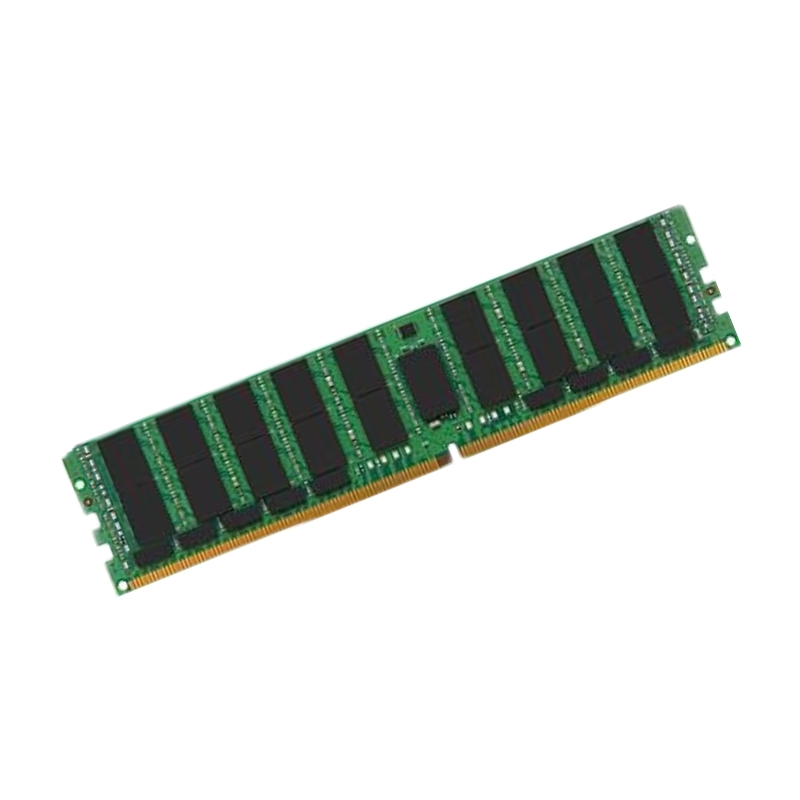
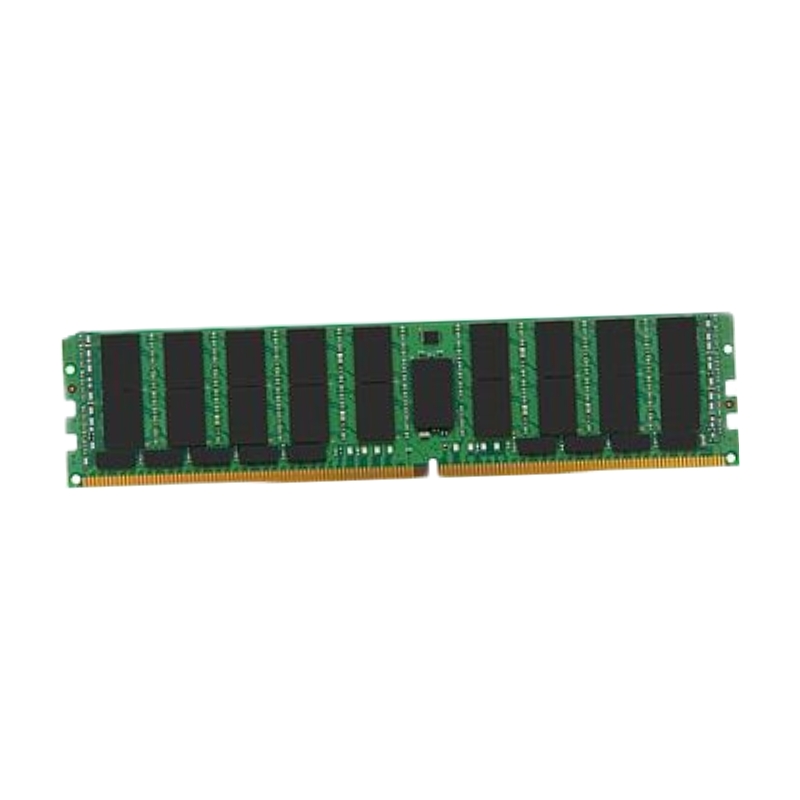
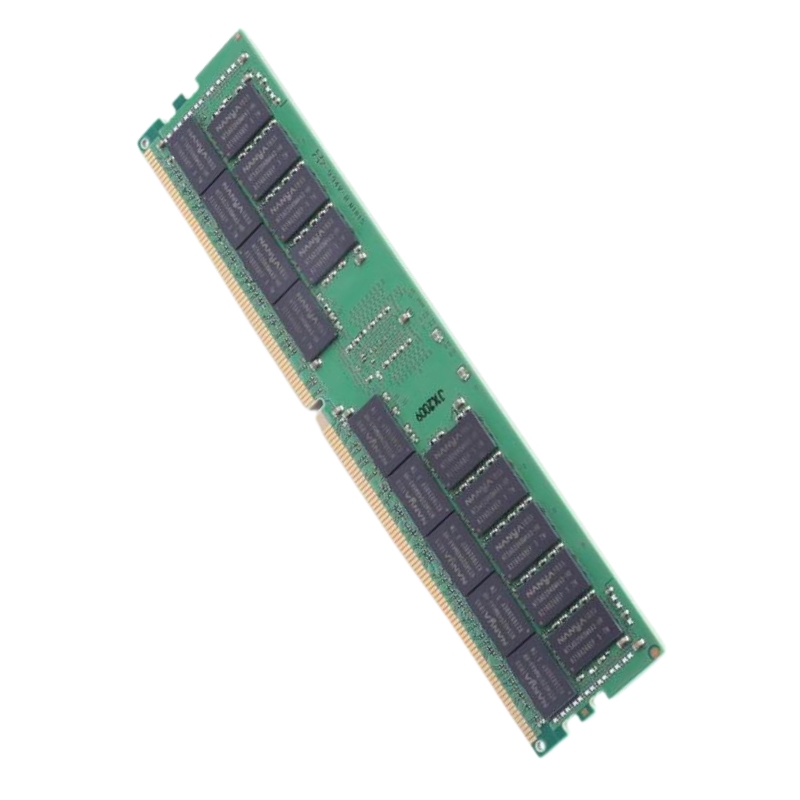
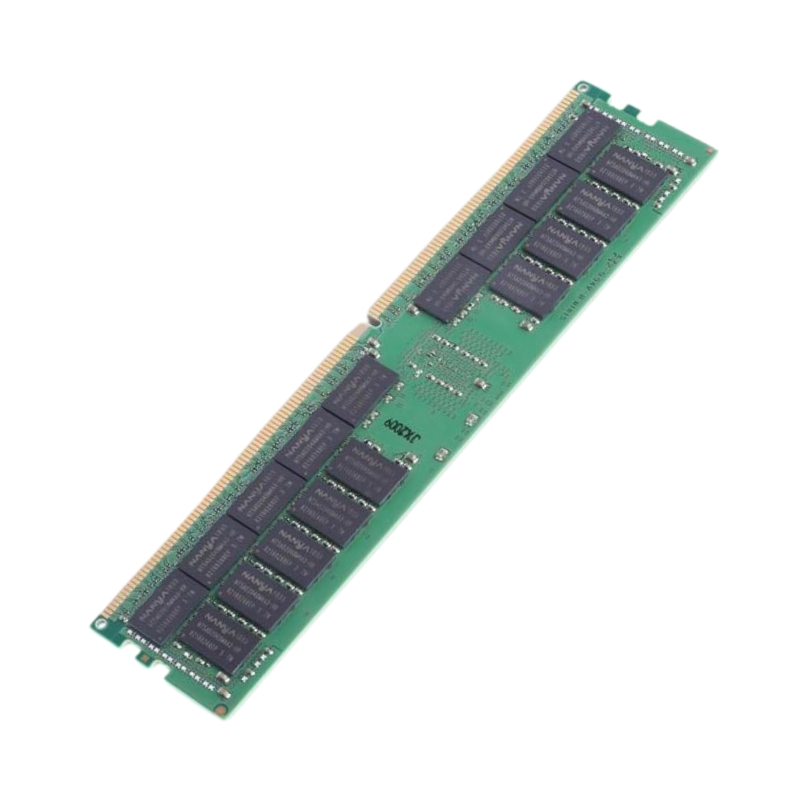
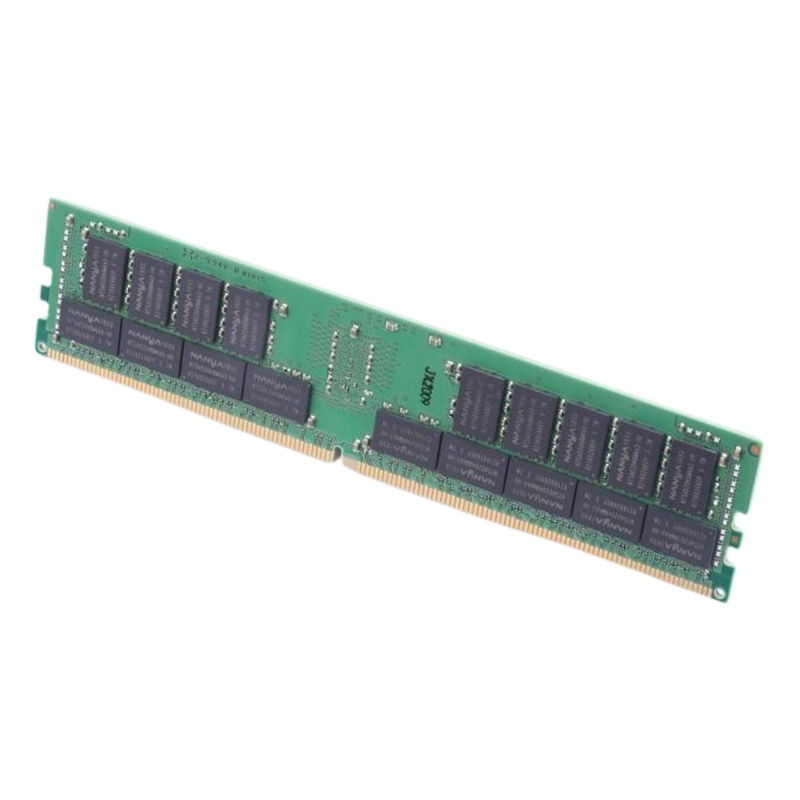
Supermicro MEM-DR532MD-ER48 32GB DDR5 4800MT/s PC5-38400 2RX8 ECC SDRAM Ram. New Sealed in Box (NIB) with 3 Year Warranty - Samsung Version
The Supermicro MEM-DR532MD-ER48 is a high-performance DDR5 RDIMM memory module designed for enterprise servers requiring reliable speed, error-free operation, and consistent data integrity. Ideal for virtualization, cloud computing, and mission-critical workloads, this module enhances server responsiveness and efficiency.
The Supermicro MEM-DR532MD-ER48 32GB DDR5 4800MT/s PC5-38400 2Rx8 ECC SDRAM RAM belongs to a high-performance category of DDR5 server memory engineered for enterprise-grade servers, data centers, and cloud computing environments. This category of memory modules represents a major advancement over DDR4, offering increased bandwidth, higher capacity, lower power consumption, and advanced reliability features. These improvements enable servers to handle demanding workloads such as virtualization, AI inference, high-performance computing, real-time analytics, and large-scale database management.
DDR5 memory architecture introduces several improvements over DDR4, including increased bank groups, improved command bus efficiency, and enhanced prefetch capabilities. The 4800MT/s speed grade of this category provides a theoretical peak bandwidth of 38.4GB/s per module (PC5-38400), delivering higher data throughput for multi-threaded and memory-intensive workloads. In modern enterprise servers, where multiple CPU cores operate concurrently, high memory bandwidth is critical to prevent data bottlenecks. DDR5 4800MT/s modules in this category ensure that the CPU receives data efficiently, improving overall system performance and responsiveness. Enhanced bandwidth is particularly important for applications requiring frequent access to large datasets, including analytics, AI workloads, and in-memory database operations.
Memory bandwidth directly impacts the efficiency of enterprise applications. Virtualization platforms, containerized workloads, and cloud-based services benefit from the increased throughput provided by DDR5 4800MT/s memory. By enabling rapid data movement between memory and CPU caches, this category reduces latency and improves transaction processing times, which is essential in high-demand environments such as financial services and e-commerce. The PC5-38400 bandwidth of this category also supports CPU-intensive workloads, including scientific simulations, real-time analytics, and AI inference pipelines. Servers equipped with these modules can maintain high processing efficiency even under peak loads.
Error Correcting Code (ECC) functionality is a defining feature of this server memory category. ECC continuously monitors memory for single-bit errors and automatically corrects them, preventing data corruption and system instability. In enterprise environments, ECC is essential for mission-critical workloads where accuracy, uptime, and data integrity are non-negotiable. This category of DDR5 ECC SDRAM is designed for continuous operation under intensive workloads, such as multi-node virtualization clusters and cloud data centers. ECC protection ensures that transient errors, caused by electrical interference or component aging, do not impact application stability.
Servers running 24/7 workloads require consistent memory performance. ECC memory in this category prevents silent data corruption, reducing the risk of application errors, system crashes, and data loss. Industries like healthcare, finance, scientific research, and enterprise IT rely on this protection to maintain operational continuity and compliance with stringent data integrity standards. In addition to error correction, ECC memory provides predictive monitoring capabilities in some implementations, allowing system administrators to detect potential failures before they affect performance. This proactive reliability is critical for long-term data center operations.
The dual-rank (2Rx8) design is an essential feature of this DDR5 memory category, allowing improved memory access efficiency. Dual-rank modules interleave memory requests across ranks, reducing idle cycles and enhancing effective bandwidth. This design is especially beneficial in multi-core and multi-threaded environments, where multiple processes access memory simultaneously. Dual-rank modules also allow more efficient channel population, enabling administrators to scale memory capacity in multi-socket servers while maintaining high throughput. By distributing data across two ranks, memory modules in this category ensure balanced utilization of bandwidth and consistent latency across operations.
Memory interleaving across ranks allows the CPU to access one rank while the other is being refreshed, providing continuous data flow and increasing effective throughput. This design improves performance in workloads with high concurrency, such as virtualization, cloud infrastructure, and containerized applications. Servers equipped with dual-rank DDR5 modules can achieve higher bandwidth utilization and more predictable performance under intensive workloads. Through optimized interleaving, administrators can design memory layouts that maximize bandwidth and minimize latency, ensuring that servers operate efficiently and consistently.
The x8 DRAM organization in MEM-DR532MD-ER48 modules ensures compatibility with ECC logic and modern server architectures. X8 chips are widely adopted in enterprise memory modules because they provide a balanced combination of reliability, performance, and compatibility. This configuration supports ECC functionality without affecting module speed, making it ideal for high-performance and mission-critical applications. This category adheres to JEDEC and Supermicro validation standards, ensuring seamless integration with supported server platforms. Consistent compliance with industry standards reduces compatibility issues and simplifies memory deployment across multiple server models.
Memory modules in this category undergo rigorous testing for performance, stability, and platform compatibility. Validation includes signal integrity testing, timing verification, ECC functionality assessment, and stress testing under sustained workloads. This ensures reliable operation in multi-socket servers and high-density data center environments, reducing the risk of downtime due to memory faults. Using validated memory modules also simplifies server deployment and management, providing administrators with confidence in the reliability and performance of installed memory.
High-density memory configurations produce significant heat, particularly when multiple dual-rank modules are installed in multi-socket servers. DDR5 4800MT/s modules are designed to operate reliably within specified thermal limits, ensuring consistent performance under continuous workloads. Effective heat dissipation and stable electrical characteristics contribute to long-term module reliability, which is critical for enterprise and data center operations. Proper thermal management allows administrators to maximize server density without sacrificing performance or reliability, supporting mission-critical workloads.
The 288-pin RDIMM form factor standardizes mechanical and electrical compatibility for DDR5 server memory. Modules in this category conform to this specification, ensuring compatibility with Supermicro servers and other enterprise platforms. The RDIMM design supports registered memory buffers, improving signal integrity and stability, particularly in multi-socket server environments. This category simplifies memory installation, replacement, and upgrades, reducing downtime and minimizing the risk of installation errors. Standardized form factors also support flexible server configurations, allowing administrators to scale memory capacity efficiently.
For maximum performance, servers should populate memory channels in balanced configurations. Dual-rank DDR5 modules in this category enable optimal channel interleaving, improving effective bandwidth utilization and reducing latency. Strategic channel population ensures consistent memory performance, which is critical for high-performance computing, virtualization, and cloud infrastructure. The 32GB module size provides administrators with flexibility to expand memory capacity incrementally, aligning with enterprise scalability requirements.
Memory in this category is designed for enterprise and data center applications that require high bandwidth, reliability, and low latency. Virtualization platforms benefit from faster memory access, enabling higher virtual machine density without compromising performance. Database servers rely on ECC protection and dual-rank design for consistent transaction processing and data integrity. Analytics, AI workloads, and real-time data processing benefit from DDR5 4800MT/s memory by accelerating access to large datasets, reducing processing times, and enabling timely insights. High-performance computing applications, including simulations, scientific research, and financial modeling, also leverage this category for efficient memory-intensive computation.
DDR5 4800MT/s ECC modules support cloud and hype converged infrastructures by providing predictable performance, high reliability, and scalable memory capacity. Standardized 32GB modules allow for flexible expansion and easier planning for future growth. In multi-tenant environments, consistent memory performance ensures balanced resource allocation and responsive workloads. This category aligns with enterprise strategies for virtualization, hybrid cloud, and hyperscale deployments, supporting scalable, high-density, and reliable infrastructure.
This category of DDR5 memory is designed to meet the evolving demands of enterprise servers. It supports incremental capacity expansion while maintaining performance in multi-socket configurations. With 32GB modules, administrators can build high-density server configurations capable of supporting future workloads without disruptive hardware replacements. Scalability considerations include balanced channel population, memory interleaving, and compatibility with multi-core processors. This category ensures that servers remain future-ready, supporting increasing core counts, higher memory channel requirements, and more demanding workloads over time.
DDR5 4800MT/s ECC memory modules in this category are engineered for continuous 24/7 operation under heavy workloads. Rigorous testing, ECC validation, and stress analysis ensure predictable performance and minimize system downtime. Administrators benefit from reduced maintenance requirements and enhanced operational reliability in high-performance, mission-critical environments. By deploying memory from this category, enterprises protect their infrastructure investments, maintain service level agreements, and ensure long-term stability in dynamic computing environments.
Mission-critical servers require memory that maintains consistent performance under continuous operation. DDR5 4800MT/s ECC SDRAM modules deliver predictable throughput and low latency even during peak workloads. This is essential for applications such as high-frequency trading, AI inference, and large-scale analytics, where performance consistency directly affects operational efficiency. The combination of dual-rank architecture, ECC error correction, and thermal efficiency ensures that memory modules in this category continue to perform reliably, supporting enterprise service-level objectives and reducing the risk of unexpected downtime.
Modern enterprise servers often feature multiple CPU sockets and high core counts, placing increased demands on memory subsystems. DDR5 4800MT/s ECC RAM modules provide sufficient bandwidth and capacity per socket to support concurrent workloads effectively. Dual-rank x8 architecture enhances interleaving and concurrency, optimizing performance across multiple processors and threads. Deploying memory from this category ensures balanced, high-density server performance, supporting virtualization clusters, cloud platforms, and data analytics workloads with minimal memory bottlenecks.


 Contact Us
 Information
 Catalog
 Solid State Drives (SSD)
 Network Switches
 Hard Disk Drives
 HBA & Controllers
 PC & Servers
 PC & Server Memory
 CPU & Processors
 Network Routers
 Power Supplies
 Tape Drives & Libraries
 Network Devices
 Computer & Network Cables