
(7% discount is applied at checkout)
Cart is empty
Your go-to destination for cutting-edge server products
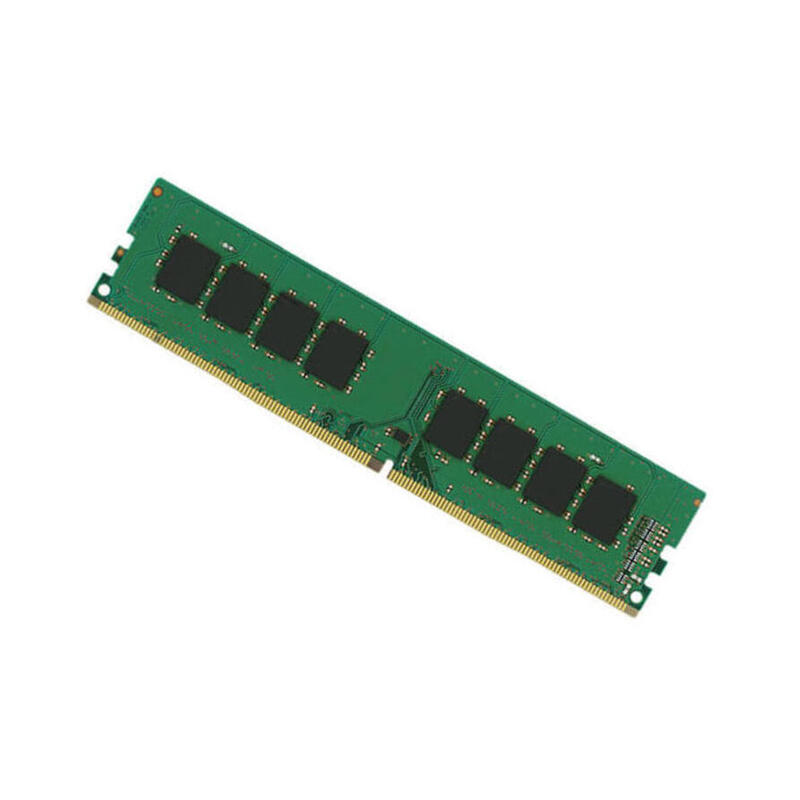
Supermicro MEM-DR532L-CL01-ER48 32GB 4800MT/s PC5-38400 Cl40 Ecc Registered Dual Rank X8 1.2v DDR5 SDRAM 288-Pin RDIMM Memory Module for Server. New Sealed in Box (NIB) with 3 Year Warranty - Micron Version
| SKU/MPN | Warranty | Price | Condition | You save |
|---|---|---|---|---|
| MEM-DR532L-CL01-ER48 | 1 Year Warranty | $1,243.00 | New (System) Pull | You save: $435.05 (26%) |
| MEM-DR532L-CL01-ER48 | 1 Year Warranty | $1,704.00 | New Sealed in Box (NIB) | You save: $596.40 (26%) |
The Supermicro MEM-DR532L-CL01-ER48 is a high-efficiency DDR5 server memory solution engineered for enterprise systems that demand speed, stability, and dependable data processing. Featuring ECC Registered architecture and next-generation bandwidth, this module is ideal for modern data centers and mission-critical server workloads.
The Supermicro MEM-DR532L-CL01-ER48 32GB DDR5 4800MT/s ECC Registered RDIMM belongs to a specialized category of enterprise-grade server memory modules designed to support modern computing infrastructures that demand high bandwidth, reliability, and long-term operational stability. This category focuses exclusively on DDR5 registered DIMM memory optimized for server and data center environments, where memory performance directly influences system responsiveness, virtualization density, database efficiency, and application scalability. Unlike consumer memory, server-class DDR5 RDIMM modules are engineered for sustained workloads, predictable latency behavior, and strict adherence to platform validation standards.
DDR5 SDRAM introduces significant architectural enhancements over previous generations, redefining how server memory handles bandwidth, power efficiency, and signal integrity. Within this category, DDR5 RDIMM modules such as the MEM-DR532L-CL01-ER48 leverage increased burst lengths, improved bank group structures, and enhanced channel efficiency to deliver higher effective throughput. These advancements are critical for server workloads that rely on rapid access to large datasets and parallel memory operations.
The PC5-38400 classification defines the bandwidth capabilities of this DDR5 memory category, indicating a theoretical peak transfer rate of 38.4 gigabytes per second per module. This level of bandwidth is essential for modern server CPUs that feature numerous cores and simultaneous multithreading capabilities. As core counts increase, the memory subsystem must supply data efficiently to prevent performance bottlenecks. Within this category, modules operating at 4800MT/s provide a balanced approach between speed and stability, ensuring compatibility with a wide range of server platforms while delivering substantial performance gains over DDR4-based systems.
Error Correcting Code technology is a defining attribute of this server memory category, addressing the critical need for data integrity in enterprise environments. ECC registered DIMM memory continuously monitors data for errors, detecting and correcting single-bit faults before they can propagate through applications or corrupt datasets. In mission-critical systems, even minor memory errors can have cascading effects, making ECC functionality indispensable. The registered DIMM architecture further enhances reliability by buffering command and address signals between the memory controller and DRAM chips. This buffering reduces electrical stress on the memory controller, enabling support for larger memory capacities and more populated DIMM slots.
ECC memory plays a vital role in maintaining system stability under continuous load, particularly in environments running databases, financial applications, and scientific computations. These workloads often involve complex calculations and persistent data structures that cannot tolerate silent data corruption. By correcting errors in real time, ECC registered memory helps ensure consistent application behavior and reliable output. This category of DDR5 ECC RDIMM memory is therefore essential for organizations that must comply with strict data integrity standards and service-level agreements. The inclusion of ECC support aligns with enterprise best practices for risk mitigation and operational resilience.
The dual rank configuration of the Supermicro MEM-DR532L-CL01-ER48 module is a key characteristic of this memory category, influencing how data is accessed and managed by the memory controller. Dual rank memory effectively presents two sets of memory banks within a single module, allowing the controller to interleave operations and improve overall throughput. This design can lead to measurable performance improvements in real-world server workloads. In multi-core server environments, dual rank memory helps maintain efficient utilization of memory channels by reducing idle cycles and enabling better parallelism. This category of memory is well-suited for applications that generate high levels of concurrent memory access, such as virtual machine hosting and containerized workloads.
Memory interleaving is a technique used by modern server CPUs to distribute memory accesses across multiple ranks and channels. Dual rank DDR5 RDIMM modules support more effective interleaving strategies, which can enhance bandwidth utilization and reduce access latency variability. Within this category, dual rank configurations contribute to more predictable performance under mixed workloads. For IT professionals optimizing server configurations, selecting dual rank memory modules is often a strategic choice that balances capacity and performance. This category supports such optimization efforts by offering standardized dual rank designs validated for enterprise use.
The x8 DRAM organization of this memory module category reflects industry-standard practices for ECC server memory. X8 configurations allow ECC algorithms to function efficiently, providing robust error detection and correction without excessive overhead. This organization is widely supported by server chipsets and memory controllers, ensuring broad compatibility across platforms. Within this category, x8 DRAM modules are preferred for enterprise deployments due to their balance of reliability and performance. They align with motherboard design requirements and firmware expectations, reducing the risk of incompatibility issues during system integration or upgrades.
Server memory must meet stringent validation criteria to ensure stable operation across different workloads and environmental conditions. X8 ECC RDIMM memory modules are extensively tested against supported platforms to verify signal integrity, timing margins, and thermal behavior. This category emphasizes compatibility and reliability over experimental configurations. By adhering to established DRAM organization standards, this category of memory supports long-term deployment strategies and simplifies lifecycle management for enterprise IT teams.
Server memory operates continuously under heavy workloads, requiring consistent thermal performance to maintain reliability. DDR5 RDIMM modules are designed to operate within defined thermal envelopes, ensuring stable performance even during peak utilization. The power efficiency characteristics of this category help reduce thermal stress on both the memory modules and surrounding components. Thermal stability is particularly important in enterprise environments where systems run 24/7 and downtime is unacceptable. This category prioritizes designs that support sustained operation over extended periods.
The 288-pin RDIMM form factor is a defining physical characteristic of DDR5 server memory in this category. This standardized form factor ensures mechanical compatibility with DDR5-capable server motherboards and supports the signaling requirements necessary for high-speed operation. The pin layout is optimized for signal integrity, power delivery, and ground distribution. Within this category, the 288-pin RDIMM design enables straightforward installation and replacement, facilitating maintenance and upgrades in enterprise environments. IT professionals can deploy memory expansions with confidence, knowing that the modules conform to industry standards.
Server memory modules must withstand repeated installation cycles and operate reliably in varying environmental conditions. The mechanical design of 288-pin RDIMM modules emphasizes durability and precise alignment, reducing the risk of connection issues. Electrically, the design supports high-speed data transfer while minimizing noise and interference. This category reflects a mature design approach that balances performance requirements with practical deployment considerations.
Supermicro server memory modules are validated as part of a comprehensive ecosystem that includes motherboards, CPUs, and firmware. This validation process ensures that memory operates as intended under supported configurations, reducing the likelihood of compatibility-related issues. The MEM-DR532L-CL01-ER48 module exemplifies this approach, aligning with Supermicro’s standards for quality and reliability. Within this category, validated memory modules simplify procurement and deployment decisions for organizations that standardize on Supermicro platforms. Using validated components helps maintain consistent performance and supportability across the infrastructure.
Server memory behavior is influenced by BIOS and firmware settings that control timing, voltage, and error correction mechanisms. Validated DDR5 RDIMM modules are tested to ensure proper initialization and stable operation across supported firmware versions. This category emphasizes compatibility across updates, supporting long-term system maintenance. Reliable firmware interaction reduces the risk of unexpected behavior during system updates, contributing to overall infrastructure stability.
This category of DDR5 ECC registered memory is optimized for a wide range of enterprise workloads, each with unique memory demands. Virtualization platforms benefit from high bandwidth and capacity, enabling higher virtual machine density and improved resource utilization. Database servers leverage ECC protection and consistent latency behavior to maintain transactional integrity. Analytics and big data workloads require rapid access to large datasets, making DDR5 bandwidth a critical factor in performance. This category supports such workloads by delivering sustained throughput and reliable operation under heavy load.
Cloud environments rely on flexible and scalable memory configurations to accommodate dynamic workloads. DDR5 RDIMM memory modules provide the foundation for such scalability, allowing cloud operators to adjust memory allocations as demand changes. This category supports multi-tenant environments where isolation and reliability are paramount. By using standardized 32GB modules, cloud architects can balance capacity and cost while maintaining performance consistency across nodes.
Effective memory population strategies are essential for maximizing server performance. This category of memory supports balanced population across channels and ranks, enabling optimal bandwidth utilization. The 32GB capacity point offers flexibility for scaling memory capacity incrementally without disrupting existing configurations. Scalability is particularly important in multi-socket servers, where memory must be distributed evenly to avoid performance imbalances. DDR5 RDIMM memory in this category supports such balanced configurations.
Adopting DDR5 memory is a strategic decision for organizations planning long-term infrastructure investments. This category supports future CPU generations and emerging workloads that demand higher memory bandwidth and capacity. By deploying DDR5 RDIMM memory now, enterprises can reduce the need for disruptive upgrades later. Future-proofing considerations include compatibility, scalability, and performance headroom, all of which are addressed by this memory category.
Server memory reliability is paramount in enterprise environments where systems operate continuously. This category emphasizes rigorous quality control processes, including stress testing and validation under various operating conditions. ECC registered memory is designed to detect and correct errors proactively, reducing the risk of system instability. Long-term operation requires stable electrical characteristics and conservative timing parameters that prioritize reliability. This category reflects an engineering philosophy focused on sustained performance rather than short-term benchmarks.
From procurement to decommissioning, server memory plays a role in the overall lifecycle of enterprise infrastructure. This category supports predictable maintenance schedules and simplifies troubleshooting by adhering to standardized designs and validation practices. IT teams benefit from reduced complexity and improved reliability. By selecting memory modules within this category, organizations can align their hardware choices with enterprise operational requirements.
High-demand environments such as financial services, healthcare, and telecommunications require memory that delivers consistent performance under constant load. DDR5 ECC RDIMM memory in this category is engineered to meet these demands, supporting continuous operation without degradation. Performance consistency is critical for maintaining service quality and user experience. The combination of bandwidth, error correction, and thermal efficiency ensures that systems remain responsive even during peak usage periods. This category is therefore integral to mission-critical deployments.
Modern enterprise servers often feature multi-socket architectures that require coordinated memory access across processors. DDR5 RDIMM memory supports these architectures by providing sufficient bandwidth and capacity per socket. This category enables balanced memory configurations that maximize overall system throughput. Proper support for multi-socket systems is essential for workloads that scale across many cores. This memory category addresses these requirements through standardized designs and validated compatibility.


 Contact Us
 Information
 Catalog
 Solid State Drives (SSD)
 Network Switches
 Hard Disk Drives
 HBA & Controllers
 PC & Servers
 PC & Server Memory
 CPU & Processors
 Network Routers
 Power Supplies
 Tape Drives & Libraries
 Network Devices
 Computer & Network Cables