(7% discount is applied at checkout)
Cart is empty
Your go-to destination for cutting-edge server products


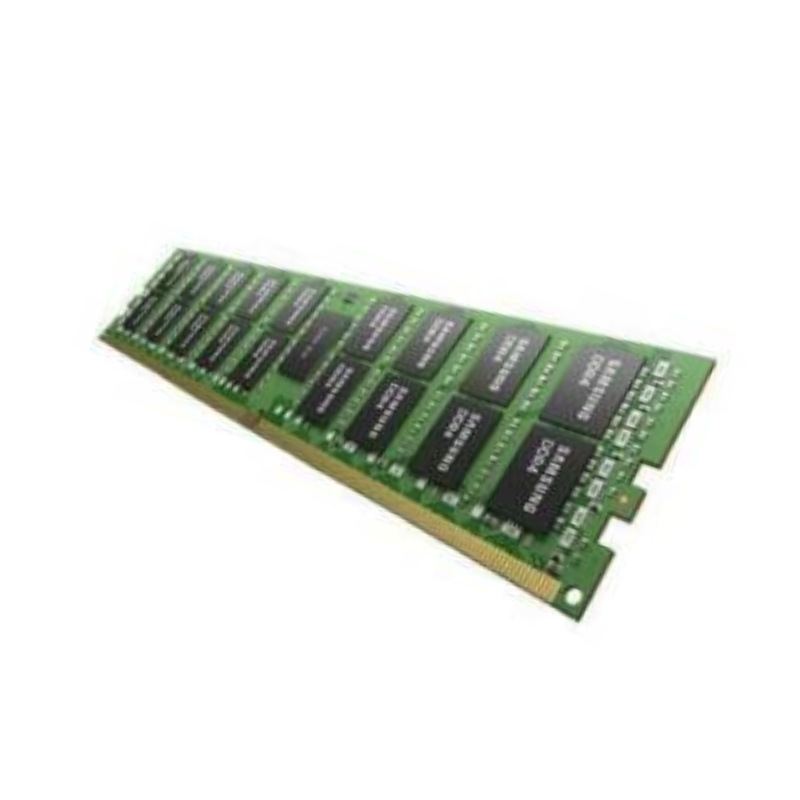
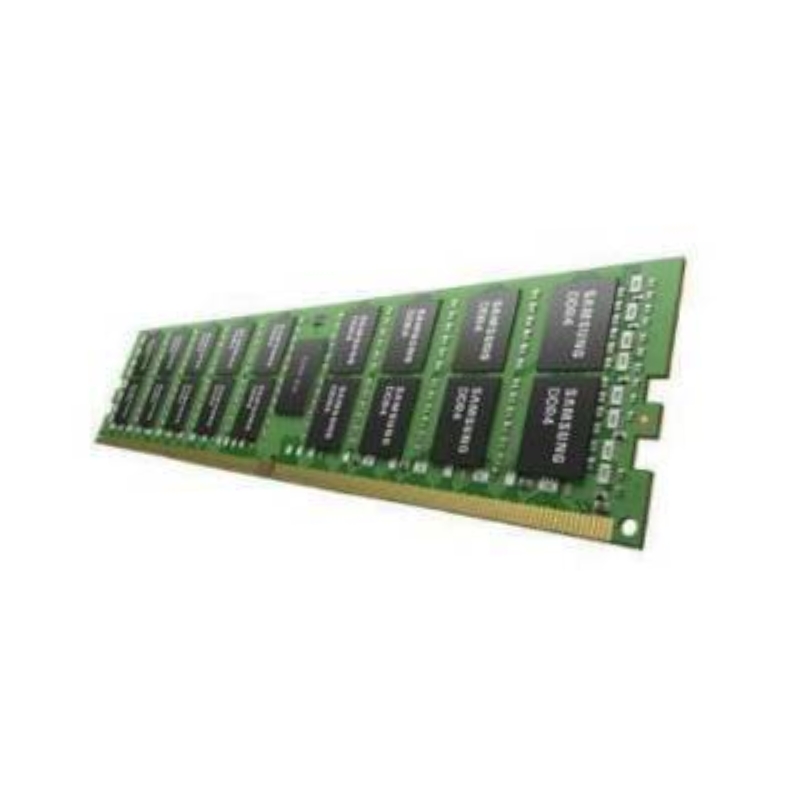
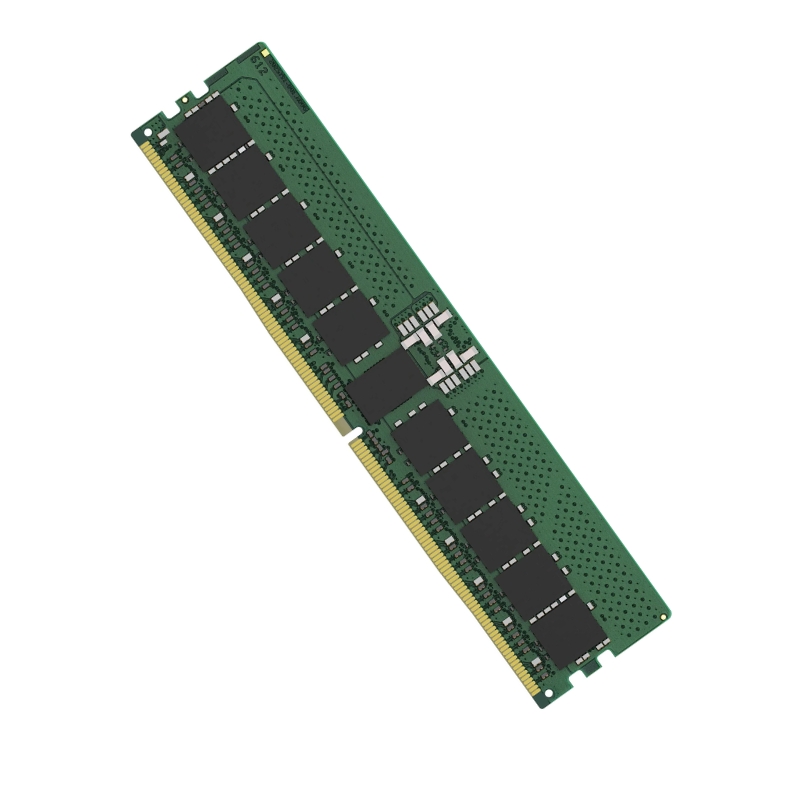
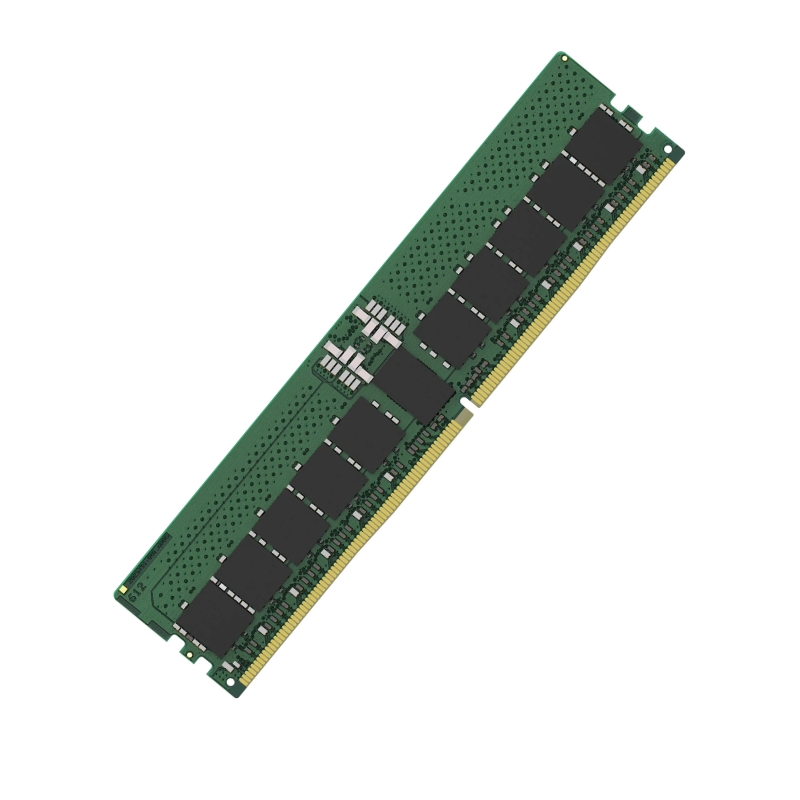
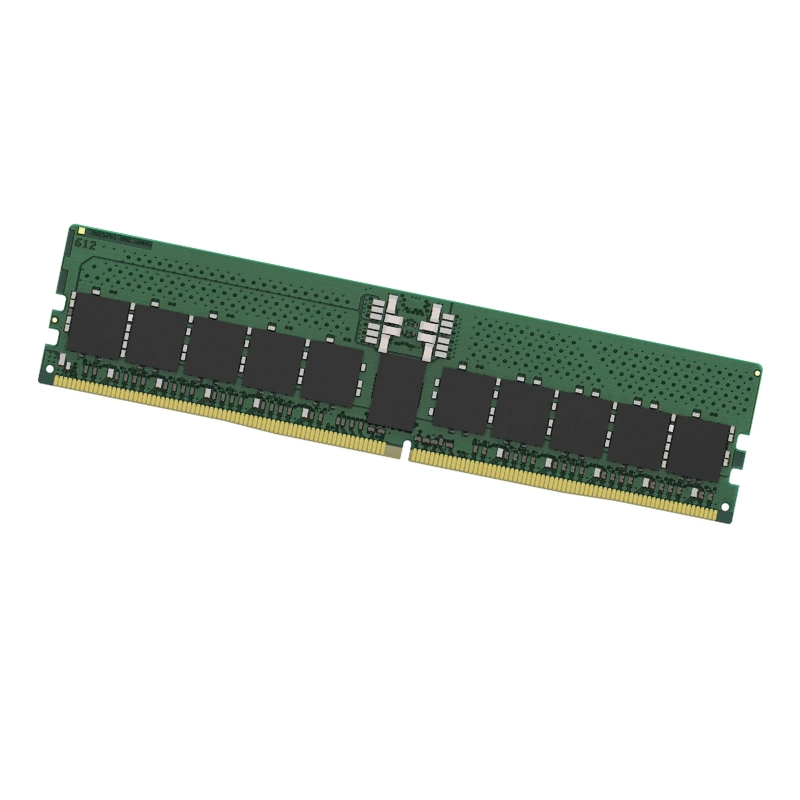
Supermicro MEM-DR532MD-ER48 32GB DDR5 4800MT/s PC5-38400 2RX8 ECC SDRAM Ram. New (System) Pull with 1 year replacement warranty - Samsung Version
The Supermicro MEM-DR532MD-ER48 is a premium DDR5 RDIMM memory module engineered for enterprise servers requiring high-speed performance, reliable stability, and advanced error correction. Optimized for virtualization, cloud computing, and critical workloads, this module enhances server efficiency and data integrity.
The Supermicro MEM-DR532MD-ER48 32GB DDR5 4800MT/s PC5-38400 2Rx8 ECC SDRAM RAM is a high-performance memory module category engineered specifically for enterprise servers, hyperscale data centers, and high-end computing environments. DDR5 memory in this category represents the next evolution in server memory technology, providing higher bandwidth, increased density, improved power efficiency, and advanced reliability compared to previous DDR4 generations. Designed for modern computing workloads such as virtualization, cloud computing, in-memory analytics, AI inference, and large-scale database operations, this category ensures that critical workloads can run seamlessly without memory bottlenecks.
DDR5 4800MT/s memory introduces several architectural advancements over DDR4, including higher memory transfer rates, improved bank group management, enhanced command/address bus efficiency, and longer burst lengths. These improvements enable servers to handle intensive workloads with greater efficiency. The PC5-38400 designation reflects a theoretical peak bandwidth of 38.4GB/s per module, providing robust throughput for multi-threaded, data-intensive tasks. This memory category ensures that modern server CPUs, which often have high core counts, are not limited by memory bandwidth.
DDR5 4800MT/s memory significantly improves the performance of workloads that require simultaneous access to large datasets. Enterprise applications, such as database management systems, in-memory analytics platforms, and real-time business intelligence tools, benefit from rapid memory access, enabling faster query responses and lower data processing latency. The increased bandwidth reduces CPU stalls and improves overall server responsiveness. High-performance computing workloads, including scientific simulations, AI model training, and computational finance, also benefit from DDR5 4800MT/s modules. These modules ensure that memory throughput matches the high-speed demands of modern multi-core processors, supporting scalable and efficient execution of concurrent tasks across multiple threads and processes.
One of the defining features of this server memory category is ECC support. ECC (Error Correcting Code) SDRAM provides real-time error detection and correction, preventing single-bit memory errors from propagating and affecting system stability. This feature is critical for enterprise-grade systems that must operate continuously without failure, such as mission-critical financial systems, healthcare infrastructure, and cloud data centers. ECC memory in this category ensures that memory errors caused by electrical interference, radiation, or component wear are automatically corrected, providing predictable and reliable operation. The combination of high-speed DDR5 technology and ECC functionality allows this memory category to maintain both performance and accuracy in high-demand environments.
Enterprise servers are expected to operate continuously under heavy loads, often 24/7. ECC memory prevents silent data corruption, which can lead to data inconsistencies, application failures, and system crashes. In industries with strict compliance and data integrity requirements, ECC functionality is indispensable. By using memory modules from this category, organizations can mitigate risks associated with memory errors, ensuring continuous operation and reliable results across all workloads. ECC also allows for predictive error detection in some implementations, alerting administrators to potential component failures before they impact operations. This proactive reliability is essential in high-availability and mission-critical server environments.
The 2Rx8 dual-rank architecture is a critical feature of this DDR5 memory category. Dual-rank modules contain two ranks of DRAM chips, allowing the memory controller to interleave memory access between ranks. This interleaving improves effective memory bandwidth, reduces idle cycles, and ensures consistent performance under high concurrency. Dual-rank design is particularly advantageous in multi-core server architectures, where multiple threads simultaneously request memory access. Dual-rank modules also improve channel utilization in multi-socket servers, enabling administrators to achieve higher total memory capacity while maintaining optimal performance. Memory interleaving across ranks ensures balanced utilization of available bandwidth and consistent latency across operations, providing a significant advantage for high-demand workloads.
Memory interleaving is a technique that allows the CPU to access one rank while the other rank undergoes refresh cycles. This results in continuous data flow, higher effective throughput, and reduced memory latency. Dual-rank modules in this category leverage interleaving to maximize performance in multi-threaded workloads, virtualization platforms, and cloud infrastructure environments. By optimizing rank interleaving and channel utilization, this memory category ensures that server systems achieve predictable, high-performance memory operation, even under sustained heavy workloads. This is critical for IT administrators designing enterprise-class servers for maximum efficiency and reliability.
The x8 DRAM organization used in MEM-DR532MD-ER48 modules provides a balanced approach to performance, reliability, and compatibility. X8 chips are widely adopted in ECC memory, allowing efficient error correction without impacting speed. This configuration ensures that ECC logic operates efficiently, maintaining both high throughput and system stability. Compliance with JEDEC and Supermicro validation standards guarantees compatibility with a wide range of enterprise servers. Administrators benefit from predictable integration, reduced deployment complexity, and long-term platform reliability. Standardization also ensures that memory modules can be deployed across multiple server generations, supporting scalability and future-proofing.
Modules in this category undergo rigorous testing for timing accuracy, signal integrity, ECC functionality, and sustained performance under load. Validation ensures that memory modules operate reliably in multi-socket servers, high-density racks, and data center clusters. By using validated memory, organizations reduce the risk of compatibility issues and improve system stability, providing confidence in mission-critical operations. Testing also includes thermal and voltage stability assessments, ensuring that memory modules can operate under continuous heavy workloads without degradation or failure. This level of quality assurance is essential for high-performance computing environments.
Servers with high memory density face increased thermal loads, particularly in multi-socket configurations. DDR5 4800MT/s modules are designed to operate within defined thermal limits, maintaining consistent performance even during sustained heavy workloads. Effective heat dissipation and electrical stability are essential for reliability in enterprise servers, data centers, and high-performance computing systems. Optimized thermal design allows administrators to maximize memory density and performance while maintaining safe operating temperatures, ensuring long-term stability and minimizing operational risk.
The 288-pin RDIMM form factor ensures mechanical and electrical compatibility with modern server motherboards. This standardized design supports registered memory buffers, improving signal integrity, reducing electrical noise, and ensuring stable operation at high speeds. The RDIMM design in this category allows for flexible installation, upgrades, and replacement in enterprise environments. Standardized form factors also simplify memory channel population, enabling administrators to balance memory capacity and performance across multiple sockets. This flexibility is particularly valuable in multi-socket servers where channel optimization is critical for achieving peak performance.
For maximum performance, memory channels must be populated in balanced configurations. Dual-rank DDR5 modules in this category enable optimal channel interleaving, enhancing bandwidth utilization and reducing latency. Proper population ensures predictable performance and maximizes efficiency in workloads such as virtualization, AI processing, cloud infrastructure, and high-performance computing. The 32GB module capacity allows scalable memory deployment without redesigning server architecture, supporting future growth and high-density memory requirements in enterprise data centers.
This category of DDR5 4800MT/s ECC SDRAM memory is suitable for a broad range of enterprise applications. Virtualization platforms benefit from high-speed memory access, enabling greater virtual machine density while maintaining responsive performance. Database servers rely on ECC for accurate transaction processing and dual-rank architecture for efficient memory throughput. Analytics workloads, AI inference pipelines, and real-time business intelligence tools leverage high-bandwidth DDR5 memory to access large datasets quickly, reducing processing time and enabling timely insights. High-performance computing applications, such as simulations, scientific modeling, and financial calculations, also benefit from the memory throughput and reliability offered by this category.
DDR5 4800MT/s ECC memory supports cloud-native infrastructure and hyperconverged systems by delivering predictable performance and high reliability. Standardized 32GB modules enable modular expansion, simplifying capacity planning and long-term growth strategies. Multi-tenant environments benefit from consistent memory performance, ensuring efficient resource allocation and responsive workloads. This category aligns with enterprise cloud strategies, providing scalable, high-density memory that supports modern virtualization, hybrid cloud deployments, and hyperscale data center operations.
DDR5 4800MT/s memory in this category is designed to meet evolving enterprise server requirements. It supports incremental capacity expansion while maintaining high performance across multi-socket configurations. 32GB modules enable administrators to build high-density memory systems capable of supporting future workloads without disruptive hardware replacements. Scalability considerations include balanced channel population, rank interleaving, and compatibility with high-core-count processors. This memory category provides the flexibility to expand memory infrastructure while maintaining predictable performance, ensuring long-term reliability and future-proof investment protection.
DDR5 4800MT/s ECC modules are engineered for 24/7 operation under intensive workloads. Rigorous quality control, stress testing, ECC validation, and thermal performance verification ensure consistent operation and reduce the risk of failure. By deploying modules from this category, enterprises minimize maintenance overhead, maximize uptime, and achieve predictable performance for critical workloads. These modules provide a stable memory foundation for mission-critical servers, cloud platforms, virtualization clusters, and high-performance computing environments.
Servers running mission-critical workloads require memory that performs consistently under continuous load. DDR5 4800MT/s ECC SDRAM modules deliver predictable throughput, low latency, and robust stability, even during peak usage periods. Applications such as real-time analytics, high-frequency trading, AI inference, and large-scale simulations benefit from the uninterrupted performance provided by this category. The combination of dual-rank architecture, ECC protection, and thermal stability ensures reliable memory operation in multi-socket, high-density server environments. This memory category is optimized for modern enterprise and data center workloads, supporting high concurrency without bottlenecks.
Modern enterprise servers often include multiple CPU sockets and high-core-count processors, creating increased demands on the memory subsystem. DDR5 4800MT/s ECC RAM modules provide sufficient bandwidth and capacity per socket to support concurrent workloads effectively. Dual-rank x8 organization and high-speed DDR5 technology optimize memory interleaving and concurrency, reducing latency and maximizing CPU utilization. Deploying memory from this category allows IT administrators to build scalable, high-density server configurations capable of handling demanding enterprise workloads, virtualization environments, and cloud platforms without encountering memory bottlenecks.


 Contact Us
 Information
 Catalog
 Solid State Drives (SSD)
 Network Switches
 Hard Disk Drives
 HBA & Controllers
 PC & Servers
 PC & Server Memory
 CPU & Processors
 Network Routers
 Power Supplies
 Tape Drives & Libraries
 Network Devices
 Computer & Network Cables