(7% discount is applied at checkout)
Cart is empty
Your go-to destination for cutting-edge server products


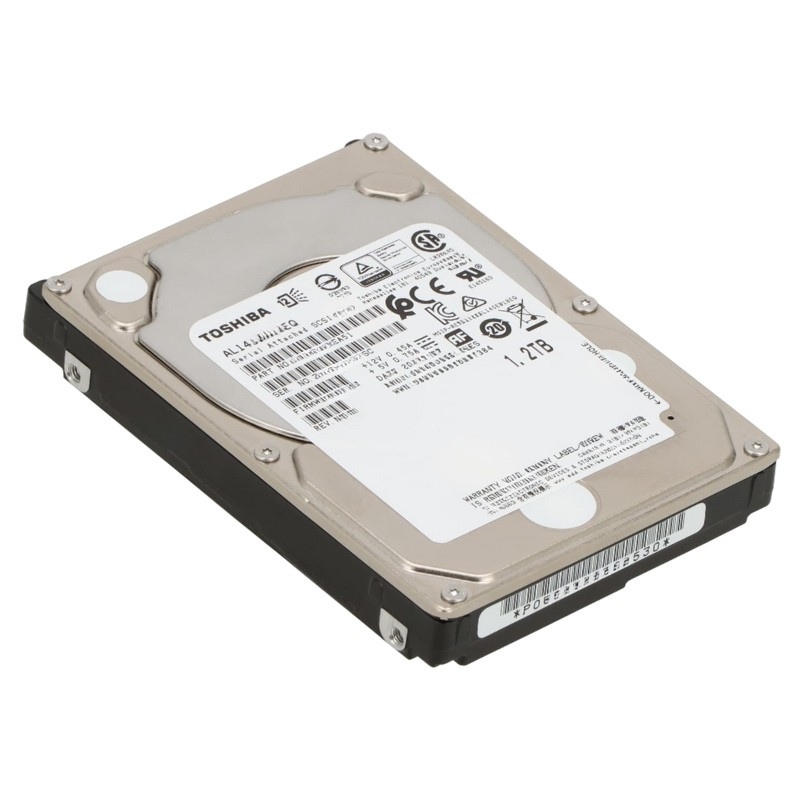
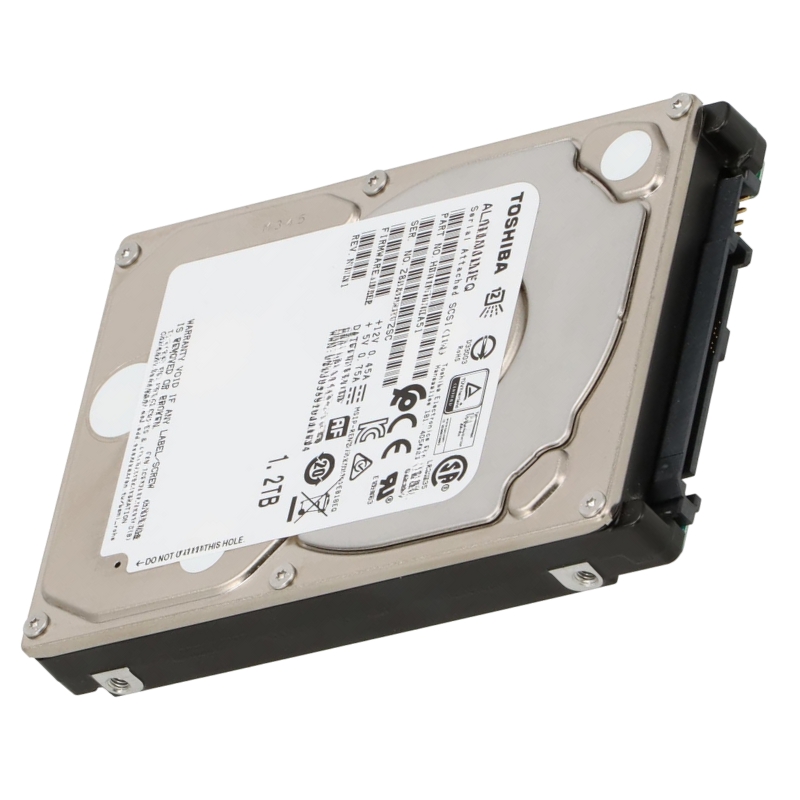
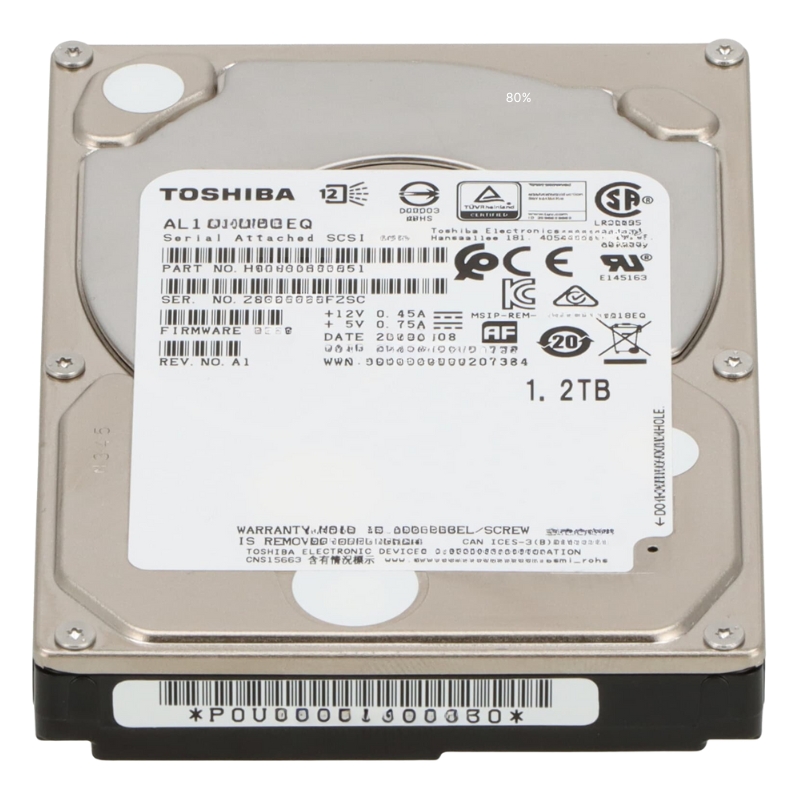
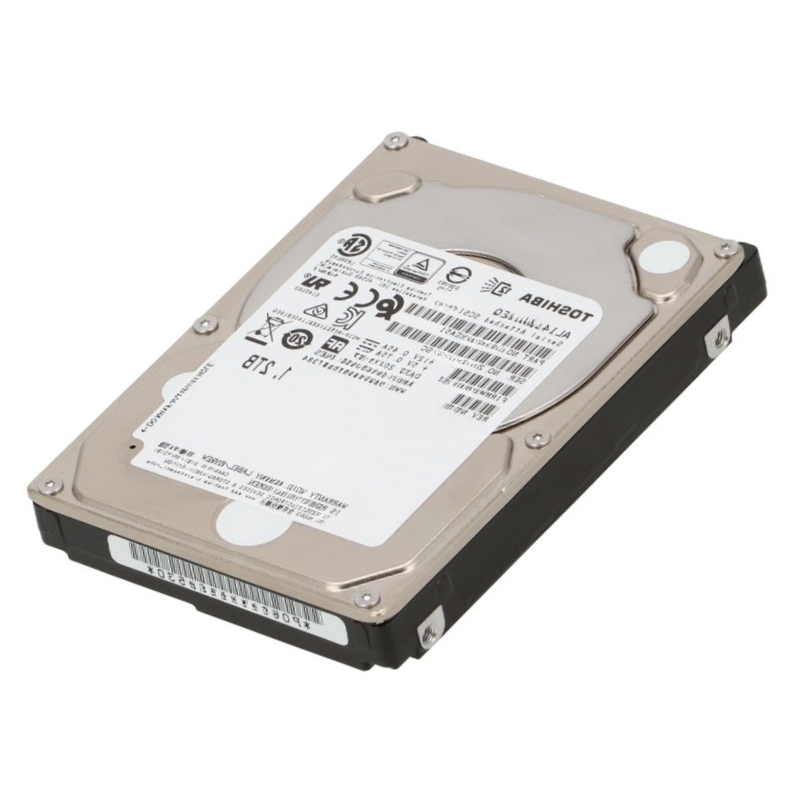
Toshiba AL15SEB120NY 10K RPM SAS 12GBPS Hard Disk Drive. Excellent Refurbished with 1 year replacement warranty - Dell Version
The TOSHIBA AL15SEB120NY is a premium-grade enterprise hard disk drive engineered for demanding IT infrastructures requiring speed, reliability, and sustained performance. Designed for mission-critical workloads, this 1.2TB 2.5-inch SAS HDD delivers consistent throughput and robust data integrity for modern data centers.
The Toshiba AL15SEB120NY 1.2TB 10000RPM SAS-12Gbps 2.5-inch Enterprise Internal HDD belongs to a high-performance class of enterprise storage solutions designed for mission-critical workloads, data-intensive applications, and server-grade infrastructure environments. This category represents a segment of enterprise hard disk drives (HDDs) that prioritize reliability, sustained performance, high input/output operations per second (IOPS), and long-term durability under continuous operation. Within enterprise storage architectures, this type of 2.5-inch SAS HDD is widely deployed in data centers, virtualization platforms, cloud storage nodes, and high-availability enterprise servers where consistent performance is more important than consumer-grade storage capacity or cost efficiency.
The AL15SEB series from Toshiba is engineered to bridge the gap between traditional spinning disk storage and modern hybrid storage environments. The 1.2TB capacity model, specifically the AL15SEB120NY variant, stands out as a balanced solution offering moderate capacity with high rotational speed and enterprise-level SAS connectivity. Its 10,000 RPM spindle speed ensures faster access times compared to standard 7,200 RPM drives, while the 12Gbps SAS interface enables superior data throughput and improved command queuing for enterprise workloads.
Enterprise SAS hard drives such as the Toshiba AL15SEB120NY are designed for environments where uptime, data integrity, and consistent throughput are critical. The SAS (Serial Attached SCSI) interface is a defining characteristic of this category, offering dual-port redundancy, higher queue depth handling, and improved reliability over SATA-based alternatives. This makes SAS drives particularly suitable for enterprise storage arrays, RAID configurations, and high-availability systems.
In modern IT infrastructures, enterprise SAS HDDs still play a vital role despite the rise of SSDs and NVMe storage. They are widely used in tiered storage systems where frequently accessed "hot data" may reside on faster SSDs, while "warm" or less frequently accessed data is stored on high-performance HDDs like the AL15SEB120NY. This layered storage approach helps organizations optimize costs while maintaining performance efficiency across workloads.
The 2.5-inch form factor of the Toshiba AL15SEB120NY provides several operational advantages in enterprise environments. Smaller physical size allows data centers to increase storage density per rack unit, significantly improving space utilization. Compared to 3.5-inch drives, 2.5-inch enterprise HDDs consume less power and generate lower heat output, which contributes to more efficient thermal management in densely populated server chassis.
This form factor is also highly compatible with blade servers, rack-mounted storage arrays, and modular storage systems. The compact design enables system architects to configure large-scale storage clusters without compromising airflow efficiency or increasing cooling requirements excessively. As a result, 2.5-inch SAS HDDs remain a preferred choice for enterprise storage expansion projects.
The Toshiba AL15SEB series is engineered with a focus on enterprise-grade reliability and performance consistency. The AL15SEB120NY model incorporates advanced mechanical and electronic design elements that ensure stable operation under 24/7 workloads. These drives are typically built to support high annual workload ratings, making them suitable for continuous read/write environments found in enterprise applications.
Toshiba’s engineering philosophy for this category emphasizes vibration resistance, thermal stability, and error recovery optimization. Enterprise data centers often operate thousands of drives simultaneously, and mechanical vibration can significantly impact performance. The AL15SEB series integrates rotational vibration (RV) sensors that dynamically adjust drive behavior to maintain performance stability in multi-drive environments.
A defining feature of the Toshiba AL15SEB120NY is its 10,000 RPM spindle speed. This rotational speed significantly enhances data access times compared to lower RPM drives. Faster spindle rotation reduces latency during seek operations, allowing the drive to retrieve data more quickly from platters. In enterprise workloads involving transactional databases, virtualization storage, and real-time analytics, this performance improvement becomes highly valuable.
The increased RPM also contributes to higher sustained transfer rates. While SSDs dominate in raw speed, enterprise HDDs like the AL15SEB120NY provide a cost-effective balance of speed and capacity. The 10K RPM class is widely regarded as the "performance tier" of mechanical enterprise drives, sitting between high-capacity 7.2K drives and ultra-fast flash storage solutions.
Database systems such as SQL-based enterprise applications benefit significantly from the reduced latency and higher IOPS offered by 10K RPM SAS drives. Similarly, virtualization environments that host multiple virtual machines on shared storage arrays rely on consistent random read/write performance. The AL15SEB120NY supports these workloads by maintaining predictable access times even under heavy concurrent usage scenarios.
The SAS-12Gbps interface is a critical component of the Toshiba AL15SEB120NY’s performance architecture. SAS technology provides full-duplex communication, allowing simultaneous read and write operations, which significantly enhances overall throughput in enterprise systems. Compared to SATA interfaces, SAS offers improved scalability, reliability, and command handling capabilities.
In multi-drive RAID configurations, SAS drives excel due to their ability to manage large queue depths efficiently. This allows enterprise storage controllers to issue multiple simultaneous commands without performance degradation. The 12Gbps transfer rate ensures that the mechanical limitations of the HDD are complemented by a high-speed interface that minimizes bottlenecks at the controller level.
The AL15SEB120NY is commonly deployed in RAID arrays such as RAID 10, RAID 5, and RAID 6 configurations. These RAID levels provide varying balances between performance, redundancy, and storage efficiency. SAS drives are particularly well-suited for RAID environments because of their dual-port functionality, which allows failover support and improved system resilience.
In enterprise storage systems, data redundancy is not optional but essential. The SAS architecture ensures that even if one path fails, data access can continue through an alternate channel, minimizing downtime and preventing data loss. This makes the AL15SEB120NY suitable for mission-critical applications where continuous availability is mandatory.
Reliability is a defining factor in enterprise HDD categories, and the Toshiba AL15SEB120NY is designed to meet stringent durability standards. Enterprise drives are typically rated for significantly higher workload cycles compared to consumer drives. This ensures they can operate continuously under heavy read/write conditions for extended periods without failure.
Toshiba integrates advanced error correction algorithms and firmware-level optimizations to maintain data integrity. These features are essential in environments where data corruption or loss can have severe operational consequences. The drive is also designed for extended mean time between failures (MTBF), which is a critical metric in enterprise storage planning.
Efficient thermal control is crucial in data center environments where thousands of drives may operate simultaneously. The AL15SEB120NY is engineered to maintain stable operating temperatures even under sustained workloads. Lower thermal output reduces cooling requirements, which in turn lowers operational costs for large-scale data centers.
Power efficiency is another key consideration. While 10,000 RPM drives inherently consume more power than slower drives, Toshiba optimizes firmware and mechanical design to ensure balanced energy usage. This makes the drive suitable for large deployments where power consumption per unit directly impacts infrastructure scalability.
The Toshiba AL15SEB120NY is widely used in enterprise storage ecosystems where performance consistency and reliability are essential. Common deployment scenarios include cloud storage infrastructures, virtualization platforms, database servers, high-performance computing clusters, and enterprise backup systems.
In cloud environments, these drives serve as reliable storage nodes for distributed systems that require high availability and fault tolerance. In virtualization platforms, they support multiple virtual machines running concurrently, ensuring stable disk I/O performance across workloads. In database systems, they help maintain low latency data retrieval, which is critical for transactional applications.
Modern data centers often employ hybrid storage architectures combining SSDs and HDDs. In such systems, SSDs handle high-speed caching and active datasets, while HDDs like the AL15SEB120NY store larger volumes of less frequently accessed data. This approach maximizes cost efficiency while maintaining performance balance.
The AL15SEB120NY plays a key role in the "capacity tier" or "performance HDD tier" of these hybrid architectures. Its combination of speed, reliability, and moderate capacity makes it an ideal choice for organizations optimizing long-term storage strategies.
Toshiba incorporates firmware-level enhancements in the AL15SEB series to optimize seek times, caching behavior, and workload balancing. These optimizations ensure that the drive performs consistently under varying workload conditions. Advanced caching algorithms help reduce latency by temporarily storing frequently accessed data in faster internal buffers.
Command queuing is another important performance feature. SAS drives support deep command queues, allowing multiple read/write instructions to be processed efficiently. This is especially beneficial in enterprise environments where multiple applications simultaneously access shared storage resources.
In multi-drive systems, vibration is a significant factor affecting performance stability. The AL15SEB120NY incorporates rotational vibration sensors that detect and compensate for mechanical disturbances caused by neighboring drives. This ensures consistent read/write accuracy and prevents performance degradation in densely packed server environments.
One of the key advantages of the Toshiba AL15SEB120NY category is its contribution to storage density optimization. Data centers are constantly challenged to increase storage capacity without expanding physical infrastructure. The 2.5-inch form factor enables higher drive counts per rack unit, significantly increasing total storage capacity within limited space.
Scalability is another critical factor. Enterprise SAS drives are designed to be deployed in large clusters, allowing organizations to scale storage systems horizontally. This modular approach ensures that storage infrastructure can grow alongside business requirements without requiring complete system redesigns.


 Contact Us
 Information
 Catalog
 Solid State Drives (SSD)
 Network Switches
 Hard Disk Drives
 HBA & Controllers
 PC & Servers
 PC & Server Memory
 CPU & Processors
 Network Routers
 Power Supplies
 Tape Drives & Libraries
 Network Devices
 Computer & Network Cables