(7% discount is applied at checkout)
Cart is empty
Your go-to destination for cutting-edge server products
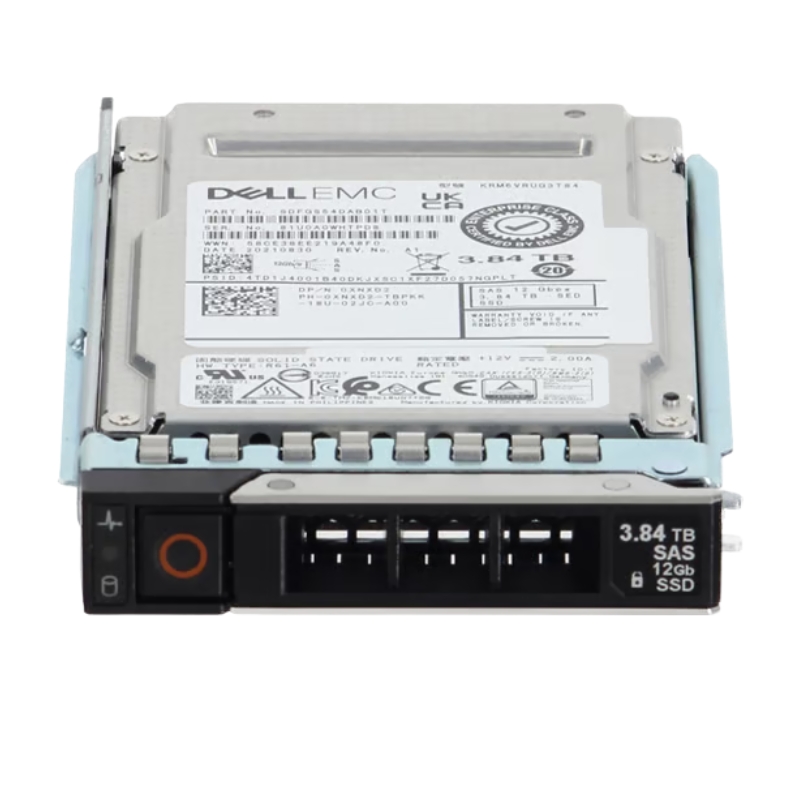


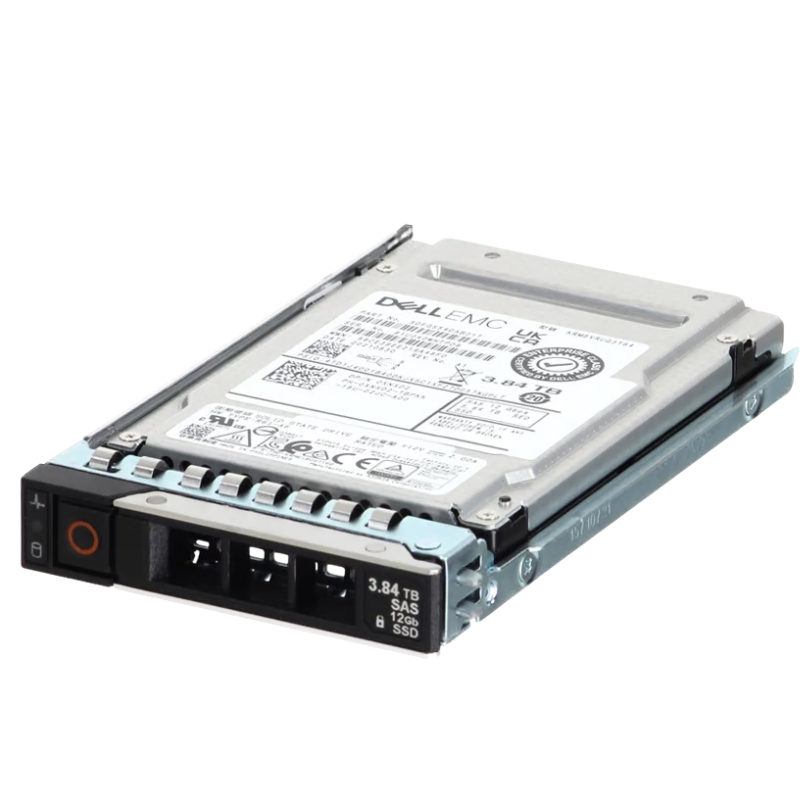
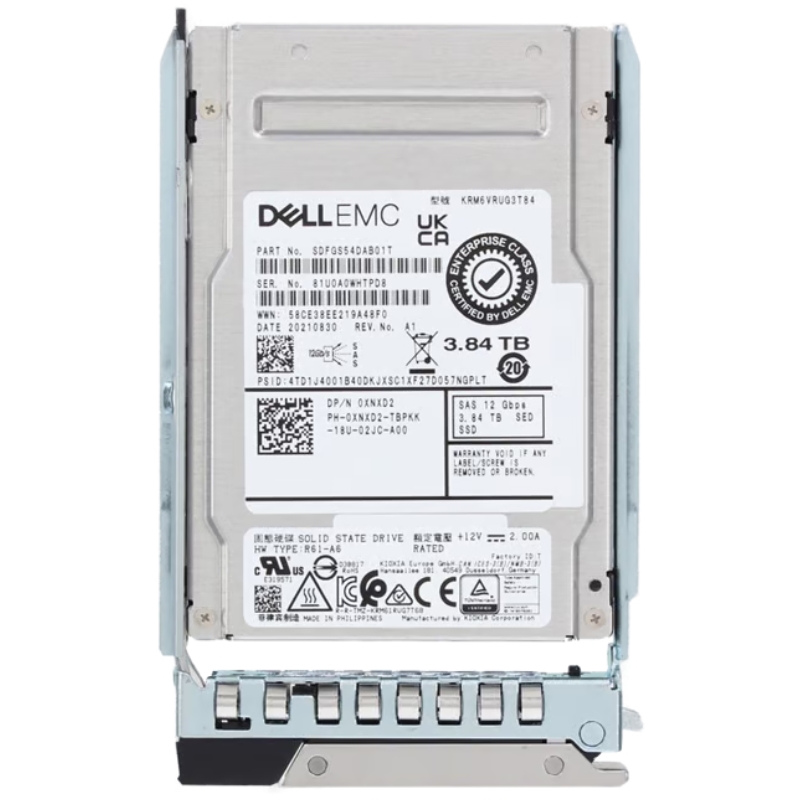
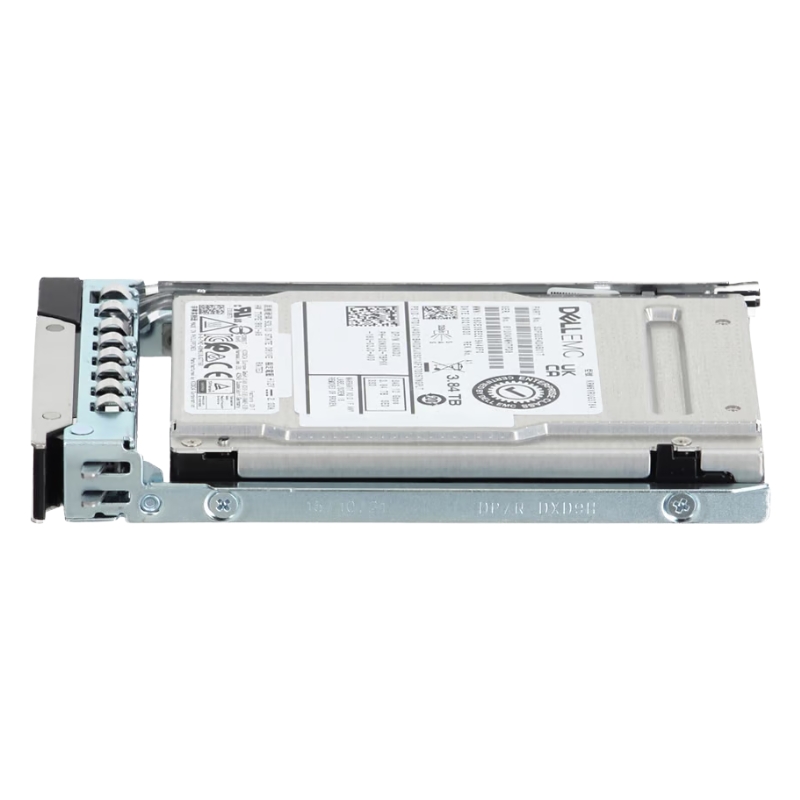
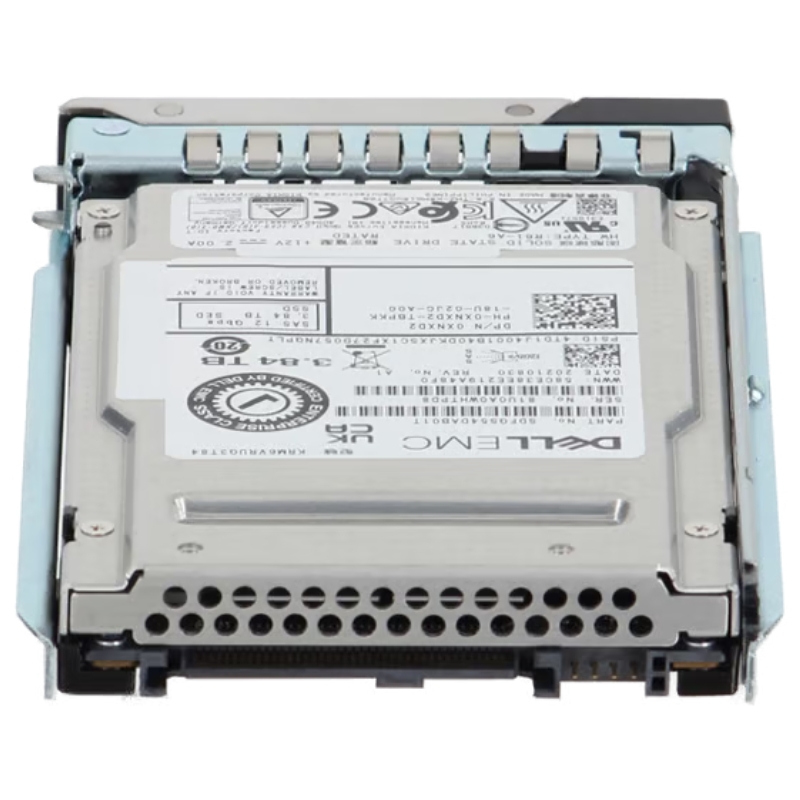
Dell C8FN4 3.84TB SAS-12GBPS Read-Intensive TLC 512e SFF Hot-Plug for Server Compellent Solid State Drive. Excellent Refurbished with 1 year replacement warranty
Dell C8FN4 3.84TB SAS-12GBPS Read-Intensive TLC 512e SFF Hot-Plug for Server Compellent Solid State Drive defines a focused category of enterprise-grade storage that combines high density, fast SAS 12Gb/s throughput, and the cost efficiency of read-intensive TLC flash. As a part of Dell's server and Compellent storage ecosystem, drives in this category are engineered for data center workloads where read performance, predictable latency, and high usable capacity are more important than the absolute highest endurance numbers. The product family centers on the 3.84TB capacity point in a small form factor (SFF) 2.5-inch hot-plug module, with an industry standard 512e sector emulation and a SAS 12Gb/s interface designed to integrate seamlessly with PowerEdge servers, Compellent controllers, and mixed hybrid arrays.
The technical profile of the Dell C8FN4 drive is built around the following defining attributes: a 3.84TB raw capacity implemented with triple-level cell (TLC) NAND optimized for read-intensive workloads; a SAS 12Gb/s physical interface that delivers low latency and high sustained read bandwidth; a 512e sector format for compatibility with a wide range of existing enterprise storage stacks; and a small form factor hot-pluggable 2.5-inch enclosure that enables dense server and storage bay population. Enterprise class features typically include power-loss protection, end-to-end data path protection, SMART telemetry and logging, background media management, and firmware geared toward predictable I/O. These specifications translate to a drive that is capable of accelerating read-dominant databases, virtual desktop infrastructure with heavy read caching, content delivery and media streaming, and scale-out file systems where capacity density and low latency are key procurement criteria.
In practice, Dell C8FN4 3.84TB SAS-12Gbps drives deliver consistent read IOPS and sustained throughput under mixed but read-biased I/O patterns. The SAS 12Gb/s interface reduces command queuing bottlenecks and minimizes overhead compared with older SAS generations, enabling servers and storage arrays to consolidate more applications per node. Typical read latency for enterprise read-intensive TLC drives is optimized to remain low and stable across operating temperatures and queue depths, while firmware algorithms on these drives prioritize read hit acceleration and garbage collection scheduling to avoid disruptive latency spikes during peak operation. For administrators, the observable benefit is a higher ratio of served read requests per watt and per rack unit, which improves both application responsiveness and data center efficiency metrics.
Dell C8FN4 3.84TB SAS-12Gbps drives are purposefully compatible with Compellent storage controllers and Dell PowerEdge server platforms. This integration assures administrators that firmware interoperability, drive health monitoring, and array features such as intelligent tiering, snapshotting, and replication will operate as expected. Compellent systems that use automated tiering can exploit the C8FN4's read-optimized profile to accelerate frequently accessed blocks while relocating colder data to higher capacity HDDs, achieving a balance of performance and capacity economics. When integrated in PowerEdge servers as local storage or in direct-attached chassis, the hot-plug SFF design reduces maintenance windows and simplifies drive replacement procedures, while SAS zoning and expander compatibility preserve multi-path access and redundancy in complex topologies.
The typical workloads that benefit most from the Dell C8FN4 category are those that depend heavily on fast, predictable reads and benefit from large SSD capacity in a compact form factor. Read-centric databases, analytics query engines, web caching layers, virtual desktop infrastructure (VDI) with large read working sets, virtualization hypervisors serving many read-heavy VMs, content delivery networks, and metadata servers in scale-out file systems are all excellent matches. In hybrid setups, these drives make effective cache or performance tiers in front of high-capacity disk shelves. Design patterns that place writes into dedicated log devices or use write-offloading technologies will extend the useful life of read-intensive TLC drives without sacrificing the performance advantages they provide for read operations.
While the C8FN4 is categorized as read-intensive and thus not designed primarily for heavy write workloads, enterprise reliability features remain central to its design. Power-loss protection circuitry helps ensure that in-flight data in volatile caches will reach nonvolatile media in the event of sudden power loss. End-to-end data path protection preserves data integrity across the drive's internal pathways and prevents silent corruption. SMART attributes and firmware logging provide early warning indicators of media wear or impending failure, allowing administrators to take preemptive action. Understanding endurance metrics measured in drive writes per day (DWPD) or total terabytes written (TBW) across an expected warranty window is critical for accurate lifecycle planning. In many deployments, these drives are paired with RAID configurations or erasure coding at the array level to mitigate the impact of a single device failing and to preserve service continuity.
Deploying the Dell C8FN4 3.84TB SSDs effectively requires understanding how they interact with the rest of the storage architecture. Best practices include placing read-intensive drives in tiers alongside higher endurance write-optimized devices; leveraging Compellent's auto-tiering to move hot blocks to C8FN4 drives automatically; dedicating write logs and journaling to devices rated for higher DWPD; and benchmarking under realistic workload profiles prior to production cutover. It is also important to consider RAID or erasure coding overhead when calculating usable capacity and to account for overprovisioning and reserved spare capacity that sustains performance during garbage collection cycles. For virtualized environments, tuning the hypervisor's storage scheduler to match the drive characteristics—such as optimizing queue depth and I/O coalescing—will improve end-to-end latency and throughput.
Compared with mixed-use or write-intensive enterprise SSDs, the Dell C8FN4 3.84TB read-intensive drive offers higher capacity per chassis and lower acquisition cost at the expense of write endurance. Against traditional spinning disks, the C8FN4 delivers dramatically lower latency, higher IOPS, and lower physical footprint while consuming less power per IO. Against NVMe SSDs, SAS-12Gbps drives commonly present compatibility benefits with existing SAS infrastructures, easier multi-path and expander configurations, and recognized management ecosystems; however NVMe drives may offer lower latency and higher raw throughput in direct attach or NVMe-oF scenarios. The ideal approach is complementary: use SAS read-intensive SSDs in tiering or caching layers where compatibility and density are paramount, and employ NVMe or higher endurance devices where ultra-low latency or heavy write workloads require it.


 Contact Us
 Information
 Catalog
 Solid State Drives (SSD)
 Network Switches
 Hard Disk Drives
 HBA & Controllers
 PC & Servers
 PC & Server Memory
 CPU & Processors
 Network Routers
 Power Supplies
 Tape Drives & Libraries
 Network Devices
 Computer & Network Cables