(7% discount is applied at checkout)
Cart is empty
Your go-to destination for cutting-edge server products


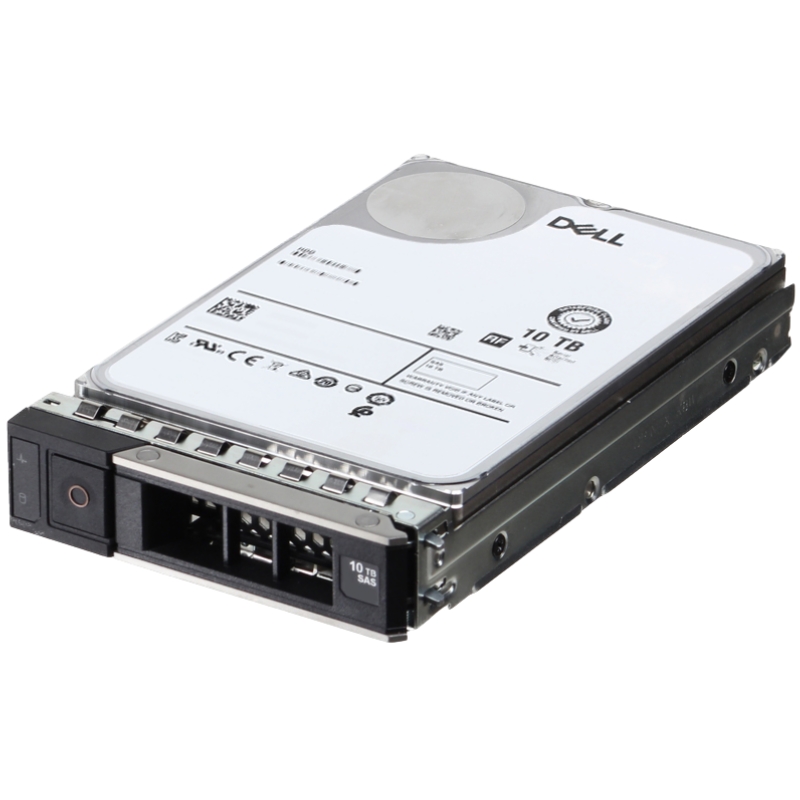
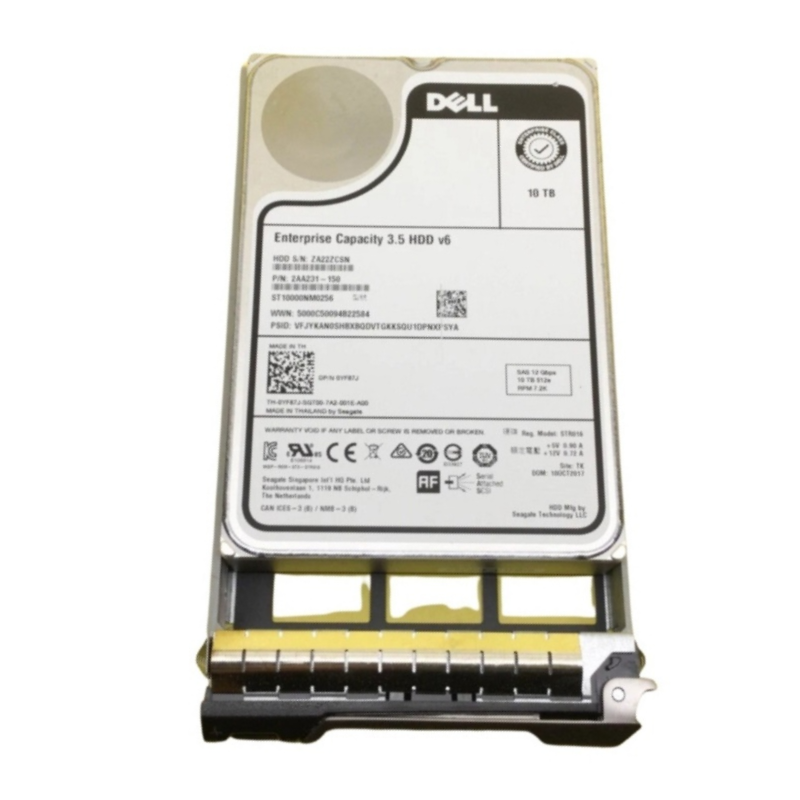
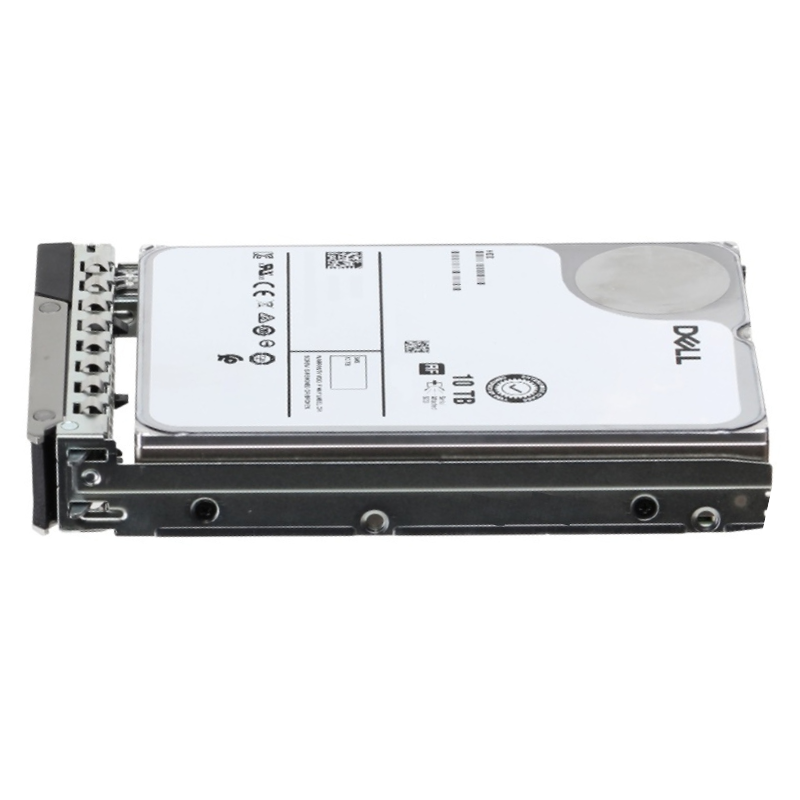
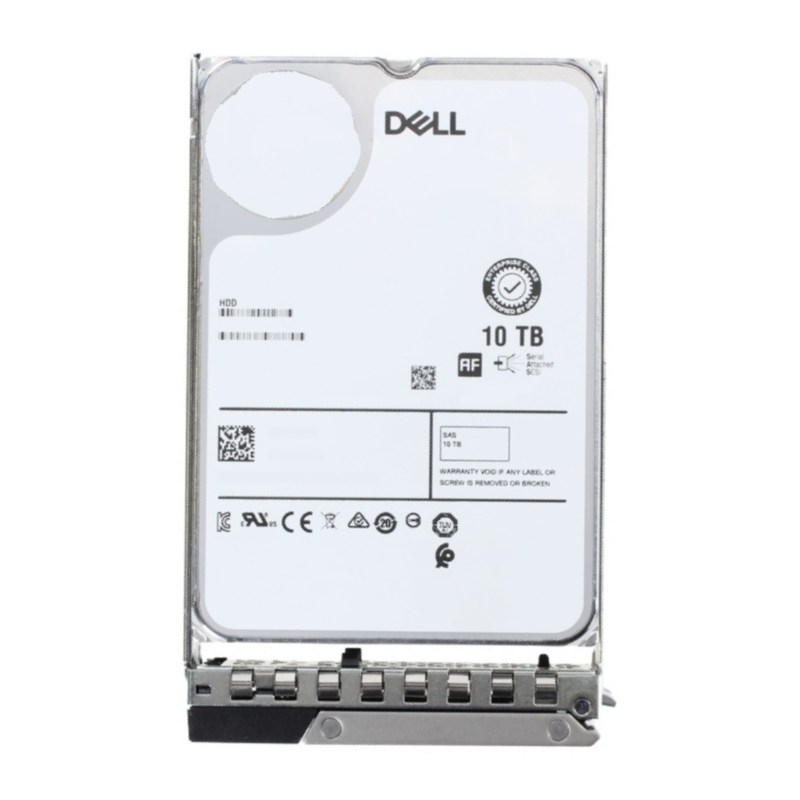
Dell 400-ARKE 10TB SAS 12GBPS 7.2K RPM LFF Hard Drive. Excellent Refurbished with 1 year replacement warranty
The Dell 400-ARKE 10TB enterprise hard disk drive is engineered to deliver dependable, high-capacity storage for modern data centers and business-critical applications. Designed with a 3.5-inch large form factor (LFF), this robust storage solution combines impressive capacity, efficient performance, and enterprise-grade reliability. It is an ideal choice for organizations requiring scalable storage for archival, backup, and data-intensive environments.
The Dell 400-ARKE 10TB SAS 12Gbps 7.2K RPM LFF hard drive belongs to a specialized category of enterprise storage devices engineered for high-capacity, reliability-focused environments. This category is widely recognized for delivering consistent throughput, scalability, and long-term operational durability across data-intensive infrastructures. Designed around a 3.5-inch large form factor, this drive type enables organizations to achieve maximum storage density while maintaining efficiency in rack-based server deployments. The integration of a 12Gbps Serial Attached SCSI interface further elevates the overall data handling capability, ensuring stable communication between storage media and host systems.
The 10TB storage capacity aligns with modern enterprise needs where exponential data growth demands scalable and cost-effective storage solutions. Businesses operating in sectors such as finance, healthcare, cloud computing, and digital media benefit from the ability to store vast datasets within fewer physical drives. This category therefore supports consolidation strategies that reduce hardware complexity, minimize energy consumption, and streamline system management.
The large form factor design plays a critical role in defining the efficiency of this category. By utilizing a 3.5-inch drive architecture, the Dell 400-ARKE allows for increased platter size, which directly contributes to higher storage capacity. This design reduces the number of drives required in storage arrays, enabling simplified configurations and improved airflow within server chassis. The physical durability of LFF drives also ensures they can withstand prolonged operational stress in enterprise environments.
Enterprise-grade construction ensures that the drive maintains mechanical stability even under continuous workloads. The internal components are engineered with precision to reduce vibration and wear, contributing to extended service life. This level of build quality is essential for environments where hardware failure can lead to costly downtime and data loss.
The larger enclosure supports efficient heat dissipation, which is crucial for maintaining consistent performance. Proper thermal management reduces the risk of overheating and enhances the longevity of the drive, making it suitable for high-density server environments.
The Serial Attached SCSI interface operating at 12Gbps provides a high-speed communication channel between the drive and the host system. This interface is designed for enterprise workloads, offering superior reliability compared to consumer-grade interfaces. The dual-port capability ensures redundant data paths, which enhances fault tolerance and system availability.
The 7,200 RPM spindle speed is optimized for workloads that prioritize capacity and sustained data transfer rather than ultra-low latency. This makes the drive ideal for sequential operations such as backups, archiving, and large file transfers. The balance between performance and energy efficiency ensures that the drive can operate continuously without excessive power consumption.
High-capacity drives in this category excel at handling sequential read and write operations. This is particularly beneficial for applications that involve streaming large datasets or performing batch processing tasks.
The 10TB capacity enables organizations to store extensive datasets on a single drive, reducing the need for multiple smaller drives. This not only simplifies storage management but also enhances overall system efficiency. The ability to consolidate data into fewer drives reduces power consumption and cooling requirements, contributing to lower operational costs.
The Dell 400-ARKE category is designed for 24/7 operation, ensuring consistent performance in demanding environments. Enterprise-grade components and rigorous testing standards guarantee that the drive can handle continuous workloads without degradation in performance.
High MTBF ratings indicate the reliability of the drive over extended periods. This metric is crucial for organizations that require dependable storage solutions for critical applications.
Data integrity is a cornerstone of enterprise storage, and this category incorporates multiple layers of protection to ensure accuracy and reliability. Technologies such as end-to-end data protection and advanced error correction codes safeguard data throughout its lifecycle.
Enterprise firmware is optimized to provide consistent performance and enhanced security. It ensures compatibility with server systems and supports advanced management features.
The Dell 400-ARKE is designed to integrate seamlessly with enterprise servers and storage arrays. Its compatibility with SAS backplanes and RAID controllers ensures that it can be deployed within existing infrastructures. This reduces the complexity of upgrades and expansions.
Hot-plug capability allows administrators to replace or add drives without shutting down the system. This feature enhances operational efficiency and minimizes downtime.
Virtualized environments benefit from the drive’s ability to handle multiple workloads simultaneously. Its consistent throughput ensures smooth operation of virtual machines.
The high capacity of the Dell 400-ARKE makes it an excellent choice for backup and archival storage. Organizations can store historical data, compliance records, and backup copies efficiently, ensuring long-term data preservation.
The drive’s design ensures that data remains over extended periods, making it suitable for archival purposes.
The LFF design enhances airflow within server enclosures,maintaining optimal temperatures. Efficient cooling reduces the risk of hardware failure and improves overall system stability.


 Contact Us
 Information
 Catalog
 Solid State Drives (SSD)
 Network Switches
 Hard Disk Drives
 HBA & Controllers
 PC & Servers
 PC & Server Memory
 CPU & Processors
 Network Routers
 Power Supplies
 Tape Drives & Libraries
 Network Devices
 Computer & Network Cables