(7% discount is applied at checkout)
Cart is empty
Your go-to destination for cutting-edge server products
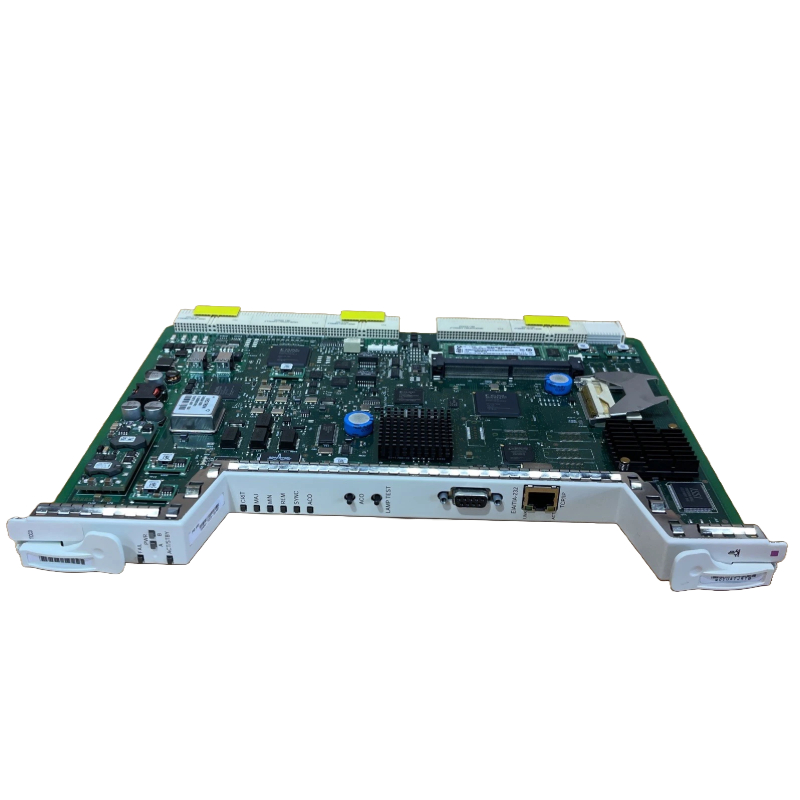


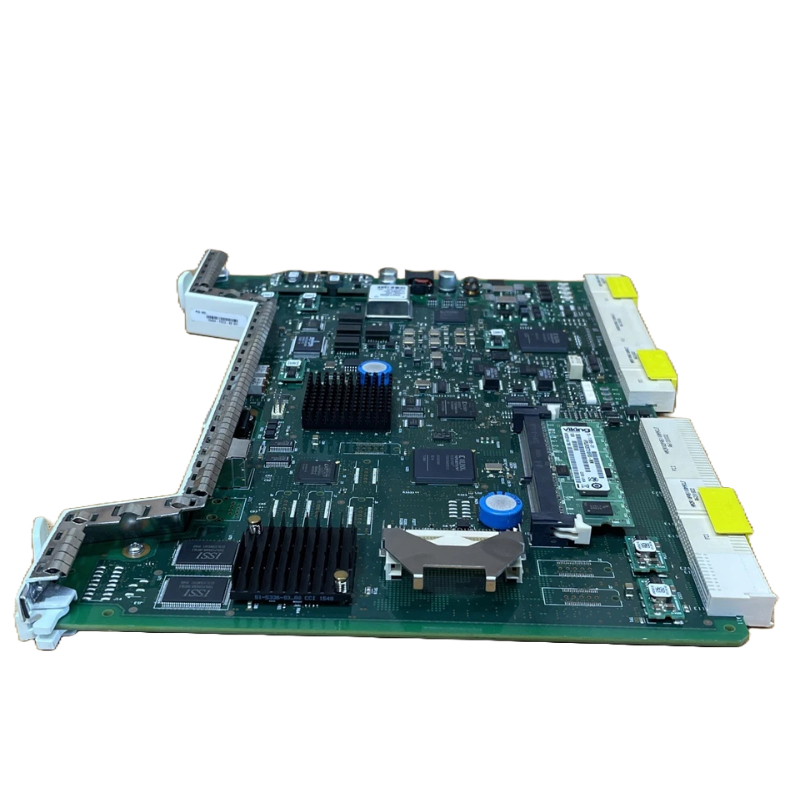
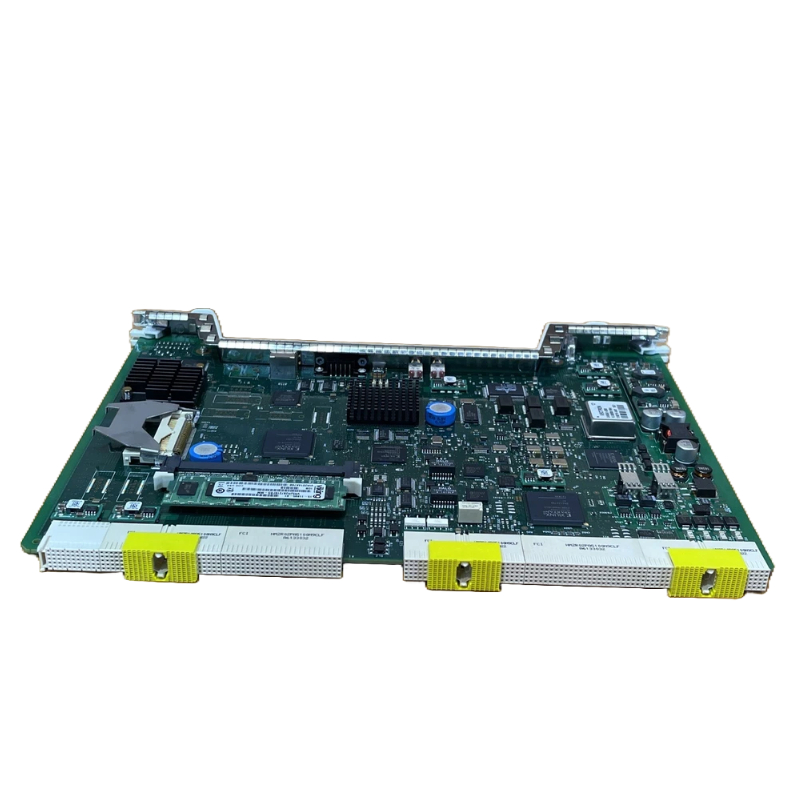
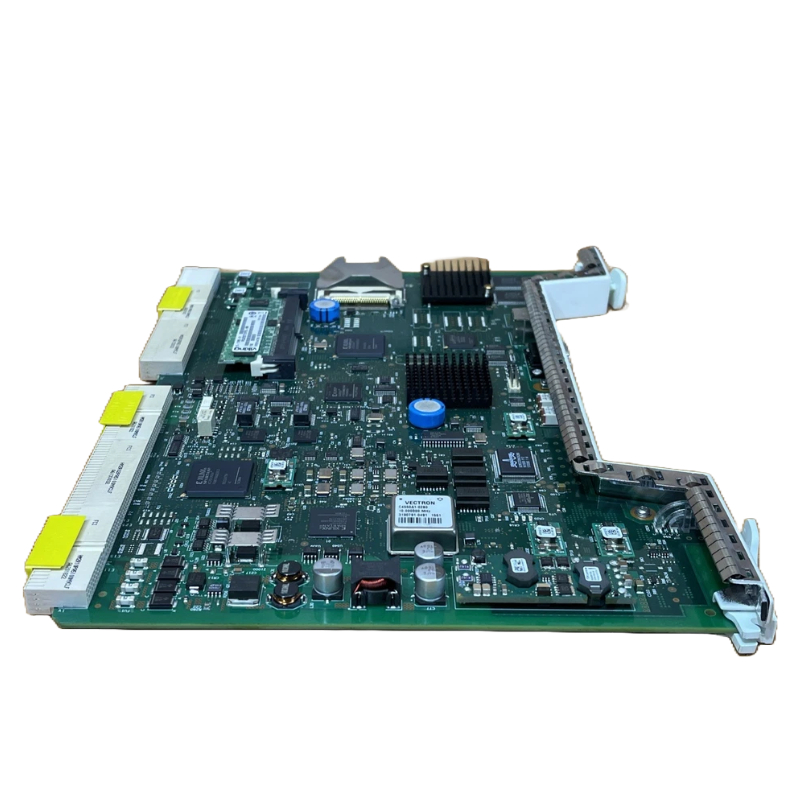
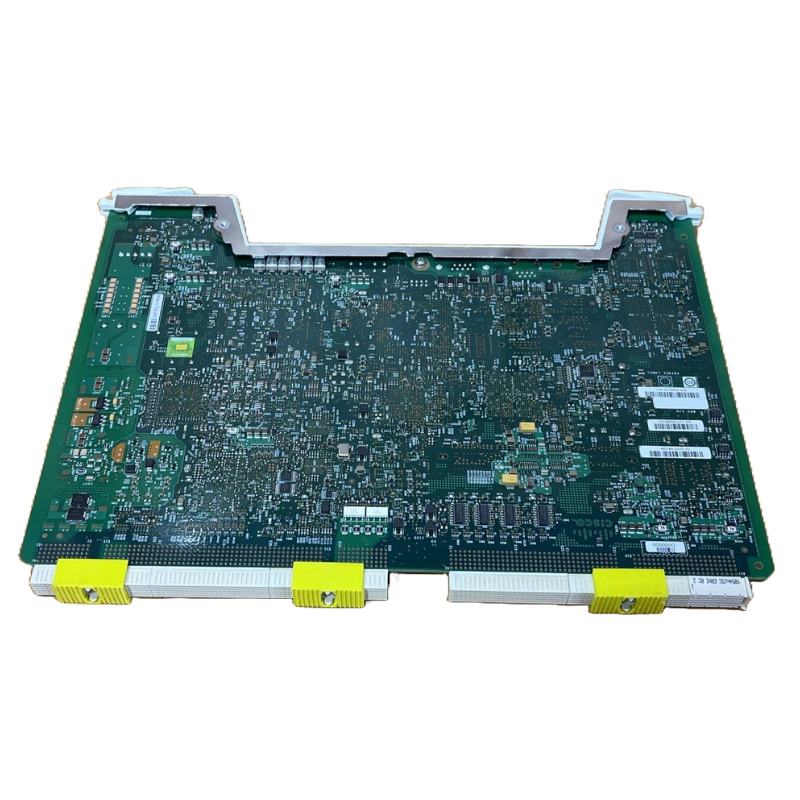
Cisco 15454-M-TSC-K9 Transport Shelf Controller. Excellent Refurbished with 1 year replacement warranty
The Cisco 15454-M-TSC-K9 Transport Shelf Controller is a specialized processing module designed to manage and control Cisco optical transport chassis environments. It is engineered for use in advanced carrier-grade networking infrastructures, ensuring reliable shelf-level coordination, system monitoring, and operational efficiency within M2 and M6 chassis platforms.
The Cisco 15454-M-TSC-K9 Transport Shelf Controller is a critical intelligent control module designed for the Cisco ONS 15454 Multi-Service Transport Platform, specifically optimized for M2 and M6 chassis architectures. It serves as the central management and control element responsible for orchestrating system-level operations across optical transport shelves, ensuring synchronized communication between hardware modules, network elements, and provisioning software layers. This controller is engineered for carrier-grade environments where deterministic performance, high availability, and seamless optical transport management are essential for modern telecom infrastructures.
Within dense optical networking ecosystems, the transport shelf controller plays a foundational role in coordinating provisioning, fault management, synchronization, and hardware resource allocation. The Cisco 15454-M-TSC-K9 is designed to support scalable optical transport networks that require modular expansion and adaptive bandwidth provisioning while maintaining strict operational stability across geographically distributed network nodes.
The architecture of the Cisco 15454-M-TSC-K9 is built around a centralized control plane model that ensures unified command over all optical and electrical modules installed within the M2 or M6 chassis. It facilitates communication between service cards, cross-connect systems, and network management interfaces, enabling synchronized provisioning and real-time monitoring of transport services.
This controller integrates deeply into the shelf backplane architecture, leveraging high-speed internal signaling pathways to maintain consistent communication between line cards and switching fabric elements. Its design minimizes latency in control signaling, which is critical in dense wavelength division multiplexing environments where timing precision directly impacts network stability.
The controller is designed to interpret and manage modular hardware configurations dynamically. As service cards are added or removed from the chassis, the Cisco 15454-M-TSC-K9 automatically detects topology changes and reconfigures internal routing logic to maintain service continuity. This modular awareness ensures that network scaling operations do not disrupt active transport circuits or degrade service quality.
The hardware coordination layer also ensures compatibility across multiple generations of optical modules, allowing operators to maintain legacy support while integrating newer transmission technologies within the same chassis framework.
In M2 chassis deployments, the Cisco 15454-M-TSC-K9 functions as the primary control interface for smaller-scale optical transport environments. These environments typically require efficient space utilization while maintaining full operational capabilities for metro aggregation networks and regional optical hubs.
The controller ensures that M2 chassis systems maintain consistent synchronization across all installed optical modules, supporting both legacy SONET/SDH and modern packet-optical transport protocols. This hybrid compatibility allows service providers to transition gradually toward next-generation infrastructure without service disruption.
Within the larger M6 chassis architecture, the controller assumes a more complex orchestration role, managing a significantly higher density of line cards and service modules. The Cisco 15454-M-TSC-K9 is engineered to handle increased signaling loads and expanded cross-connect matrices, ensuring consistent performance even under heavy traffic conditions.
The scalability offered in M6 environments makes this controller suitable for core transport networks, where high-capacity wavelength routing and multi-service aggregation are required simultaneously.
The Cisco 15454-M-TSC-K9 enables automated service provisioning across optical transport layers. It coordinates the setup of optical paths, allocates bandwidth resources, and ensures that each service instance is correctly mapped across physical and logical network layers. This reduces manual configuration overhead and enhances provisioning accuracy in large-scale deployments.
A key function of the controller is real-time fault detection and isolation. It continuously monitors the health of connected modules and identifies anomalies such as signal degradation, power inconsistencies, or hardware malfunctions. Upon detection of a fault condition, the controller isolates affected components to prevent cascading failures across the transport network.
Timing synchronization is essential in optical transport systems, and the Cisco 15454-M-TSC-K9 provides precise clock distribution management across all chassis components. It ensures that synchronization signals are maintained within strict tolerances, supporting high-quality transmission for latency-sensitive applications such as voice, financial transactions, and real-time data services.
The controller integrates with Cisco network management platforms to provide centralized visibility into optical transport performance. It supports detailed telemetry collection, enabling operators to analyze system behavior, track service performance metrics, and monitor environmental conditions within the chassis.
This integration enhances operational efficiency by consolidating network intelligence into a unified management interface, reducing the complexity of multi-shelf deployments across distributed infrastructure environments.
Configuration synchronization between the controller and external management systems ensures that changes applied at the network management layer are consistently reflected within the hardware environment. This bidirectional synchronization reduces configuration drift and improves operational accuracy in dynamic network environments.
The Cisco 15454-M-TSC-K9 is equipped with embedded processing logic designed to handle high-speed control operations within optical transport environments. This processing capability ensures rapid decision-making for provisioning, fault handling, and system reconfiguration tasks.
The controller utilizes high-throughput backplane interfaces to communicate with other system modules. These interfaces are optimized for low-latency signaling, enabling near real-time coordination between line cards and switching fabrics within the chassis architecture.
Thermal management is a key consideration in dense chassis environments, and the controller is designed to operate efficiently under varying load conditions. Its power consumption profile is optimized to reduce heat generation while maintaining consistent operational performance across extended deployment cycles.
The Cisco 15454-M-TSC-K9 supports redundant configurations that enhance system reliability in carrier-grade networks. Redundant controllers can operate in active and standby modes, ensuring seamless failover in the event of hardware or software disruptions.
During failover events, the controller ensures state synchronization between active and standby units. This allows the backup controller to assume operational control without service interruption, preserving active transport sessions and minimizing downtime.
In metro aggregation environments, the controller facilitates efficient consolidation of traffic from access networks into high-capacity optical backbones. It ensures that service flows are optimized for bandwidth efficiency and minimal latency across metropolitan infrastructures.
Within long-haul deployments, the Cisco 15454-M-TSC-K9 contributes to stable wavelength management and cross-regional transport coordination. It supports consistent service delivery across extended distances where signal integrity and synchronization are critical.
Enterprise-scale backbone networks benefit from the controller’s ability to manage complex multi-service environments. It enables unified control of diverse traffic types, ensuring consistent performance across integrated communication systems.
The controller optimizes bandwidth allocation by dynamically adjusting resource distribution based on network demand. This ensures that high-priority services receive adequate transport capacity while maintaining overall network balance.
Latency optimization is achieved through efficient control signaling and rapid system response mechanisms. The controller minimizes processing delays between network events and system reactions, enhancing real-time service performance.
The Cisco 15454-M-TSC-K9 incorporates access control mechanisms that regulate administrative interactions with the system. These controls help maintain operational integrity by ensuring that only authorized configurations are applied to the transport environment.
Communication between the controller and network management systems is designed to support secure operational exchanges. This ensures that configuration data and system telemetry remain protected during transmission across management networks.
The controller is engineered to function reliably under a range of environmental conditions commonly encountered in telecom facilities. It maintains operational stability in controlled temperature and humidity settings typical of carrier-grade data centers and central offices.
Its form factor and interface design ensure compatibility with standardized telecom racks and chassis infrastructure, allowing seamless integration into existing network deployments without requiring structural modifications.
The Cisco 15454-M-TSC-K9 is designed for interoperability with a wide range of optical and packet transport technologies. This ensures that it can operate effectively within heterogeneous network environments where multiple transmission standards coexist.
Backward compatibility allows integration with legacy optical systems, enabling gradual infrastructure modernization without disrupting existing service frameworks. This flexibility is particularly important in large-scale carrier networks with long equipment lifecycle requirements.
By centralizing control functions and automating key operational processes, the controller reduces administrative complexity and enhances network efficiency. This leads to improved service reliability and reduced operational overhead for service providers.
The modular and scalable design of the Cisco 15454-M-TSC-K9 ensures that networks can expand in capacity and functionality without requiring fundamental architectural changes. This makes it suitable for evolving telecommunications environments that demand long-term adaptability.


 Contact Us
 Information
 Catalog
 Solid State Drives (SSD)
 Network Switches
 Hard Disk Drives
 HBA & Controllers
 PC & Servers
 PC & Server Memory
 CPU & Processors
 Network Routers
 Power Supplies
 Tape Drives & Libraries
 Network Devices
 Computer & Network Cables